OPINION: West Virginia needs to worry about out-migration, not immigration
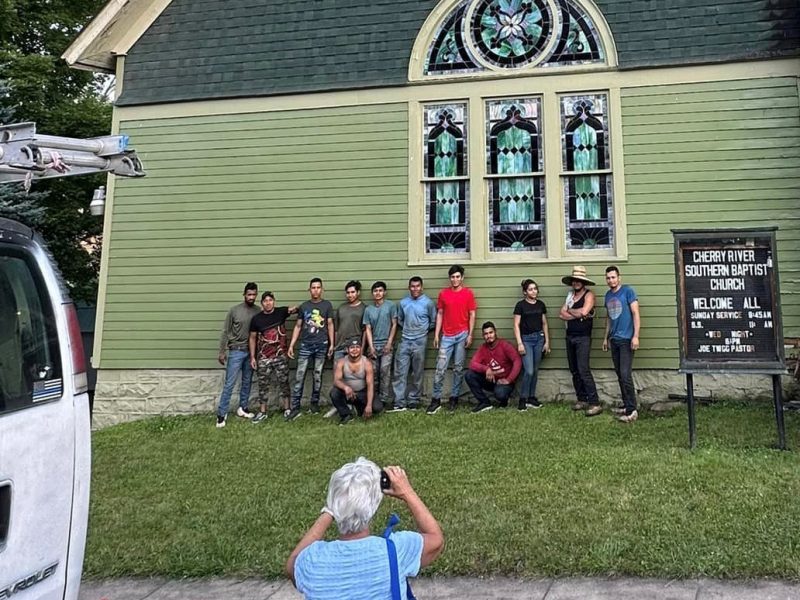
By Susan Johnson,
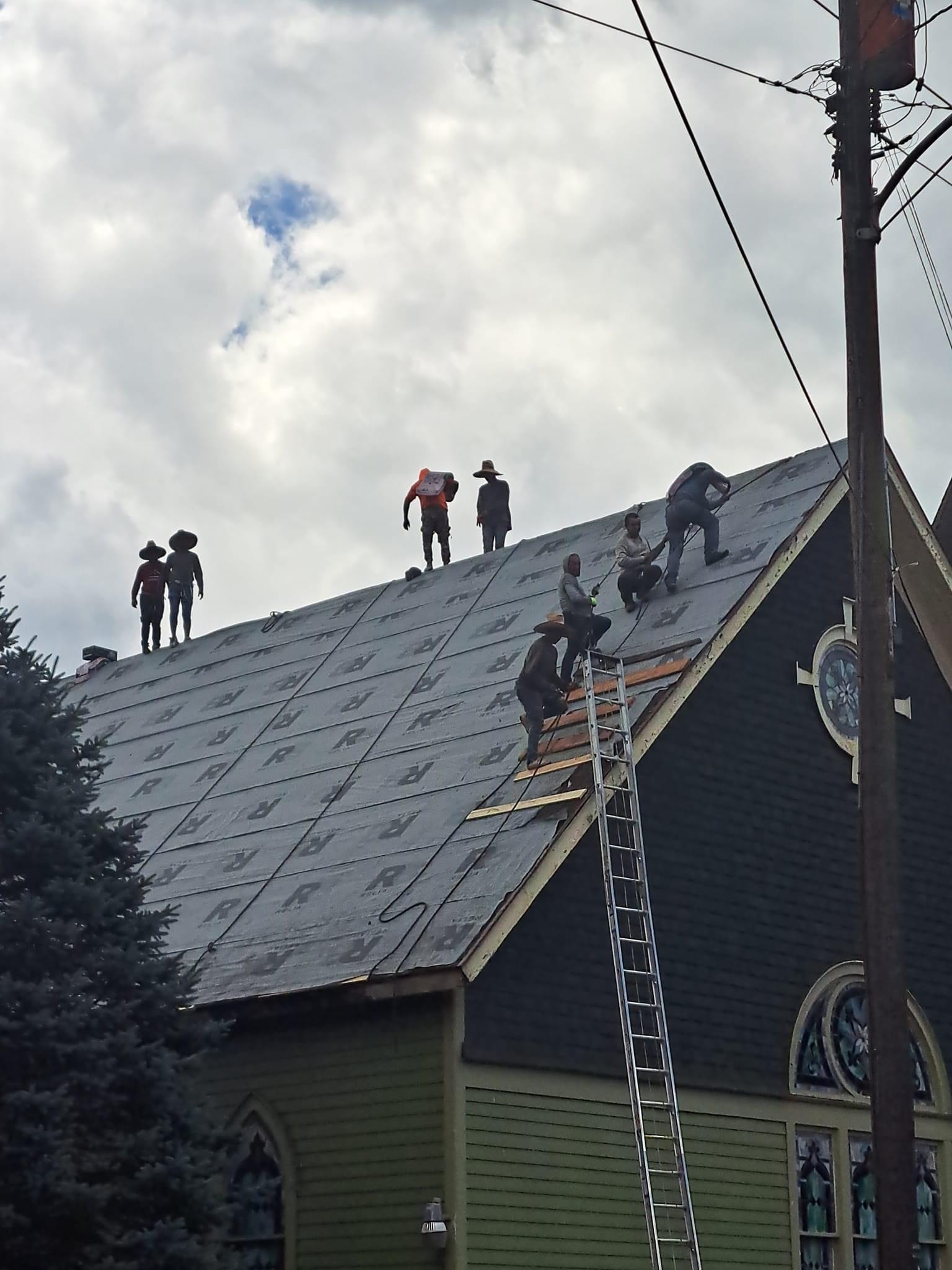
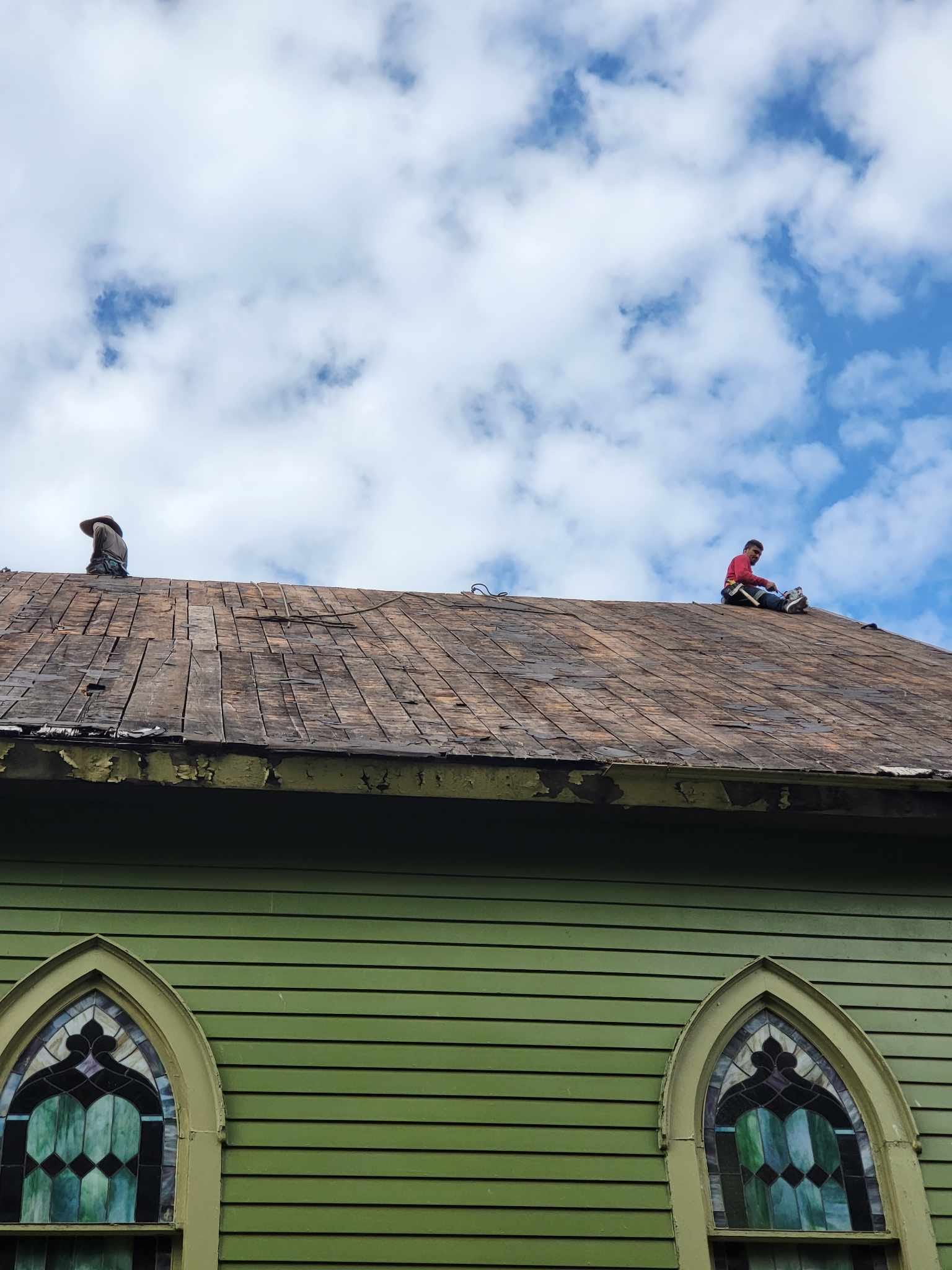
This Friday all of Richwood watched with breathless fascination as a crew of Hispanic workers rebuilt in one day the roof of a 120-year-old church. Another small group of immigrants is working for a local mill, doing the jobs the company couldn’t fill with locals. These are hard workers who are living quietly in barracks conditions while sending money back to their families in other countries.
I don’t know why this issue is so problematic. Truth A: Nobody can find workers in West Virginia. Truth B: Most migrants from other countries want to work. Yet we can’t figure out how to link Truth A with Truth B. Why? Because one of the two national political parties doesn’t want to solve a problem that has been a winning campaign issue for decades.
West Virginia was built by immigrants. There wasn’t enough labor to lay railroad tracks or timber the forests or dig coal mines. So the government opened up immigration through Ellis Island in 1892 to meet the enormous demand for labor fueling the Industrial Revolution.
The immigration service calculated how many souls to admit by allowing for x number predicted to be killed on the job. It was an actuarial computation—the human price of doing business. A conservative estimate is that 1,200 died building the Transcontinental Railroad. Most were Irish immigrants.
In 1910, West Virginia’s 17,000 Italian immigrant residents made up 30 percent of the state’s foreign-born population. Many of those families settled in my home town of Richwood, creating a vibrant neighborhood we still call “Little Italy.”
These immigrants worked hard and built good lives in America. Those that survived, that is.
In 1907, 171 Italians were among those killed instantly in a fiery explosion at a mine in Monongah, West Virginia. Many were children, some under 12, which was the legal age for mining coal. The company reported 362 deaths, but the Fairmont Times estimated the death toll much higher, 425 or more. Some of them were undocumented children as young as seven.
Again, the human cost of doing business.
In 1915 112 men, many of them immigrants who just that day had stepped off a train from New York City, perished in the Layland mine explosion in Fayette County. William Derenge, a Frenchman who survived, recounted trying to communicate in the pitch black with workers who spoke Italian, Czech, Polish, German.
Then as now those “huddled masses yearning to be free” were willing to risk their very lives to escape tyranny and oppression to seek a better life.
The demand for labor is only going to increase. Over 32,000 infrastructure projects totaling $220 billion are underway or slated to begin across 4500 communities in America, according to a White House press release. West Virginia is getting $1.9 billion to fund as many as 90 projects.
There’s no way these 90 projects can be completed efficiently without immigrant labor. This country has all the resources necessary to build immigration facilities and procedures on a scale like that of Ellis Island over a century ago. Yet the Texas governor is installing razor wire in the rivers to keep out families desperate for a better way of life. This is not only morally reprehensible: it is counter to our national economic interests.
Texas Governor Abbott’s highly criticized crackdown on river crossings is motivated by election-year politics and not statistics. According to the U.S. Customs and Board Protection website, border encounters compared with last year are down for single adults, families, and unaccompanied minors; and even since May of this year, border encounters in June were down by 30.1%.
West Virginia has a different set of problems than Texas. Our state has lost population each of the past 8 years. We need to focus on how to stem the tide of outmigration from West Virginia. (Sources: The West Virginia Encyclopedia; Italian Sons and Daughters of America; US Customs and Border Protection; the White House; the Charleston Gazette-Mail. )
Susan Johnson is a freelance columnist.