As mental health concerns grow regarding kids, community group looks to meet them where they are
By Joe Severino, RealWV
Children have faced some of the worst of what came during and after the COVID-19 pandemic, which began nearly three-and-a-half years ago.
It’s resulted in a growing crisis in youth mental health across the country.
Four in 10 U.S. high schoolers reported experiencing persistent feelings of sadness or hopelessness in 2021, according to the CDC, with nearly a quarter of them saying they seriously considered attempting suicide. For elementary school-aged children, data and research since the pandemic is scarce.
After a prolonged period of social isolation, many children and their families faced economic hardships due to inflation, job loss, deaths in the family or other factors. These conditions are fueling ballooning rates of youth mental health disorders, said Alecia Allen, a therapist and Licensed Professional Counselor.
“There’s been a huge rise in anxiety and depression, which are often co-occurring,” said Allen.
Mental health disorders are hard to spot in children, and in schools with depleting resources, they are punished instead of treated, said Allen.
“You often see these trauma related issues misidentified as conduct disorders. There’s a lot of expulsion, removal from schools, specifically for young children and children of minority communities, where there’s not a lot of access to care,” she said.
Black students in West Virginia were suspended at twice the rate as their white schoolmates over a two-decade period from the late 1990s and into the late 2010s, according to data from the U.S. Department of Education Office of Civil Rights. Data also showed West Virginia public schools disproportionately suspended foster children, children with disabilities and children experiencing homelessness.
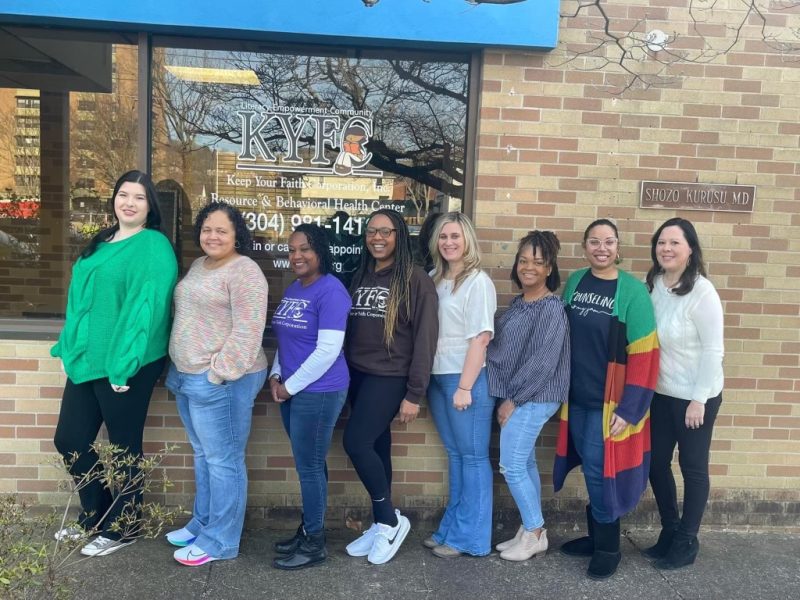
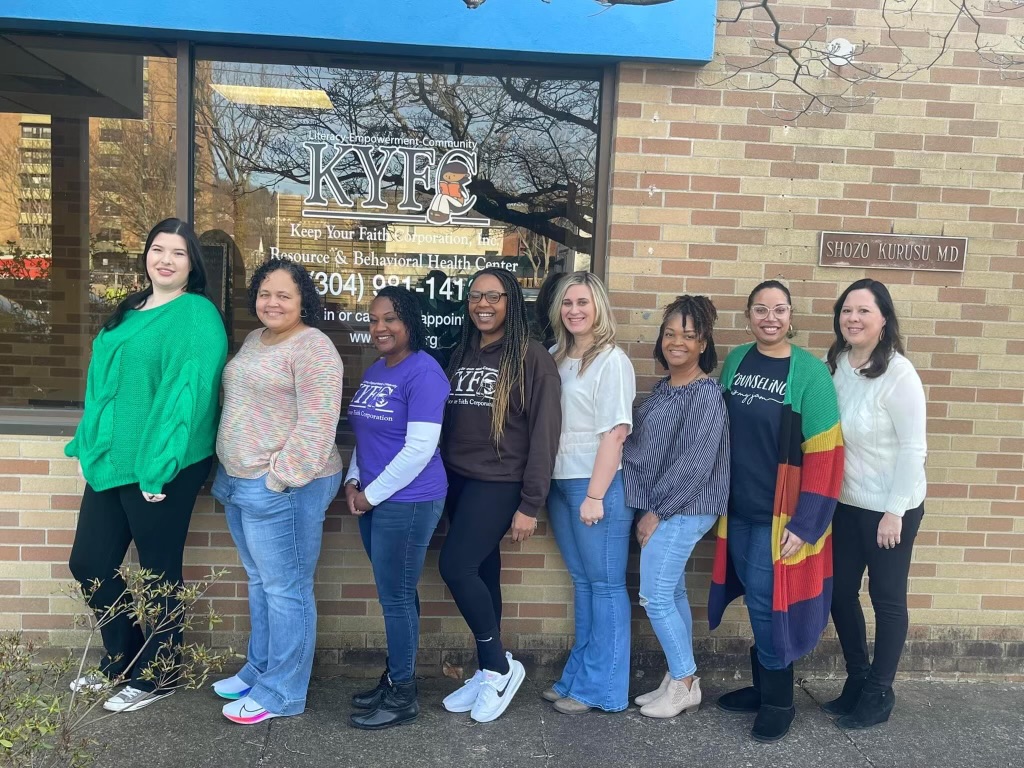
This is why Allen said she is proud to run the only BIPOC (Black, Indigenous, People of Color) led Licenced Behavioral Health Clinic in the state that operates as a group practice. Their office opened in November 2021 in Charleston’s East End, directly across the street from Piedmont Elementary School, as Keep Your Faith Corporation Behavioral Health Center.
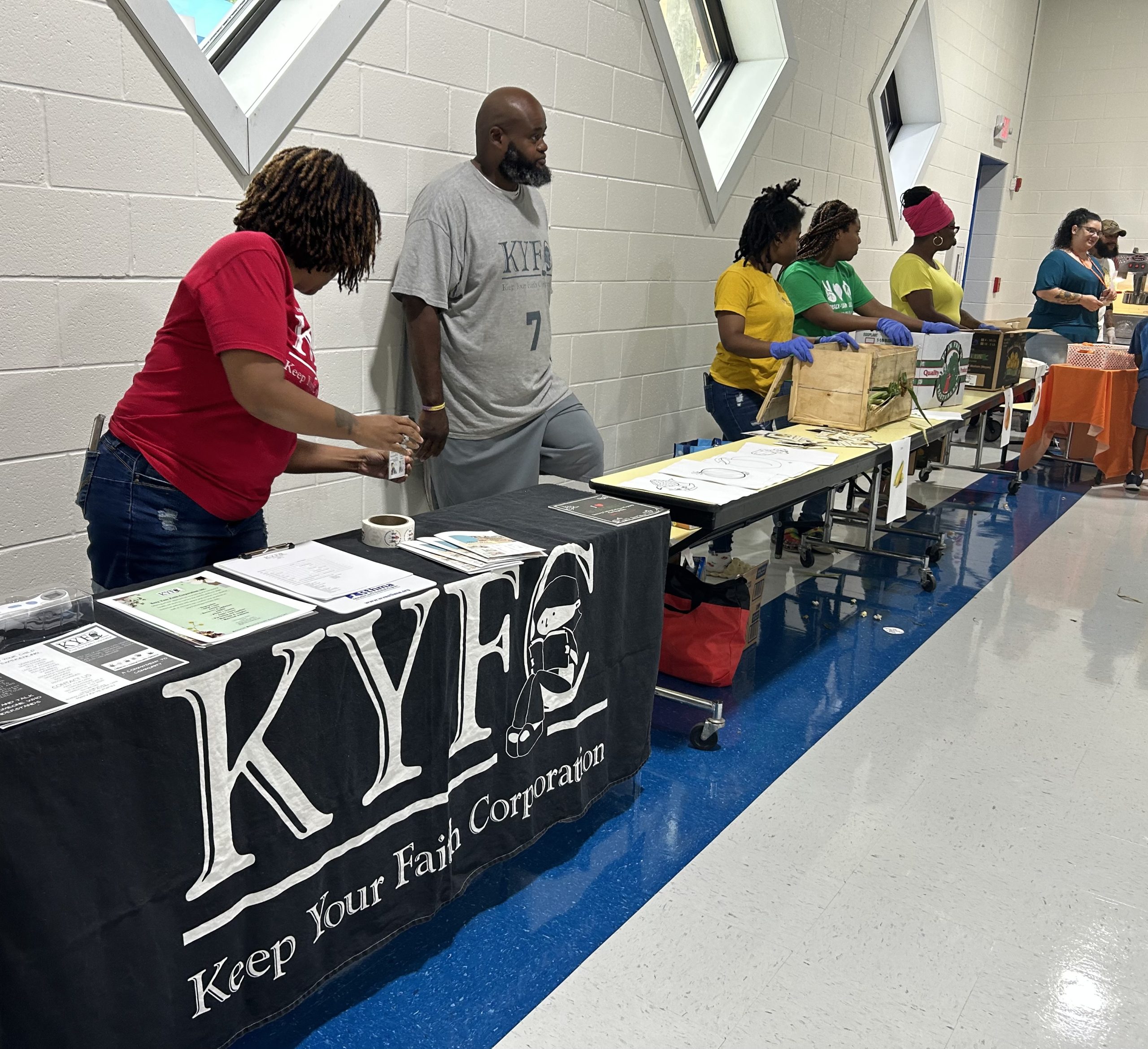
Keep Your Faith is a nonprofit community humanitarian organization in Charleston, working in areas from urban agriculture to youth mental health counseling. Allen said she is contracted through Keep Your Faith, where she was able to open a group practice nearly two years ago.
Children can see Behavioral Health Center staff while they’re out on the playground, or leaving school for the day, which makes them more comfortable divulging feelings and trauma with them, Allen said. Parents picking their kids up from school also have easy access.
For Black and other minority children, Allen said it’s important for a behavioral health clinic to show cultural competence. Their clinic staff represents their communities more than nearly all traditional healthcare settings.
Keep Your Faith is scouting a second behavioral health clinic near Mary C. Snow Elementary School on the West Side, Allen said. Having physical locations nearby Mary C. Snow and Piedmont covers a large percentage of Charleston’s children, as well as the most diverse neighborhoods in the city.
“Having that physical accessibility and visibility has created sort of a more seamless entry point into care,” said Allen. “It makes it easy to just get out of school, and then come over to get your counseling.”
One encouraging sign from the pandemic has been a closer relationship between teachers, schools and outside behavioral health therapists.
“One of the biggest changes that I’ve seen is that schools are providing space for counseling on site,” said Allen.
Schools give space for these therapists to train their counselors, teachers and administrators on how to spot symptoms of mental health disorders, Allen said. This is crucial because anxiety and depression often trigger unusual disruptions in sleep patterns, changes in appetite and gut health.
Virtual interactions through social media and other online platforms also affect today’s youth in a bigger way than most people think, Allen said.
“Most of our kids are on screens all day long,” Allen said.
But children have shown to better develop healthy relationships if given good social guidance, and regularly engage with mental health clinicians.
“Interestingly enough, in my experience most high schoolers – middle schoolers too –are receptive to self care practices. So I think it’s important to have those conversations and be transparent,” she said.
West Virginia children face tough times ahead, as trends of poverty, substance abuse and health outcomes do not indicate positive development in the near future. But devoted community members have shown they can provide informed treatment to children and families who are suffering, if they are given the resources and trust.