Coalfield Development organization works to repurpose land and reclaim community in Mingo County
By Vanta Coda III, RealWV
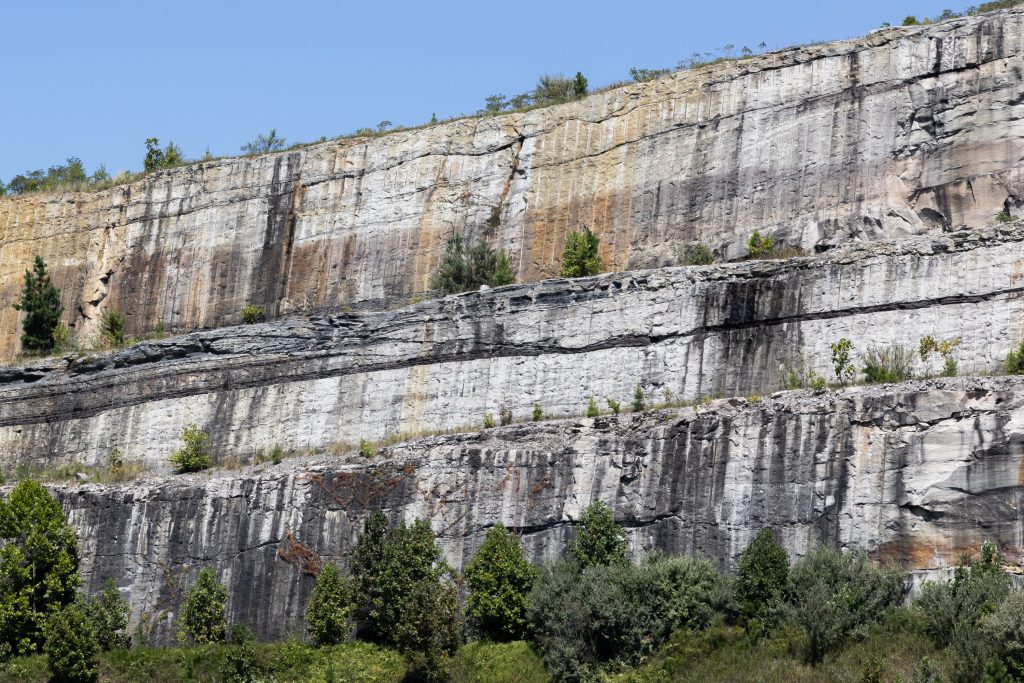
Southern West Virginia’s abandoned strip coal mines are being repurposed into agricultural avenues with the assistance of the non-profit organization Coalfield Development.
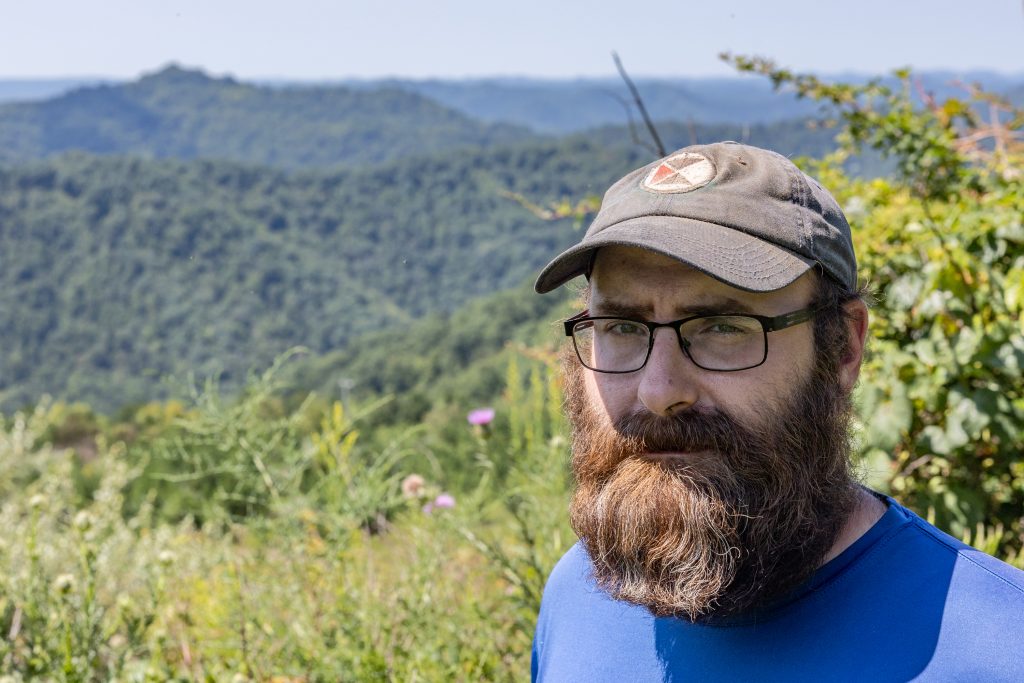
This n recruits workers who have faced job insecurity and lack of work due to the region’s economic challenges. Kaleb Hanshaw, the Associate Director of the Reclamation and Remediation division, has overseen the group’s Highwall Project Farm, one of the most notable reclamation efforts based in Mingo County.
“When we first got up here it seemed very quiet, there wasn’t even the sound of birds in the area, it was totally unrecognizable to what it is today,” said Hanshaw . “But once we implemented our agriculture to amend the soil and put livestock on the property to help graze invasives, it took off.”
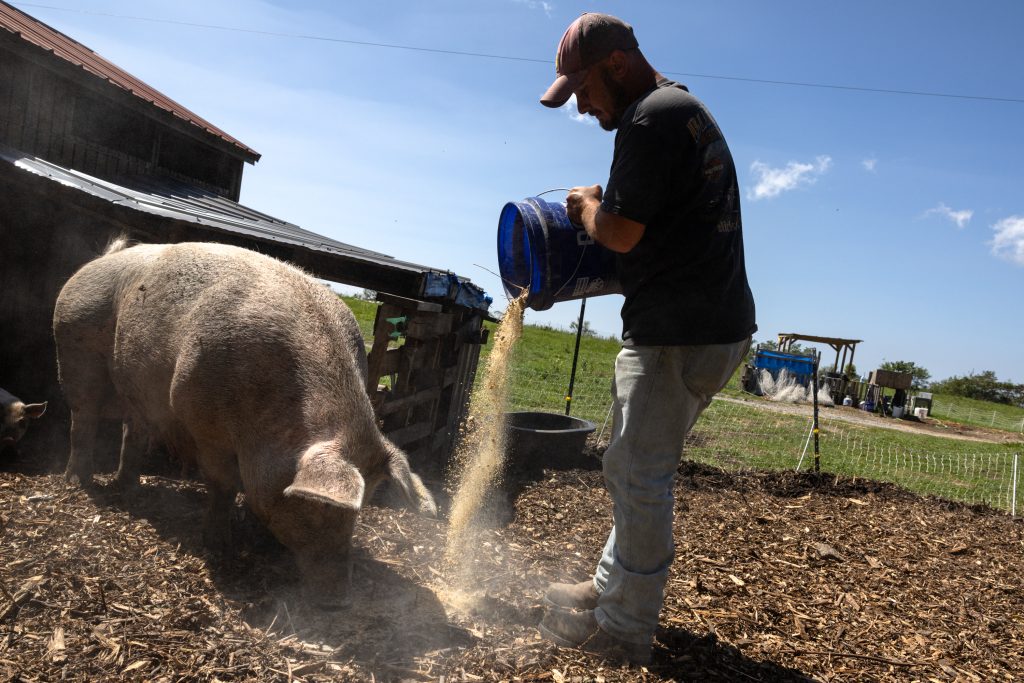
Within the last five years, Hanshaw and his team have harvested approximately 60,000 pounds of produce from approximately 9 acres of the property. They have also reduced the impacts of invasive plants, emphasizing the regeneration of native species.
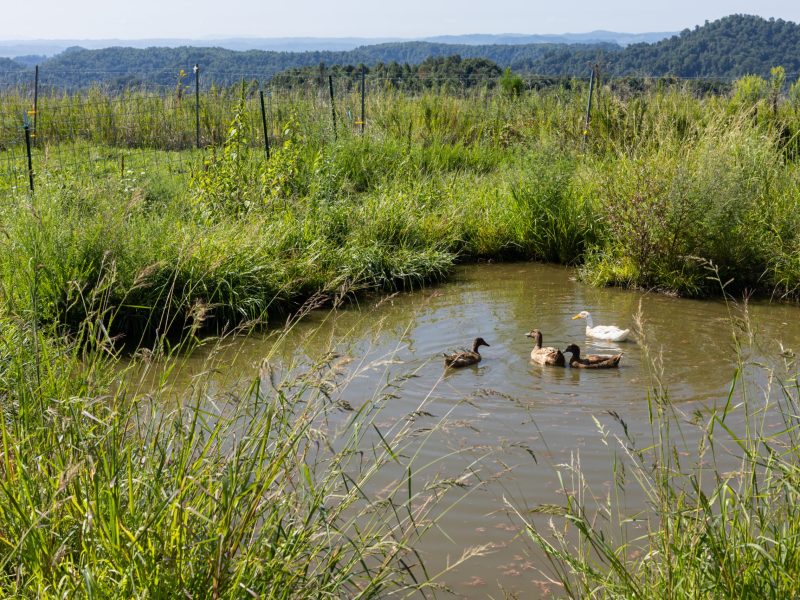
“With these mine sites, the natural waterways are damaged when the mining process happens, leaving for water to pool in odd places around the farm,” said Hanshaw. “But we learned from this and have used a variety of permaculture and other techniques to control where the water is pooling.”
Workers such as Steven Spry and James Damron have felt the pressures from the decline of the coal mining industry, and now are eager to support Coalfield Development’s efforts to reclaim mine land as a positive step forward.
“I was introduced to Coalfield from a different program, back then I had gotten into trouble and within my four years working for them I have gotten my Associates degree as well as getting many certifications helping put my life back on track.” said Spry. “A lot of people just need that structure that Coalfield gives you, and for a lot of people it’s not what they’re used to; it is either going to work or get fired.”
For workers like James Damron, who used to work for a nearby coal mine, employment through Coalfield Development was comparatively quite the opportunity.
“I had worked in the coal mines, and due to some things I was thinking about doing with my life, I decided that wasn’t for me,” said Damron. “I wanted to be at home more, so when Steven told me about Coalfield I thought it was a good deal. 33 hours a week sounded a lot better than the 60 I was working.”

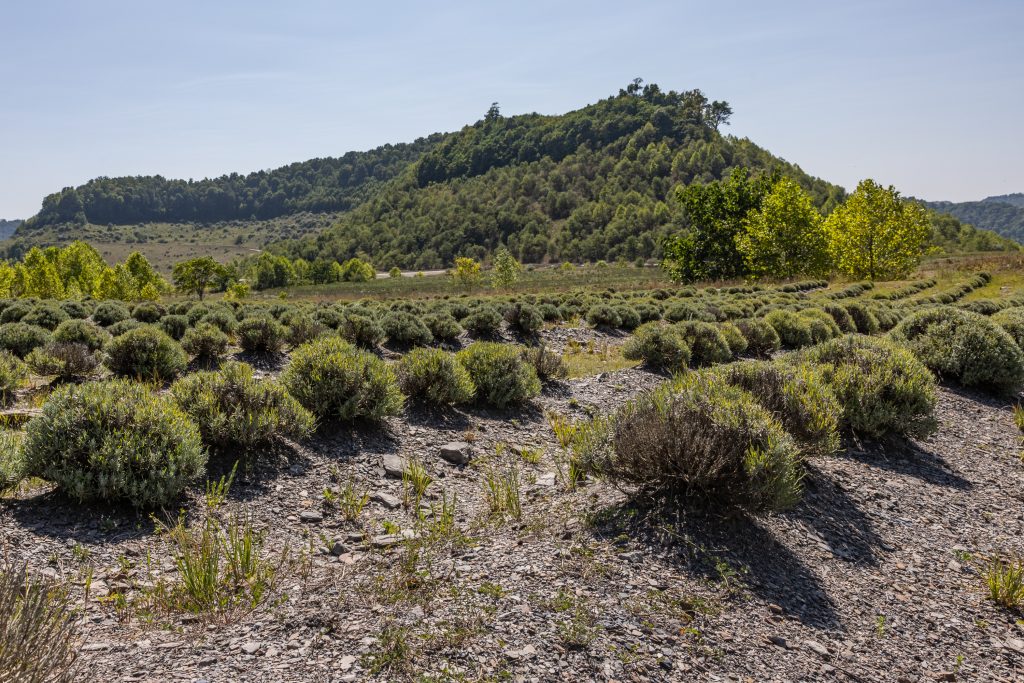
Coalfield Development has another significant mine reclamation project called Ashford Farm, a lavender farm in Boone County. This farm, which encompasses hundreds of acres of rocky terrain, is the largest lavender farm in West Virginia.
After the Appalachian Botanical Company managed the lavender fields for several years, Coalfield took over the management of lavender harvesting. Many of the original lavender management team, including Assistant Crew Chief Charles Bowman, continue to work on the property as employees of Coalfield.
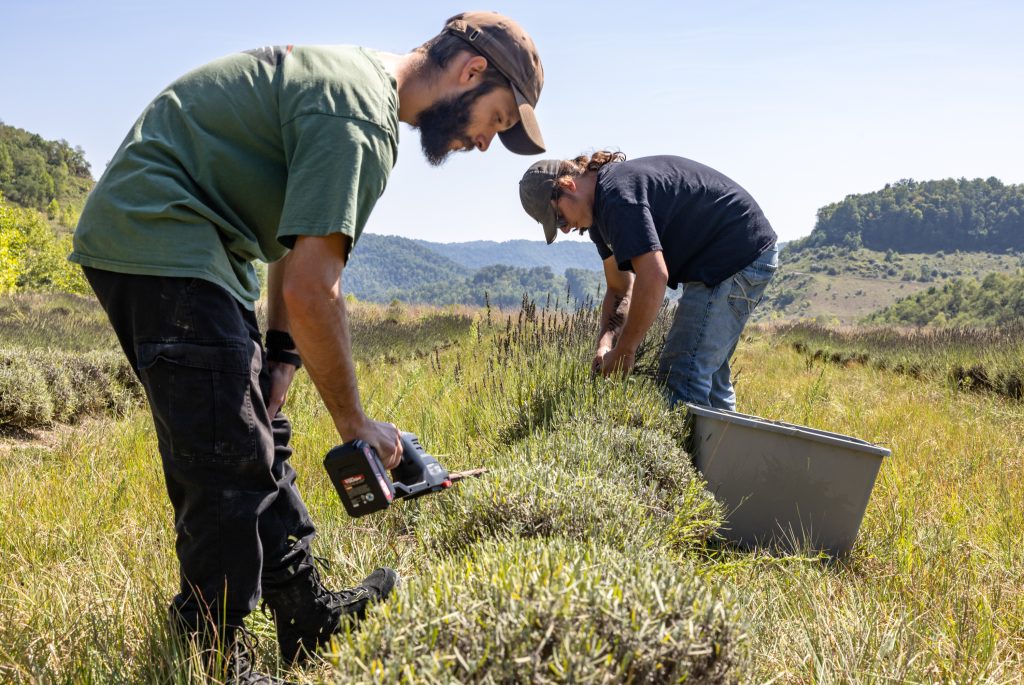
“I’ve never heard of lavender, never fooled with it, anything like that, but the more I worked the more I liked it, because I was outside,” said Bowman. “Even though with this recent transition of management, me and the few that stuck around, I couldn’t be more than happy with the Coalfield management of the property.”
The Ashford farm plans to invest in a lavender harvester to keep up with the demand for harvesting, and also intends to introduce livestock to help rehabilitate some of the rocky terrain into usable agricultural land.
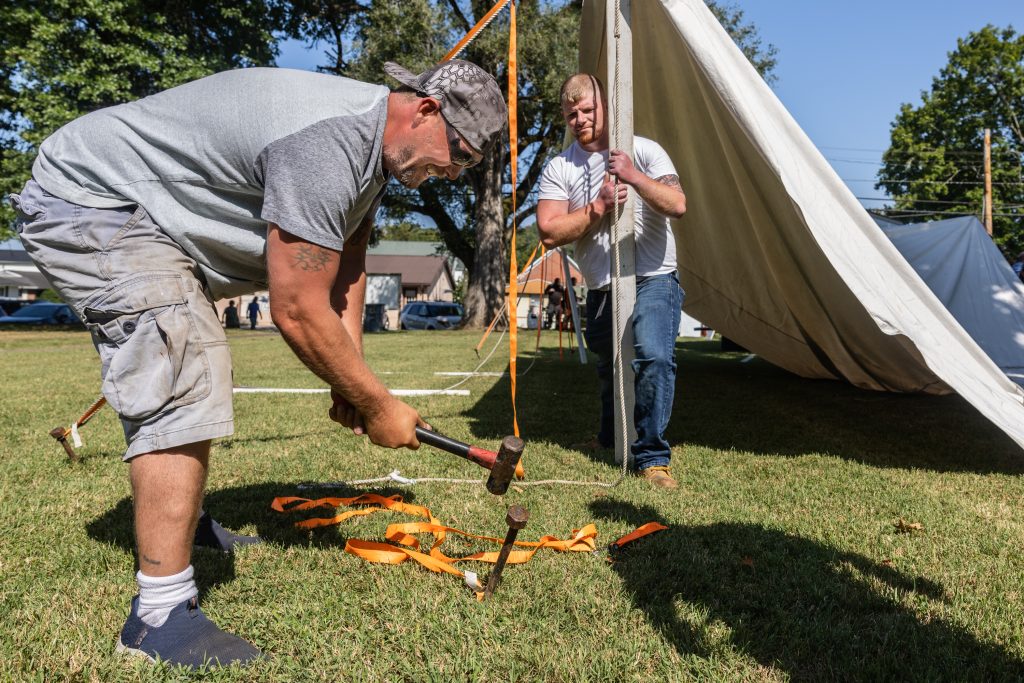
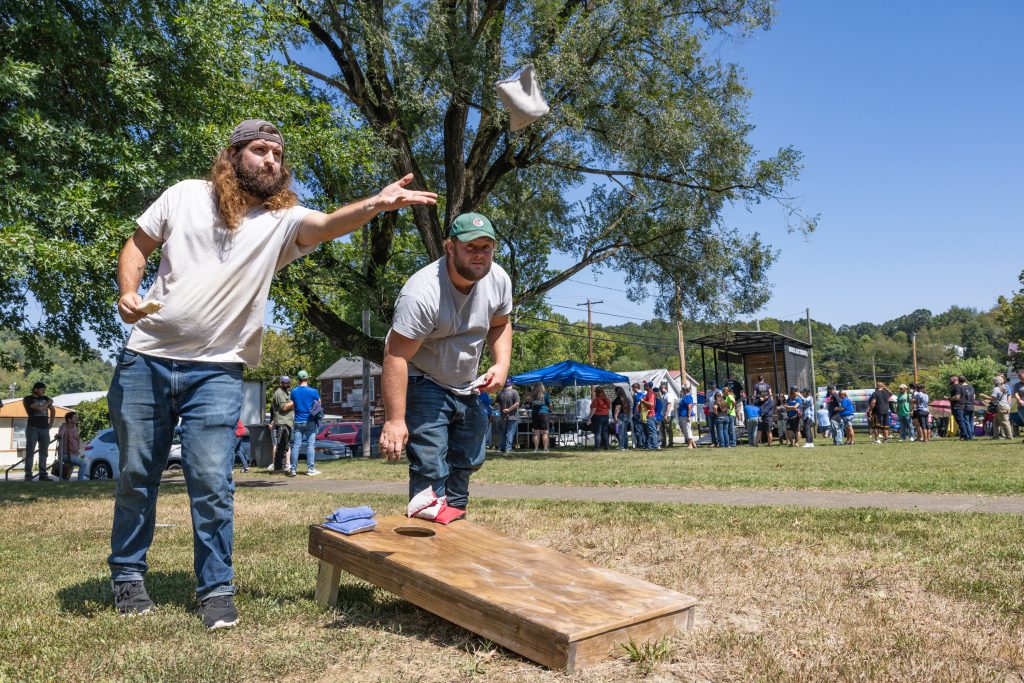
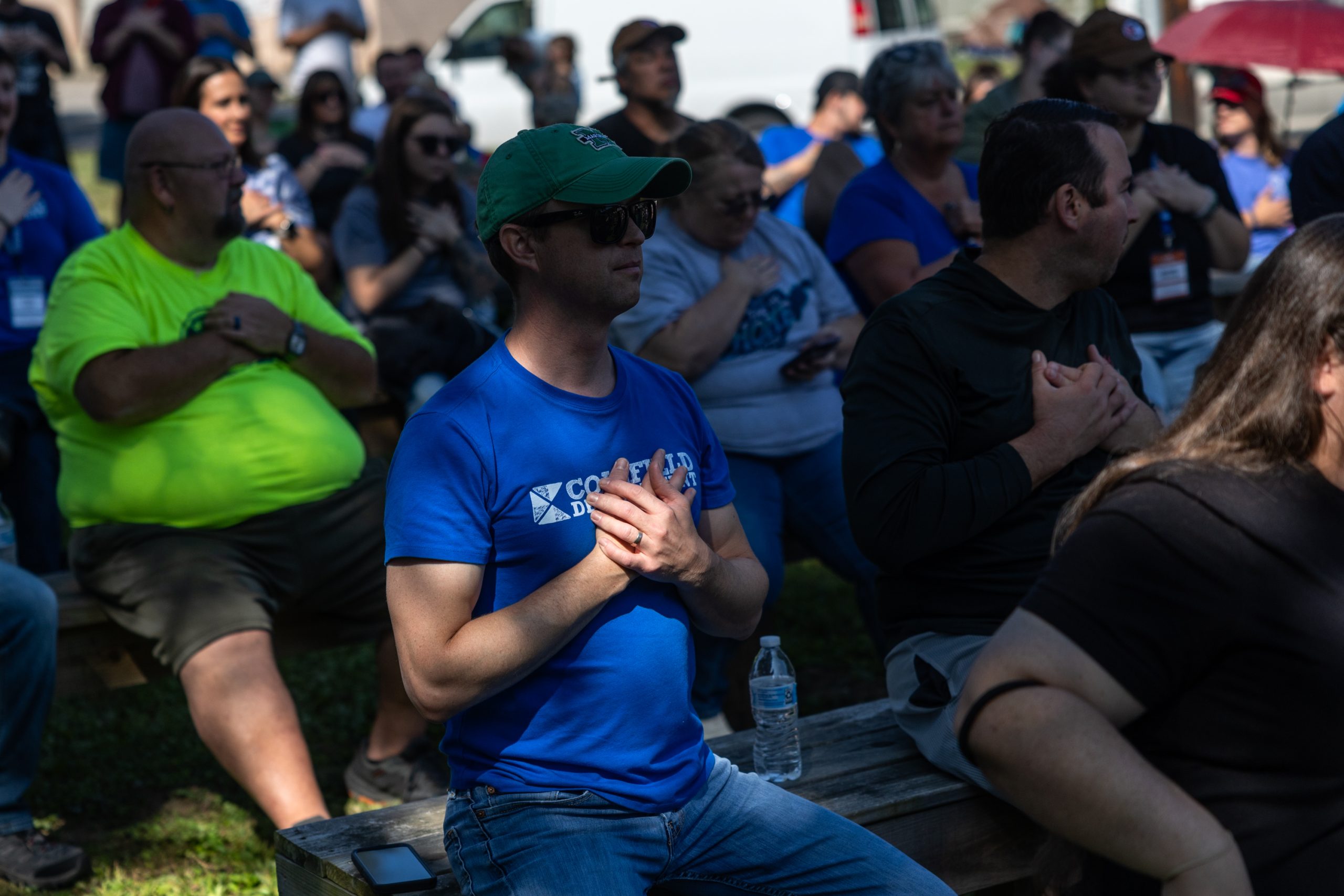
On Friday, August 23, Coalfield Development held its annual Labor Day event in Fort Gay, WV. The event celebrates Coalfield Development’s accomplishments, recognizes and welcomes new members, and congratulates those who are moving on to other opportunities.
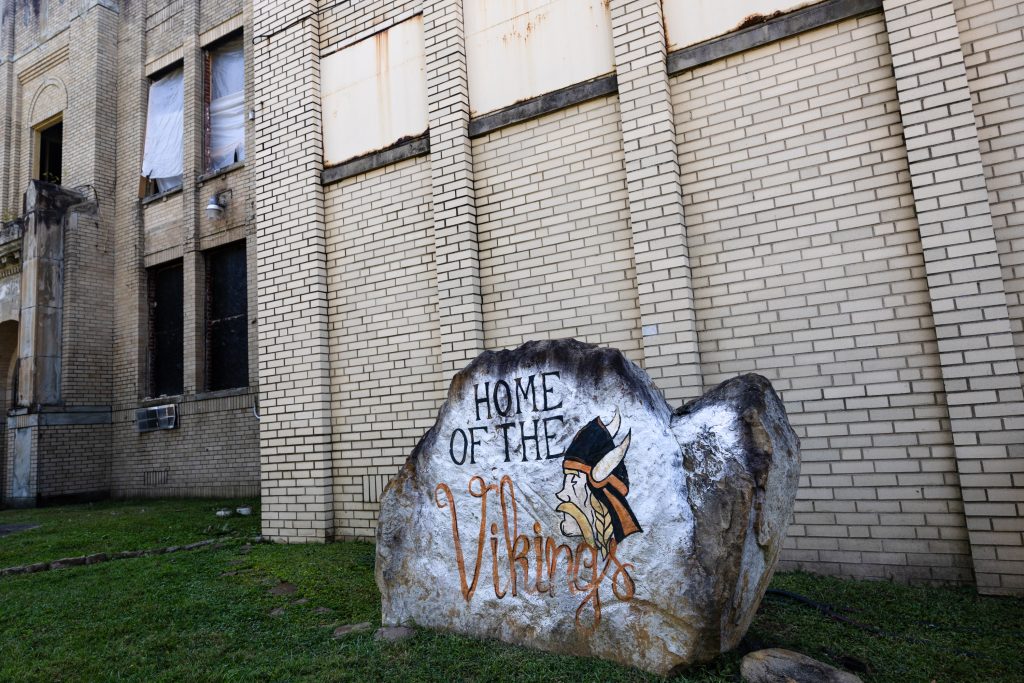
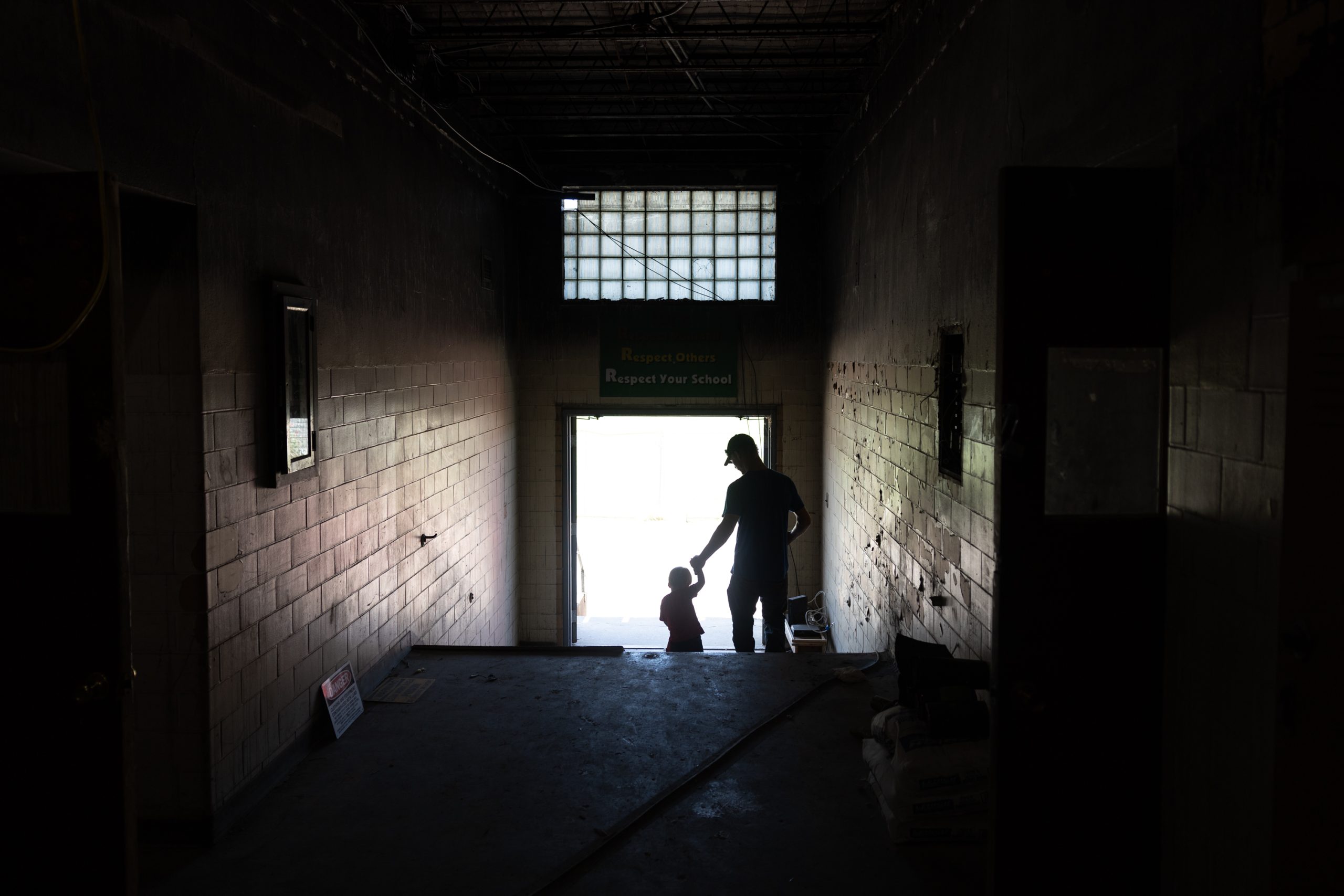
Also during this event, community service acts took place. The workforce participated in a town cleanup, picking up litter and tidying street corners. Meanwhile, the Revitalize Appalachia division made renovations to Fort Gay High School, which had been previously abandoned.

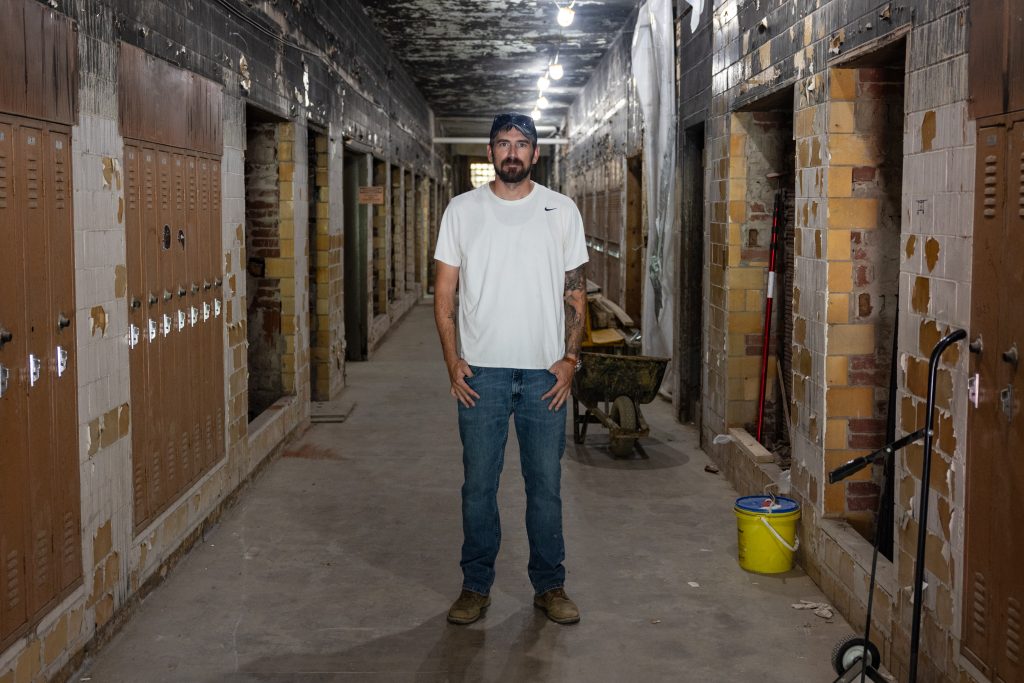
Jay McFeeley, Senior Project Manager, has overseen the high school revamp project since its conception. The team intends to repurpose this space for community use.
“We have done extensive repair to the building, and have made some great progress from the four years we have been working on it, but we still have a way to go before we can have our first tenants up on the second floor,” said McFeeley. “You just don’t see buildings like this anymore.”

With help and supervision from the Wayne County Community Design Innovations, plans on converting Fort Gay’s old high school into the Fort Gay Community Complex, The school will be converted to space for town offices, a radio station, classrooms for the local community college, and a farmer’s market. The gymnasium and stage area will also be available for community events.
As Coalfield Development celebrates its 14-year anniversary this coming Labor Day, a cause for celebration is also in order for the lasting betterment commenced by the organization’s impacts to local livelihoods, landscapes, and communities.