The difficult crossroad of the West Virginia apple
By Vanta Coda III, RealWV
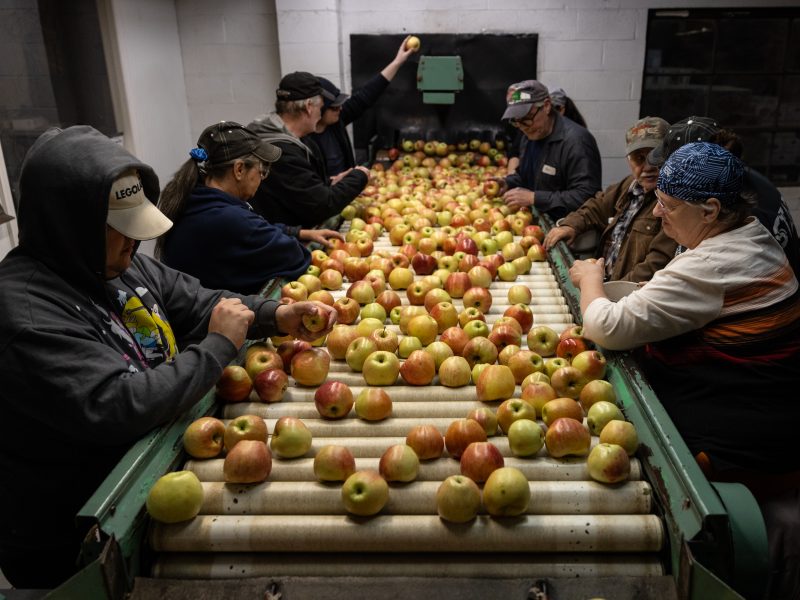
Over the past three decades, American apple producers have experienced significant decreases in profits and changes in the national and global apple market due to international imports, recent tariffs, and rising wages of H-2A workers. Now for four years in a row, another high-yield apple harvest is in full effect on the United States East Coast, which leaves many orchards wondering where to sell their influx of apples. In the case of West Virginia apple growers located in the Eastern Panhandle region, they look towards their state for selling their produce.
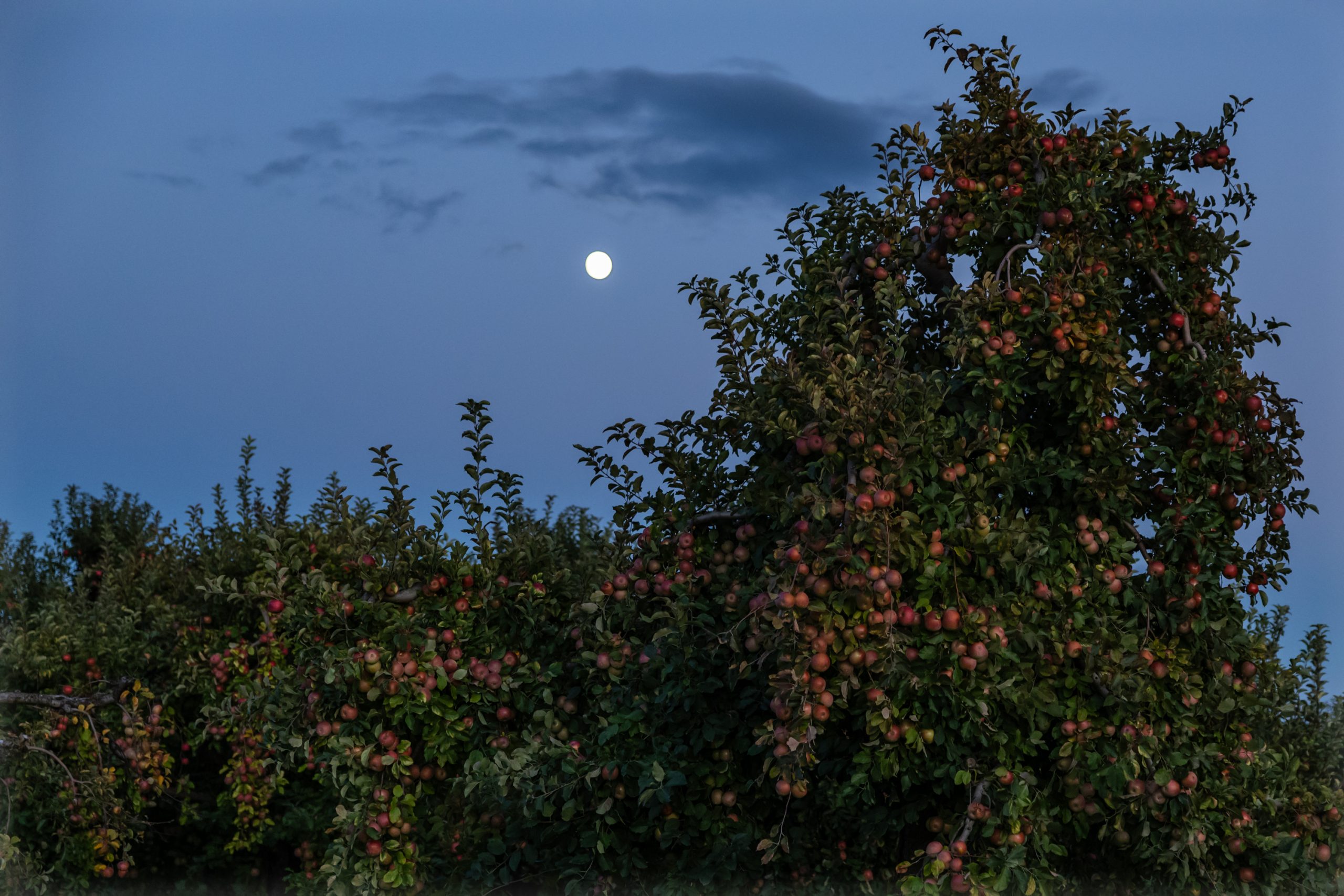
The Eastern Panhandle of West Virginia is known for its rich history of apple cultivation along the Shenandoah Valley apple-growing range. The first orchard in the Eastern Panhandle was planted in 1851 by William S. Miller in Gerrardstown, WV. Miller is considered a key figure by West Virginia’s Humanities Council, in propelling the national apple industry into a commercial American staple. Following this, the orchard industry expanded in the Eastern Panhandle, reaching over 200 orchards at its peak in the mid-1900s and becoming a centralized hub for apple production across Maryland, Virginia, Pennsylvania, and West Virginia.
Today, however, there are only a handful of orchards remaining.
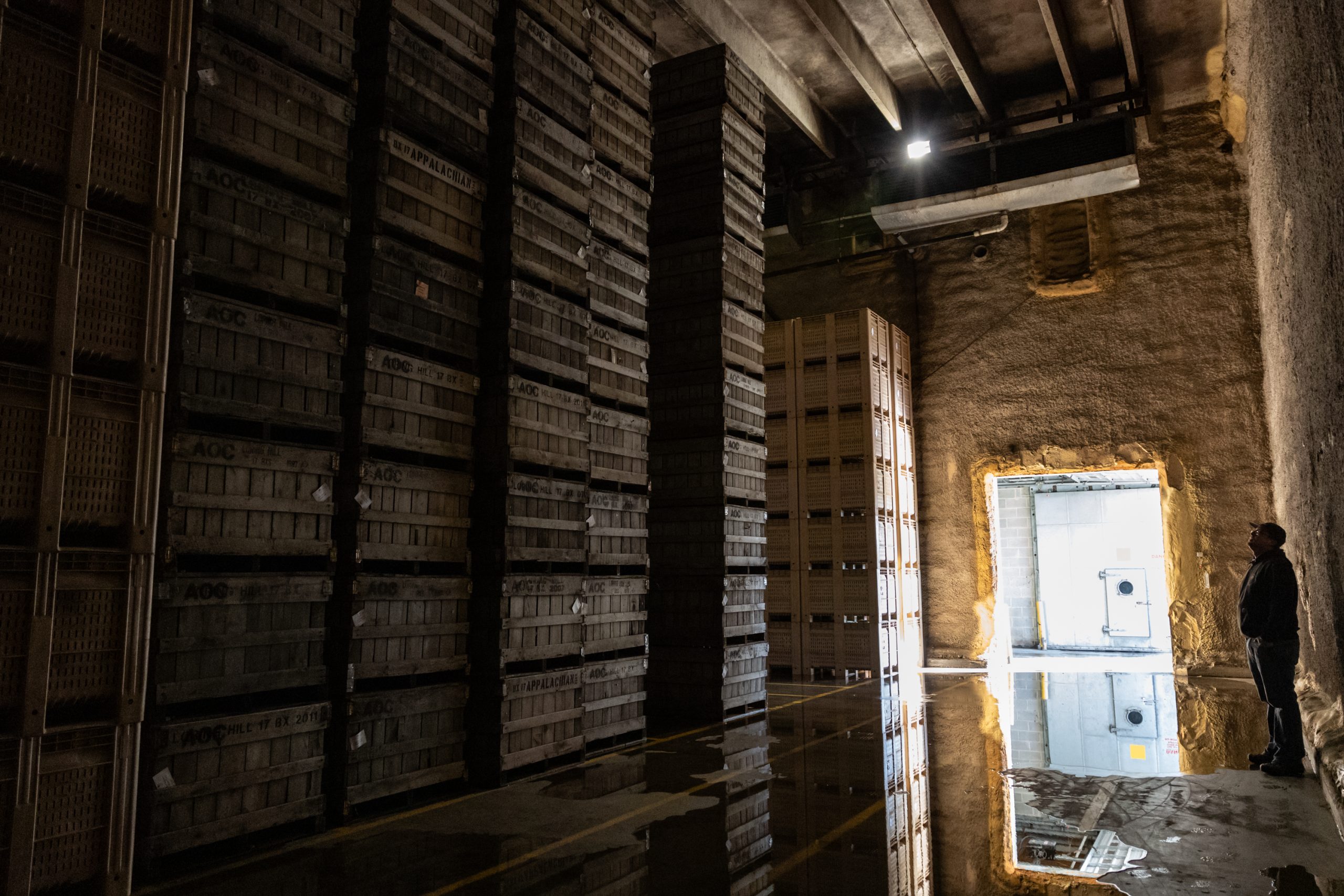
Some remaining orchards in the area include the Orr family orchards. Established in 1954 by George S. Orr Jr. and Juanita A. Orr, their family became one of the leading apple producers in the tri-state area.
In 2018, the Orr Orchard was divided into two parts by Mark and Mike Orr. After the passing of Mark Orr in 2020, Don Dove and Katy Orr-Dove took over the operations of Orr’s Orchard and Farm Market, and Mike Orr stepped aside to allow his daughter, Julie Bolyard, to run the Appalachian Orchard Company. With newer heads of the Orr companies, both families seek ways to navigate the ever-fragile apple market.
“Many of the fruit growers here have traditionally been apple growers, they would take their apples to any processor in the region and claim whatever they could for them. However, due to cheaper international imports of juice concentrate, that is no longer affordable,” said Bolyard. “Also, for the most part, people eat less apples today than what they did back then.”
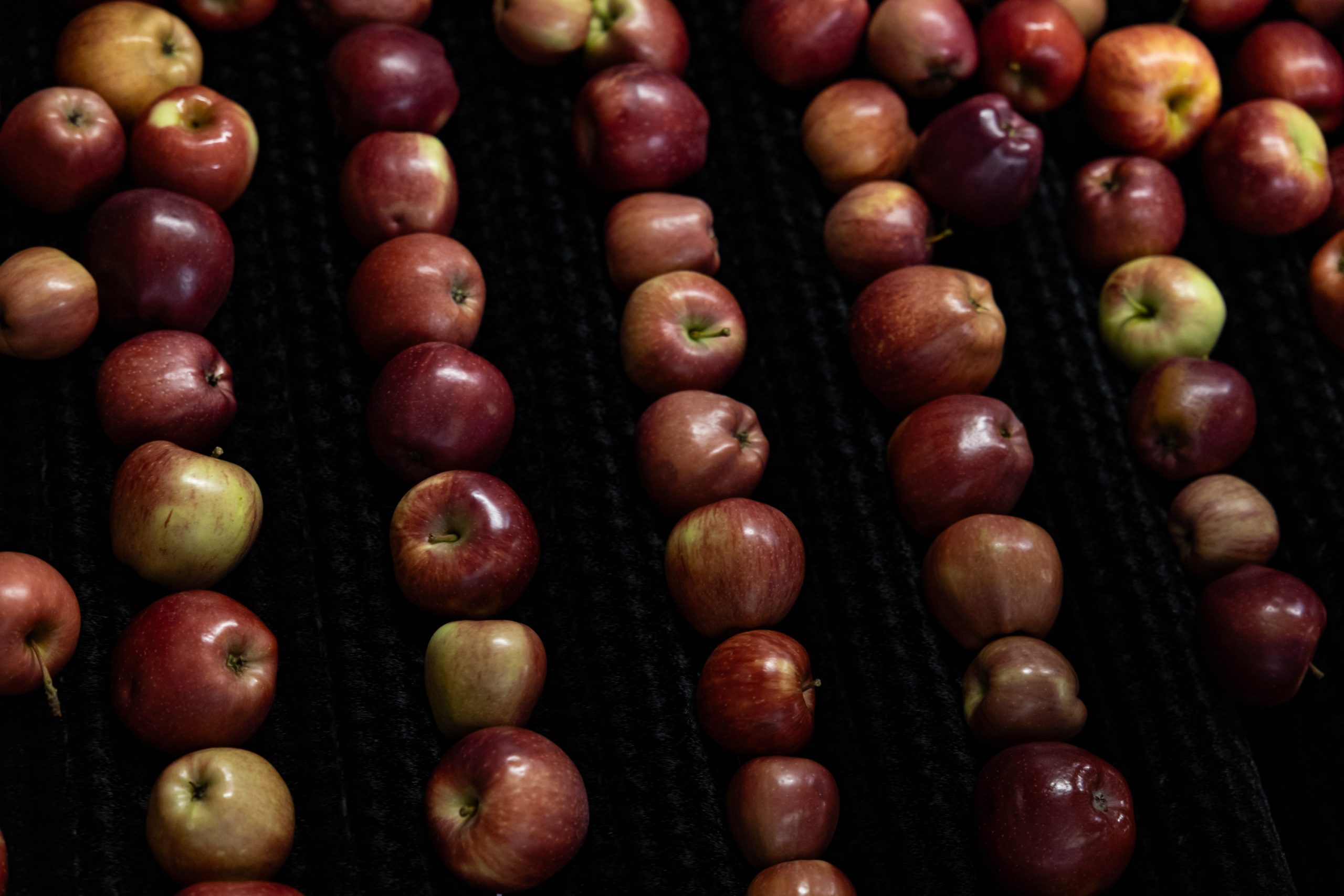
The significant decrease in apple consumption can partially be attributed to the increased variety available in grocery stores. According to a study by the United States Department of Agriculture (USDA) spanning from 2007 to 2021, 50-60% of the fresh fruit sold in grocery stores is imported from international sources. This not only impacts public consumption but also affects the importation of large quantities of apple juice concentrate.
A report from USapple revealed that in 2022, the United States imported 457 million gallons of apple juice concentrate.
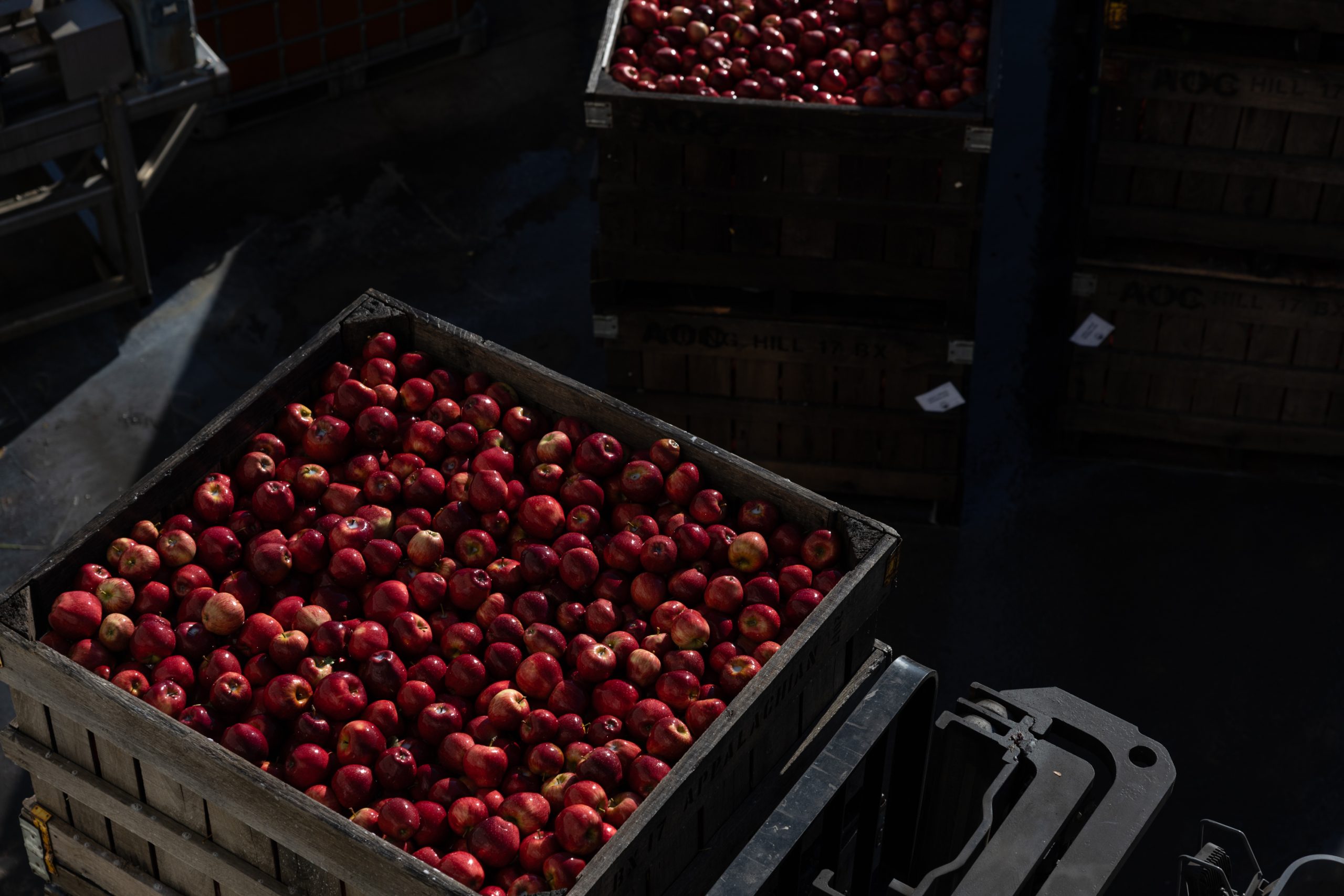
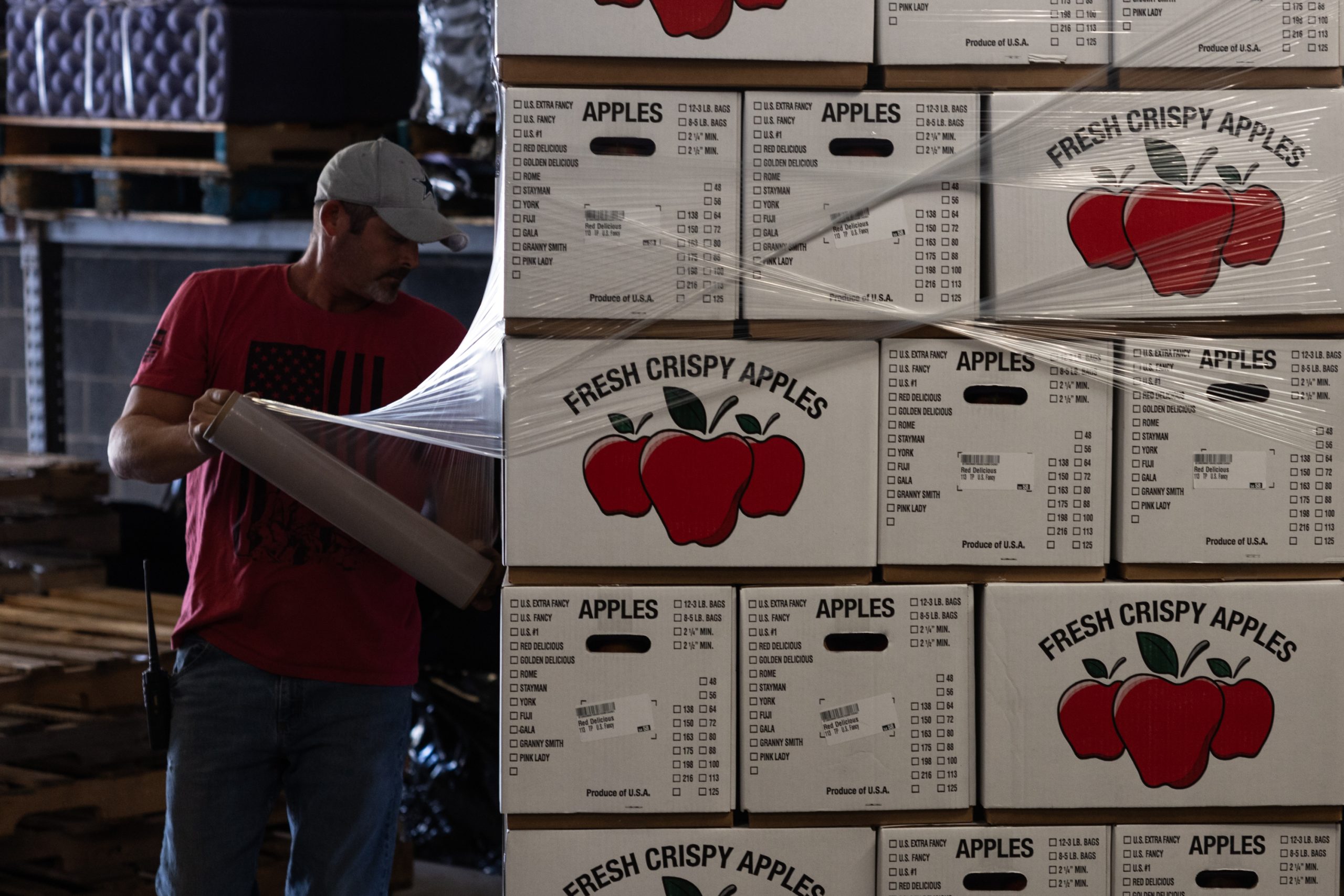
“Recently we had a couple of processors go out of business, which has created this kind’ve perfect storm of what to do now and for a lot of apple growers in this area on what to do with their fruit,” said Bolyard. “For the last couple of years, there has been an oversupply of apples, so the state of West Virginia has come in two years in a row now and purchased quite a large amount of apples and distributed them throughout the state as well as the United States.”
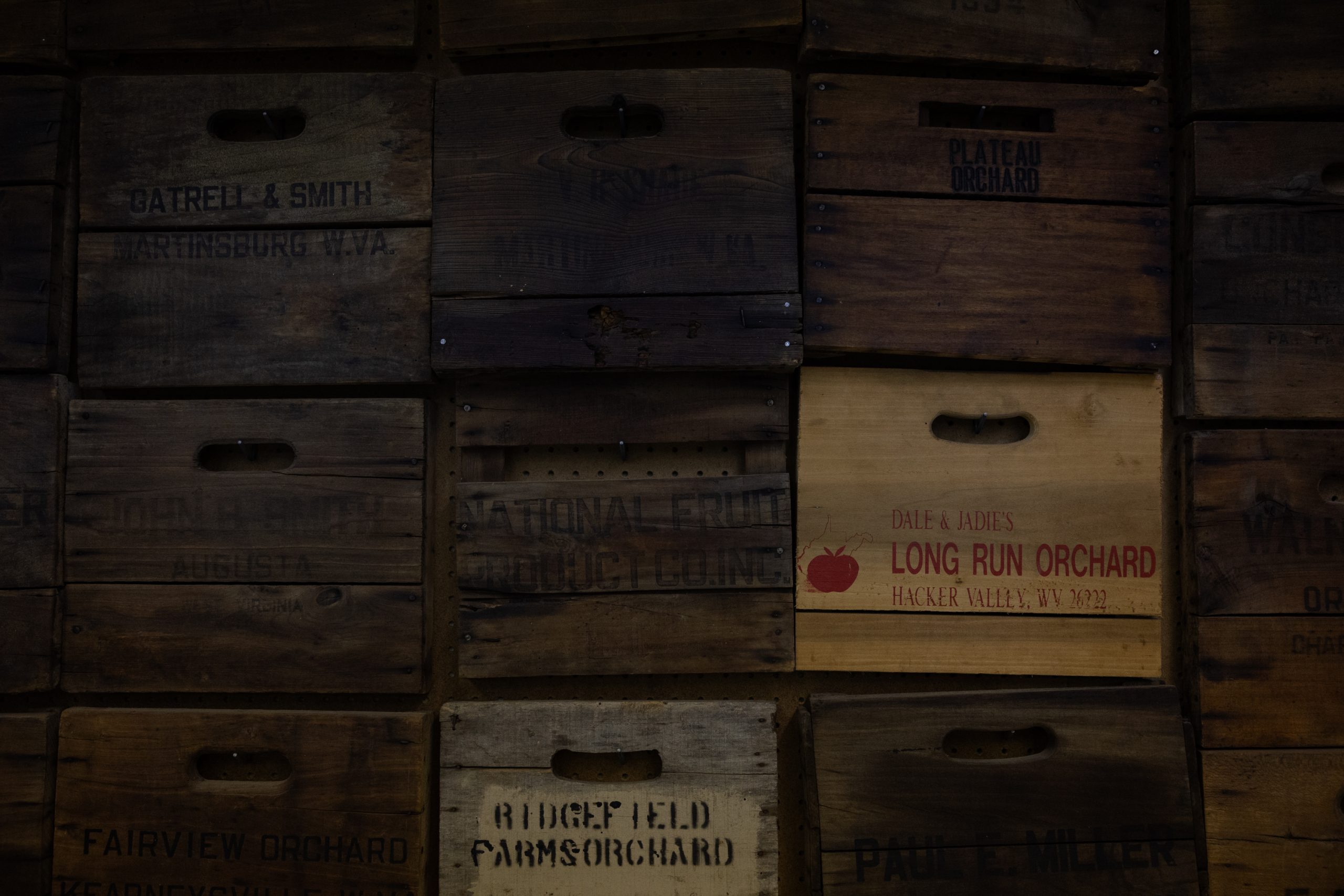
In 2023, Senator Joe Manchin (I-W.Va.), and Kent Leonhardt, West Virginia Agriculture Commissioner, secured a relief program through the USDA to purchase $10 million worth of West Virginia apples. In 2024, Sen. Manchin and Commissioner Leonhardt secured an additional $3.1 million in relief funding from the USDA to help West Virginia apple growers once again address the ongoing oversupply issues in the region. West Virginia is the only state within the tri-state region of Virginia, Maryland, and Pennsylvania to receive funding in terms of a USDA relief fund under their state.
Even though this funding has helped orchard owners for two years in a row, there won’t be a USDA relief fund for the 2025 apple harvest season in West Virginia. Christopher Daniel, Appalachian Orchard Company sales representative, expresses that this news has the industry feeling under pressure.
“There’s not a lot of people that can’t keep footing that bill without any relief system, as long as they’re the only entity,” said Daniel. “I know a producer here in Berkeley County last year, he said he was done until the West Virginia relief fund started. That kept him going another year, but this year they told us we’re able to give you some money and next year we will have to figure something out’. Unfortunately for this guy, it’s been something he has been doing for 30 to 40 years which he’s going to have to hang it up because he can’t afford to do it for a loss anymore.”
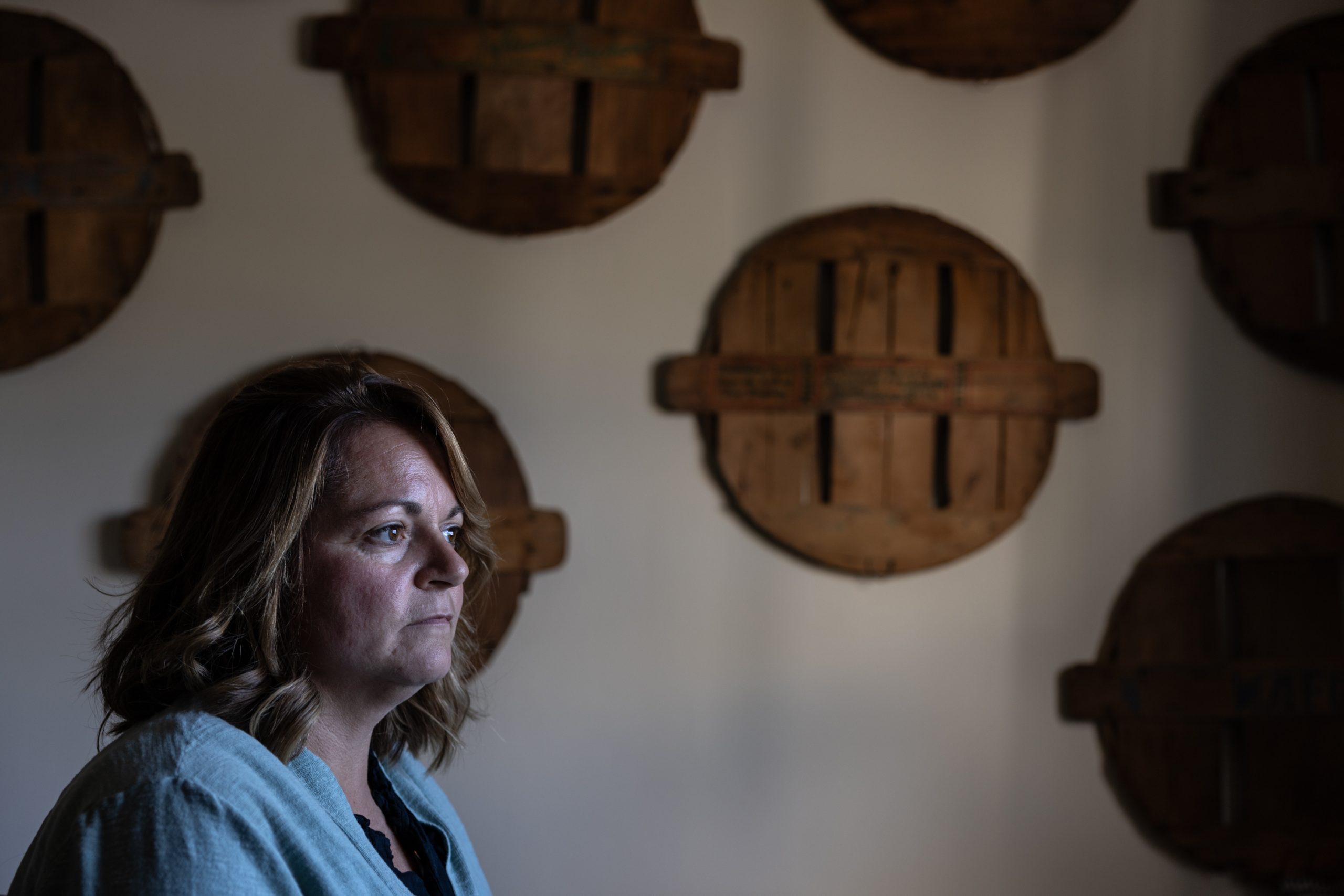
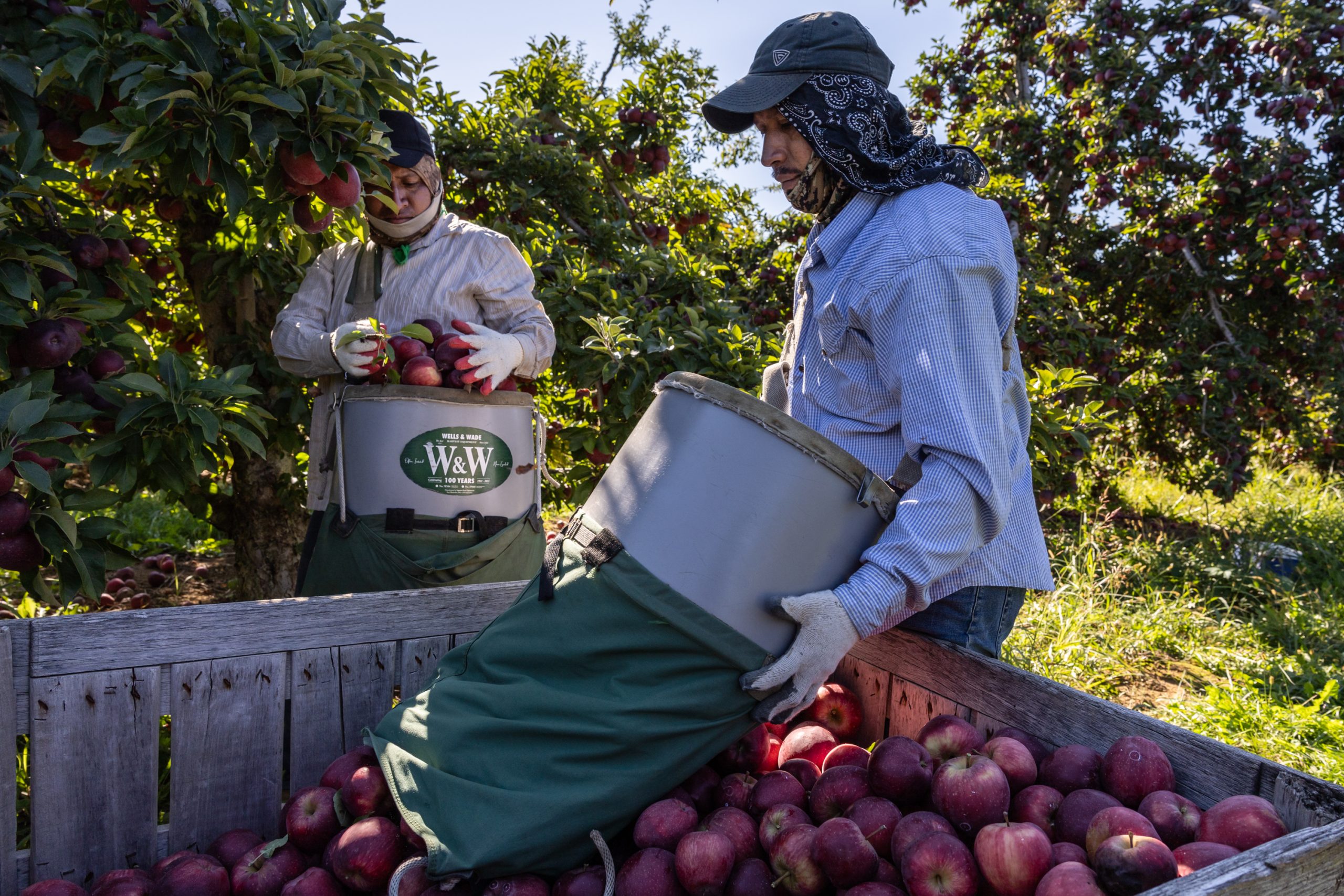
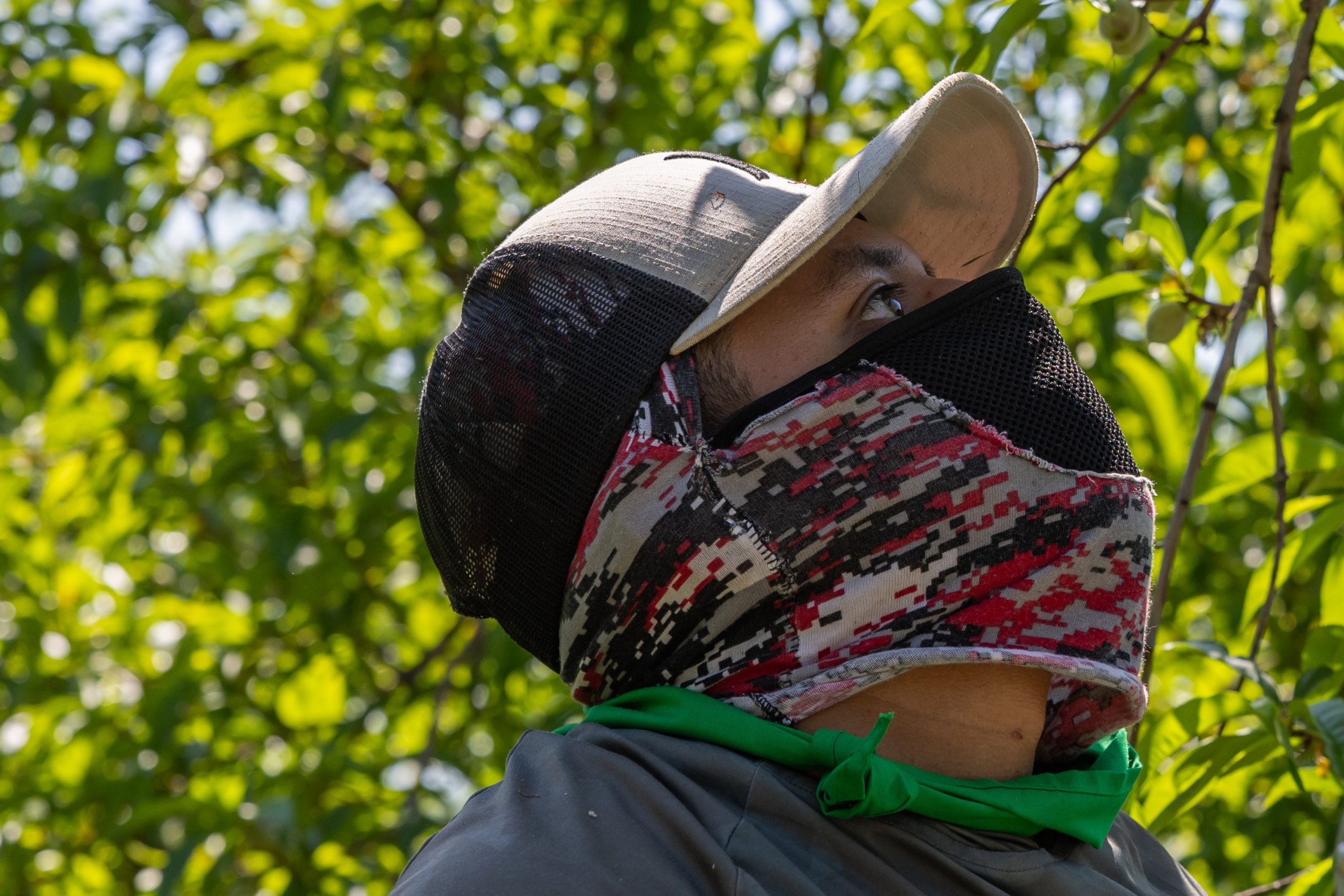
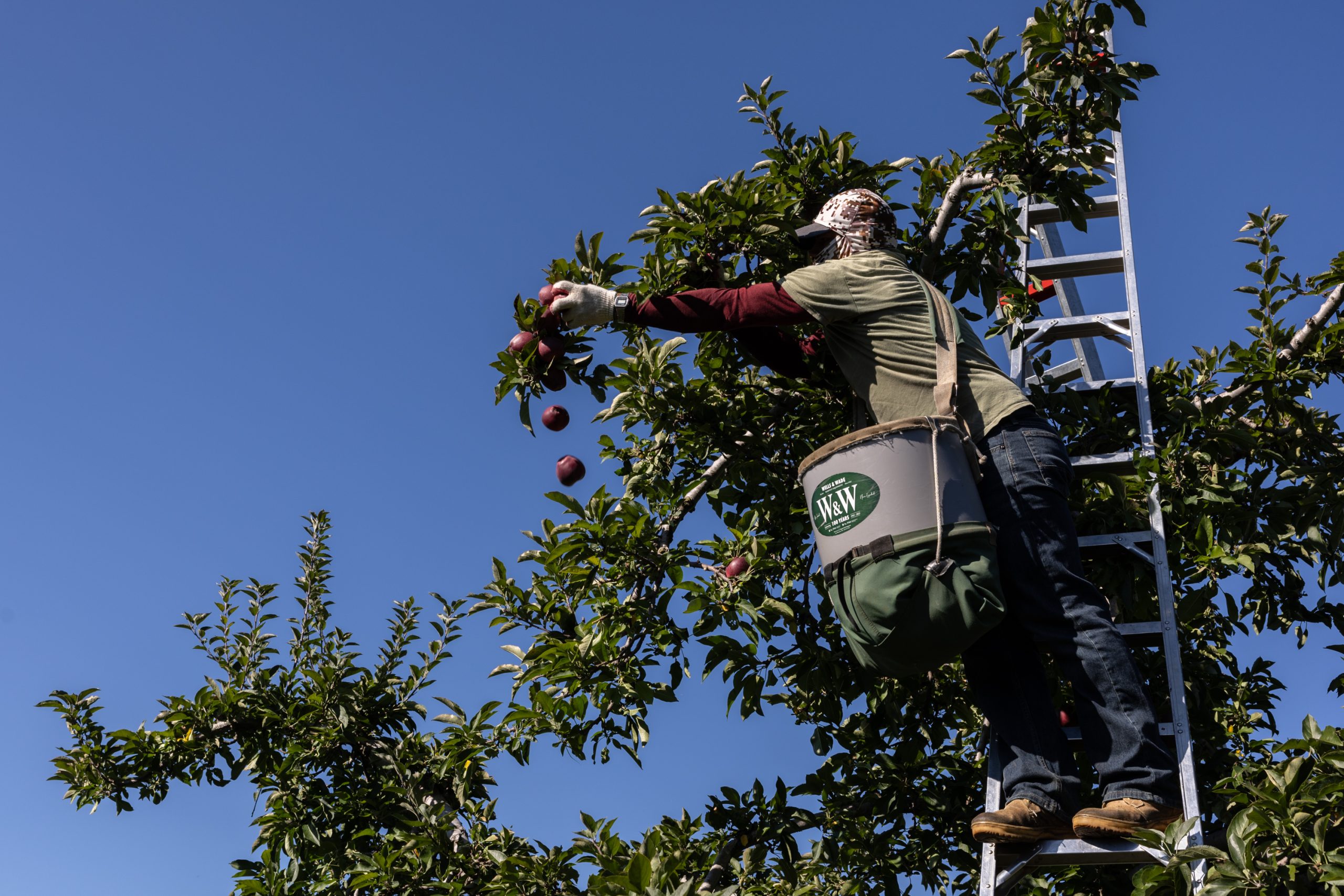
Within the United States apple industry, many producers are finding it difficult to also find local labor for orchard and pack shed work, but with help from the H-2A Temporary Agricultural Workers Program from the United States Citizenship and Immigration Services (USCIS), it has allowed U.S. employers who meet regulatory requirements to bring foreign workers to the United States to fill temporary agricultural jobs.
According to the American Farm Bureau Federation, states have seen a 20% wage increase of $1 and $1.24 per hour, and about 50% of states in 2024 will have an hourly wage between $17 and $19 in regions like the West Coast, Northern Midwest, and North Eastern states. Don Dove of Orr’s Apple Orchard and Farm Market is worried about the wage rate increase because a majority of their workforce relies on H-2A workers.
“We’re in a tri-state area, if Maryland is just 10 minutes away and is paying more than West Virginia, there’s a good chance that next year the guys who are working for us now will look towards Maryland to work there instead,” said Dove. This means states will have to compete against each other based on the wage they can offer their H-2A workers. West Virginia has one of the lowest hourly wage rates in the 2024 H-2A Adverse Effect Wage Rate Index, starting at $15.14 per hour among the 50 states and 16 territories that are on the index.
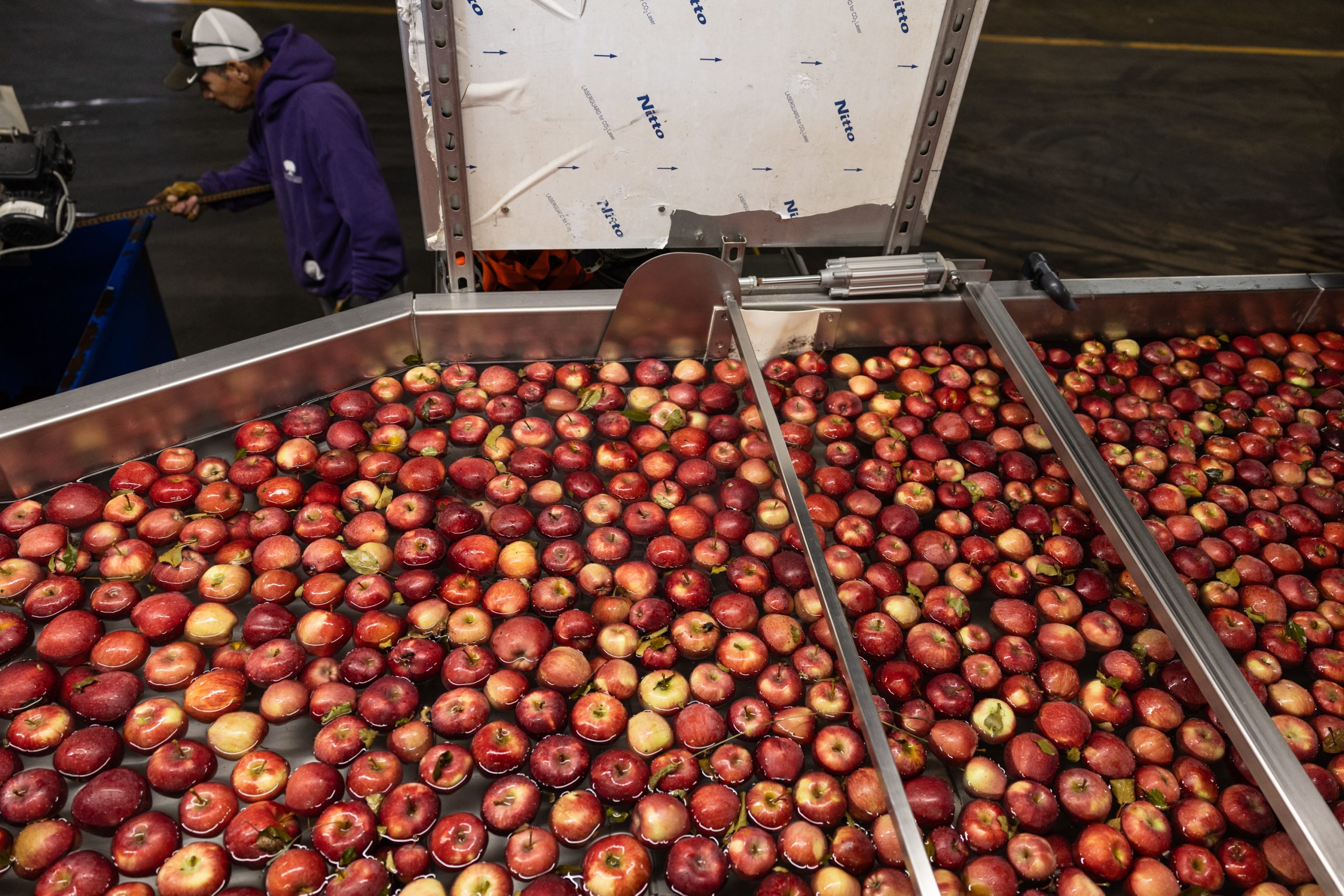
The Appalachian Orchard Company and Orr’s Orchard and Farm Market have stated their desire to hire local workers in addition to H-2A workers. However, because local workers must receive the same wages as H-2A workers, despite often having less experience, this discourages the orchards from hiring local workers.
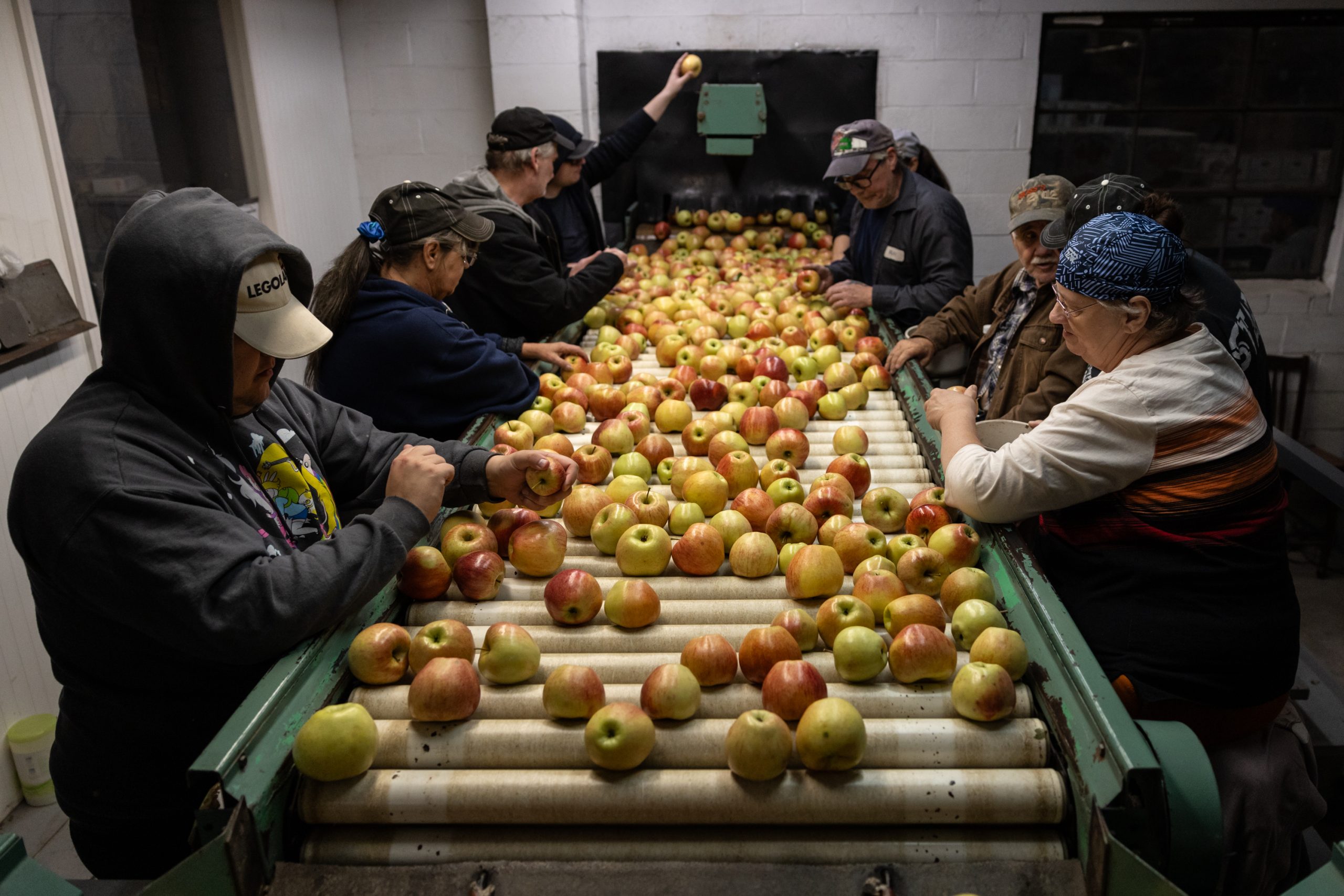
“Unfortunately H-2A eliminates any entry-level positions within the community, so we’re not able to hire a high school student that knows nothing to train, because we’ll have to pay them the same amount of money as we’re paying our high-level H-2A professional farmers that are coming in to farm for us,” said Dove. “This makes it problematic in the fact that it does not allow much room for advancement for an entry-level employee.”
Despite facing challenges, Appalachian Orchard Company and Orr’s Orchard and Farm Market remain hopeful for the future. Announced in April 2019, the USDA created the Fruit Purchase Program to provide a way forward for many producers to help sell large quantities of their crop if they have no other buyers.
“The prices we have seen through the USDA bid program are often lower than what we can get through our normal market channels, so we view it as more of a safety net rather than a primary sales tool,” said Dove.
Even though the American apple industry has seen better days, Appalachian Orchard Company and Orr’s Orchard and Farm Market have garnered a sense of unity among other apple growers during this hard time which hasn’t been experienced in recent memory, both within the region and across the United States.
“We had a meeting a few months back for producers and every producer that I knew growing up in this industry showed up to voice their concerns,” said Bolyard. “I have been trying to get a gathering like that for years and now we are finally coming together.”
“We have never talked to our neighbor up the way in the 20-something years I’ve worked here, but just recently we have been talking about our processes through the seasons and checking in on each other and giving each other tips, I believe that this is a step in the right direction to get needed attention,” said Dove.