Possible elimination of public hearings, and ‘repercussions’ of backing the losing candidate await WV lawmakers next month
By Matthew Young, RealWV
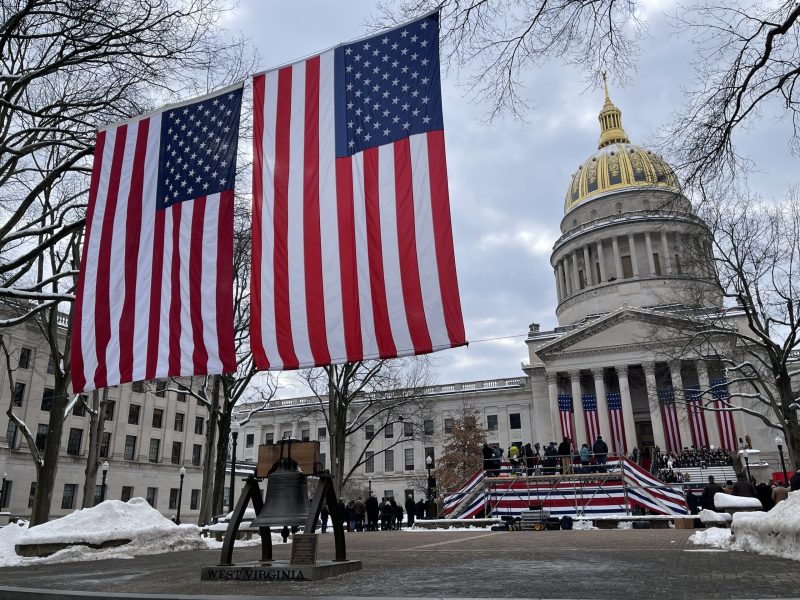
CHARLESTON, W.Va. – Though West Virginia lawmakers may have delayed the start of the 2025 Legislative Session to allow new Governor Patrick Morrisey 30 days to acclimate himself, the controversy, legal challenges, and public outrage is well underway.
The state’s Senate and House of Delegates gaveled-in on Jan. 8 for what was to be mostly ceremonial housekeeping. Both bodies took their oaths of office and elected their leadership, before hearing farewell remarks from now Senator Jim Justice. Pictures were taken, hands were shaken, and members offered full-throated support for once-and-future rivals.
That support, however, was short-lived.
Before the day was done, debate over a House member’s future quickly deteriorated into a full-blown floor fight between Majority Leader Pat McGeehan, R-Hancock, and Minority Whip Shawn Fluharty, D-Ohio. And that says nothing of the 10-day shelf-life of the newly-appointed yet quickly-removed chair of the House Judiciary Committee.
Joseph de Soto and the legalities of House Resolution 4
Joseph de Soto was elected in Nov. to serve as one of Berkeley County’s ten delegates. However, de Soto was arrested less than five-weeks later, after allegedly threatening to kill several of his fellow House members, including House Speaker Roger Hanshaw, R-Clay; McGeehan; Michael Hite, R-Berkeley; Chuck Horst, R-Berkeley; and Bill Ridenour, R-Jefferson.
According to the arresting-officer, de Soto stated that ‘God called him to kill them.’”
House Resolution (HR) 4, which was proposed by Hanshaw and introduced on Jan. 8, called for de Soto to be disqualified from House membership, as he did not appear in the Chamber that day to take the oath of office. HR 4 further states that the Berkeley County Republican Executive Committee should be authorized to nominate his replacement.
Although elected as a Republican last November, de Soto re-registered as a Democrat in December – a registration he still holds. This prompted Del. Mike Pushkin, D-Kanawha, to propose an amendment to HR 4 that would transfer nominating-authority to the county’s Democratic Executive Committee. Despite potentially having the rule of law on its side, Pushkin’s amendment was soundly rejected.
Unlike Pushkin, Fluharty’s objection was to the full resolution. Fluharty argued that the House was violating its own procedures – and the state’s constitution – by acting in such a manner. Though Fluharty conceded that de Soto “needs to go,” he felt that disqualifying de Soto for failing to take the oath, while simultaneously overlooking the eight other House members guilty of the same failure, would result in court intervention.
“We have multiple members who are not here (today),” Fluharty stated. “If you read this resolution and apply it as written, you’re saying that they forfeited their seats. That’s absurd on its face, but this thing (resolution) is full of errors.”
Much as with Pushkin’s amendment, Fluharty’s argument fell on deaf ears, and HR 4 was easily passed as written.
Exactly one week later, the State Democratic Party – which is also chaired by Pushkin – filed a petition with the West Virginia Supreme Court of Appeals, requesting that de Soto be replaced with a Democratic nominee. And while the petition does state that the House “improperly vacated” de Soto’s seat, it makes no effort to have that decision overturned.
As it now stands, the House of Delegates has overruled the will of voters in Berkeley County by removing their elected representative in a questionable manner. And while Democrats and Republicans are currently fighting over the authority to replace de Soto, it appears that no one is working to determine if the rights of Berkeley County voters, or de Soto himself, have been violated.
Brandon Steele’s brief tenure as chair of the House Judiciary Committee
One of those “overlooked eight” was Del. Brandon Steele, R-Raleigh, who, just 24-hours earlier, had been named as the new chair of the House Judiciary Committee.
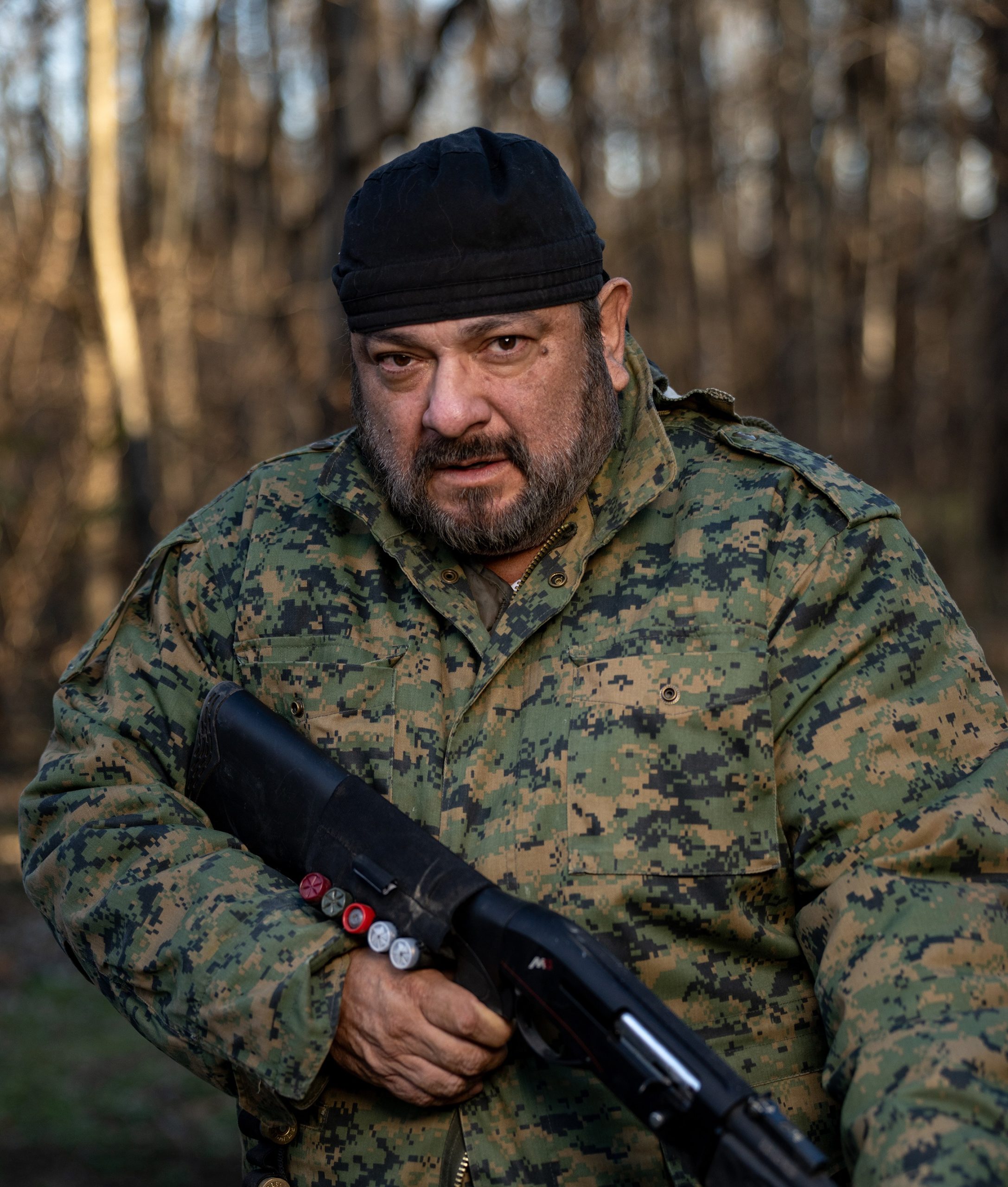
Before the Legislature convened on Jan. 8, news broke that Steele had been the reason for two 911 calls placed on Dec. 23. Steele, an attorney by trade, was reported to have been highly intoxicated, and brandishing “very dangerous” firearms at passing motorists. No charges have been filed.
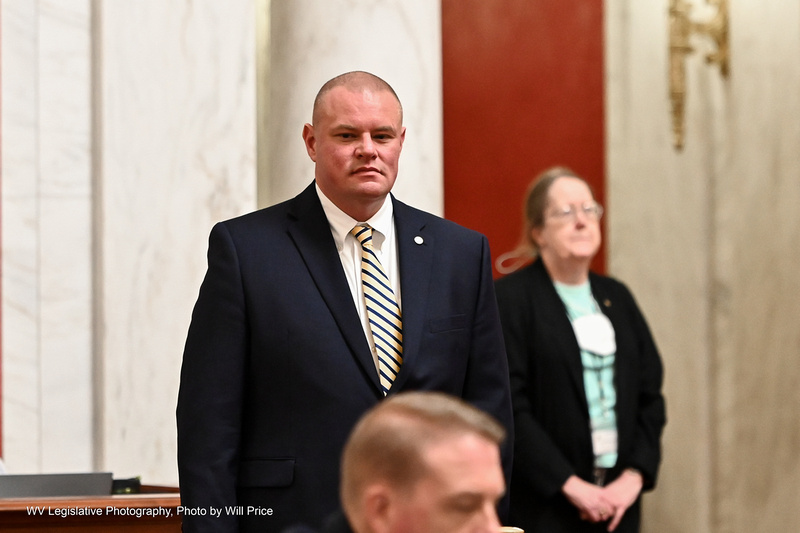
In a one-sentence statement released just 10-days after naming him as chair, Speaker Hanshaw noted that Steele would be relinquishing control of the House Judiciary Committee.
“After recent conversation with Delegate Brandon Steele and in recognition of his need to spend more time focused on matters outside the Capitol building, I’m pleased to name Delegate JB Akers, R-Kanawha, as our Standing Judiciary Committee Chairman for the 87th Legislature,” Hanshaw’s statement read, while failing to clarify whether Steele stepped down from the position, or was removed from it.
New House rules look to eliminate public hearings
Before House members could tackle HR 4, they had to get through 1, 2, and 3 – the first of which, if adopted, would establish the rules governing the House of Delegates.
As first reported on Jan. 16, by Sarah Elbeshbishi with The Mountain State Spotlight, the new rules outlined in HR 1 remove the option for a public hearing to be held in the House Chamber. And while written public comments would now be accepted, the only opportunity potentially afforded to citizens wishing to speak on any proposed legislation would occur on the first day of committee consideration, in that committee’s chamber. And that potential opportunity to speak would be at the sole discretion of the committee chair.
Furthermore, the new rules remove the advance notice requirement for the posting of committee agendas, making it all but impossible for citizens to know which bills would be discussed on any given day.
HR 1 is currently within the custody of the House Rules Committee, and is awaiting their review.
State Senate
Although staring down the start of the Legislative Session with significantly less controversy surrounding them, West Virginia’s senators will have numerous changes to navigate upon their return to Charleston. Gone are longtime members Mike Caputo and Charles Trump, as well as former Senate President and Lieutenant Governor Craig Blair. And beyond just the faces, the Senate’s leadership team has been completely overhauled.
Sen. Randy Smith, R-Preston, has succeeded Blair as senate president. And while the 64-year-old former coal mine safety supervisor openly stated that there would be “no repercussions” for those who opposed his leadership bid, it would appear that most committee chair assignments have been granted to those who stood in support of Smith.
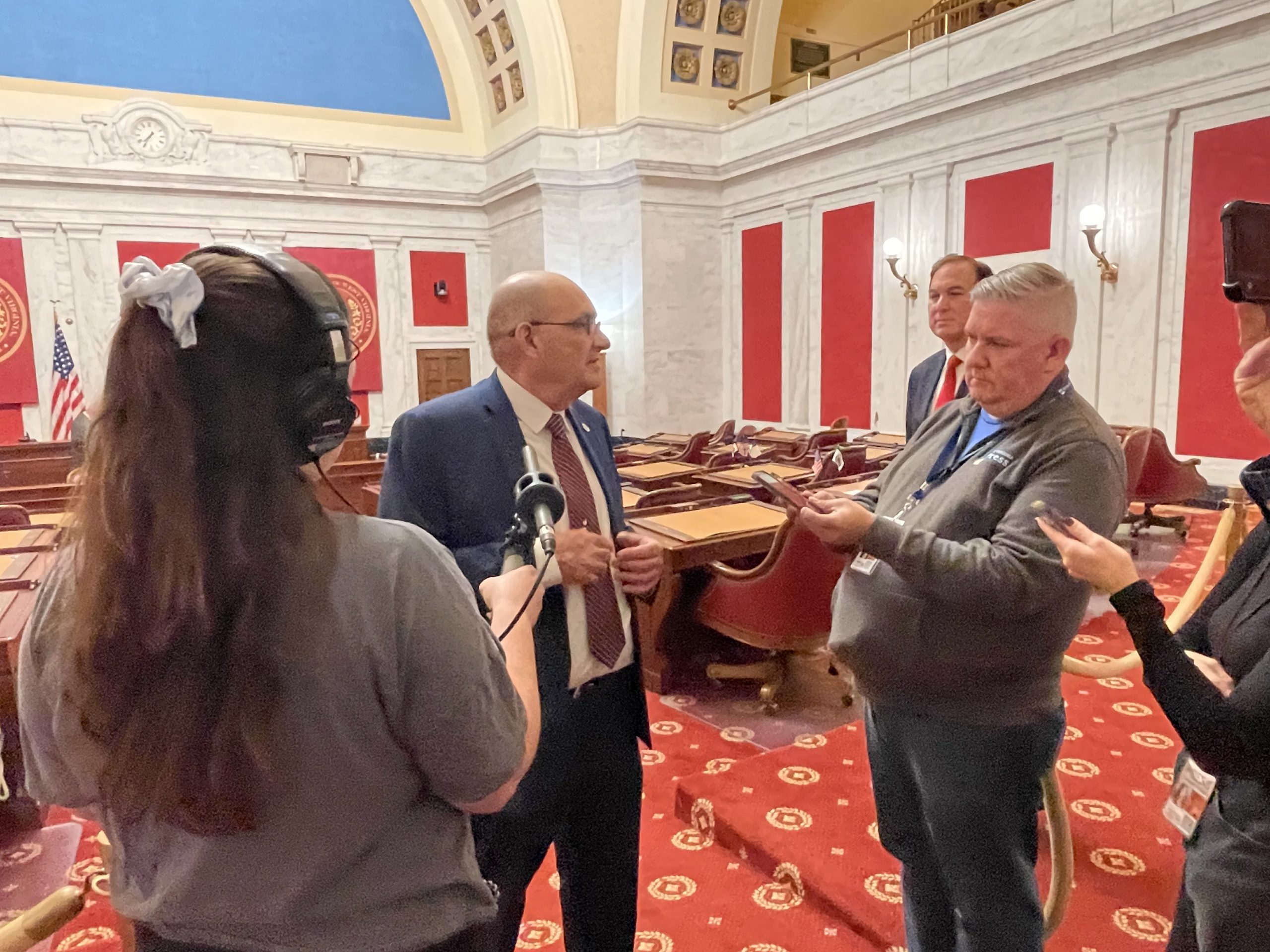
Sen. Eric Tarr, R-Putnam, who ran against Smith for the Senate Presidency, has been replaced as Finance Committee chair by Smith-supporter Sen. Jason Barrett, R-Berkeley. Sen. Rollan Roberts, R-Raleigh, will serve as Barrett’s vice-chair.
Charles Trump, who departed the Senate to serve as a justice on the West Virginia Supreme Court of Appeals, has been succeeded as chair of the Judiciary Committee by Sen. Mike Stuart, R-Kanawha. Stuart, during last year’s failed bid to become the state’s next Attorney General, became the source of controversy when he was accused by State Police Sgt. Cory Maynard’s widow of exploiting her late husband’s death to promote his proposal for a reinstatement of the death penalty.
Senate vacancies
While Joseph de Soto’s now-empty 91st District seat represents the only current vacancy within the House of Delegates, the Senate is down by two members. Districts 17 and 8 – previously held by Eric Nelson and Mark Hunt respectively, and both representing Kanawha County – are currently vacant, as well. Hunt left the Senate after his election as State Auditor, and Nelson has been tapped by Morrisey for a position within his administration. It will be up to the new governor to appoint lawmakers to fill those vacancies, based upon nominations from the Kanawha County Republican Executive Committee.
Both the House of Delegates and State Senate are scheduled to begin the people’s work on Wednesday, Feb. 12. RealWV will provide continual updates throughout the duration of the 60-day session.