‘Grappalachia’ pulls no punches
By Stephen Baldwin, RealWV
Across America, pro wrestling is enjoying a renaissance. The two largest promotions, World Wrestling Entertainment (WWE) and All Elite Wrestling (AEW), account for millions of viewers on television each week. Not to mention billions in revenue.
Here in the hills of Appalachia, a pure form of the art the late-Shirley Love famously called “pro rasslin’” is pulling no punches…and attracting major attention.
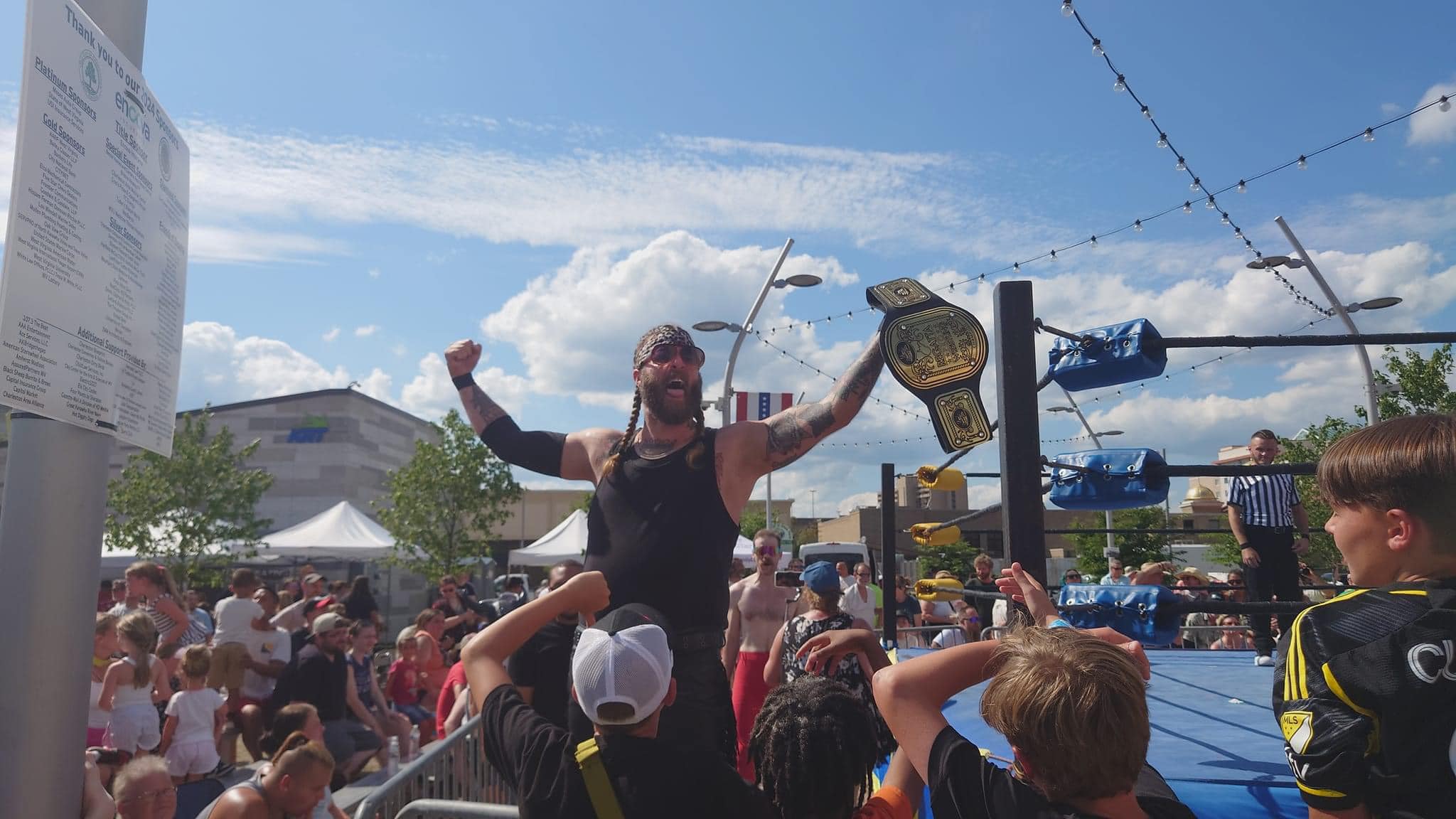
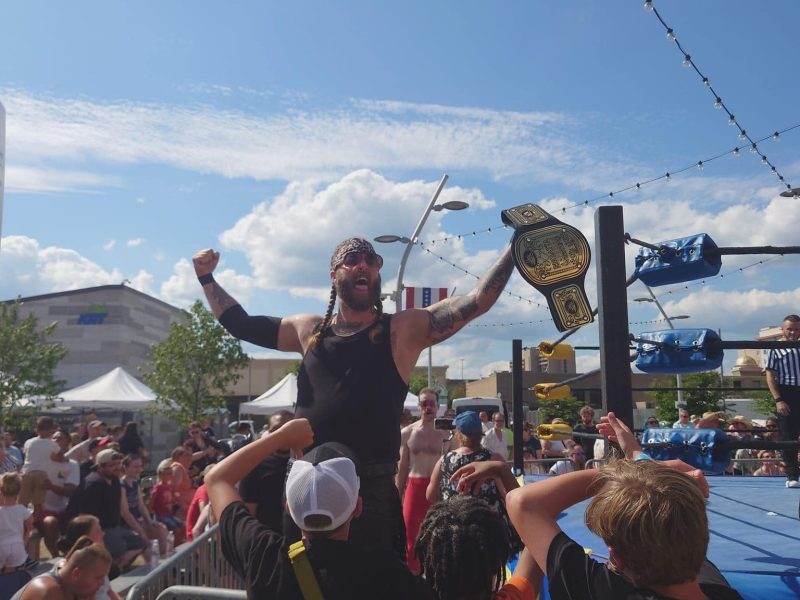
“This is probably the best time there’s ever been for pro wrestling in West Virginia,” says Mike Young, who goes by Bishop Baylor in the ring. “I’m proud to be a part of it.”
‘Grappalachia’ hits public airwaves
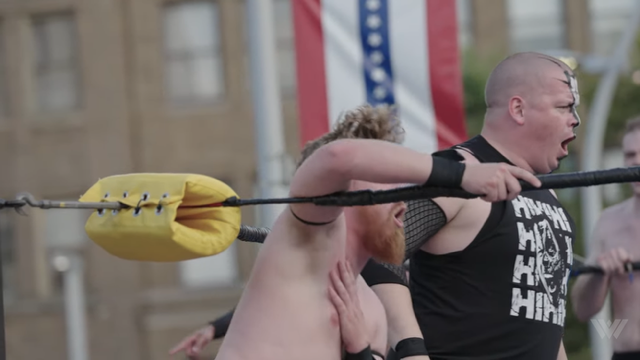
‘Grappalachia’ is a short documentary directed by Troy Rankin of Charleston. It debuted in early 2025 on West Virginia Public Broadcasting and chronicles the current wrestling scene across the state.
“West Virginia is unique,” Rankin says. “Even in down years elsewhere, wrestling has always been strong here.”
“About a year and a half ago, a friend of mine took me to a local show here in town,” Rankin remembers. “I’d been to wrestling shows elsewhere but not here. There’s a guy doing the heel thing (being a bad guy) getting heat, and I looked around and there were a lot of boos. To my left, there was a 65 year old woman flipping him the bird. I was like, ‘This is amazing.’ The buy-in here is unreal. It sparked my interest.”
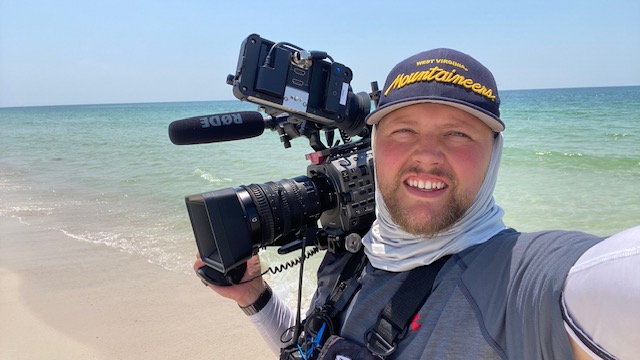
Rankin has vast experience in television, but this was his first time producing and directing. “Being in charge was different,” he jokes. “There are some things I learned. It was a labor of love.”
People thank him for the project regularly across town. “I just saw Adam Harris (who is a ring announcer and an Executive Producer for Mountain Stage). A security guard at the hourthouse stopped him yesterday and told him how good it was.”
To watch the short documentary, visit here. It also airs on WV Public Broadcasting regularly.
The Territories
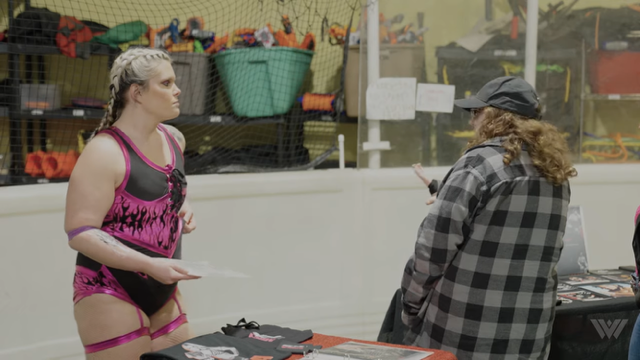
For many years in America, wrestling was run in “territories.” Promoters would run wrestling shows in their own geographical territories. That all changed when WWE grew into a powerhouse. Many of the territories were swallowed up in their wake. But in West Virginia, it’s still largely a territory system with multiple promotions across the state.
In the documentary, Rankin covers All Star Wrestling (based in Logan, WV), Pro Wrestling Conquest (based in Charleston, WV), and Regatta Pro Wrestling (also based in Charleston, WV).
Bishop Baylor also points to Premier Wrestling League Mid-Atlantic in Beckley, WV, and Real Shoot Wrestling in Morgantown, WV, in describing the depth of active territories across the state right now.
He would know. Bishop holds titles in ASW and Regatta, and he’s training for a “dream match” against famous hardcore wrestler Nick Gage in Conquest this March.
“I was very pleased with how Grappalachia turned out,” Bishop says. “It was a good depiction of what West Virginia independent wrestling is all about. It told some of the history in the 1970s and 1980s here, especially in Beckley and other areas, which hosted superstars like The Macho Man Randy Savage. West Virginia has a really big history of independent wrestling.”
Why does wrestling work so well in Appalachia?
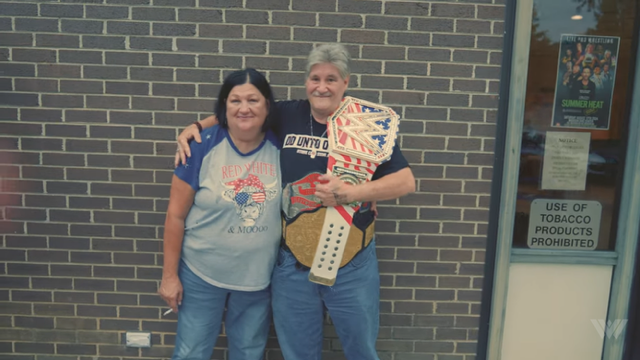
Why is that, I asked Bishop and Rankin? What makes central Appalachia such a hot spot for wrestling? They both said, independently, it’s a reflection of the character of the people.
“Stephen New said it the best in the documentary,” responded Rankin. “There’s an inherent sense of moral justice. People want to see the good guy win and the bad guy be the bad guy. They’re willing to buy into it as well. In bigger cities, the crowds are a little less willing to suspend reality.”
“Wrestling works well in Appalachia, especially West Virginia, because it’s known for its struggles,” says Bishop. “It’s a hard road here. It’s not an easy walk in the park around here. People work hard for what they have.”
Bishop Baylor’s character is intended to reflect that Appalachia grit, as he’s the leader of “The Working Class,” a faction that has always fought as “heels” (an industry term for bad guys). But Bishop recently left The Working Class and is wrestling solo as a “face” (industry term for good guy). It’s a big change for him, but one he enjoys so far.
“I like seeing the smiles on the fan’s faces,” he reflects. “I like knowing that I show them as much love as they show me. Being a heel is awesome is fun–getting the crowd in a hissy fit and worked up. Being a babyface is an honor, especially a champion. That means they trust you to carry that title with pride, which I do.”
He also sees himself standing on the shoulders of those who have gone before him, and he takes that responsibility seriously.
“Shout out to Chance Prophet. Shout to Jason Kincaid. The legends around here like Shane Storm. Those are the people that have really put in the work. To make it easier for the new age to be around. They have to get the respect they deserve.”
Behind the camera
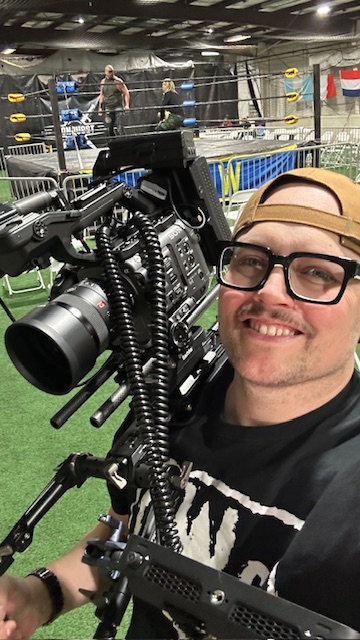
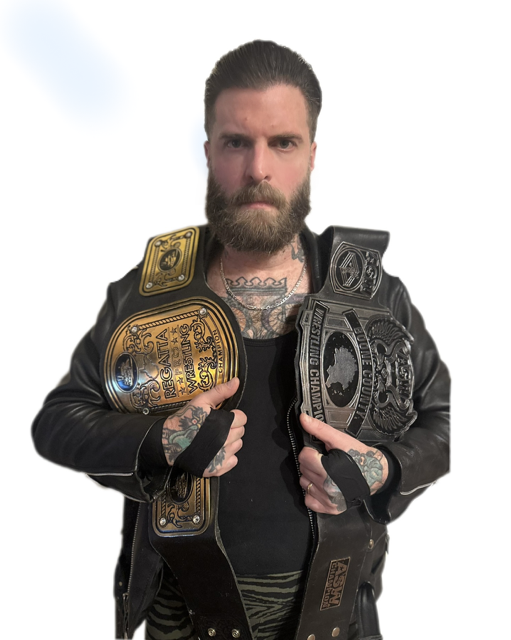
Grappalachia tackles the age old question of what is “real” about wrestling and what is not.
Rankin came away from the project with a deeper respect for the performers who put their bodies on the line each show.
“These are people chasing their dream,” he said. “You always hear wrestling is fake. They’ve pulled back the curtain a little bit more and embraced the entertainment side, but…injuries aren’t fake. That hits home.”
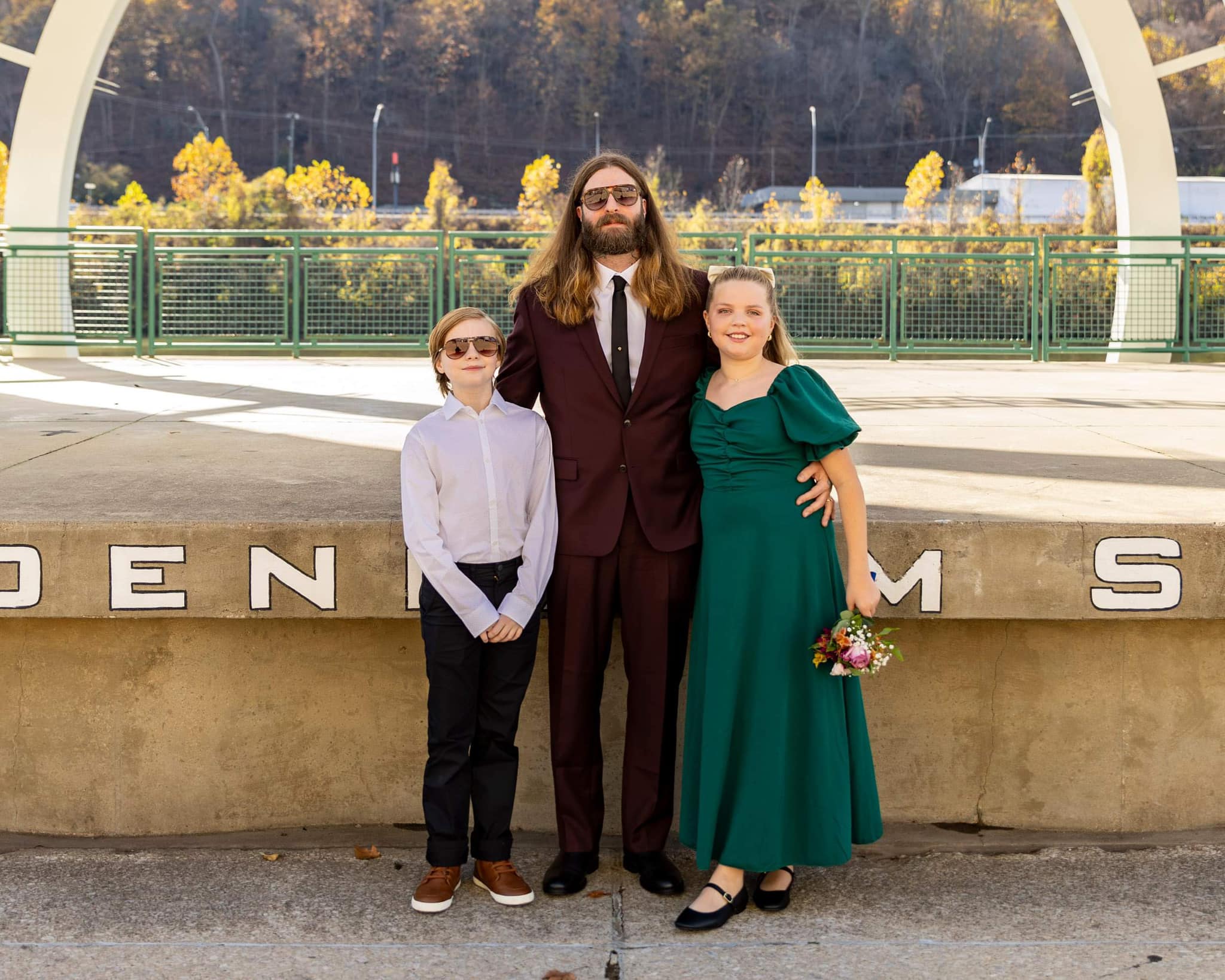
Bishop Baylor, who owns a barber shop, has two kids (shown above posing with their dad), plays in a rock band called “Vile Mind,” and wrestles, appreciates that perspective.
“I wish people understood the true struggle,” he says of the life of a pro wrestler. “Wreslting will chew you up and spit you out.”
He says it’s a daily battle to remain healthy mentally and physically. “A lot of people want to get on the internet and say he didn’t do this spot right or his body could look better. Pro wrestlers go through severe body dysmorphia because they hear all the criticism. Plus the injuries. You can’t put a price on your body.”
“They are busting their asses going town to town, traveling countless miles, and for some that’s all they have,” Bishop reminds me. “I’m lucky enough to have the barber shop and the band as an extra cushion. For some, wrestling is all they have.”
What makes it all worth it? For Bishop, that’s easy. Especially for wrestlers here in Appalachia.
“The community always shows up. In the wrestling scene, that’s a good thing about West Virginians. The community always shows up for you. I’ve lived everywhere. I’ve never seen such community like here in West Virginia.”
Stay tuned to RealWV for updates on Bishop’s showdown with Nick Gage coming up in March at Conquest Pro Wrestling in Charleston, WV.