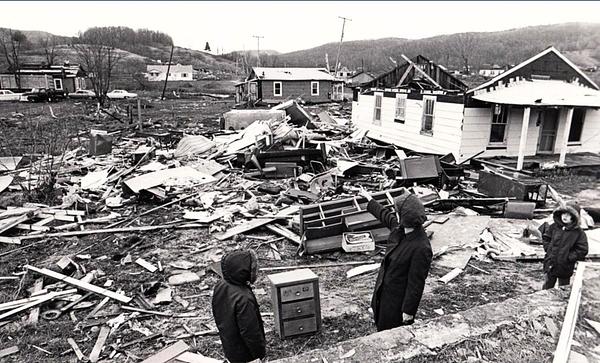
This week in West Virginia history: February 9 through February 15
February 5, 2025
Charleston WV – The following events happened on these dates in West Virginia history. To read more, go to e-WV: The West Virginia Encyclopedia at www.wvencyclopedia.org.
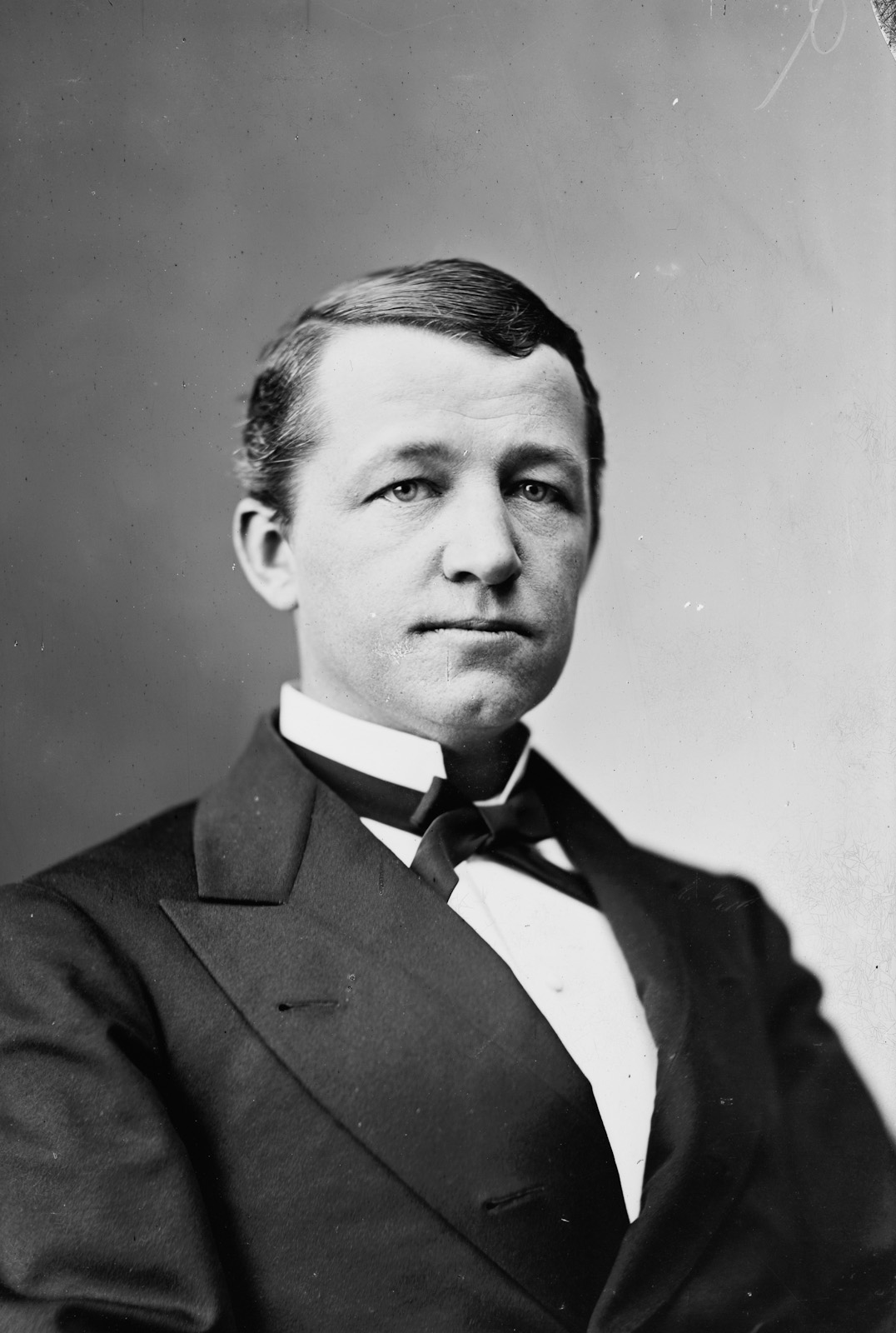
Feb. 9, 1843: Republican leader Nathan Goff Jr. was born in Clarksburg. In 1888, Goff lost West Virginia’s most controversial gubernatorial election to A. B. Fleming. Goff ’s initial 106-vote majority was challenged, and both men were sworn in on inauguration day. The case dragged on until 1890, when Fleming was determined to be the rightful winner.
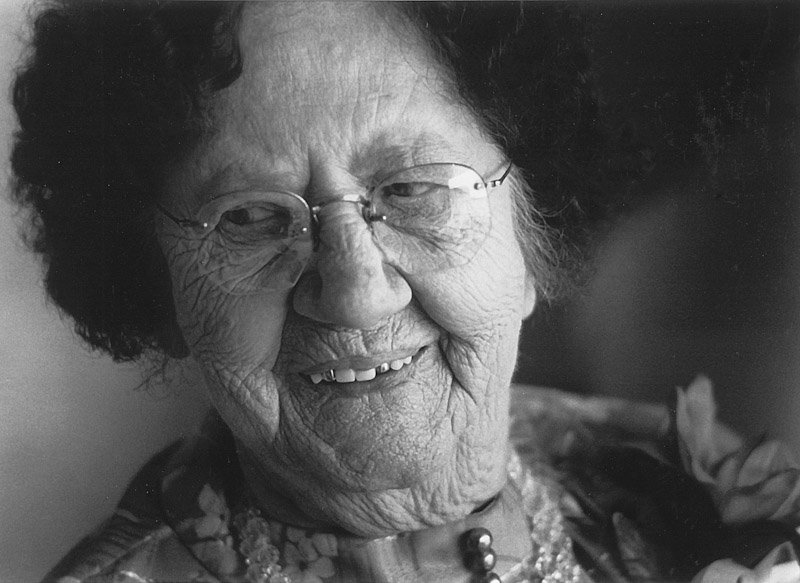
Feb. 9, 1900: “Aunt Jennie” Wilson was born near Henlawson. Wilson was a Logan County traditional musician, considered a master of clawhammer-style banjo playing.
Feb. 9, 1950: U.S. Sen. Joseph R. McCarthy’s speech to a group of Wheeling Republicans launched the 1950s red scare. McCarthy, a Wisconsin Republican, claimed in his speech to have a list of 205 communists who worked in the U.S. State Department.
Feb. 10, 1904: Jay Legg was shot and killed by his wife, Sarah Ann, in their home in Clay County. The trial, conviction, appeal and acquittal of Sarah Ann led to a popular West Virginia folk ballad, “The Murder of Jay Legg.”
Feb. 10, 2010: Frederick Appleton “Fred” Schaus, West Virginia University basketball All-American, coach, and athletic director, died at age 84 in Morgantown. Schaus coached WVU, 1954-1960, to a 146-37 record, and lost by one point in the 1959 national championship game.
Feb. 11, 1903: Artist Grace Martin Taylor was born in Morgantown. She produced an immense body of work in various styles and enjoyed a lengthy career at the Mason College of Music and Fine Arts in Charleston.
Feb. 11, 1904: Clarence Watson Meadows was born in Beckley. His mother hoped he would become a Baptist minister, but he ultimately entered politics, becoming the 22nd governor of West Virginia.
Feb. 11, 1911: The Charles Town Opera House opened. The 500-seat theater ushered in an era of entertainment and service lasting more than 30 years.
Feb. 11, 1923: Eight members of the Black Hand were arrested in Harrison County. The Black Hand was the name and symbol of an underworld society of Italian immigrants that extorted money from other Italian immigrants.
Feb. 11, 1935: The first houses in the Tygart Valley Homesteads were ready for occupancy. One of three resettlement projects in West Virginia, the homesteads were intended to provide a new start for unemployed farmers, miners and timber workers.
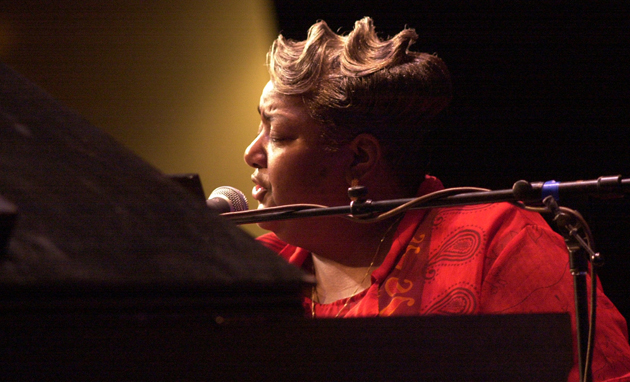
Feb. 11, 1949: Singer and pianist Ethel Caffie-Austin was born in Bluefield and raised in Mount Hope. As “West Virginia’s First Lady of Gospel,” she performed around the world, taught countless students, earned the Vandalia Award and founded the Black Sacred Music Festival. She was inducted into the West Virginia Music Hall of Fame in 2020. She died in 2024.
Feb. 12, 1867: Barboursville was incorporated by an act of the state legislature. Originally the county seat of Cabell County, it lost that honor after the C&O Railway was completed to Huntington.
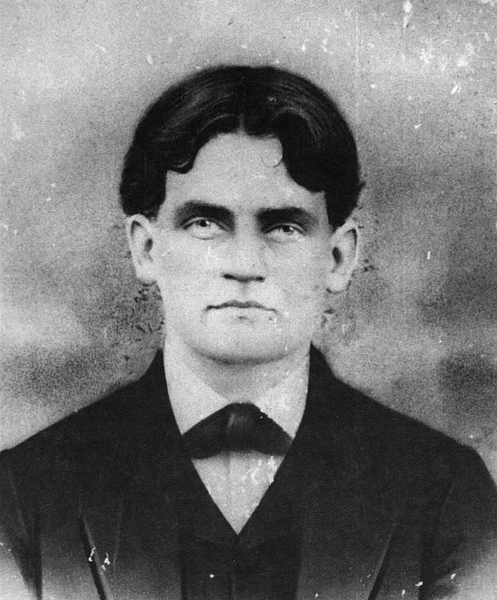
Feb. 12, 1899: Karl Dewey Myers was born in Tucker County with severe disabilities. He never attended school but educated himself through persistent self-study. He was named the state’s first poet laureate in 1927.
Feb. 13, 1800: Gen. John Jay Jackson was born near Parkersburg. He served in the Seminole Wars as a member of Gen. Andrew Jackson’s staff.
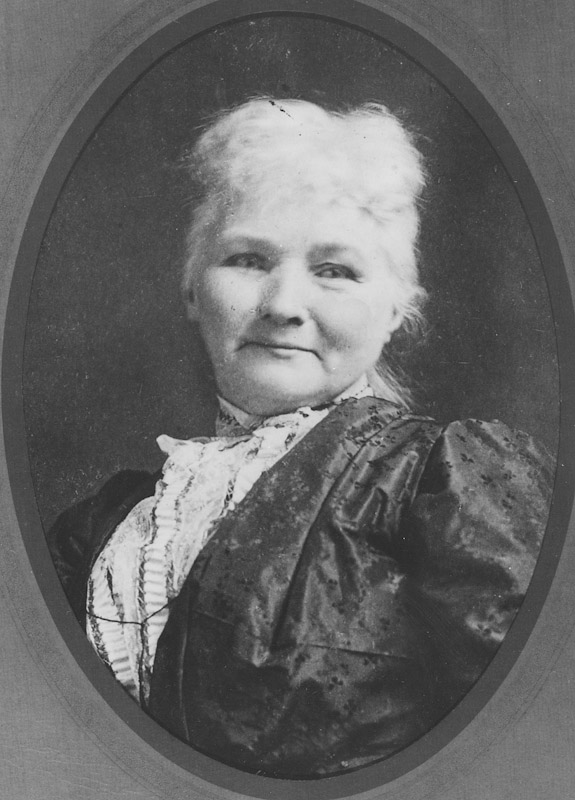
Feb. 13, 1913. Labor leader Mother Jones was arrested in Charleston after supporting union miners on Paint Creek and Cabin Creek.
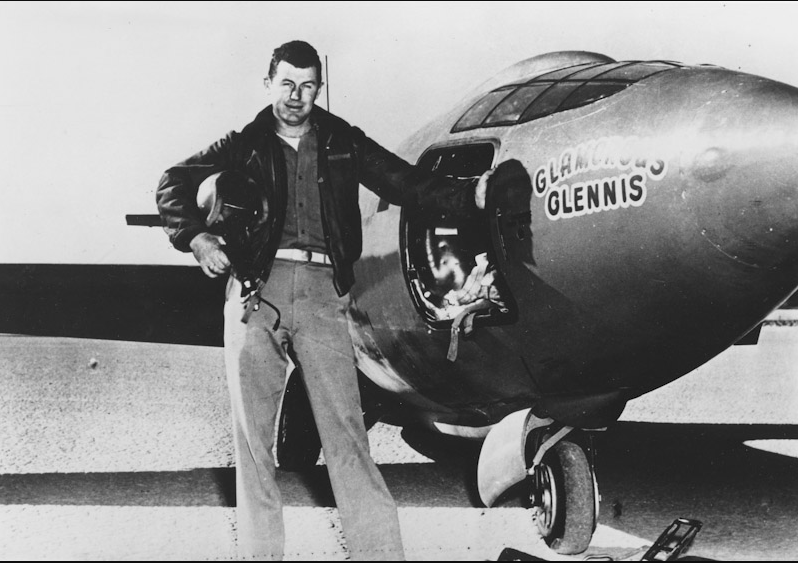
Feb. 13, 1923: Chuck Yeager was born at Myra, about seven miles from Hamlin. In 1947, in a Bell X-1 rocket airplane dropped from a B-29 bomber, Yeager became the first person to break the sound barrier by flying 700 miles per hour.
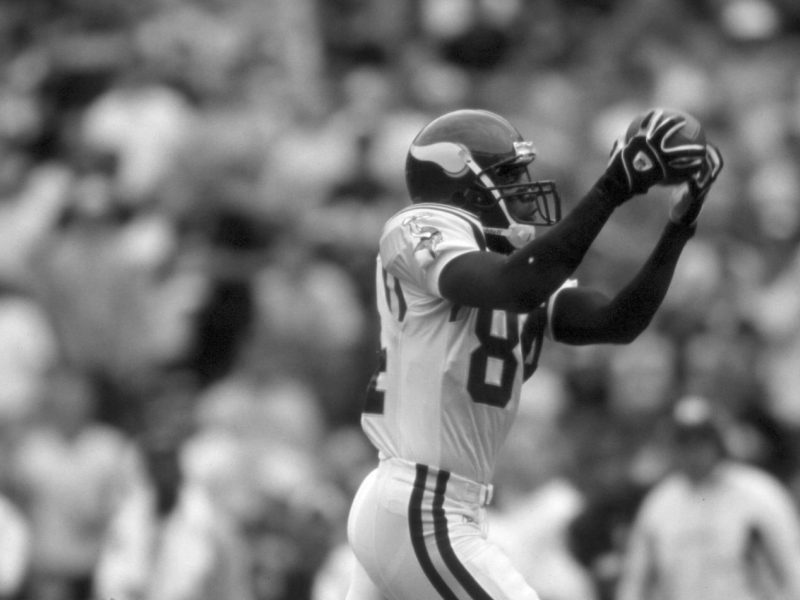
Feb. 13, 1977: Football wide receiver Randy Moss was born in Rand, Kanawha County. After two All-American seasons at Marshall University, he went on to a hall of fame career in the National Football League.
Feb. 14, 1866: Grant County was created and named for Gen. Ulysses S. Grant, who later became the nation’s 18th president.
Feb. 15, 1898: Musician John Homer “Uncle Homer” Walker was born in Mercer County. Among the last in a tradition of Black Appalachian banjo players, he played the five-string banjo in the clawhammer style.
Feb. 15, 1930: Sara Jane Moore was born in Charleston. On Sept. 22, 1975, Moore attempted to assassinate President Gerald Ford in San Francisco.
Feb. 15, 1975: Elizabeth Kee, the state’s first female member of Congress, died in Bluefield. Kee was elected to Congress in 1951 after the death of her husband, John. She retired in 1965 and was succeeded by her son, James.

e-WV: The West Virginia Encyclopedia is a project of the West Virginia Humanities Council. For more information contact the West Virginia Humanities Council, 1310 Kanawha Blvd. E., Charleston, WV 25301; (304) 346-8500; or visit e-WV at www.wvencyclopedia.org.