Finding West Virginia’s history along the ‘Affrilachian Trail’
By Vanta Coda III, RealWV
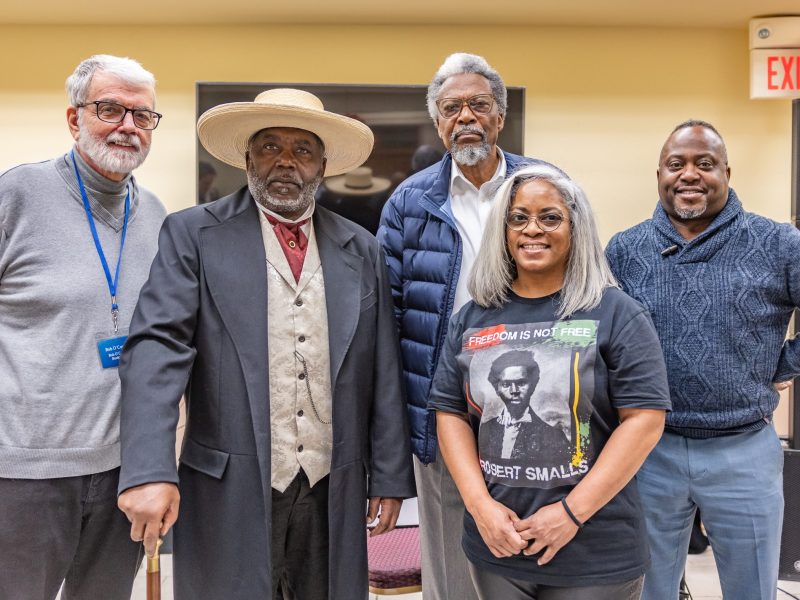
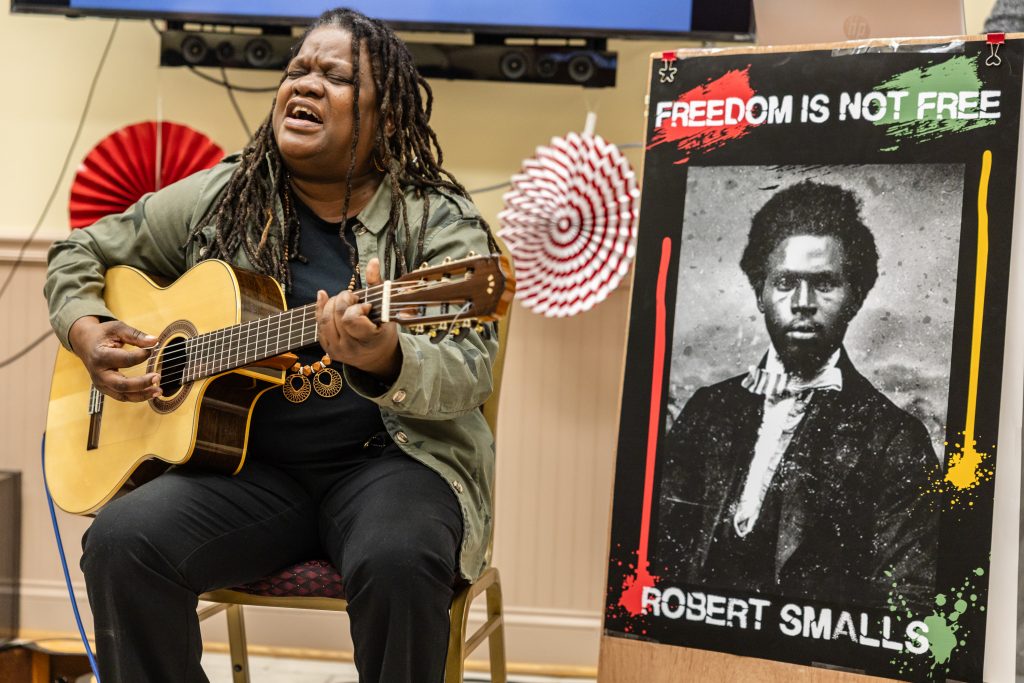
Gathered in the historic Fisherman’s Hall on Feb. 22, members of the Charles Town community celebrated Black History Month by attending “The Affrilachian Trail – Freedom’s Path: Stories of Courage & Liberation.” This special event featured powerful storytelling, historical reflections, and discussions on the legacy of Black Appalachians, their fight for freedom, and their lasting impact on the region.
Host of the event, Jamilia Jones, president of Innovative Community Solutions, was excited to see the community come together to celebrate and speak about Black history in the Appalachian region.
“Affrilachia is not its own island. It’s a part of something bigger, and it’s about the contributions of African Americans to the Appalachian culture. And so I don’t think of it as separate. I think of it as a part of the whole,” said Jones.
The event also shared exciting news with the community: Jones received a United States patent and trademark for her project, the ‘Affrilachian Trail.’ This multi-state initiative highlights the historic African American cultural assets found along the Appalachian Trail.
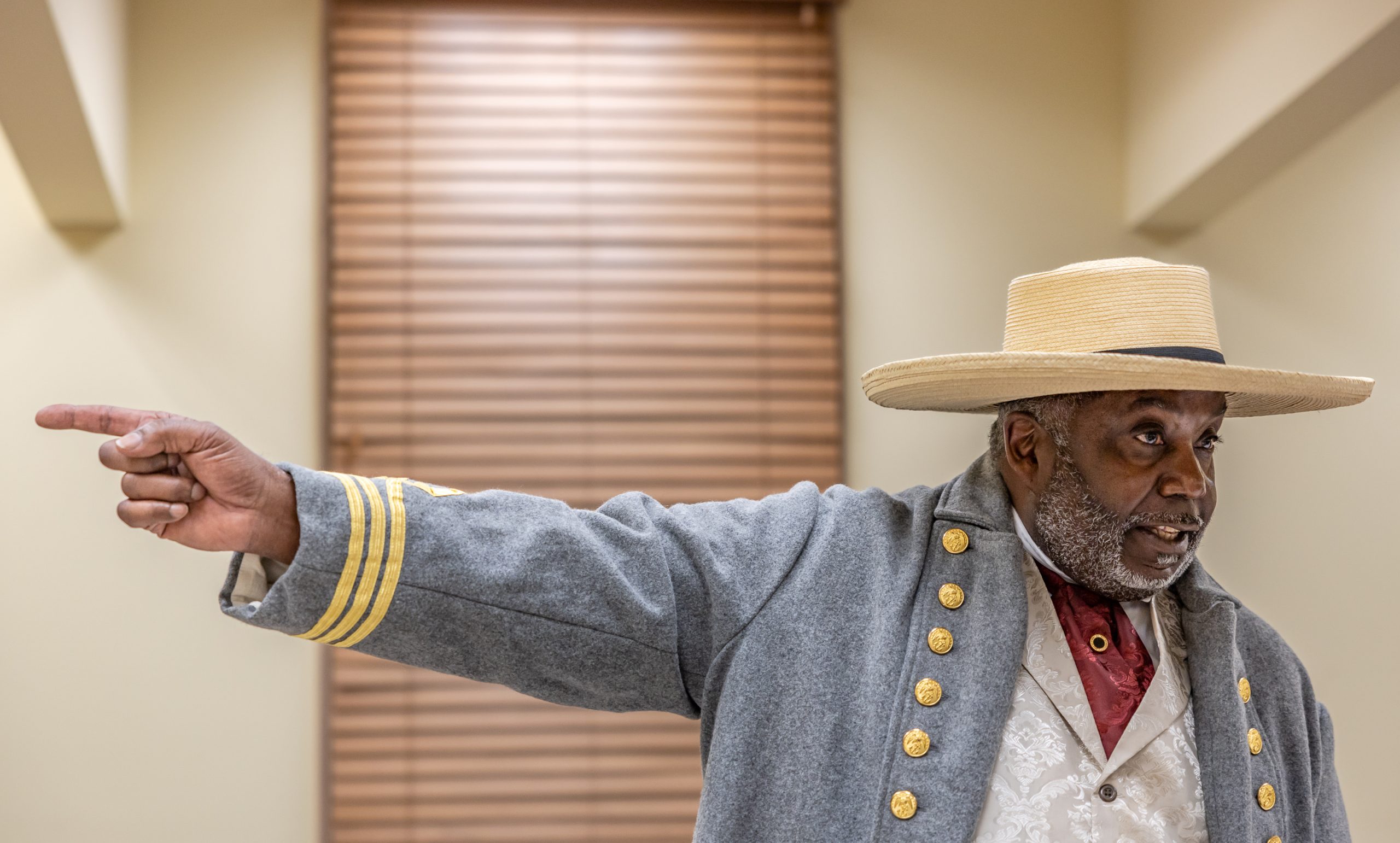
Speakers and performers at the event discussed local, regional, and national Black history through various formats, including research presentations, reenactments, and musical performances. One notable speaker was Ron Moody, the Commander of American Legion 63,who explained the significance of naming the American Legion, Green-Copeland American Legion Post 63, after two Black abolitionists involved in John Brown’s raid on Harpers Ferry.
“John Copeland and Shields Green were courageous young men who knew the danger and the risks and accepted it, but they believed in their purpose, and they ultimately payed with their lives,” said Moody. “What they stood for is why we named Post 63 after them in Charles Town.”
Charles Town author Bob O’Connor, writer of ‘The Perfect Steel Trap Harpers Ferry 1859’, which details John Brown’s raid as well as the tellings of the two dozen raiders, and his three sons who helped him. O’Connor talked in detail about the five Black men who fought alongside of John Brown on his raid, and in the case of Dangerfield Newby, the family they left behind paying the ultimate price for the freedom of Black Americans across the country.
“Dangerfield Newby was born a slave but was educated and later freed, which led him to Ohio,” O’Connor explains. “He had a wife and seven children, all of whom remained enslaved. Due to his freedom, he worked as a blacksmith and tried to raise enough money to purchase the freedom of his children and wife. He had more to lose than anyone else, including the other Raiders who joined John Brown.”
As Black History Month comes to a close, Jones and community members emphasize the importance of continuing to teach Black history in our communities and share these stories throughout Appalachia, as well as across the nation.