‘Universal licensure’ passes Senate committee with changes requested by doctors
By Stephen Baldwin, RealWV
A day after the Senate Government Organization Committee delayed their vote on SB 458, on Tuesday they returned to consider an amended form of the bill.
“This continues to be a universal licensure for Chapter 30 boards?” Chairwoman Rucker asked committee counsel.
“Correct,” he replied.
“The language ensures we’ll have individuals who’ve graduated from an accredited medical school in the US to be eligible?” she asked.
“Correct,” he again replied.
Senator Mike Woelfel offered an amendment on Monday to that effect, which led to the committee delaying action on the bill. He withdrew the amendment Tuesday after committee counsel explained that his amendment was essentially incorporated into a revised version of the bill.
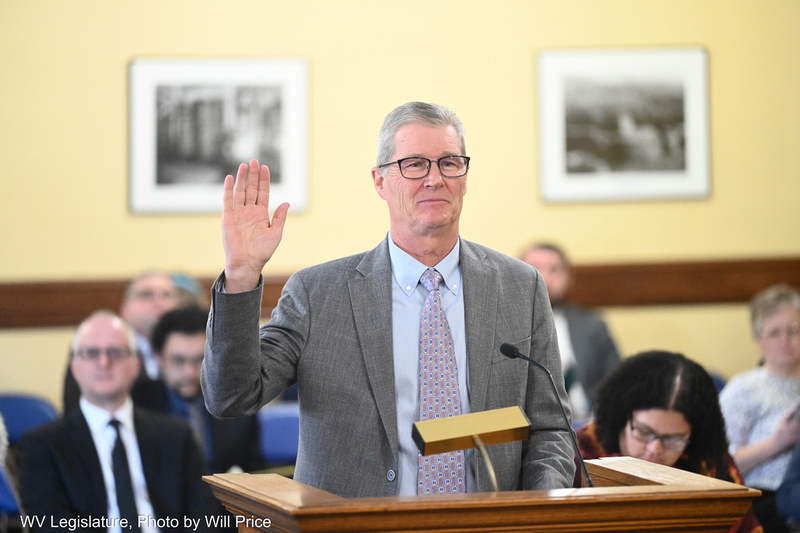
That concern was expressed on Monday by Mark Spangler, Executive Director of the WV Board of Medicine. “(It) lowers the standard and exposes the patients of West Virginia. We’re concerned about physicians coming to our state who haven’t completed their training.” An example was given of physicians completing overseas medical training, moving to a state such as California for one year, and then applying for a license in West Virginia, perhaps before actually completing their full training.
A similar concern about training from other states was raised by Dr. Bill Klenk, a Fayette County dentist. Woelfel also offered an amendment to remedy that situation yesterday, but the committee rejected it.
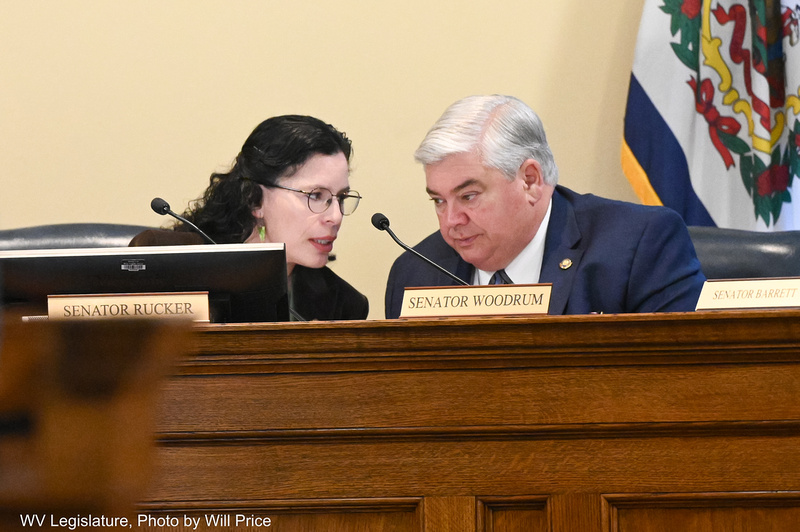
Sen. Jack David Woodrum (R, Summers) asked counsel if the revised bill being considered on Tuesday included the changes requested by dentists?
“No,” counsel replied.
Woodrum then moved to approve the bill, and the committee voted in favor.
SB458 would guarantee license transfer for certain licensed professions (such as lawyers, doctors, nurses, accountants, engineers, and more) when people move to West Virginia from another state where they were already licensed.
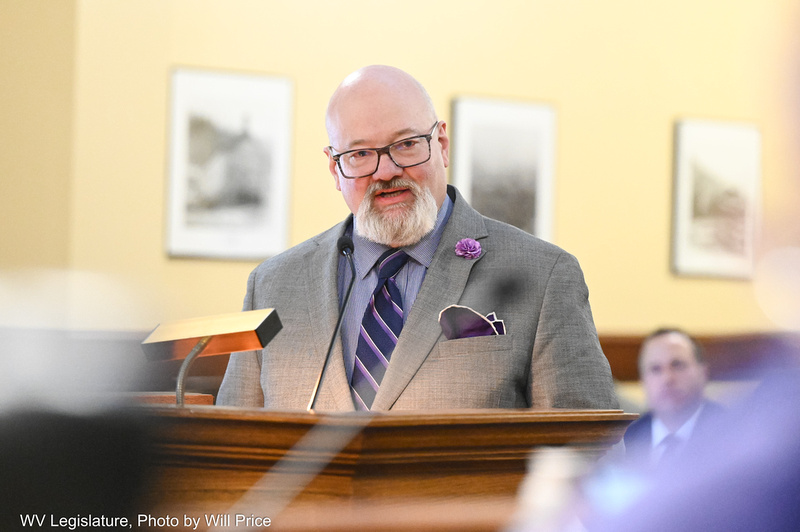
Dr. Edward Timmons, a professor of economics at Wests Virginia University, testified in favor of the bill.
“Occupational licenses do not work like driver’s licenses do,” he shared with senators. “If you’re licensed as a doctor or engineer or barber, it is generally not easy to move from Ohio and begin working in West Virginia. Workers will often face significant delays. They also might have to undertake additional education or training.”
He said that the state already has a similar process in place for HVAC and electrical workers and should consider it for an expanded pool of professionals.
“Universal recognition is the best way of addressing the significant friction workers encounter when they move from one state to another,” he said. “The majority of states, 26, have already enacted this type of reform. Seventeen of 26 have the version West Virginia is currently considering.”
The bill now moves to the full Senate for consideration.