‘We’re all just little farms struggling to break even’ – Sunset Berry Farms pushes ahead despite loss of USDA support
By Jenny Harnish, RealWV
EDITOR’S NOTE: This story was produced with support from the Pulitzer Center
There is no time for rest during strawberry season.
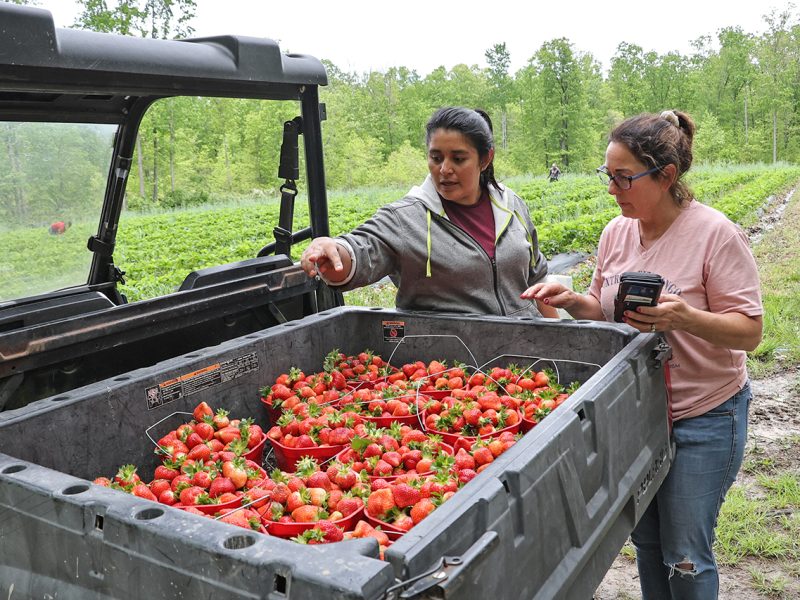
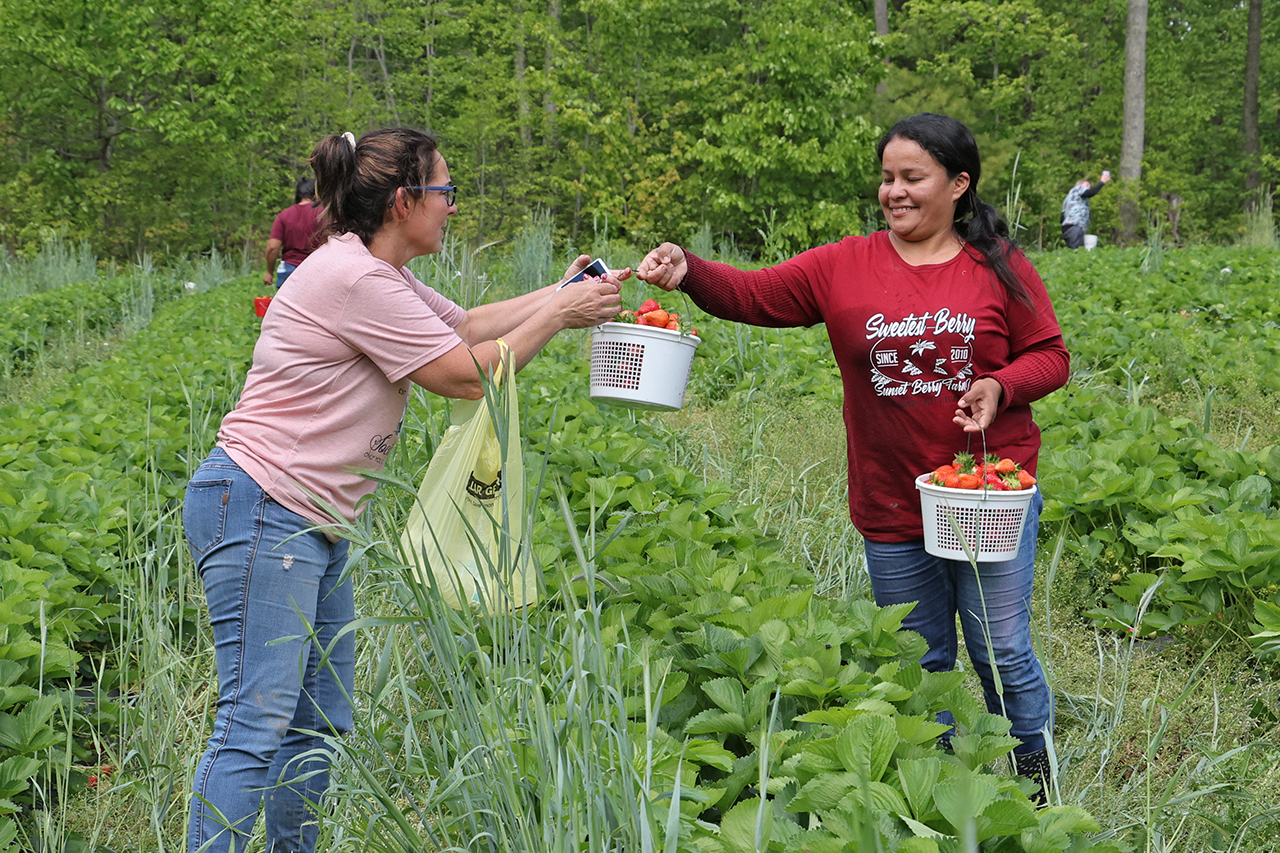
On a recent rainy day at Sunset Berry Farm, six workers stepped around muddy puddles to piled ripe strawberries in red buckets. In West Virginia strawberries begin to ripen in May, and if they are not picked within a few days of ripening they begin to rot.
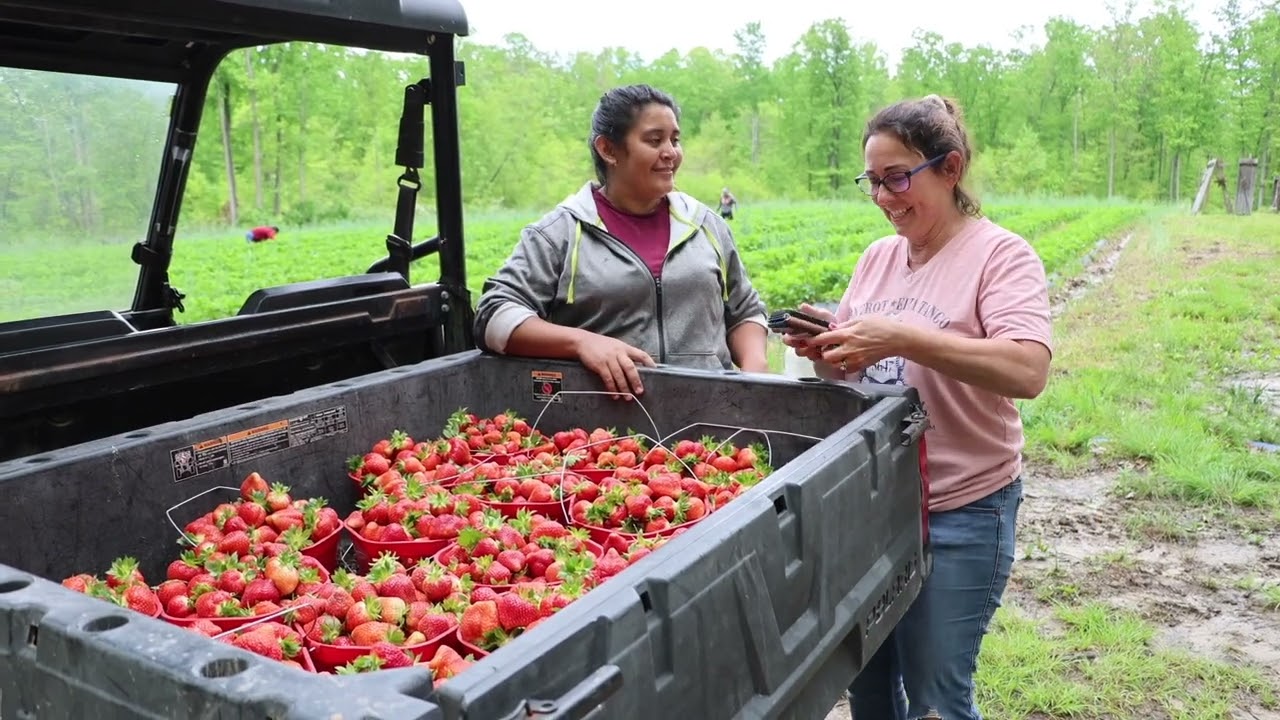
Strawberries are a delicate crop; bruising easily and sensitive to weather conditions. The pickers on this particular rainy day included two women from El Salvador, each armed with phone-size translation boxes to make verbal communication possible.
The women had flown from El Salvador to Charleston, WV, where Gilkerson picked them up on a Sunday in early May. They were staying at her farmhouse for the season and working from dawn to dusk without taking a day off.
“When you only have temporary work it’s a real challenge to find workers,” farm-owner Jennifer Gilkerson said. “And just because you have six doesn’t mean you have six – it means you have six today at 12 o’clock, but tomorrow you might have one. It’s hard work and no one wants to do it.”
Since opening the farm fifteen years ago, Gilkerson’s biggest challenge has always been finding seasonal workers to plant and harvest crops during the summer months. Finding such workers – especially at the local level – is a challenge for many reasons. She said many Americans already have full time jobs and do not need seasonal work. The work is physically demanding. Often workers who are available struggle to find child care or transportation.
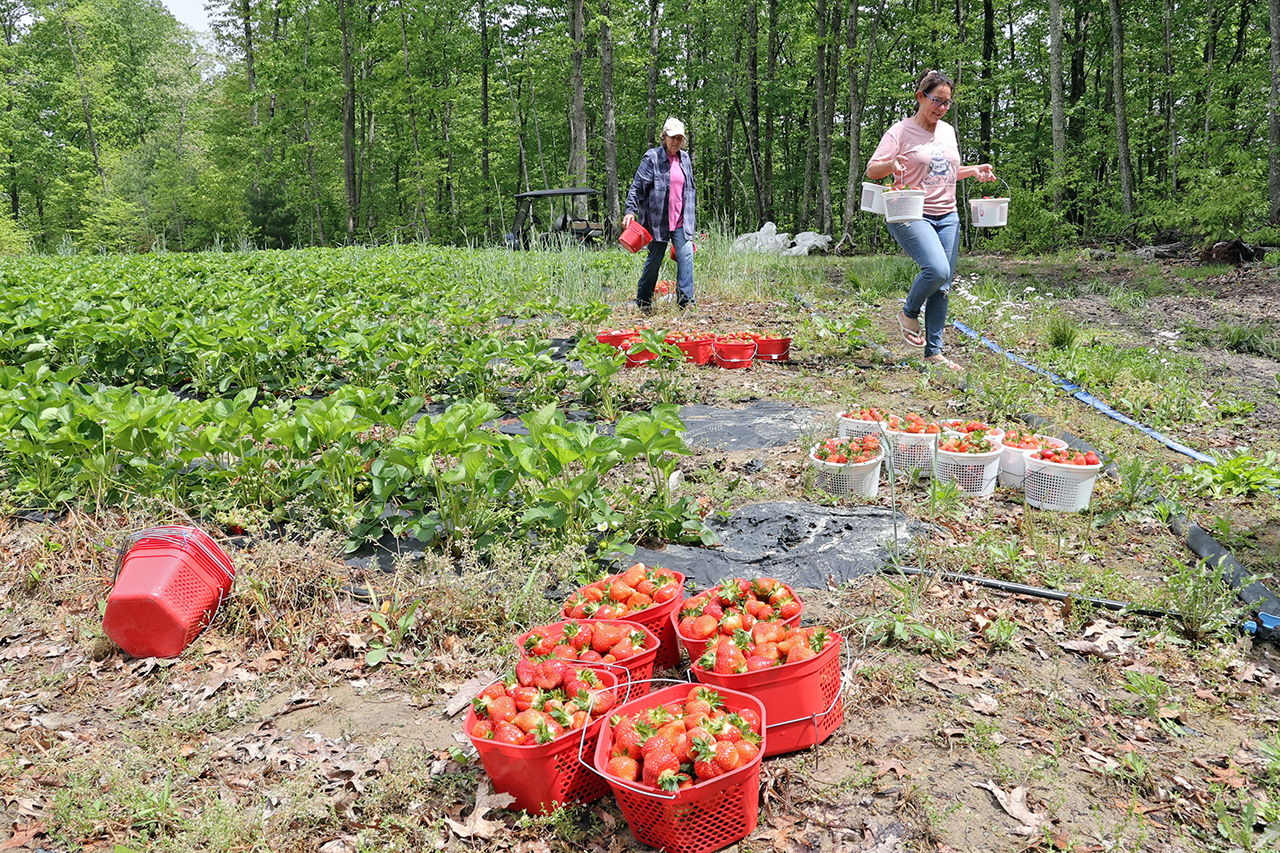
The 60-acre Sunset Berry Farm, situated in the rural town of Alderson, has the capacity to be a million dollar operation. However, the lack of consistent and reliable help has left Gilkerson unable to maximize the farm’s capacity.
“We’ve tried before to grow summer crops, but we couldn’t find enough help to do the work all summer long,” she said. “West Virginia is a food desert and we could meet a lot of that need if we had the workers.”
In 2024, Gilkerson was thrilled to learn that she was selected to participate in the USDA’s Farm Labor Stabilization and Protection Pilot Grant Program. Gilkerson was one of 140 farmers across the country to be selected for the program, and the only one in West Virginia.
According to the U.S. Department of Agriculture (USDA), the program was started in 2023 to address labor shortages in agriculture, expand legal pathways for migrant workers, and improve labor protections for farm workers. The program aimed to provide farmers with seasonal migrant workers who could work legally through the H-2A visa program. It would help safeguard domestic food security by helping farmers with the cost of seasonal labor.
“I thought this would be the answer to all my problems,” Gilkerson recalled.
The USDA reports that there are approximately 350 migrant/seasonal farmworkers in West Virginia during peak season according to 2022 USDA data. Gilkerson had considered hiring migrant workers in the past but the requirement to provide them with full time hours was a deterrent. Weather and pest related crop loss had been an issue and if crop loss occurred she would have not been able to provide them with full time work.
Gilkerson signed a contract with the USDA, and paid a labor agency $10,000 to find workers. The program promised to compensate her $50,000 a year for two years to cover the cost of labor to hire two H-2A workers from Northern Central America, and eight domestic workers. The workers’ pay was to be $16 per hour for 20 weeks.
To prepare, Gilkerson planted twice as many crops as previous years and got her farm house ready to board the migrant workers.
Then came DOGE and the cuts, and her contacts at USDA fell silent.
“We have not been told directly that the funding has been cancelled, however we’ve been told indirectly. They are no longer responding to phone calls or emails and all our meetings have been cancelled.”
Much the same as with Gilkerson, the USDA has not responded to RealWV’s request for comment.
The Department of Government Efficiency (DOGE) is an initiative formed by President Donald Trump and Elon Musk with the said intent to identify waste and fraud in the government. The organization is responsible for shutting down federal agencies, terminating contracts and grants and laying off thousands of government employees.
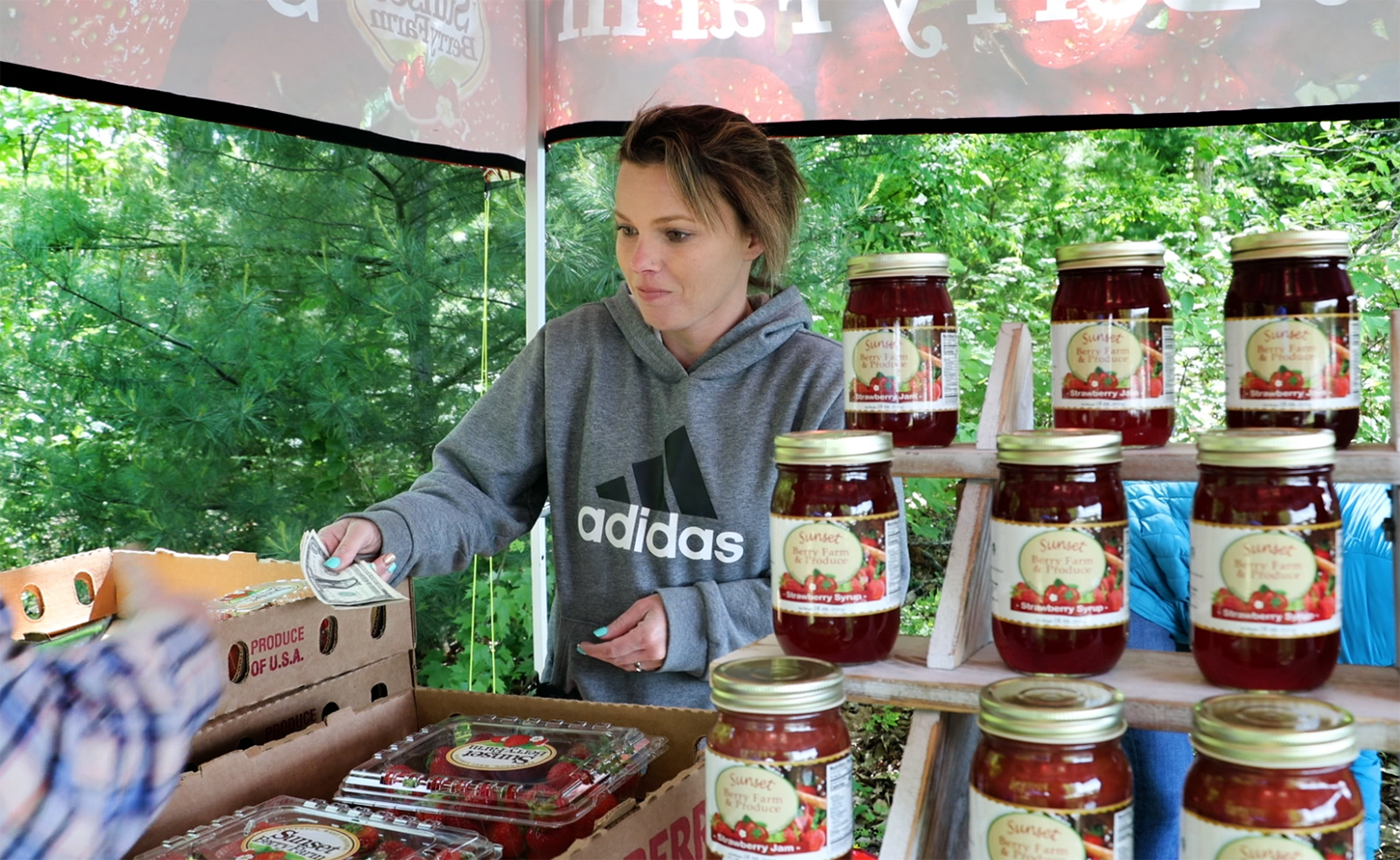
Gilkerson is on an email chain with other farmers in the labor program, all of whom report that they are in the same predicament.
“So the recipients are not these massive huge farms that can take a hit, it’s all small farms that don’t make money anyway. It’s farms that needed help but got screwed. We’re all just little farms struggling to break even,” she said.
Despite silence on the government’s end, strawberry season is in full swing on the farm, and Gilkerson is upholding her end of the contract.
“We feel like we have to do it because we’re already invested in the project.,” Gilkerson continued. “We’ve already lost all this money so we’re gonna go ahead and follow through with the project and we hope that many years from now the government will pay us back. It’s too late to quit after we’ve already signed a contract with the labor agency.”
Gilkerson said the most reliable workers on the farm are the two migrant women, who left children and families, work dawn to dusk and refuse to take a day off. She can also count on a few local workers who have been helping her every year. The job service was supposed to help her find local workers but many never show up.
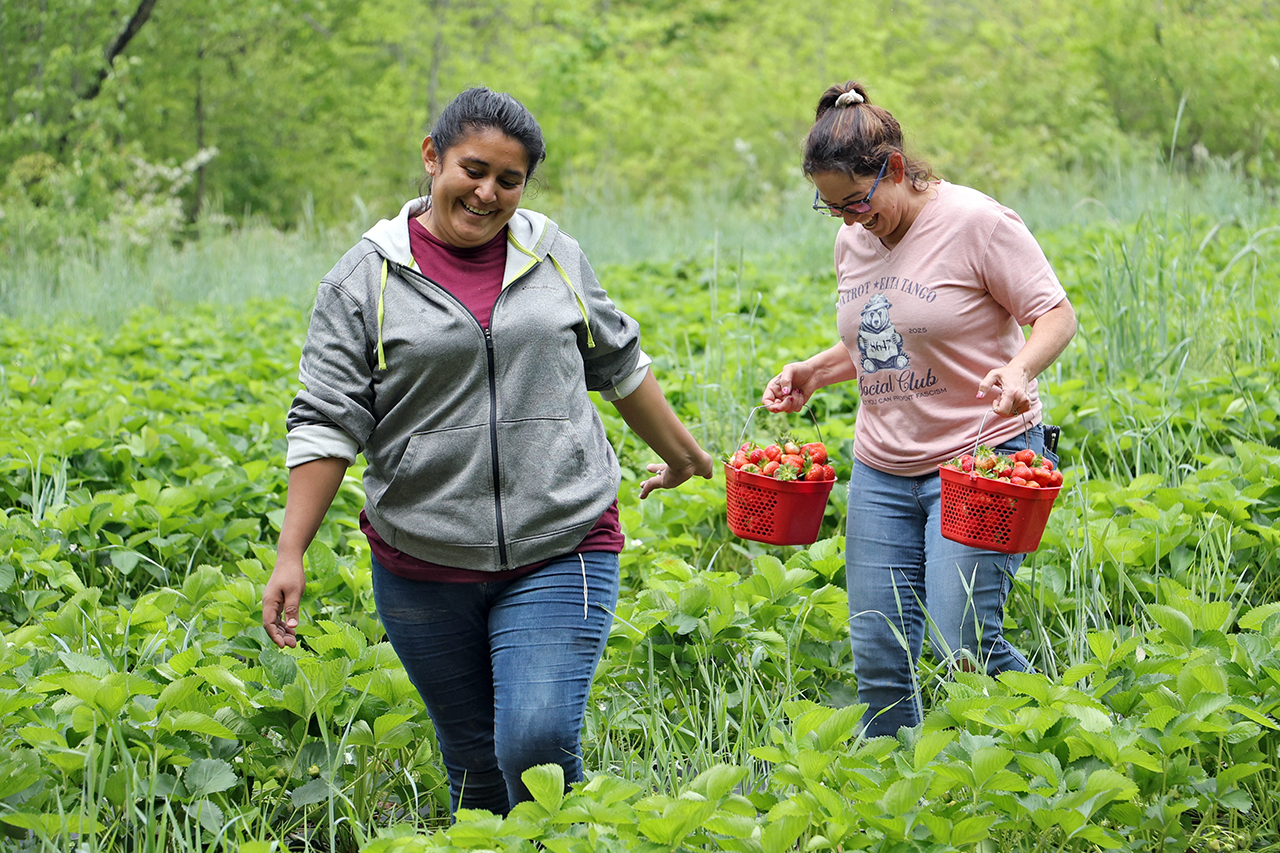
“Three of my domestic workers didn’t show up today,” she said.
She tries not to think about what will happen if the crops fail or the weather doesn’t cooperate.
“We signed a contract with the federal government and they have bailed out leaving us with 100 percent of the risk,” she said. “I can understand cutting waste and cutting projects that might be wasteful. But to cut a project right in the middle of the work and to leave farmers 100 percent at risk?”
“Who would think that the strongest nation in the world would do this to our people?” Gilkerson added. “I feel betrayed.”
Gilkerson further reports having received criticism from folks who say that farms get government welfare.
“But then on the other hand, look at food security and how important it is for a nation to be able to feed itself,” Gilkerson noted. “We see right now with the tariff war going on, we need to be able to feed ourselves. So it’s not really welfare. I feel like it’s an investment in our country.”
Related Articles
WVSOM doubles in-state enrollment
This year in-state students make up 37 percent of the first-year class – a dramatic increase over three years.
Local naturopath returns to Lewisburg roots
Naturopathic Doctor in downtown Lewisburg brings natural health options via 7 Notes Natural Health.