MidAtlantic Resiliency Link unveils community-informed route for regional transmission project
PRESS RELEASE:
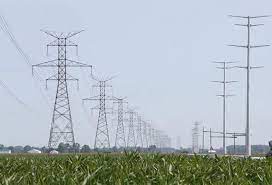
MORGANTOWN, W.Va. – The MidAtlantic Resiliency Link, on Friday, announced the proposed route for its approximately 107.5-mile, 500-kilovolt (kV) transmission line.
“When complete, the MidAtlantic Resiliency Link will provide increased access to lower-cost generation resources, strengthen the regional electric grid, enhance reliability for homes and businesses and support economic growth across Pennsylvania, West Virginia, Maryland and Virginia.” said Kaitlin McCormick, spokesperson for the MidAtlantic Resiliency Link.
The team conducted a comprehensive routing study to develop the proposed route. “By doing an extensive routing study and listening to feedback from stakeholders, elected officials, local businesses and community organizations, we identified ways to minimize impacts on landowners, the environment and local communities. Be assured, we will continue to engage and remain committed to working constructively with all stakeholders.”
The proposed transmission line will run from a substation in Dunkard Township, Pennsylvania, just over the border from West Virginia to a connection point near Gore, Virginia.
Community-Driven Proposed Route
- Reflects over 1,200 public comments received from eight open houses with nearly 1,200 attendees and two public online surveys.
- Reflects feedback from meetings with more than 300 landowners, elected officials and local business, economic development and community organizations.
- Wherever possible, our proposed route parallels existing rights-of-way and avoids existing and planned residences and businesses.
- Protects sensitive natural areas with adjustments to limit impact to watersheds, stream habitats, scenic viewsheds and ecotourism centers.
Positions the Region for Economic Growth
The MidAtlantic Resiliency Link is positioned to serve as a significant economic driver for the region through:
- Open access capabilities, enabling local regions to interconnect additional power generation and economic opportunities to the infrastructure.
- Increased transmission capacity, helping to attract new commercial and industrial opportunities to the area.
- Critical transmission infrastructure to capitalize on electricity demand in the region and grow America’s energy economy.
Supports Energy Reliability and Flexibility
The bidirectional line allows energy to flow both east and west.
- Excess energy can be exported when demand is low – supporting the in-state energy economy.
- Energy can be imported during times of need, helping keep the lights on for homes and businesses.
“This project invests millions of dollars into the local economy and provides critical transmission infrastructure in response to the rise in energy demand across the region,” said Kaitlin McCormick, spokesperson for the MidAtlantic Resiliency Link. “The MidAtlantic Resiliency Link will enhance the energy economy within power generation states while also providing reliable power to homes, schools, hospitals, businesses and communities.”
What’s Next
The proposed route and several alternative options will be submitted to each state’s respective public service commission. The respective public service commissions will evaluate the proposed options, provide an opportunity for the community to share their feedback, and make the final decision on the route one to two years after submittal.
For more information, including detailed maps and updates, visit https://www.nexteraenergytransmission.com/midatlantic-resiliency-link
About NextEra Energy Transmission
In 2023, NextEra Energy Transmission, LLC, and its subsidiaries were selected by PJM, the regional transmission organization, to develop the MidAtlantic Resiliency Link as part of a portfolio of transmission projects to address reliability concerns in the region. PJM is the regional transmission organization that serves West Virginia, 12 other states and D.C.