Barbour, Randolph, and Roane school systems wrestle with consolidations
By Stephen Baldwin, RealWV
Over the past month, three counties have wrestled with whether to close or consolidate public schools in their district. West Virginia law places responsibility for schools in the hands of locally-elected county school board members.
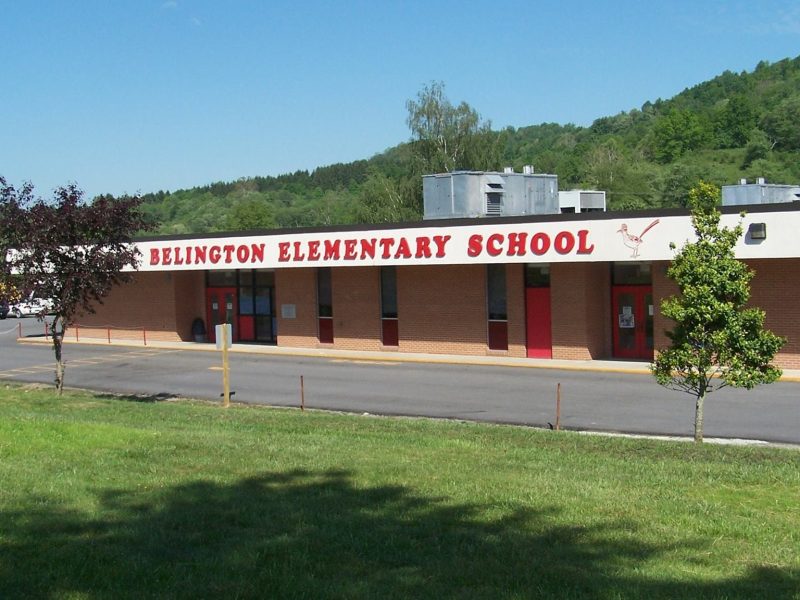
This past Monday, The Barbour County Board of Education voted unanimously to close all three of the county’s middle schools and send the students to Philip Barbour High School while also closing Junior Elementary and sending students to Belington.
On October 8, the Randolph County Board of Education voted 4-1 to close Harman and North Elementary schools. Additionally, they voted not to close Coalton and Midland Elementary while removing the motion to close Pickens K-12 from their agenda.
Also this past Monday, the Roane County Board of Education voted 4-1 to close four schools–Geary Elementary & Middle School, Walton Elementary & Middle School–and consolidate the students into two other existing schools.
What’s behind the trend of consolidations and closures?
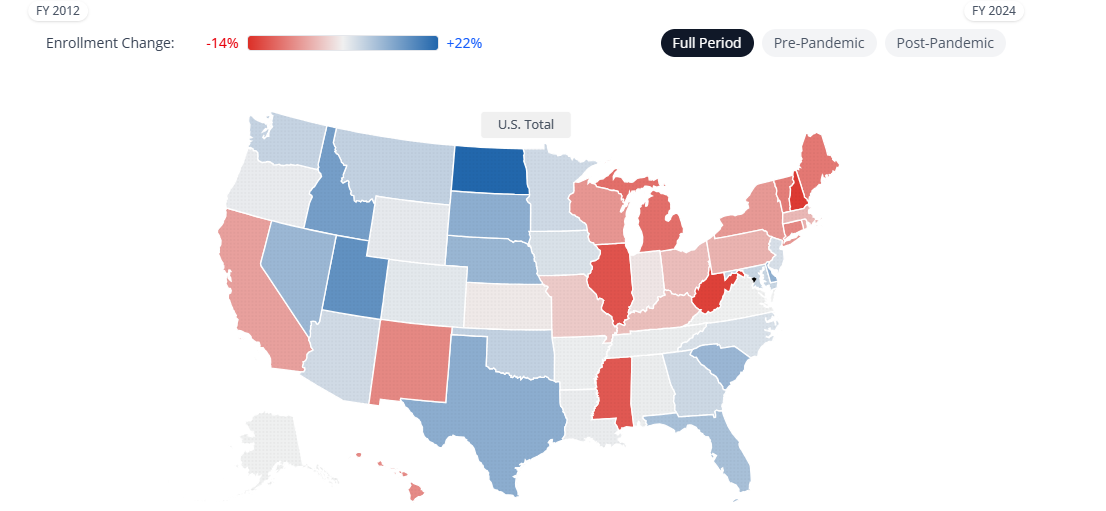
From 2012-24, public education saw a 13% drop in student enrollment. More than 36,000 students left the public school system. Because schools are financed based on a formula centered on the number of students who attend, those enrollment declines have led to significant drops in funding.
Stanford economist Thomas Dee says there are several factors for the exodus of students including family migration from state to state, fewer children being born, and increases in private school and homeschool enrollment.
State Superintendent of Schools Michele Blatt was asked by legislators this past February about the financial impact of enrollment trends. “With declining enrollment in our state, it’s just not feasible to keep all our facilities open,” she responded, calling COVID, school choice, and a loss of federal funding “the perfect storm.”
“And I think those three things together is why we’ve seen this big influx of school consolidations and closures this year. We may have had two or three each year since 2020, but because they had the federal funds they were able to keep those buildings open. And now we’ve reached the point where those funds were expired.”
Split reaction
Jason Huffman, the state director of Americans for Prosperity (a conservative political advocacy group supportive of “school choice” policies), posted his reaction to the latest consolidations on X, saying, “Glad to see yet another county school board take fiscally responsible action by approving a common-sense plan to right-size their school buildings based on declining enrollment. Taxpayers simply cannot afford to continue paying for half empty buildings all across West Virginia.”
Meanwhile, as reported by Hunter Schoolcraft in the Spencer Record & Reporter, local citizens in Roane County begged the school board not to pursue consolidation.
“I’ve known most of you all my life,” Rachel Hays said at the consolidation meeting. “I’m begging you to be leaders tonight. We need these schools — the communities depend on them.”
Then Marshall University student and Roane County graduate Kaitlyn Samples noted, “The financial decisions that got us here were not our students’ fault. Why are they being punished?”
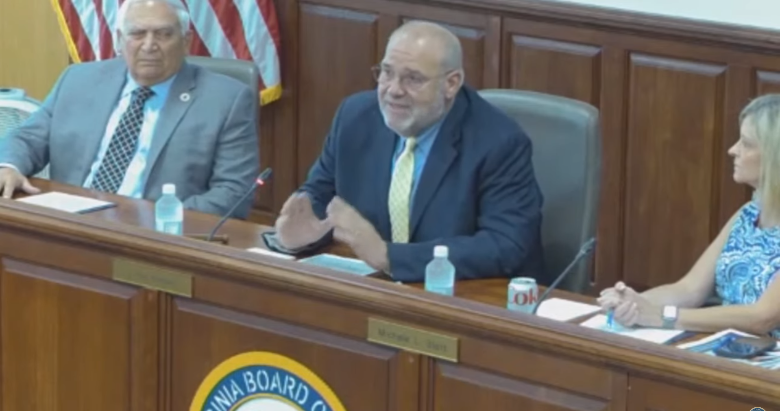
State Board of Education President Paul Hardesty gave an impassioned speech in Charleston last month on the topic, saying legislators often complain about school consolidations but haven’t taken action to prevent them.
“There’s 134 members of the Legislature. They have the oversight, they have the ability to change the school aid formula to recognize these rurally challenged, geographically challenged areas that we speak of,” Hardesty said. “They have that ability. I, and this board and this department, do not.”
Hardesty also referenced Huffman and AFP saying, “This assault on public education by ALEC (a political collaborator with AFP) and the people that follow ALEC has got to stop.”
Stay tuned to RealWV for continued reporting on state education policy.
Related Articles

Irons & Porter open ‘The Fancy Pheasant’ in Lewisburg
The store is a men’s and children’s clothing and home goods store.

‘Like a dagger’ – Lewis County reacts to Vandalia’s closure of labor & delivery
This is the second labor & delivery unit being closed by Vandalia Health in West Virginia.