
Iowa professor tells lawmakers artificial intelligence might help track flooding in WV
By Stephen Baldwin, RealWV
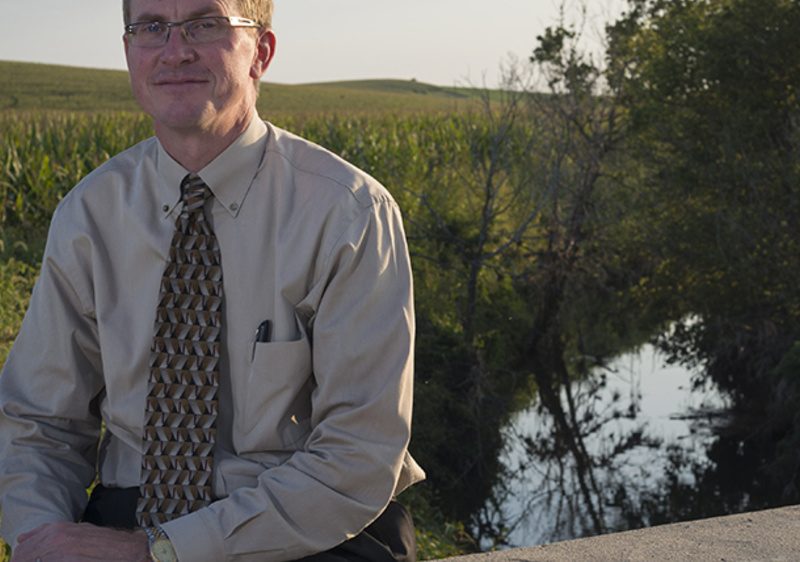
On Tuesday, Dr. Larry Weber made a presentation to the Committee of Flooding of the West Virginia Legislature titled, “Artificial Intelligence and Its Use in Flood/Stream Monitoring.”
Weber is the Director of the Iowa Flood Center and a faculty member at the University of Iowa.
“The Iowa Flood Center was formed to improve flood-frequency estimation, real-time forecasting, floodplain mapping, and develop a workforce in engineering consultancy across (state) agencies,” Weber told legislators of the center, which was created in 2009.
“We had two 1,000 year floods,” Weber said. “More than $15 billion in recovery costs.”
The Iowa Legislature created the Iowa Flood Center to try and mitigate the effects of future flooding and build resiliency across the state. They operate on approximately $1.2 million in state funds, which they’ve leveraged into more than $200 million for Iowa’s flood resiliency programs.
“We provide flood alerts based on real-time tracking for 1000 communities in Iowa,” Weber said.
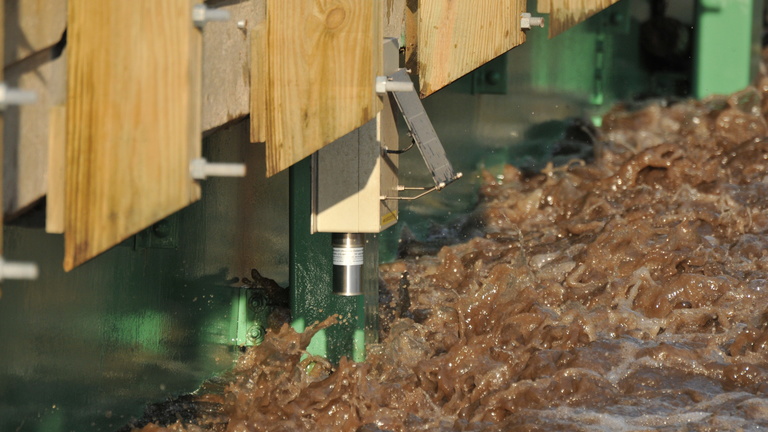
In order to provide that data, they created and maintain a network of 300 stream gauges across the state, in addition to 140 gauges operated by the US Geological Survey.
The stream gauges use ultrasonic technology to measure water levels, which is then relayed by cellular data to the Iowa Flood Information System (IFIS).
Weber’s colleague, Bekir Demiray, takes the stream gauge network to the next level by applying artificial intelligence (AI) to the data being captured across the state.
“Flooding is the number one natural disaster affecting humans in the world,” Demiray said in a press release by the University of Iowa about his work. “I hope that my research can improve flood forecasting to decrease casualties and lessen the economic consequences of flooding.”
Demiray’s data models employ “deep learning” by AI in order to turn rainfall amounts, for example, into real-time predictive data that can forecast an event which is unfolding quickly.
Would this technology help West Virginia, which West Virginia University’s GIS Technical Center says is among the flood-prone areas in the nation, save lives and property from future disasters?
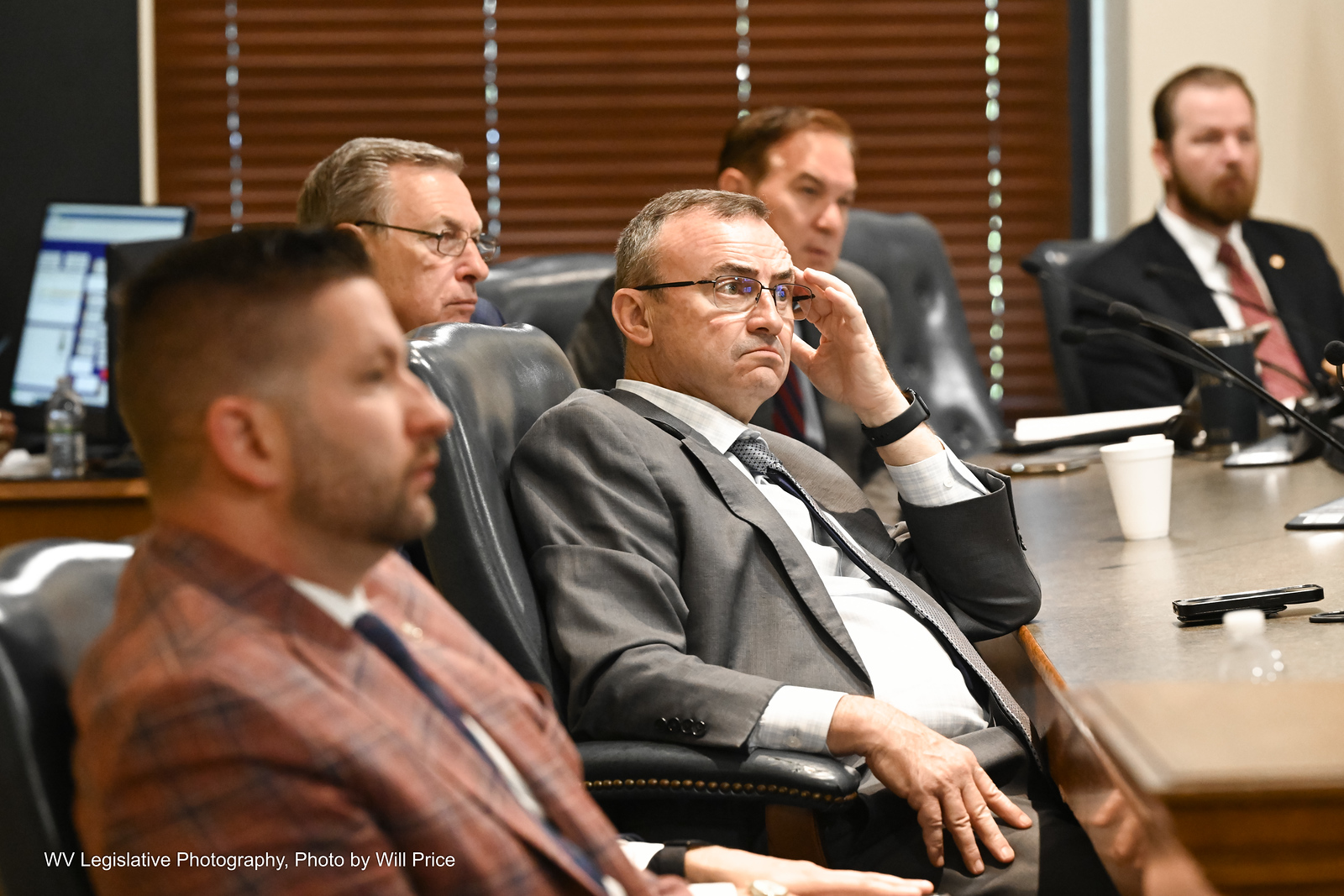
While Weber was available for questions with the committee, no one asked him about how AI might assist with flood mitigation in West Virginia.
Sen. Glenn Jeffries (R-Putnam) did end the meeting with an invitation to further dialogue. “We’ll take this presentation and have some further discussion with your organization,” Jeffries said.
“We have worked with Missouri and Minnesota and other states. Anything we can to help you and your constituents, we’d be happy to engage,” Weber replied.
Related Articles
PUBLISHER’S NOTE: Candidate forum will proceed as planned, candidates or not
Our job is to provide a forum for candidates to share their views. We will do that whether all the candidates show, some show, or none show. And we will report on it for voters to be informed.

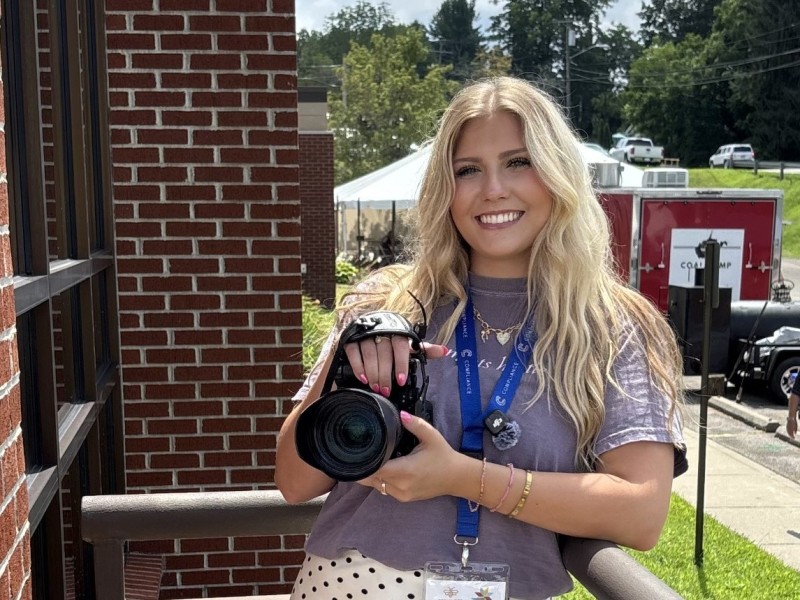
Real West Virginian of the Week: Jada Mills captures the people and places that make West Virginia home
For Jada Mills, a photograph can capture more than what happened in a single moment. It can show how someone felt while it was happening.