Data centers ‘a tremendous opportunity,’ says state official
By Stephen Baldwin, RealWV
Chris Morris is the Data Economy Office Director with the state’s Division of Economic Development. His job was created as part of HB2014, a landmark bill passed by the state legislature in 2025 in order to pave the way for data centers.
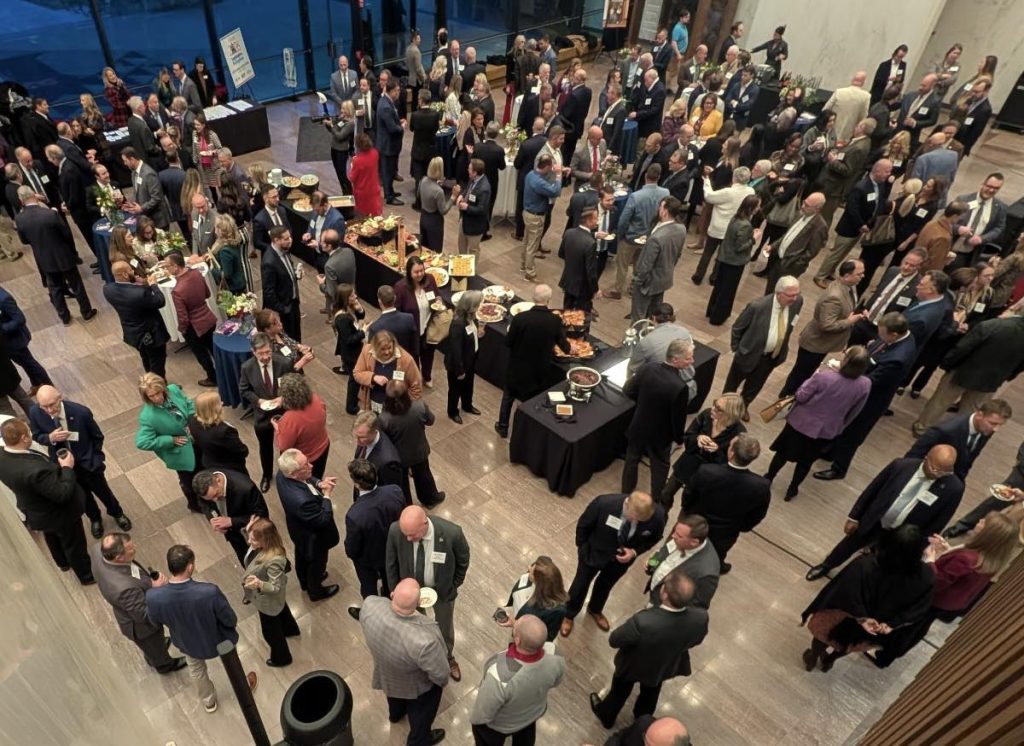
As part of a business roundtable event hosted by the West Virginia Chamber of Commerce, Morris spent an hour Tuesday afternoon sharing what he’s been doing in the role for the past year and how he thinks data centers will impact West Virginia in the years to come.
READ MORE: https://therealwv.com/2025/01/27/west-virginia-seeks-role-in-stargate-trumps-artificial-intelligence-push/: Data centers ‘a tremendous opportunity,’ says state officialMorris previously worked for CityNet, WV American Water, and the Department of Revenue. When he was first approached about taking this new job serving as the point man for data center development in the state, he asked his daughter for her thoughts. She told him she’d seen a TikTok that said every time you used a data center product, like a simple Google search, it was the equivalent of wasting five gallons of water.
“So much of her life is the result of data centers,” he said. “Everything from online banking to telehealth to music to streaming to online classes. All of these things are the results of data centers.”
Morris said he decided to take the job for that reason–because data centers will continue to have a large impact on our modern way of life, and he’d rather the state be able to exercise some degree of control over that process.
Power is the #1 issue
“I looked at this as an opportunity to have this investment come here and keep that wealth here in the state,” he said
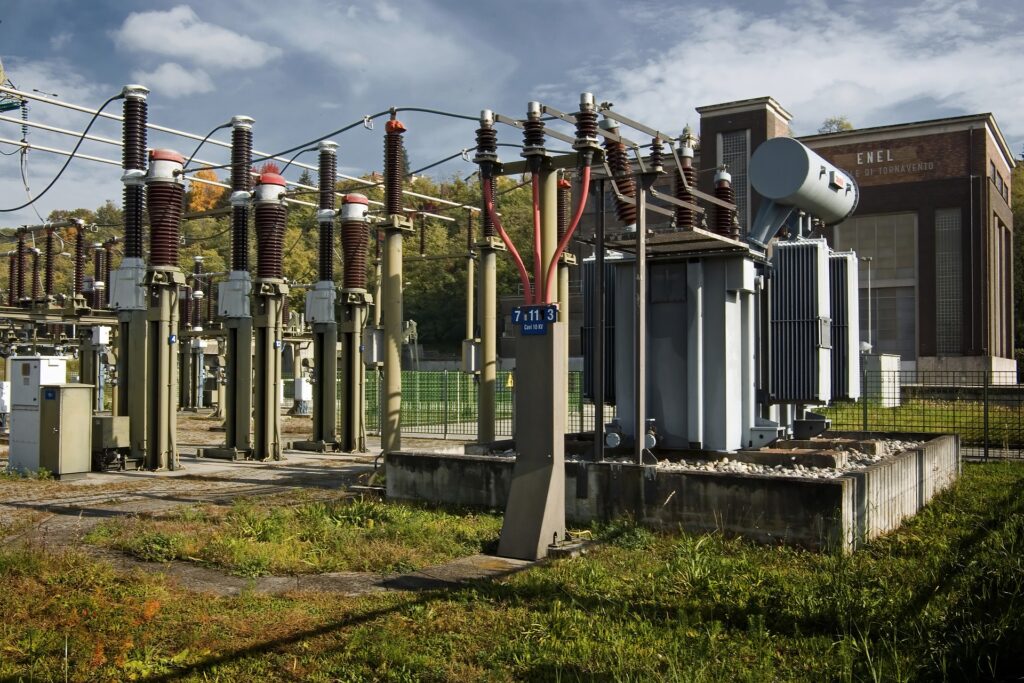
“By far the #1 issue is power availability and reliability,” Morris shared. “One company said, ‘You find me one 1 gigawatt of power, and we’ll make as many landowners as possible happy.”
What else are data center operators looking for besides available power? “They’re looking for land for construction initially and land that allows for future growth. They’re also looking for reasonable zoning and permitting and tax benefits. They also look at access to skilled workers for operation and management. They’re also looking for areas that welcome them. There’s been press that’s less than favorable on some projects. They want to go where they’re wanted. We’re trying to overcome and educate folks on the benefits.”
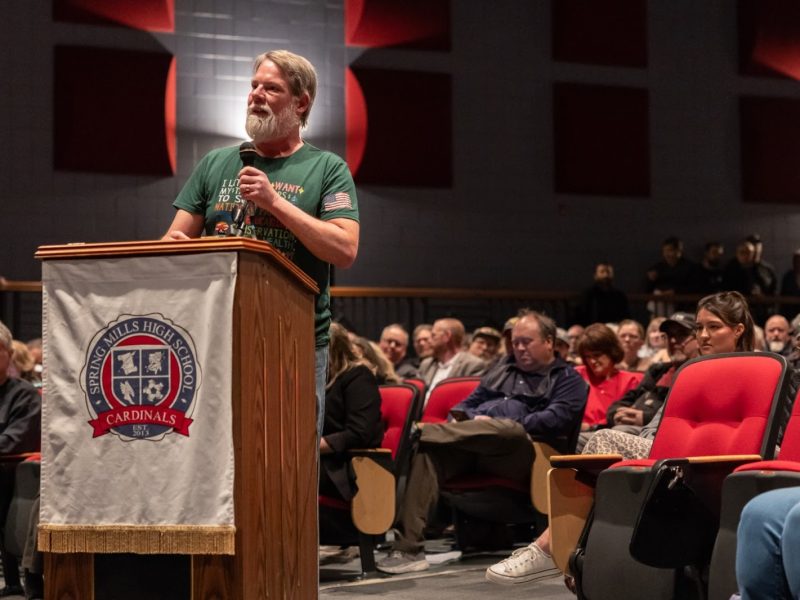
Balancing the desire to go where they are wanted with trade secrecy makes for a delicate balance. At a Greenbrier County forum last month hosted by the Greenbrier County GOP Executive Committee, Sen. Vince Deeds, R-Greenbrier, said that while he was prevented from sharing specifics due to the existence of non-disclosure agreements, “You will see some substantial growth in the Greenbrier Valley, as far as economic growth. We’ll have some announcements about that probably during the session,” Deeds said. “We’re finalizing that now.”
Morris did not disclose any particular sites being developed as data centers in West Virginia but did say he expected the first few to be formally approved in the coming weeks. “It will be a matter of weeks that we’ll see some,” said Morris. “We have a number of very attractive sites.”
Asked on follow-up about how local support is gauged for data centers by RealWV, Morris answered, “I’d rather ask local people if this is gonna be well received or not? Pushback has had an impact in other states where developers walk away from projects. I’m open to suggestions. I do wanna have a formal but simple process (for community feedback).”
HB2014 preempts local zoning regulations in the name of state development, but Morris says that makes it even more important to have local support. “As projects come in, we will interface with these local efforts.”
“Tens of millions of dollars every year”
One reason Morris says local officials are excited about data centers is the economic impact they will have. “50% of the increment (tax benefit) goes to the state for personal income tax reduction, 30% goes to the county (where the project is located), and 10% goes to a fund for all counties. 30% can be a humongous revenue opportunity for these counties. It could be tens of millions of dollars every year.”
Asked about concerns over high levels of water usage by data centers, Morris said, “Historically water usage was a major concern. But smart people figure out ways to be efficient. These are smart people. They save money when they save water and power. They’ve made tremendous strides…Now it’s the same (water usage) as an average size restaurant.”
Independent actors such as the American Society of Civil Engineers dispute that characterization, saying water usage is uneven from center to center and overall impact is yet to be fully understood.
With some legislators proposing tax cuts for data center development, Morris said such efforts are not wanted by data center developers. “They’re not asking for tax cuts or any financial assistance from the state whatsoever. I don’t see us supporting any kinds of tax breaks for data centers at all.”
One attendee asked Morris how many jobs data centers create? “Data centers are not known as enormous job creators,” he said. “Hypersacle projects do have tremendous construction jobs. One site had 2,000 electricians on site for a couple years. The number of standing jobs are smaller but the average wage is high, around $100,000. We’ll take those kinds of jobs anytime in West Virginia.”
The WV Chamber of Commerce will offer another business roundtable on data center development and environmental concerns on February 17 at 2pm.
Stay tuned to RealWV for additional reporting on data center development in West Virginia.