Senate votes to block public access to certain political donor info
By Stephen Baldwin, RealWV
In a 31-2 vote on Monday, with Senate President Randy Smith absent, the West Virginia Senate voted to block public access to the addresses and employers of political donors. Current state law requires both pieces of information be made public when someone gives $300 or more to a political candidate.
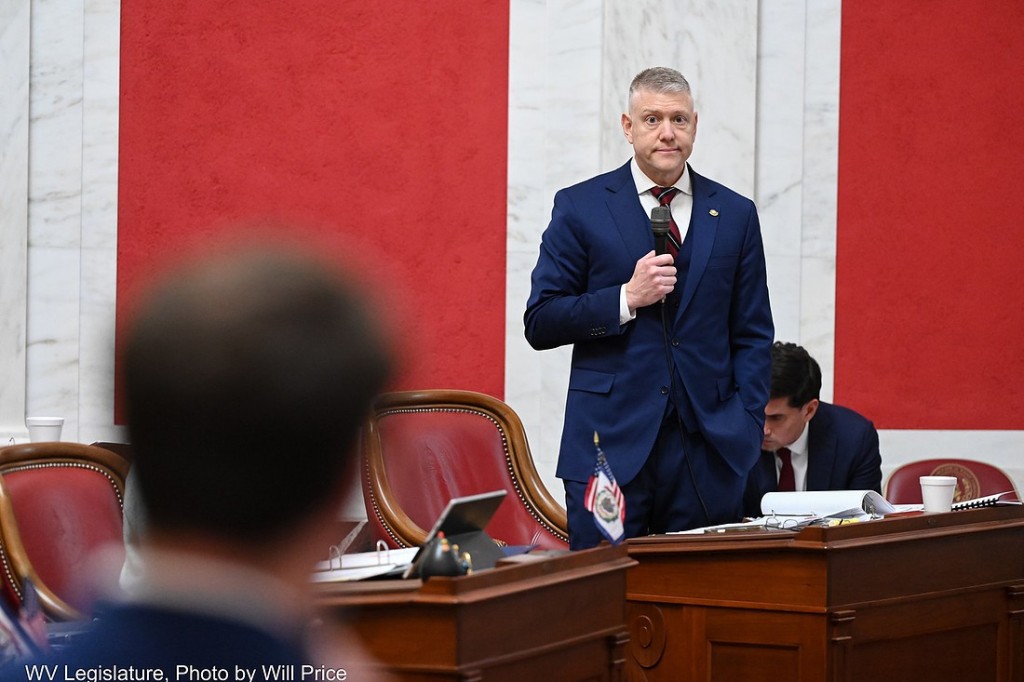
Sen. Tom Willis, R-Berkeley, and also a candidate for the US Senate, presented SB640 to his colleagues, saying the bill was “designed to protect a campaign contributor’s privacy and prevent potential harassment based on political participation. Specifically, it provides that an individual contributor’s street number, street name, as well as an individual’s employer is not provided to the public. An individual’s occupation would however still be visible to the public… There is a civil penalty if the responsible party does not remove the information promptly after receiving notice…It would not apply until after the 2026 election.”
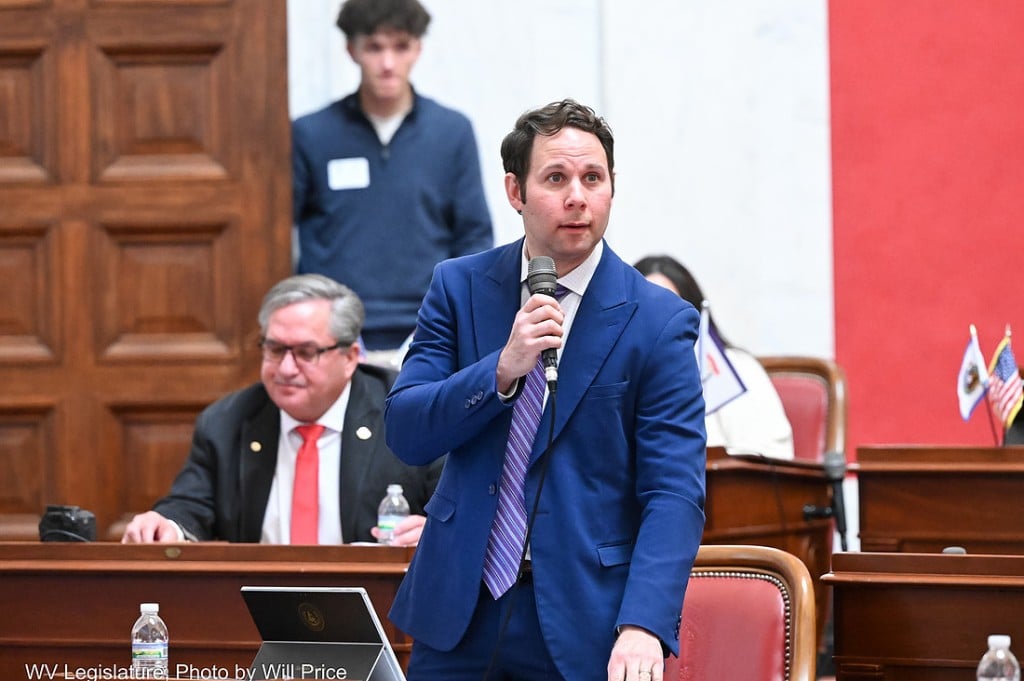
Sen. Joey Garcia, D-Marion, spoke in opposition to the bill, stating, “It would be nice to know who is donating money.”
While Garcia said he understands removing someone’s street address for the sake of safety, he believes employer information should still be reported. “I cannot support a bill that’s going to darken and shadow where people are getting their money from.”
The bill’s primary sponsor, Sen. Mike Azginer, R-Wood, rose in defense of the bill.
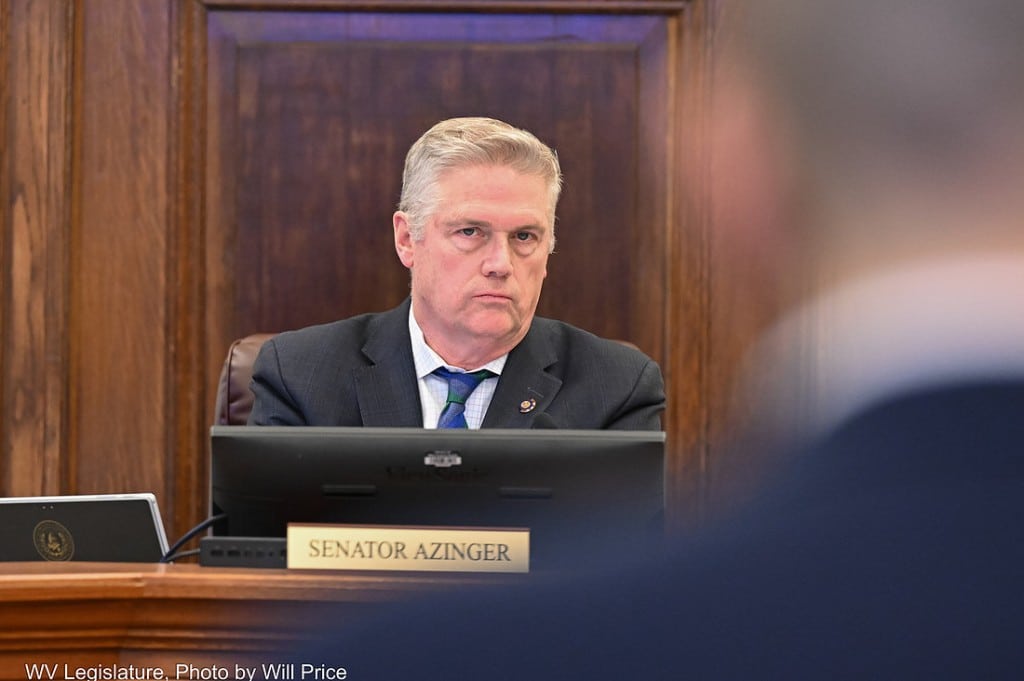
“We’re not hiding anything,” he said. “I just think that, look, we’re trying to protect employers from harassment that happens in horrible ways often that 30 years ago wasn’t even contemplated. You still have the reported name of the individual who gives the money, what they do for a living, and it protects their address and employer.”
Willis closed debate by arguing that the bill is a sign of the times. “A lot of our campaign finance laws were enacted at a time before our current technology (was in place). Political harassment and even political violence is on the rise. This bill just updates policy to update the modern reality of our divisive modern reality.”
The bill does place West Virginia at odds with federal disclosure requirements, though, which are more stringent. Federal law requires that anyone who gives $200 or more disclose their name, address, employer, and occupation.
If a government entity, such as the Secretary of State’s office, publishes the address or employer of a political donor and fails to remove it within 10 days, then SB640 says they will face a civil penalty of $1,000. An individual who willingly discloses that info can also be found guilty of a misdemeanor.
The bill now heads to the House, where delegates are already considering a similar bill.