‘This keeps the state stuck’ – A look inside the struggle of child care centers

By Jenny Harnish & Stephen Baldwin, RealWV
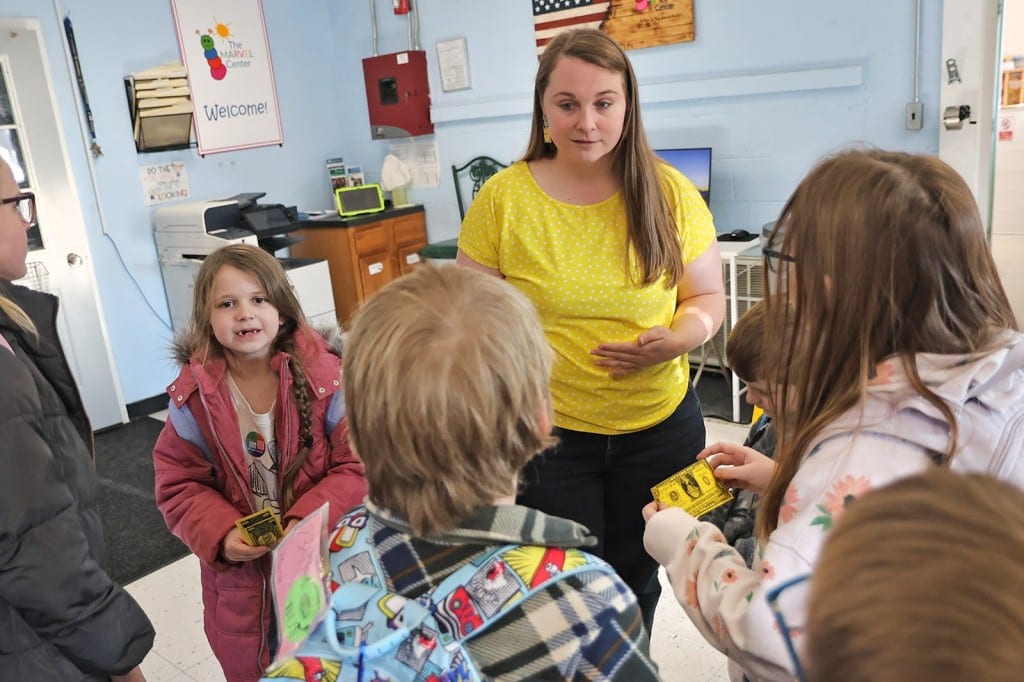
On a recent icy afternoon, a group of toddlers ran, jumped, and danced to music coming from a speaker in the spacious cafeteria of The Marvel Center in Rupert.
“When we started we were in a 300-mile childcare desert,” said board member Trisha Lally. She said the area has some family and church-based child care providers, but The Marvel Center is the only center of that size in the area offering a cafeteria and playground.
“I like to say we’re not just a babysitter – we’re here to teach and grow the child,” said Executive Director Sarah Bailes. “We have professional staff that care and love every child that’s here and we are really focused on the whole child and making sure that they are ready for school when they’re school age.”
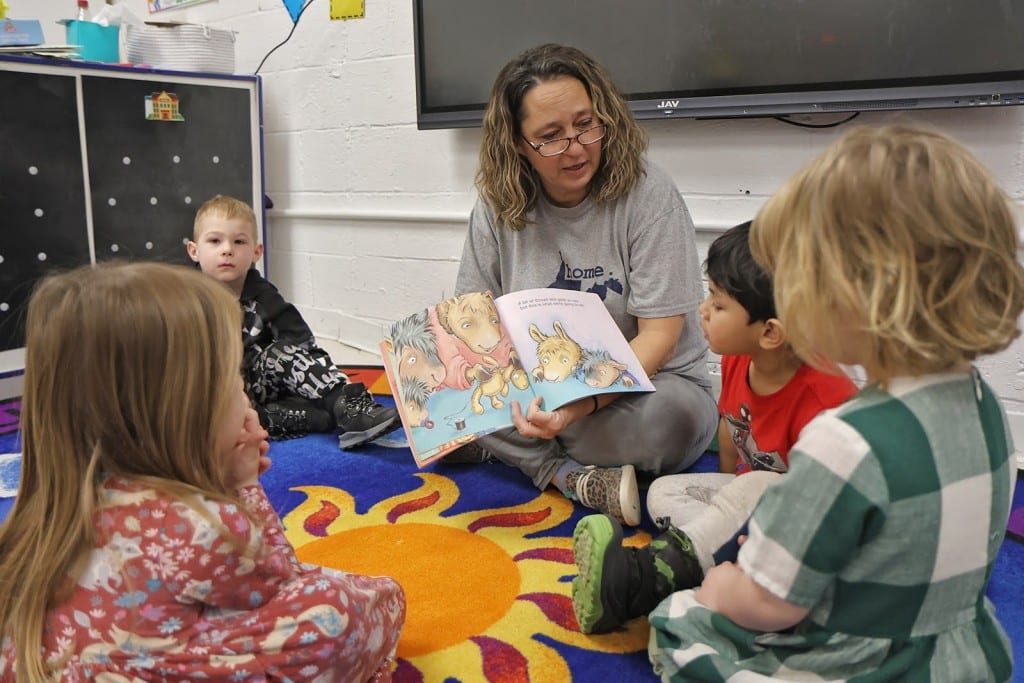
The early childhood learning and family engagement center offers a day care, after school program and several other community support programs. By way of grants the center has been able to teach their kids literacy lessons, offer a STEM (science, technology, engineering, and mathematics) classroom and summer STEM programming.
But like most daycares across West Virginia and the nation the center faces a constant struggle with funding and a constant struggle to keep the doors open.
Lally explains that the revenue from childcare doesn’t cover the cost of payroll, so the center relies on other sources of income such as grants and private donations.
“We have a number of private donors. But we’re always struggling to cobble together our operating costs,” said Lally. “The basis of that problem is that the business model statewide doesn’t pay for the cost of childcare.”
120 child centers have closed in the past year

Last fall, the West Virginia Department of Human Services adopted a new reimbursement method for child care centers, and it’s costing The Marvel Center $8,000 a month.
Under the new rule, children must spend at least four hours per day at a child care center in order to be reimbursed by the state. While the previous rule did technically require four hours, it was based and calculated solely on the number of children enrolled in the program.
That’s a problem for child care centers, Bailes says, as she shared that kids who come for their after-school program do not stay for four hours unless it’s a snow day or there’s no school.
The Marvel Center has been able to stay open, so far. But many other child care centers have not. According to the most recently data, 120 child care centers have closed in the past year alone.
Legislative efforts to improve child care
The House of Delegates, which has taken the lead on child care issues the last few years in the legislative process, is currently considering four bills related to accessing child care. All are in the markup stage of consideration at the House Health Committee.
HB5345 requires child care subsidies to be based on monthly enrollment rather than daily attendance. That change in law would theoretically take precedence over the four-hour rule being implemented by DHS.
HB4067 would require the state to provide a child care subsidy for child care workers, no matter their income level, so long as they work at least 20 hours per week.
HB4517 provides clear access to child care tax credits for employers whose employees need an extra hand.
HB4782 creates the Sustainable Child-Serving Workforce & Foster Care Modernization Act, which would adjust reimbursement rates. .
The Senate is also considering SB429, which hasn’t been taken up by the Senate Health Committee yet and would create The Child Care Workforce Scholarship Act for child care workers for the West Virginia Child Care Subsidy Program. Staff at the Marvel Center are hopeful the bill gains support, saying, “It would provide a much needed benefit for under-valued and under-paid early childhood educators.”
‘This keeps the state stuck’
When cuts have to be made this often means deciding whether to keep staff or pay the heating bill.
“That’s something personally that I’ve struggled with just coming in as the director at the end of last year is just keeping our qualified and dedicated staff here with the revenue not being up,” said Bailes. “It doesn’t just affect the workers – it affects the whole community. If parents aren’t able to have a good reliable safe place to bring their kids that affects the economy. Having nice childcare that you feel comfortable with and you know your kids are safe and loved – it’s important for everyone in the community.”
Lally said that childcare employees are not paid or benefited well to begin with and the cost of childcare often prohibits parents from joining the workforce.
“It’s such an important thing for long-term health and ability to participate in the workforce and for economic development you need adequate childcare,” Lally said. “This keeps the state stuck in not being able to grow its economy because we’re not investing in the right spot.”