
Senate hopes to incentivize biochar companies to locate in WV
By Stephen Baldwin, RealWV
CHARLESTON, WV – At a Tuesday afternoon meeting, senators on the Economic Development Committee passed SB893 as a means of attracting biochar companies to West Virginia.
According to the text of the bill, its purpose is to “encourage private investment in biochar manufacturing facilities located in this state by leveraging existing federal tax incentives through a limited, performance-based state income tax credit.”
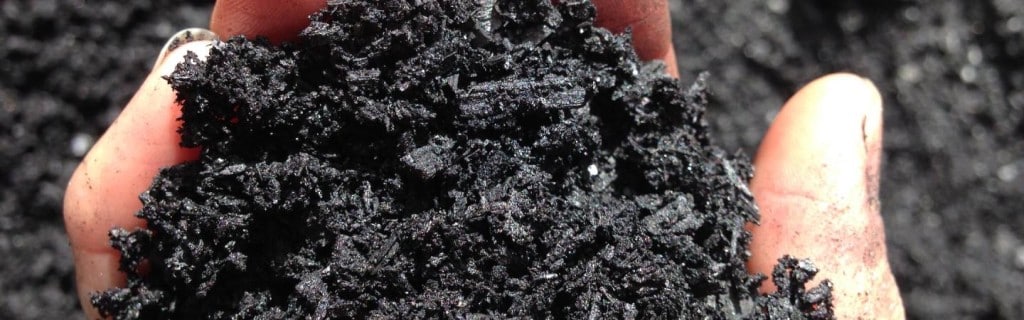
Committee counsel further explained, “Generally, a biochar facility is an industrial operation that converts organic waste material like wood chips into biochar, which is a stable, carbon-rich charcoal. It provides multiple benefits and these include using it as a soil amendment or to sequester carbon dioxide to reduce emissions into the atmosphere.”
He told senators that federal law incentivizes biochar facilities, in order to bolster carbon sequestration, with a tax credit. SB893 would add a state tax credit in order to encourage companies to locate in West Virginia.
“Beginning on July 1, 2026, and thereafter for 12 years,” counsel told senator, “biochar facilties in West Virginia that qualify for the federal tax credit would be eligible to claim a state tax credit against their corporate net income tax. The amount is limited to 10% of the federal tax credit. The credit may not reduce income tax liability more than 50% but may be carried back to any tax year beginning after July 1, 2026.”
A fiscal note, showing how much the bill would cost the state, has been requested but was not yet available to the committee.
The bill passed unanimously without discussion or amendment and now heads to the Finance Committee for further consideration.
WVU is part of MASbio, a consortium of institutions studying biochar’s sustainability and uses.
According to their website, “The ultimate goal of this project is to deliver a sustainable and economically feasible biomass for value-added products system in the Mid-Atlantic region of the U.S.” The demand for soil enrichment and carbon sequestration due to world population growth is only expected to grow, leaving the industry ripe for growth according to market observers.
Click here for the MASBio annual report.
The economic market for biochar is growing rapidly, from a total valuation of $1 billion for the industry last year to more than $2 billion by 2033. As a result, some call it “black gold.”