
LETTER TO THE EDITOR: The Train Has Left the Station. That Doesn’t Mean We Let It Run Us Over.
Letter to the Editor by Michael Miller, White Sulphur Springs
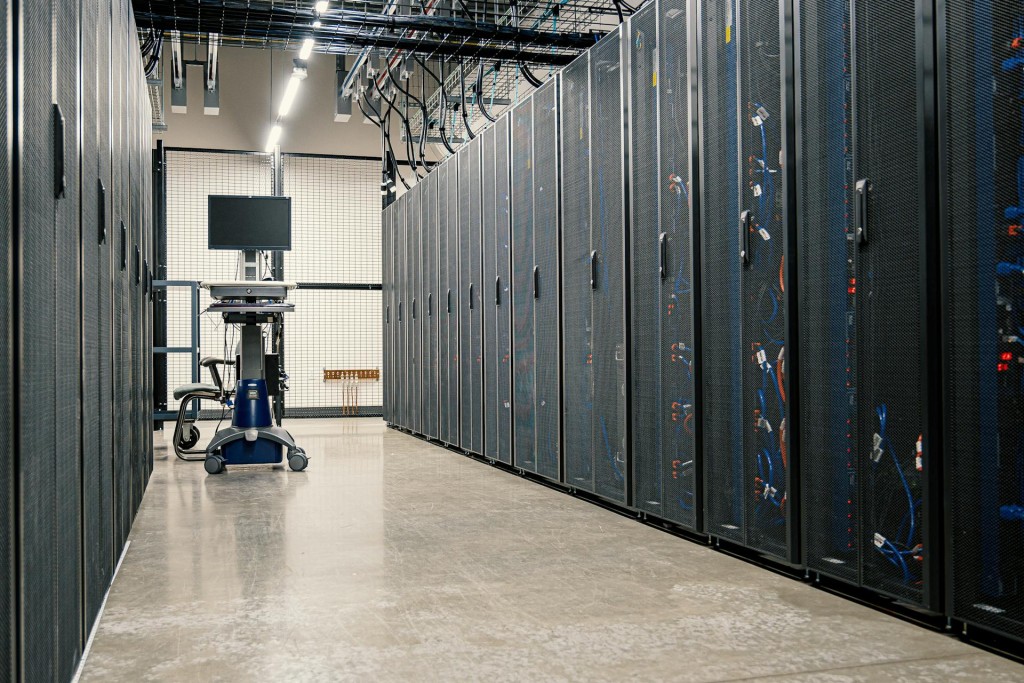
Last week, Governor Morrisey stood in front of cameras and called a $4 billion data center in Berkeley County a “historic win” for West Virginia. He called it an “intelligence center,” which is what you say when you’re trying to make a server farm sound like something it isn’t. What it actually is: 548 acres of land, 600 megawatts of power demand, and — when the construction crews pack up and leave — 125 permanent jobs.
I’m not going to tell you data centers can be stopped. That train has left the station. What I am going to tell you is that the way this is currently structured, we get the costs and all the negative effects, while someone else gets the benefit — and that is worth fighting.
A large data center can consume up to 5 million gallons of water per day. In one Oregon county, a single Google facility consumed 29 percent of the entire county’s water supply in a year. West Virginia already has some of the worst drinking water infrastructure in the country. These facilities aren’t small, either. The Berkeley County campus alone covers 548 acres — clear-cutting, habitat destroyed, farmland paved over permanently. For a county that depends on agriculture, outdoor recreation, and open land as real economic assets, those are costs that don’t show up in the press release. Neither does the noise. These facilities run 24 hours a day, 365 days a year — research links chronic industrial noise to disrupted sleep and cardiovascular stress in nearby residents. In Southaven, Mississippi, residents near one of Elon Musk’s xAI data centers say they got no warning before the turbines started running. Now they have no recourse.
Then there’s the money. Under HB 2014, the law the legislature passed last year to invite these projects, 50 cents of every property tax dollar generated goes to a state fund for income tax cuts. Your county keeps 30 cents. And that 30 cents goes to the county commission. Under current law, that revenue would be split among the county, the municipality, and the schools. HB 2014 cuts schools out entirely. The West Virginia Center on Budget and Policy ran the numbers: a $1 billion data center in Tucker County would cost that county’s school district nearly $4.7 million in lost property tax revenue. Meanwhile, data center equipment is taxed at essentially salvage value under state law — meaning these companies pay a fraction of what their facilities are actually worth. You and I cover the rest.
Other states are already pushing back on this. Illinois has proposed a two-year suspension of data center tax incentives while regulators study what the building boom means for the power grid and for everyday energy bills. Communities in Ohio and Virginia are demanding enforceable noise limits and real environmental standards. We should be having the same conversation here.
What makes West Virginia worse off than most states is that the legislature stripped our county of any ability to push back. Under HB 2014, county commissions have no authority over data centers. Planning and zoning has no authority. Building enforcement has no authority. No other industry in this state operates under that exemption. The secrecy is written into the law — communities don’t learn about these projects until the deal is already done. The Monroe County Commission released a public statement last month confirming that state officials had visited a potential data center site in Ballard — and the commission was never told the name of the company or whether the project was moving forward. Greenbrier County has farmland, water, and open acreage these companies are actively hunting for.
Senator Vince Deeds told a Greenbrier County forum in January that — and I’m quoting directly — “You will see some substantial growth in the Greenbrier Valley, as far as economic growth.” He said announcements were being finalized. He said he couldn’t share specifics because of non-disclosure agreements. Read that again: your state senator knows what’s coming to this valley and is legally bound from telling you.
Senator Deeds called HB 2014 “a good bill.” Delegate Jeff Campbell, a public educator himself, voted yes. Delegate Ray Canterbury voted yes. They voted to hand our county’s authority to the state, cut our schools out of the revenue, and keep us in the dark until there’s nothing left to decide.
That can still be fought. Not by pretending we can turn back the clock, but by demanding that any project coming into this area comes with real protections — enforceable noise limits, guaranteed water safeguards, energy bill protections for the surrounding community, and a revenue structure that actually includes our schools.
County commission meetings are public. Show up. Ask whether any site visits have happened in Greenbrier County. Ask whether any companies have made contact. Ask what protections they intend to demand before any deal moves forward. They work for us, and we have every right to set the terms before someone else does it for us.
The train is already moving. That doesn’t mean we have to let it run us over.
Letter to the Editor by Michael Miller of White Sulphur Springs, WV.
Author