Purple Period Pantry location opens in Charleston today
By RealWV Staff,
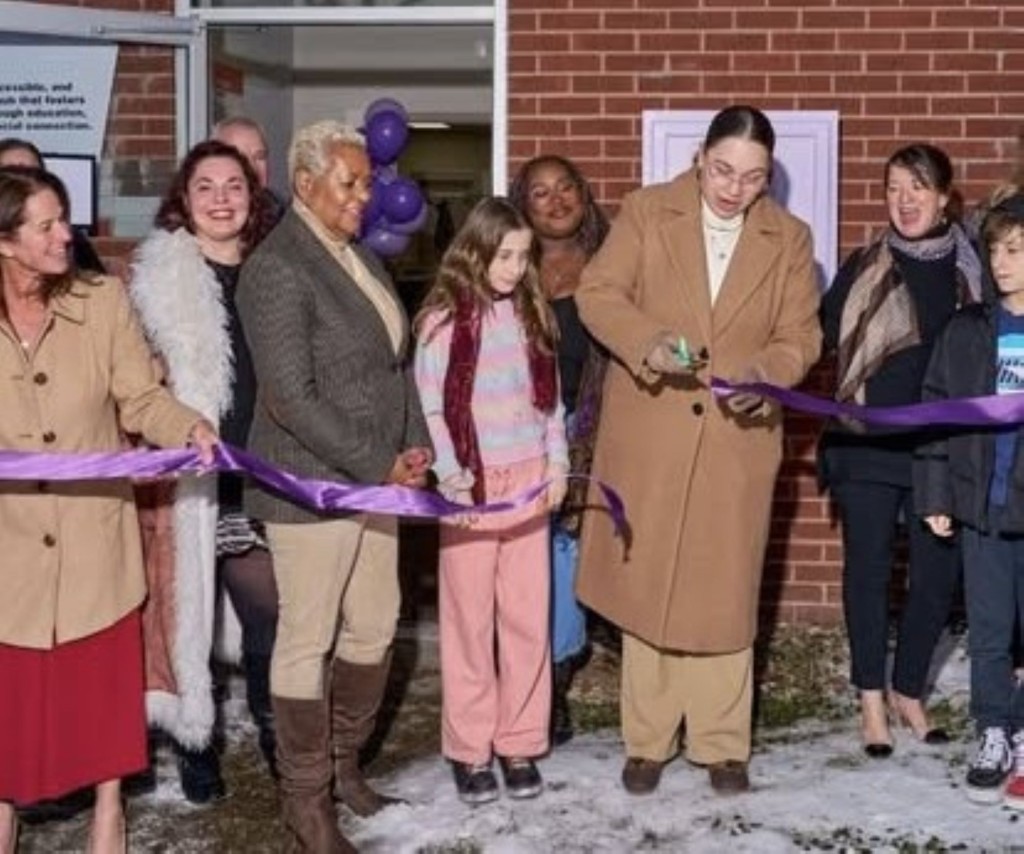
CHARLESTON, WV — Join the WV Women’s Alliance on Wednesday, March 25th for a ribbon cutting to celebrate the opening of Charleston’s second Purple Period Pantry at WV FREE’s office in the Mountain State Justice building!
Funded by the City of Charleston’s Hearts of Our Neighborhood grant, this community-powered initiative provides free menstrual hygiene products in accessible locations to promote dignity, health, and menstrual equity. The pantry is stocked and maintained by WV FREE, Planned Parenthood South Atlantic, and Mountain State Justice.
After the ribbon cutting, participants walk one block to St. John’s Episcopal Church (1105 Quarrier Street) for a spaghetti dinner. Childcare will be provided (email info@wvfree.org if needed), and attendees are encouraged to bring menstrual products to donate.
Presented in partnership with:
- YWCA Charleston (Pantry Site)
- West Virginia Women’s Alliance
- WV FREE (Pantry Site)
- Women’s Health Center of West Virginia (Pantry Site)
- Family Care Health Centers (Pantry Site)
About the Hearts of Our Neighborhood Grant
Purple Period Pantries is supported through the Hearts of Our Neighborhood program, a City of Charleston initiative designed to invest in neighborhood-based projects that strengthen community well-being, improve access to essential resources, and foster local partnerships
What Is Purple Period Pantries?
Purple Period Pantries is a community-driven initiative working to eliminate period poverty by providing free, accessible menstrual hygiene products in high-traffic, trusted public spaces throughout Charleston and West Virginia.
The initiative ensures that people who menstruate can manage their periods safely — without stigma, shame, or financial hardship — while also increasing community awareness and education around menstrual health.
No forms. No questions. Just access.
What Is Period Poverty?
Period poverty is the lack of access to menstrual hygiene products, education, sanitation, and waste management. It has serious impacts on health, education, employment, and dignity.
- Roughly 42% of people who menstruate report struggling to afford period products
- Many face impossible choices between buying food or hygiene supplies
- Some resort to unsafe alternatives, leading to health risks and missed school or work
Period poverty is not a niche issue — it affects families, students, workers, and entire communities.
How Purple Period Pantries Work
Purple Period Pantries are free, discreet community pantries stocked with essential menstrual hygiene products, including:
- Pads
- Tampons
- Panty liners
- Select reusable menstrual products
Why This Matters
Access to menstrual products supports:
- Health & hygiene
- School attendance
- Workforce participation
- Personal dignity and confidence
When basic needs are met, individuals can fully participate in school, work, and daily life — strengthening families and neighborhoods alike.
Education Is Central to the Mission
Purple Period Pantries pairs access with education to reduce stigma and empower informed health decisions.
Menstrual Health Basics
- Menstruation is a normal biological process
- Menstrual cycles vary — there is no “one normal”
- Products should be changed regularly to prevent irritation or infection
Community Impact Goals
During its first year, Purple Period Pantries aims to:
- Launch and maintain 3 community pantries in high-need areas
- Distribute 7,500+ menstrual products
- Engage 300 community members through education and outreach
- Train 15–20 volunteers and partners
This model is designed to be sustainable, accountable, and scalable.
How You Can Support This Work
Purple Period Pantries is powered by community generosity.
- Donate funds to help restock pantries
- Donate menstrual hygiene products
- Host a pantry or educational workshop
- Share this initiative with your network
Donations can be dropped off at: St. John’s Episcopal Church at 1105 Quarrier Street in Charleston, WV.
Author

Related Articles

Don’t Rock the Chair
A fictional tale based on Appalachia folklore by Dakota Baker.