THIS WEEK IN WV HISTORY: April 5-11
Presented by the WV Humanities Council,
Charleston WV – The following events happened on these dates in West Virginia history. To read more, go to e-WV: The West Virginia Encyclopedia at www.wvencyclopedia.org.
April 5, 1856: Booker T. Washington was born enslaved in Virginia. In 1865, he moved with his family to Malden, in Kanawha County, to join his stepfather, who had escaped from slavery during the Civil War. He became one of the most influential educators in U.S. history.
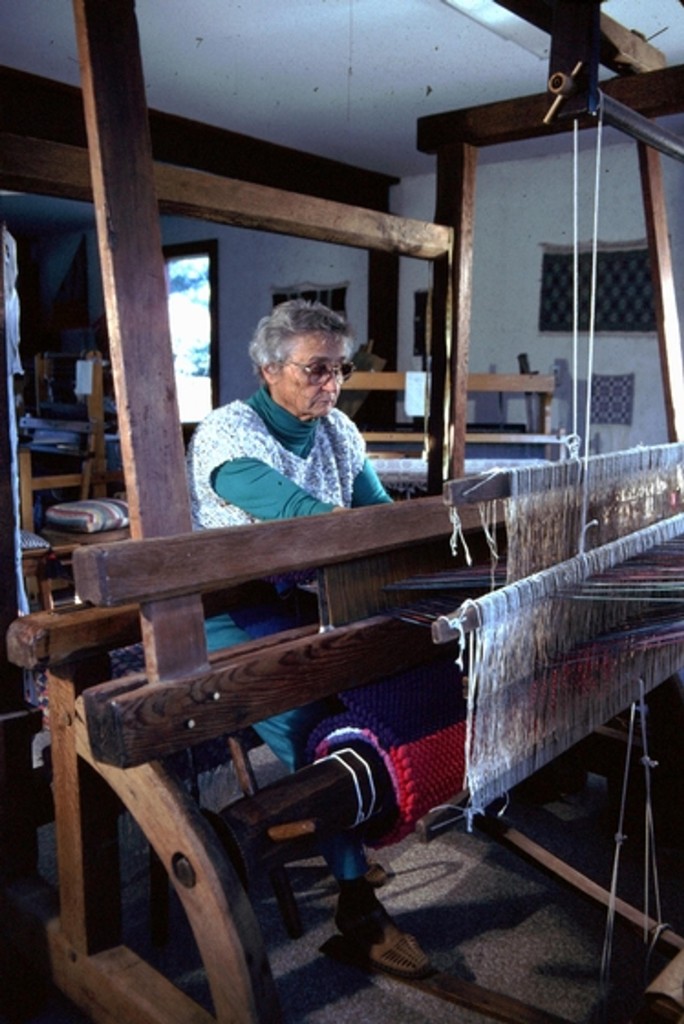
April 5, 1920: Gifted hand weaver Dorothy Mayor Thompson was born. From an old schoolhouse in Canaan Valley, Tucker County, she taught generations of people about fiber arts. In 2000, she was named a National Heritage Fellow, the nation’s highest honor in folk and traditional arts.
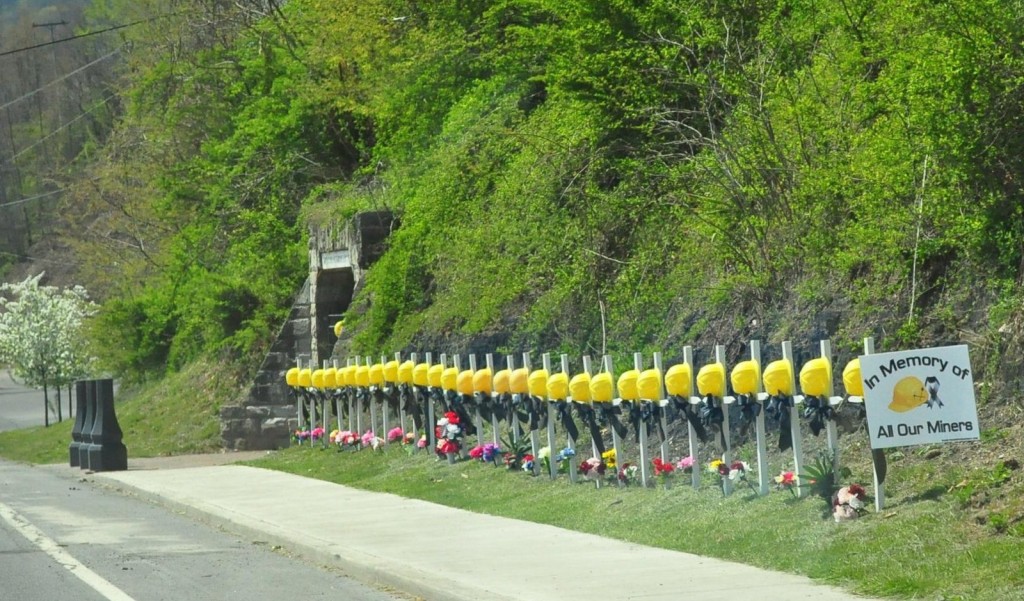
April 5, 2010: An explosion at the Upper Big Branch Mine in Raleigh County killed 29 workers. Only two men escaped from the mine alive. It was the state’s worst coal mine disaster since 1968, when the Consol No. 9 Mine at Farmington exploded, killing 78 workers.
April 6, 1938: The Civilian Conservation Corps (CCC) established Camp Kanawha in Kanawha State Forest. The CCC removed all the abandoned houses, coal tipples, and other structures no longer in use, and constructed roads, the forest superintendent’s residence, office, maintenance building, and picnic shelters.
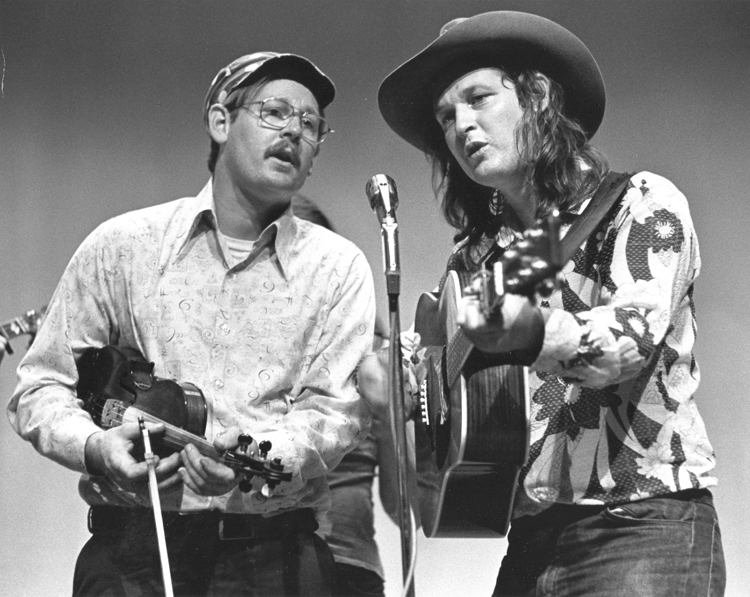
April 6, 1944: Guitarist and singer David Morris was born in Ivydale, Clay County. With his brother John on fiddle, the Morris Brothers founded music festivals, supported union and environmental causes and promoted West Virginia traditional music nationwide.
April 6, 1964: Brad Smith was born in Huntington and then grew up in Kenova. He became CEO of Intuit in 2008 and the 38th president of his alma mater, Marshall University, in 2021.
April 7, 1927: A. James Manchin was born in Farmington. In 1984, the longtime secretary of state was elected state treasurer but soon fell into trouble. With a stock market downturn in 1987, Manchin bore much of the blame when the state lost nearly $300 million in investments.
April 7, 1947: Medal of Honor recipient Thomas W. Bennett was born in Morgantown. Believing it was wrong to evade the draft while others served in Vietnam, he volunteered as a conscientious objector, becoming a noncombatant medic. He was killed by gunfire while dragging a wounded soldier to safety.
April 7, 2004: Gov. Bob Wise signed legislation that transformed four colleges into universities: West Virginia State, Shepherd, Fairmont State and Concord.
April 8, 1891: The town of Paw Paw was incorporated. Strategically located on the Potomac River, the Baltimore & Ohio Railroad and the C&O Canal, Paw Paw was named for the banana-like pawpaw fruit that grows in the area.
April 8, 1951: An Air National Guard transport plane crashed near Kanawha (now Yeager) Airport, killing 21.
April 9, 1817: John Nuttall was born in England. In the early 1870s, he became one of the first operators to ship coal on the Chesapeake & Ohio Railway and founded the town of Nuttallburg in the New River Gorge.
April 9, 1900: Physician Margaret Byrnside “Dr. Maggie” Ballard was born. She actively pursued her interest in genealogy and local history and was a founder of the Monroe County Historical Society.
April 10, 1806: American Revolutionary War general Horatio Gates died in New York. The victor of Saratoga, he was relieved of command after his disastrous defeat at Camden, South Carolina. Before and during the war, he regularly visited his home Traveller’s Rest in present-day Jefferson County.
April 10, 1848: John Kenna was born in Kanawha County. In 1883, the state legislature elected him to the U.S. Senate, unseating the powerful Henry G. Davis. Kenna is one of two West Virginians memorialized by a statue in the U.S. Capitol.
April 10, 1932: Entertainer Blaze Starr was born as Fanny Belle Fleming in Wayne County. The owner of a burlesque club rechristened her “Blaze Starr.” Her story was the basis of the movie Blaze.
April 11, 1821: Congressman Jacob Beeson Blair was born in Parkersburg. Blair was the first West Virginian to be told by Abraham Lincoln of the president’s support for making West Virginia a state.
April 11, 1847: Diarist Sirene Bunten was born in French Creek, Upshur County. As a teenager, she kept a diary about her daily activities, including emotional accounts of life on the West Virginia home front during the Civil War.
April 11, 1909: Writer Hubert Skidmore was born at Laurel Mountain in Webster County. In his novels, Skidmore depicted stoic endurance by mountain people in the face of misfortune and economic exploitation by outside interests.
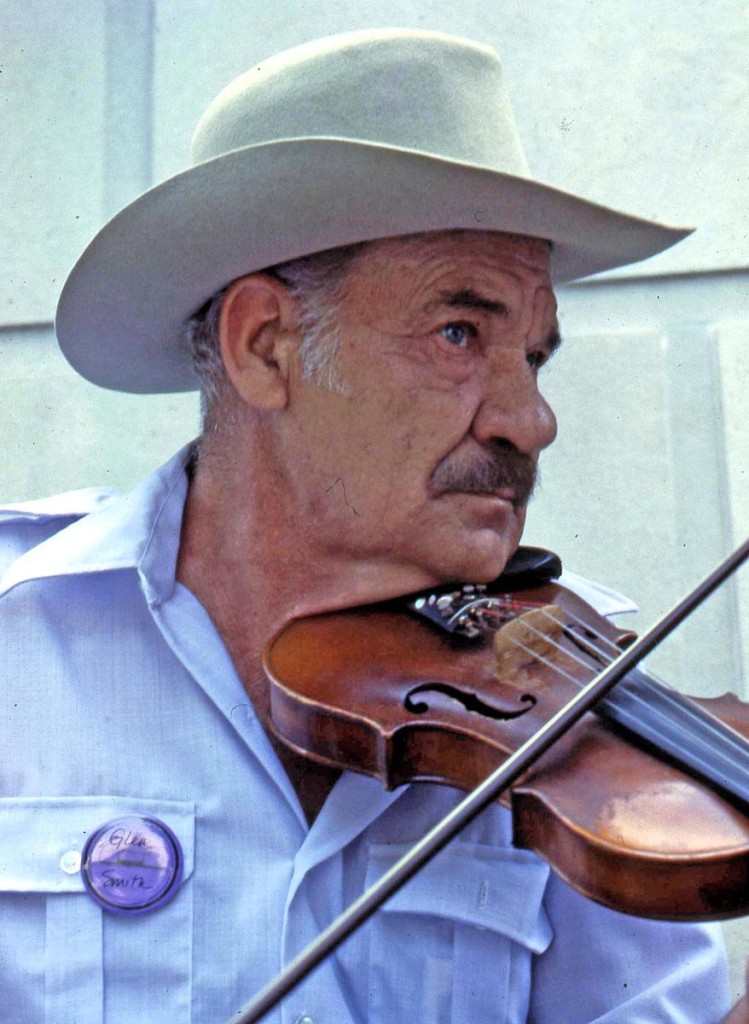
April 11, 1923: Fiddler Glen Smith was born in Virginia and eventually settled in Elizabeth, Wirt County. Known for his powerful playing style, his honors included the 1998 Vandalia Award, the state’s highest folklife recognition.
April 11, 1940: Award-winning artist Susan Poffenbarger was born in Charleston. Her work can be found in many galleries as well as the State Museum, IRS National Computing Center in Martinsburg and the Federal Courthouse Annex in Wheeling.
April 11, 1964: Writer Pinckney Benedict was born in Lewisburg. His two collections of short stories, Town Smokes and The Wrecking Yard, as well as his novel Dogs of God were named Notable Books by the New York Times Book Review.
e-WV: The West Virginia Encyclopedia is a project of the West Virginia Humanities Council. For more information contact the West Virginia Humanities Council, 1310 Kanawha Blvd. E., Charleston, WV 25301; (304) 346-8500; or visit e-WV at www.wvencyclopedia.org.
Author