Polio survivor advocates for child vaccines
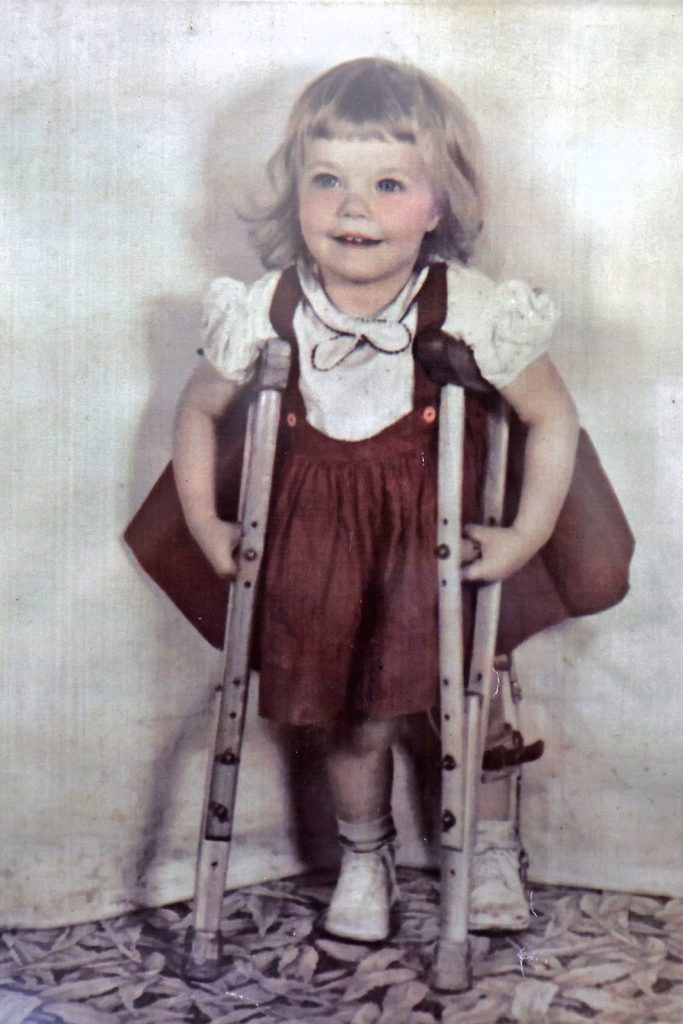
By Jenny Harnish & Stephen Baldwin, RealWV CLINTONVILLE, W.Va. — When Ruth Harmon came out of the hospital at 2 years old, she didn’t recognize her mother and father. She had spent the majority of her first two years of life in hospitals and in the iron lung, where they weren’t allowed to see her. […]
By Jenny Harnish & Stephen Baldwin, RealWV
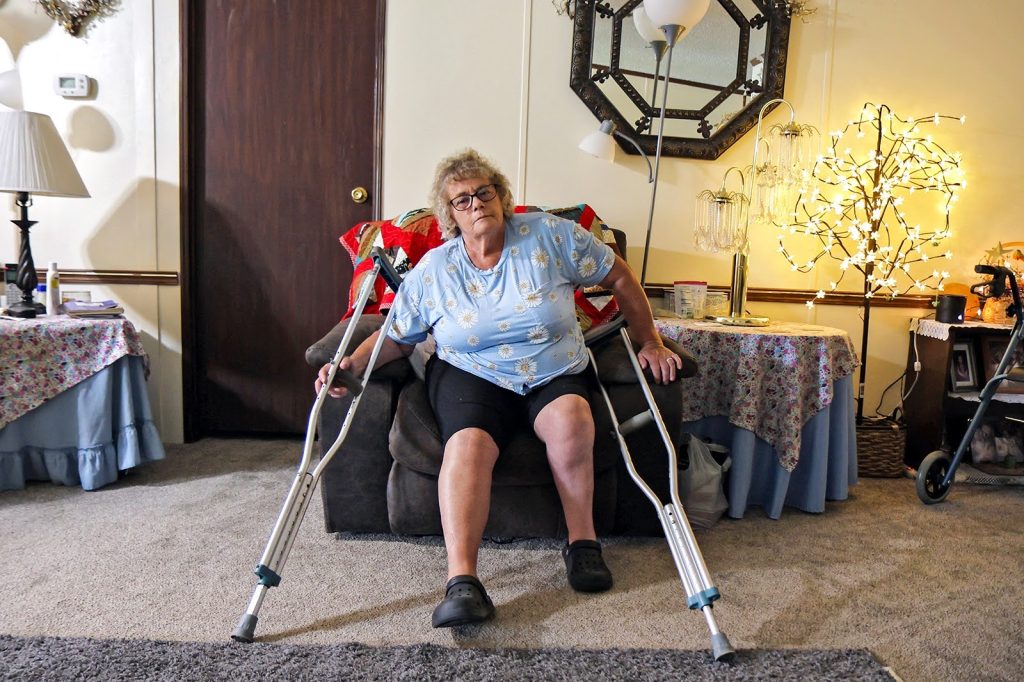
CLINTONVILLE, W.Va. — When Ruth Harmon came out of the hospital at 2 years old, she didn’t recognize her mother and father. She had spent the majority of her first two years of life in hospitals and in the iron lung, where they weren’t allowed to see her.
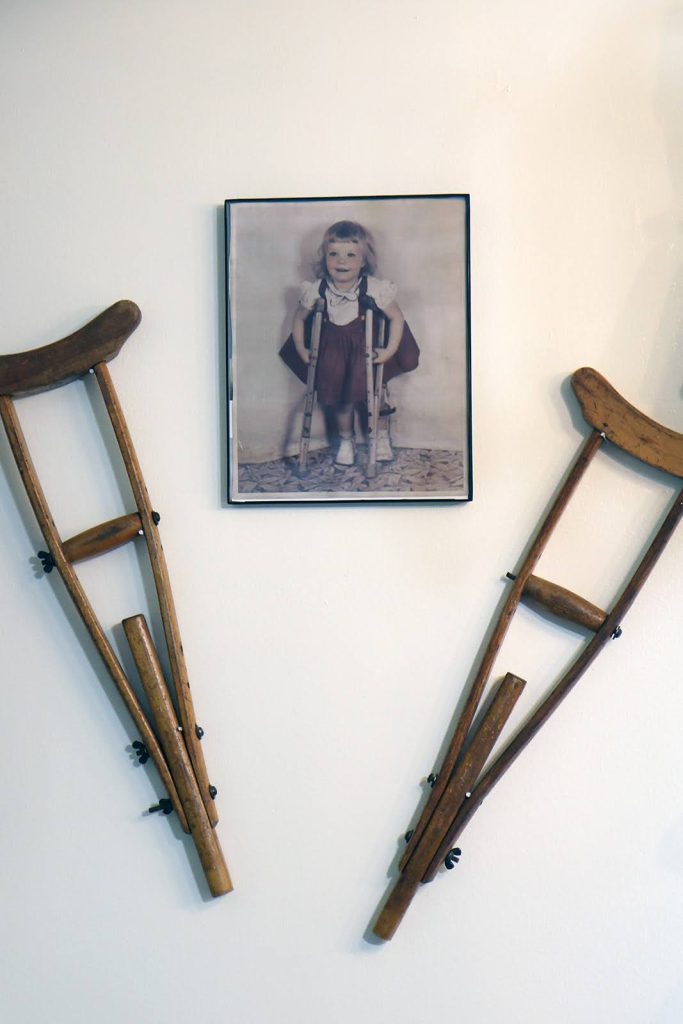
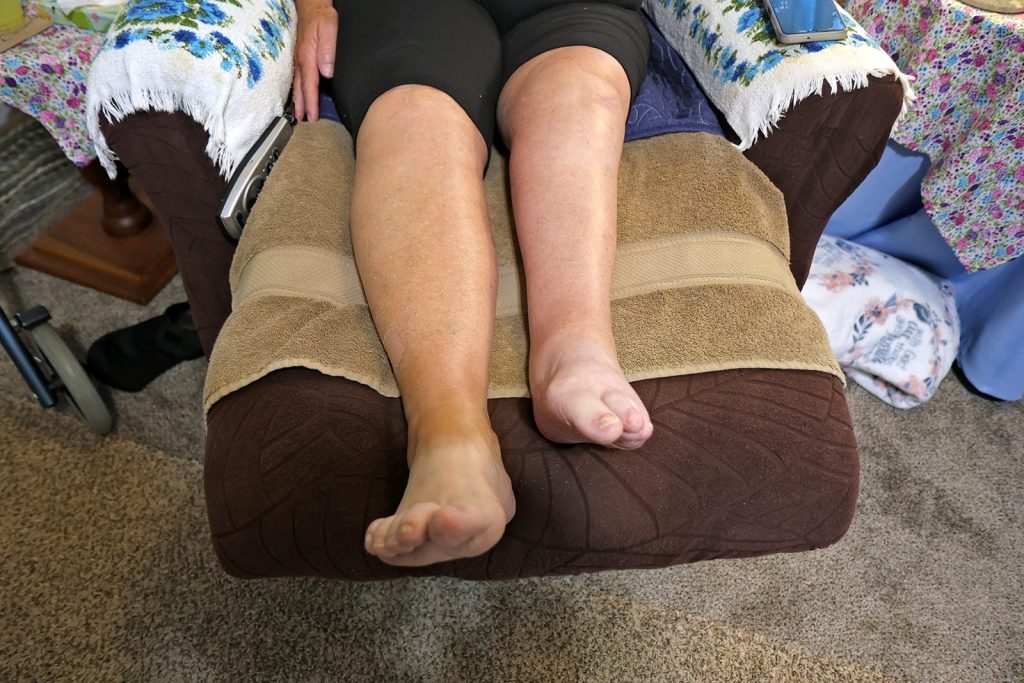
Harmon contracted polio at just 10 months old. The polio vaccine was available, but her mother had not yet taken her to get it. Polio left her left leg 6 inches shorter than her right leg and affected her feet, bowels, muscles and lungs.
“I couldn’t ever ride a bicycle or ride a horse. I’ve never run a day in my life — I just do a little hop,” she said.
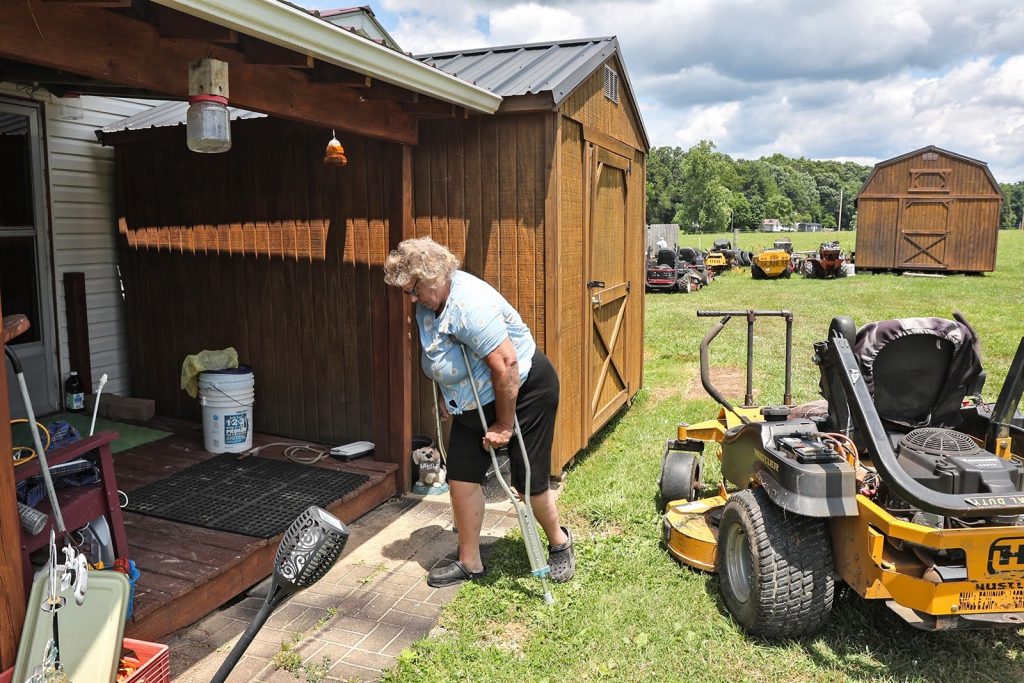
“Ever since I started walking at 2, I have been on crutches,” she said. When she was in fourth grade, she had a surgery on her left foot that helped her walk, and she was encouraged to wear a brace and a built-up shoe. “I got off my crutches when I was about 16. I walked without a brace, and I wouldn’t wear my built-up shoes because people made fun of me.”
Now, at 71, the Clintonville resident urges people to get their children vaccinated.
“Mom got all the other kids after me vaccinated. When I got out of the hospital at 2 I had to go to Beckley every month. They had a doctor who checked us, and I saw a lot of crippled children there. And I saw some worse off than I am.”
State legislature weighs changes to vaccine laws
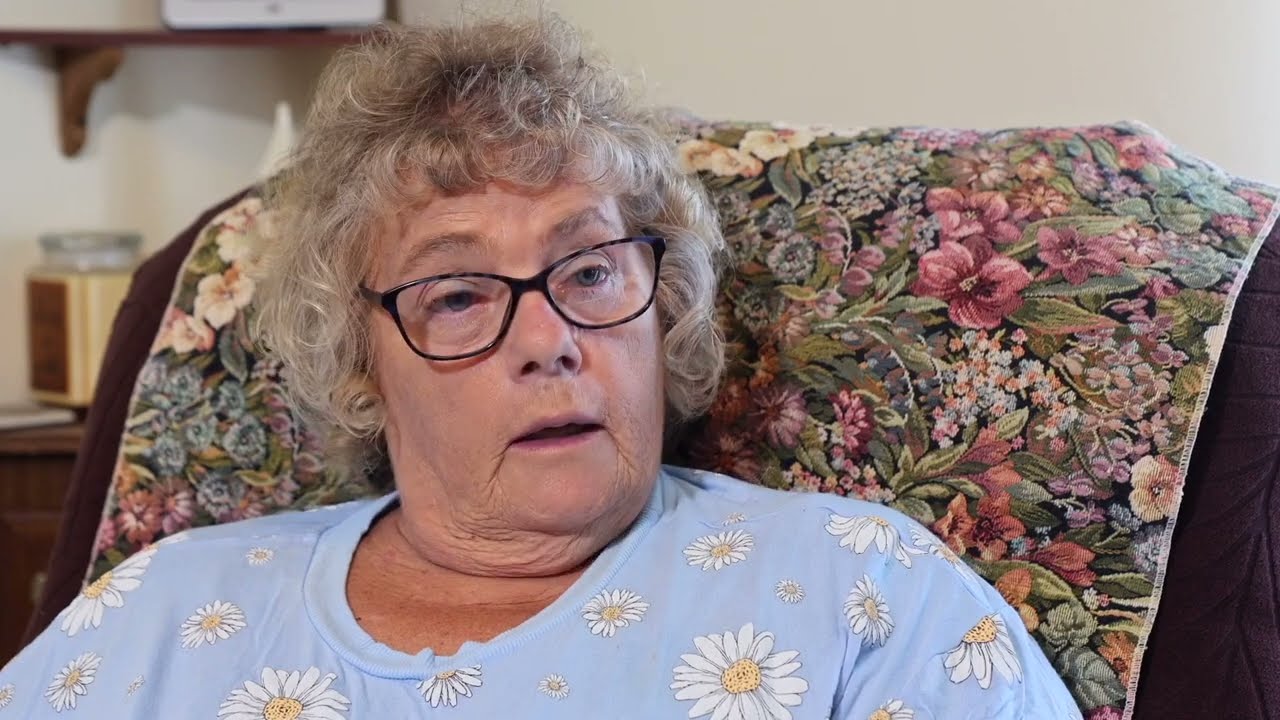
Harmon chose to share her story in the wake of ongoing debates about children’s vaccine laws in West Virginia.
Currently, state law requires children who want to enroll in public schools to receive certain vaccinations. In 2025, the Legislature considered a bill that would have added exceptions to that list of required vaccines.
SB 460 was introduced by Gov. Patrick Morrisey during his first year in office after he campaigned on the issue. It proposed two changes to state law. First, it would have provided mandatory exceptions to vaccines for children whose parents stated that they had religious or ideological objections to a vaccine. Second, it would have altered the medical exemption by allowing a child’s doctor to grant an exception directly. Currently, the state health office must approve all medical exemptions based on the recommendations of local physicians.
Senate Minority Leader Mike Woelfel, D-Cabell, offered an amendment to maintain the polio vaccine as mandatory for children.
“Some of us are old enough to remember polio and the scourge it brought upon children,” Woelfel told to colleagues. “It’s a demon. Polio is a demon. Are we going to give polio a chance to come back? Polio?”
“You want to see these kids on the iron lung?” Woelfel asked. “Go ahead and make polio great again. Give polio another chance. Please, for the sake of these children, the least among us, respect them — save them from this demon.”
The amendment failed by a vote of 12-19, and the bill passed the Senate shortly thereafter. However, the House defeated the bill by a vote of 42-56 at the conclusion of the session.
Morrisey later issued an executive order on the matter, to which the state superintendent of schools took exception, leading to a series of lawsuits. The matter is currently before the West Virginia Supreme Court.
‘It’s a shame’
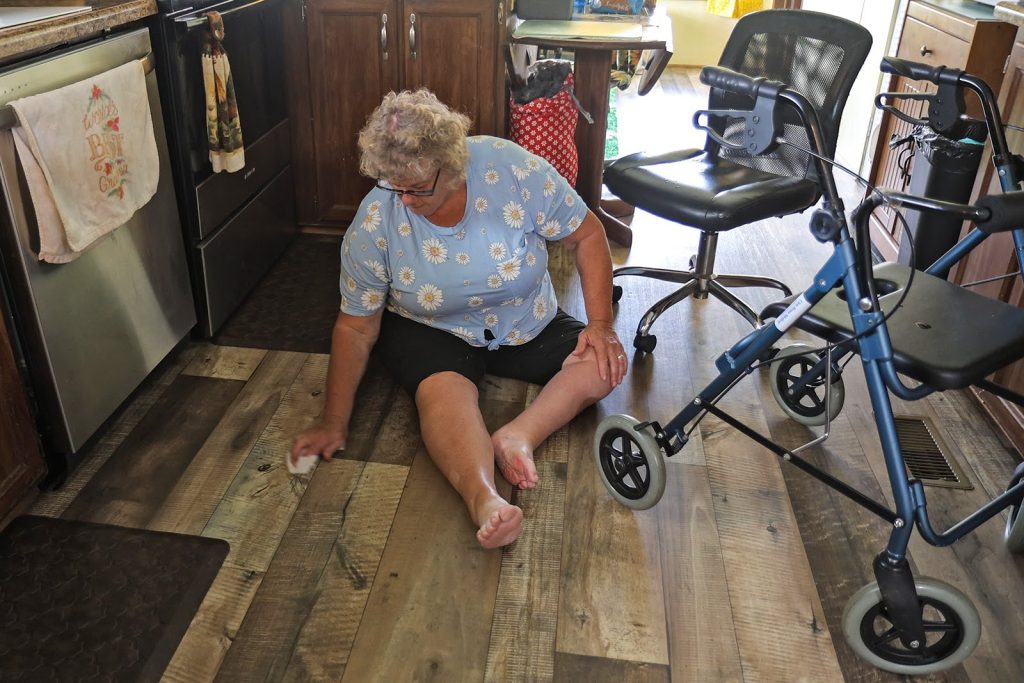
“From 10 months old until I was 2, I was in the hospital,” Harmon said. “I can’t stand very long at all. Anything I do outside, I sit down. It’s a shame if you see what all it does to you.”
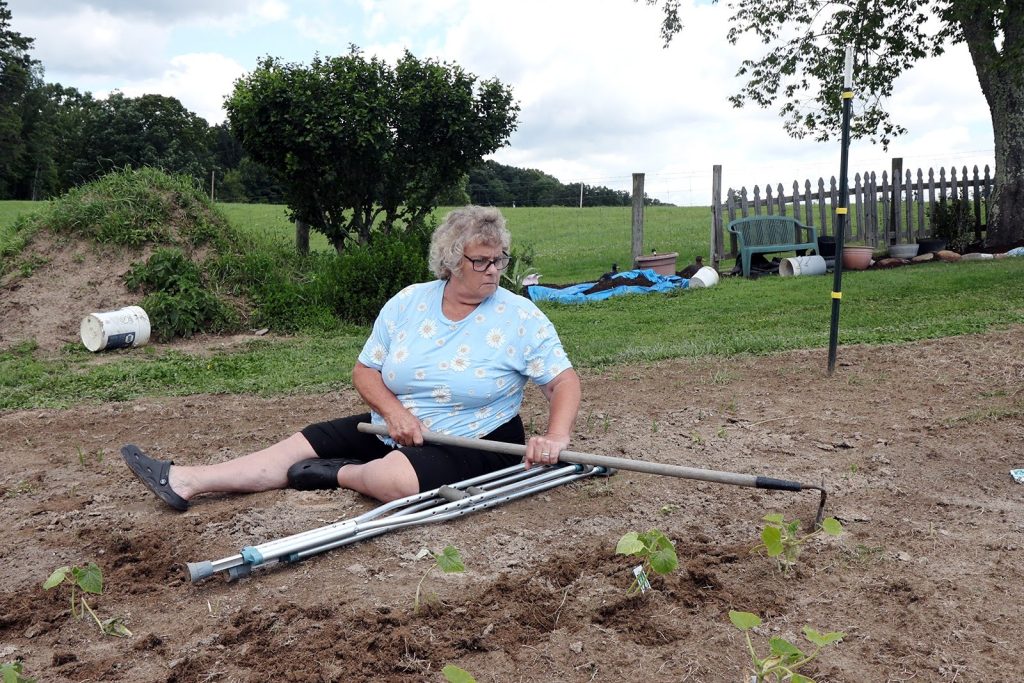
Harmon remains active. Outside, she drives her riding lawn mower to get to her garden, where she does most of her digging and planting while sitting on the ground.
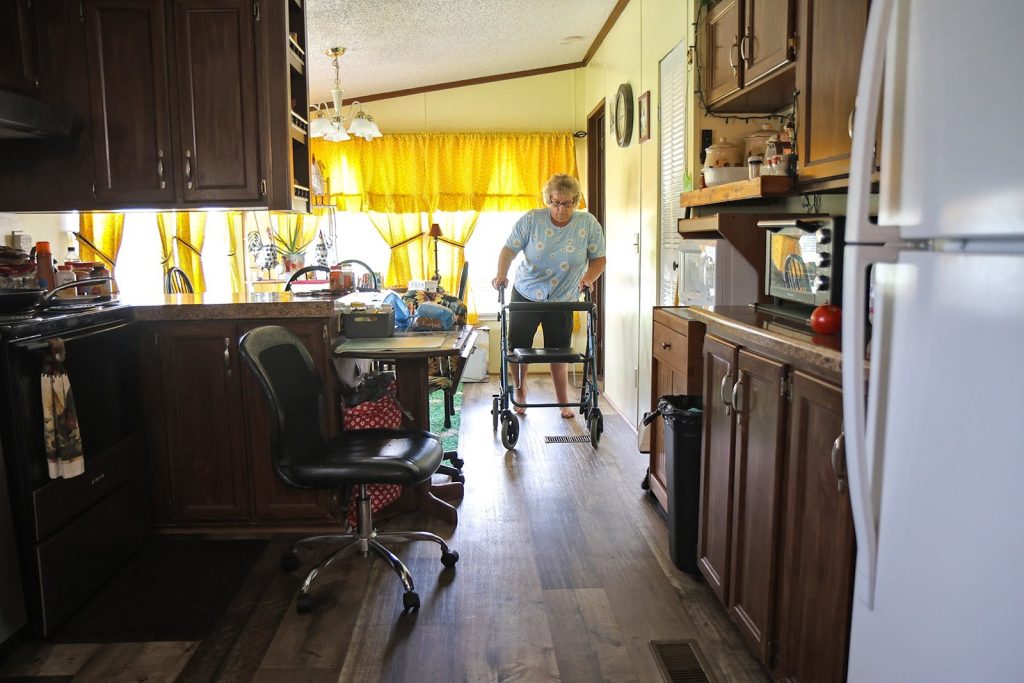
Inside, she sits in a rolling chair to sweep and mop her kitchen. She uses her crutches and a walker to get around. She loves to sew, and her sewing room is filled with colorful patterns, which she uses to make aprons, quilts, and bags.
“I tell you, the crutches hate rain, snow, ice, and mud. And they’d better be dry when you come in the house, or you’ll fall. I’ve had adults make fun of me, even after I had kids. I hate it when adults make fun of me.”