A look inside Appalachia’s largest recovery-based music festival
By Stephen Baldwin, RealWV
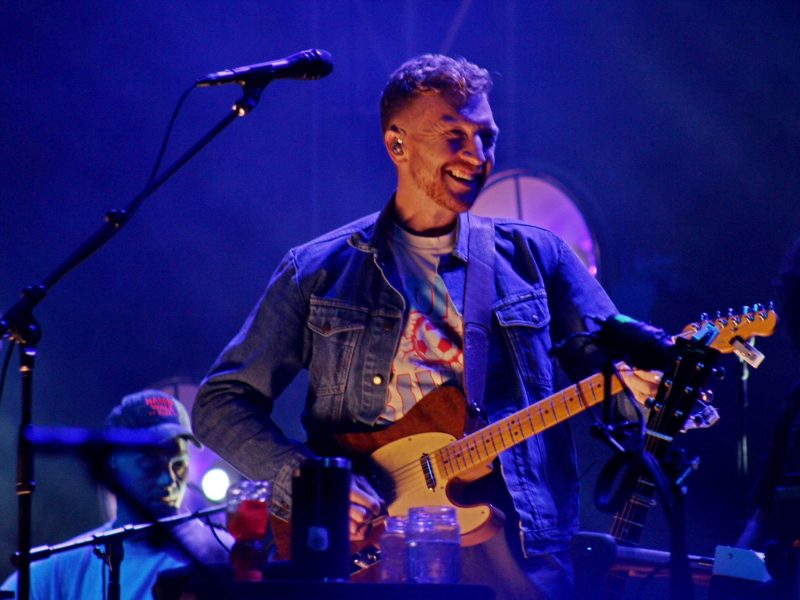
Tyler Childers is a Grammy-nominated country artist with a huge fan following. Originally from Kentucky, he lived in Huntington and Lewisburg, WV, before making it big with his 2017 album Purgatory. He now boasts millions of followers on social media and enough critical acclaim to last most artists a lifetime.
Since the inaugural Healing Appalachia in 2018, Childers has donated his time and resources to the show, which has become the world’s largest recovery-based music festival.
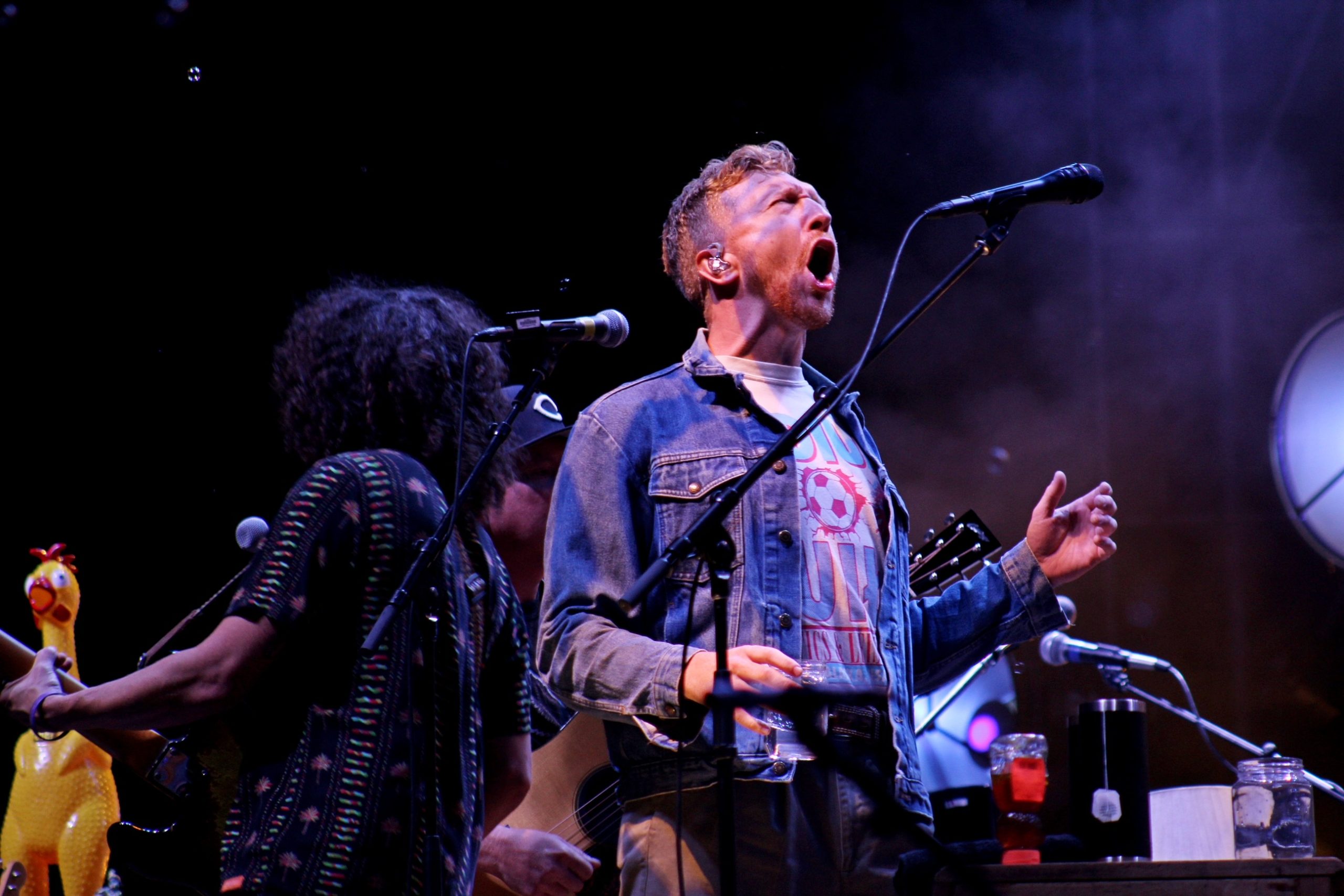
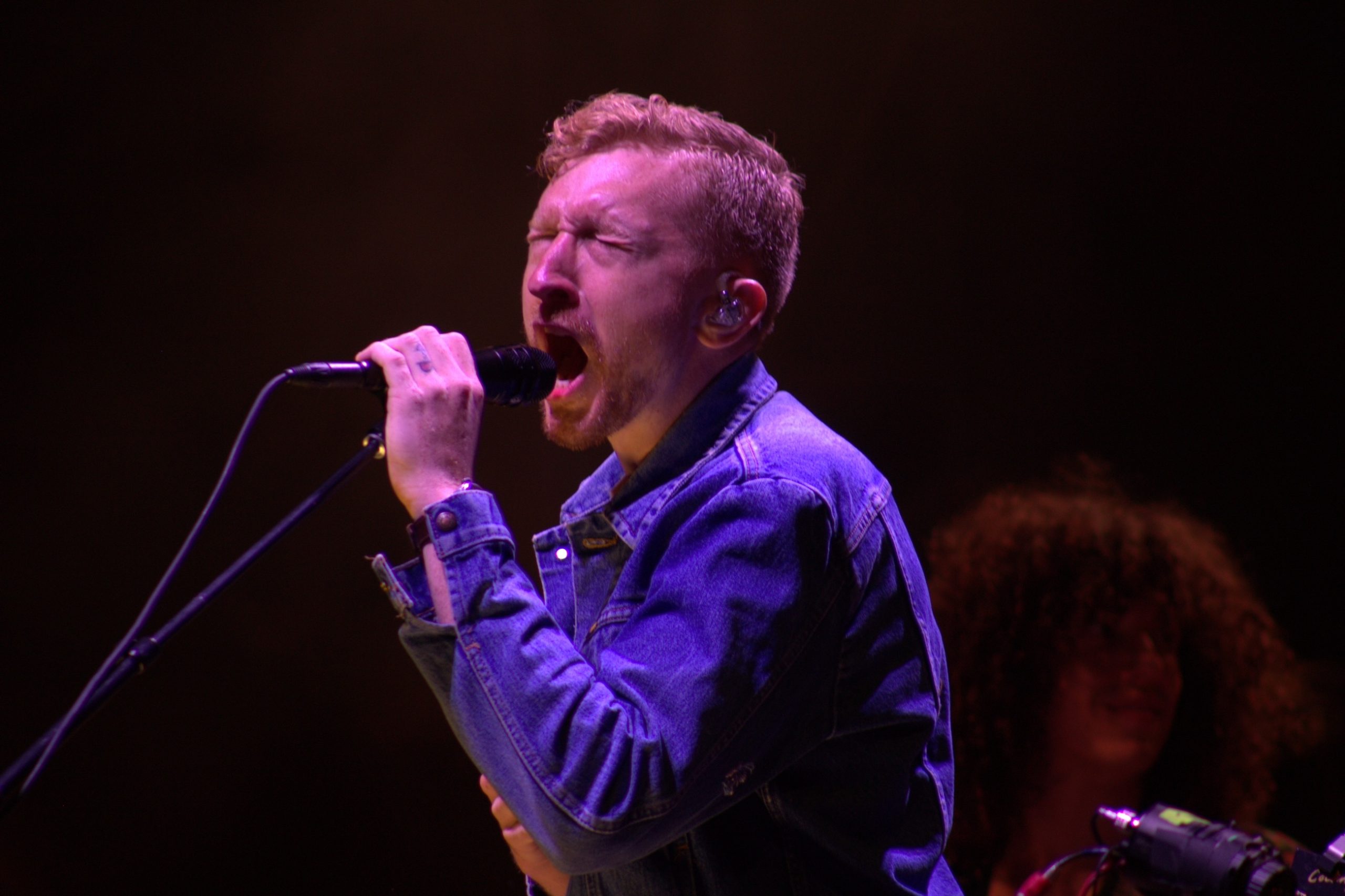
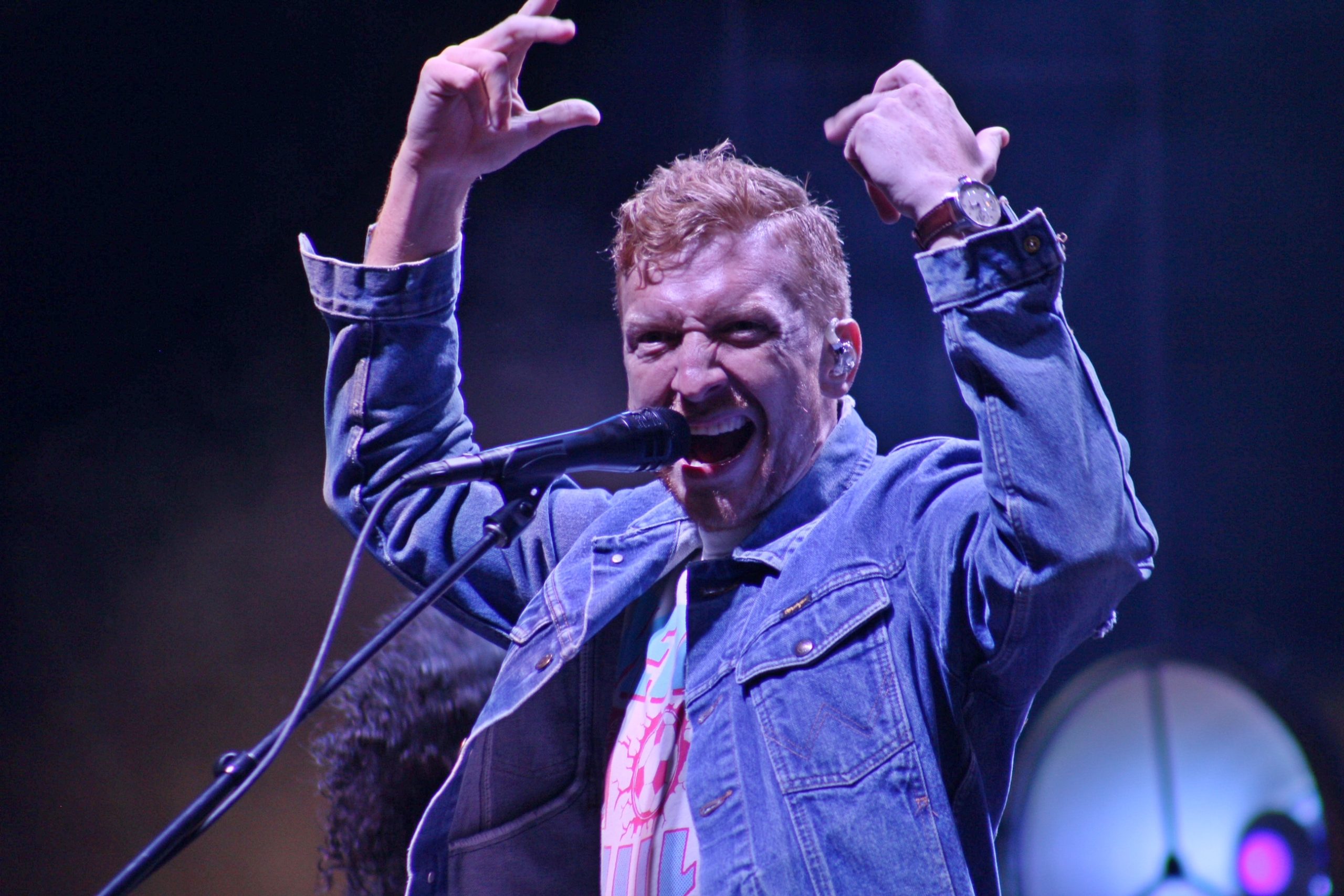
Why? It’s personal for him.
At a concert in Knoxville earlier this year, Childers (who is notoriously private) opened up about his struggles with sobriety. He shared that he gave up drugs and alcohol after getting drunk before a previous show in Knoxville several years back.
“I don’t really talk about my sobriety because I don’t like to…I’m not like some motivational speaker or anything like that. I will tell you that I just found things to do other than (drugs and drinking)”, he shared as he became emotional. “Because that’s the biggest thing you get back–time.”
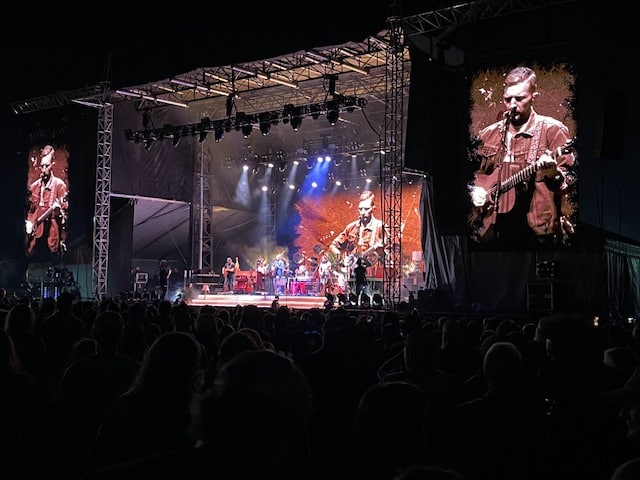
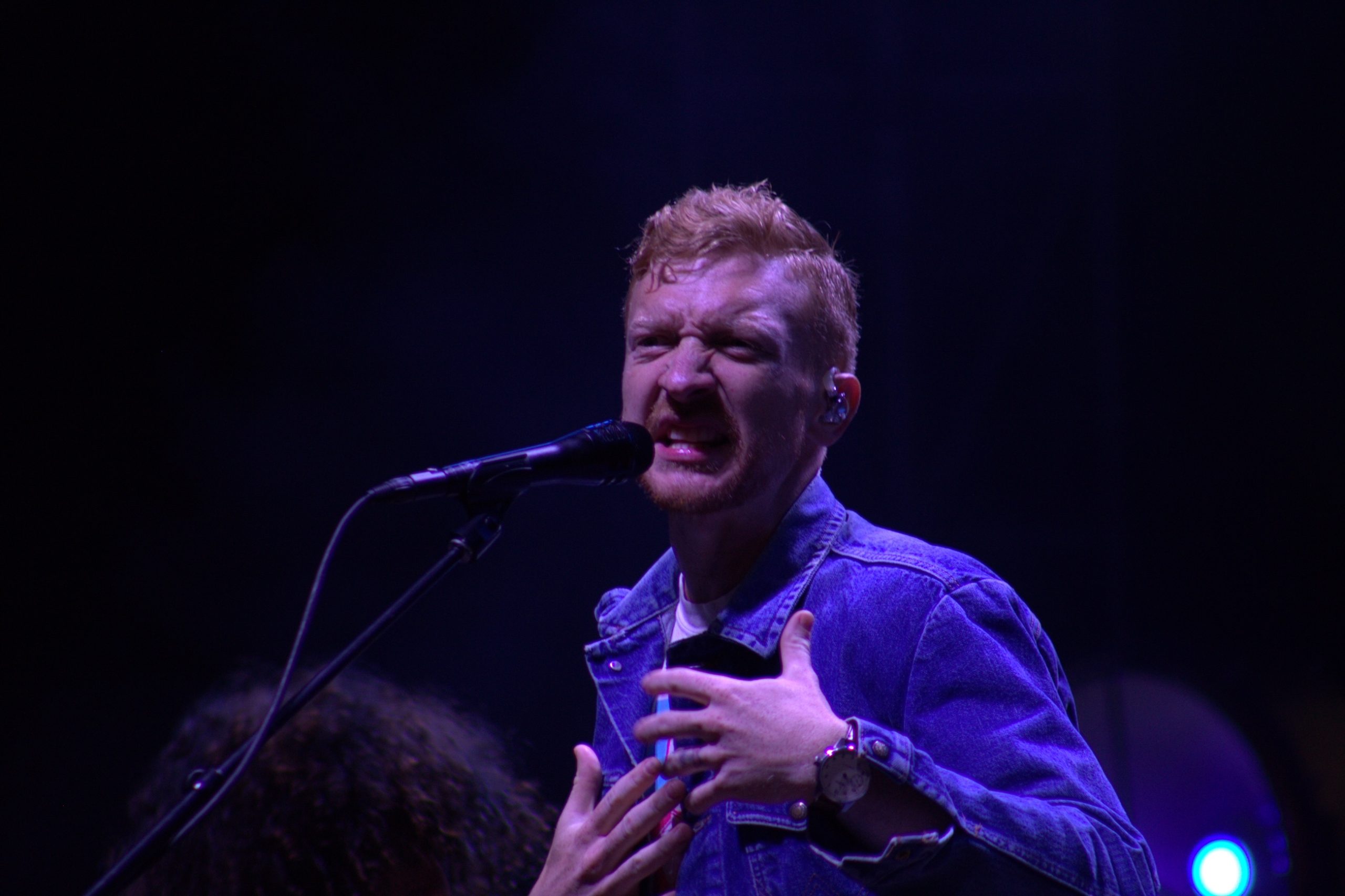
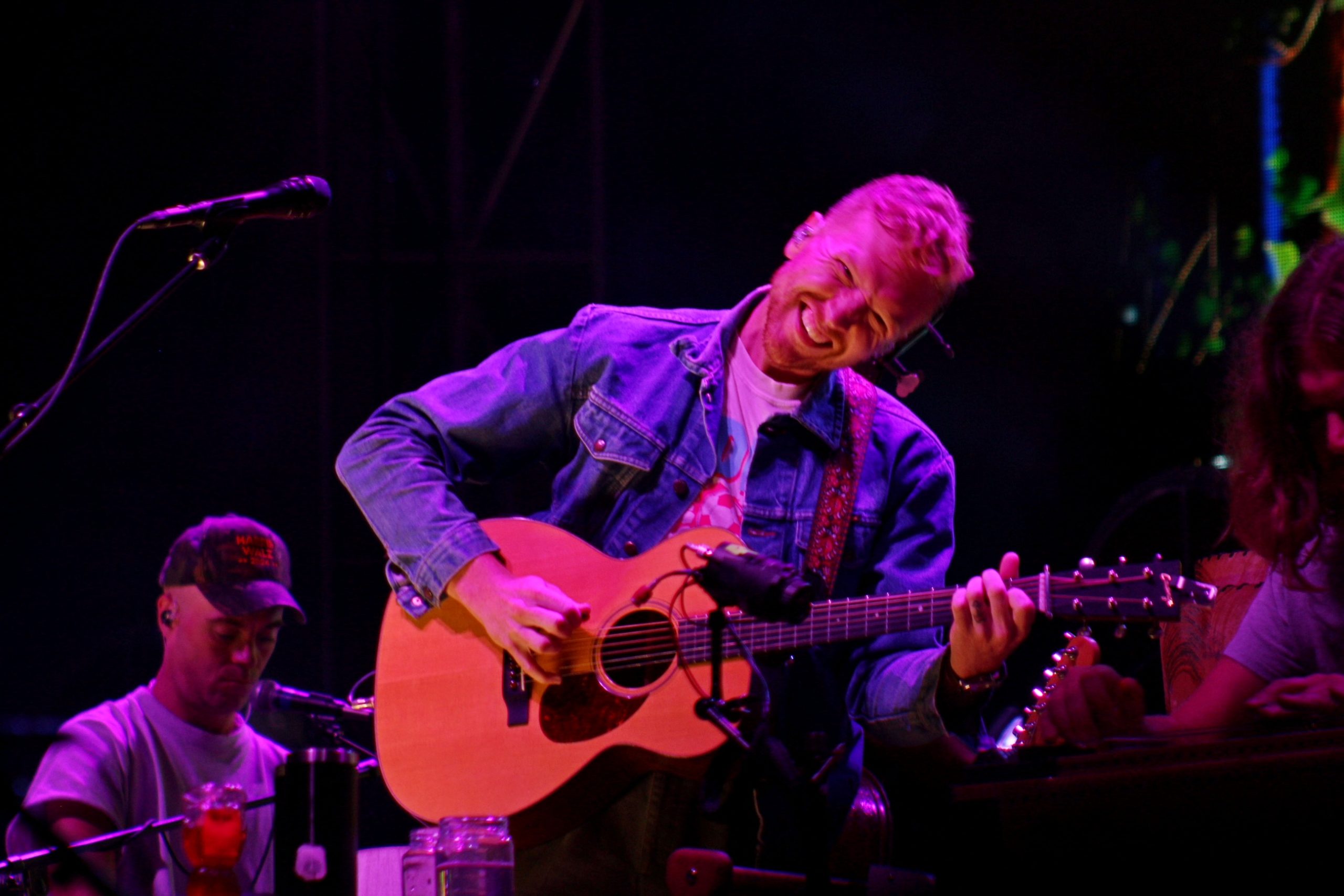
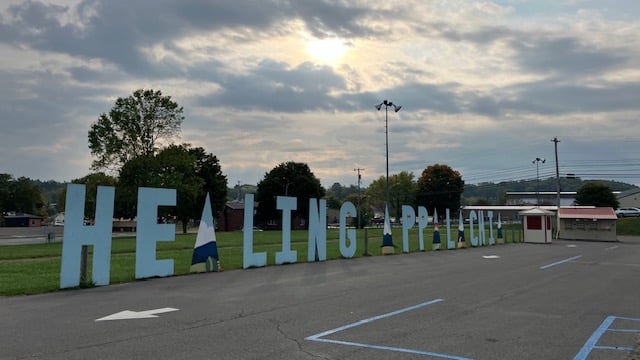
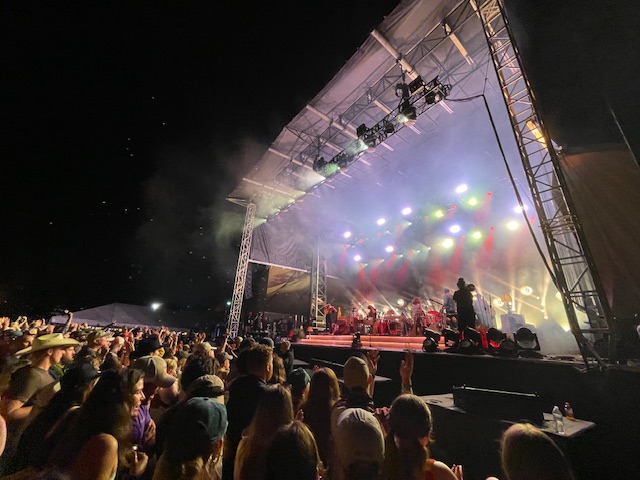
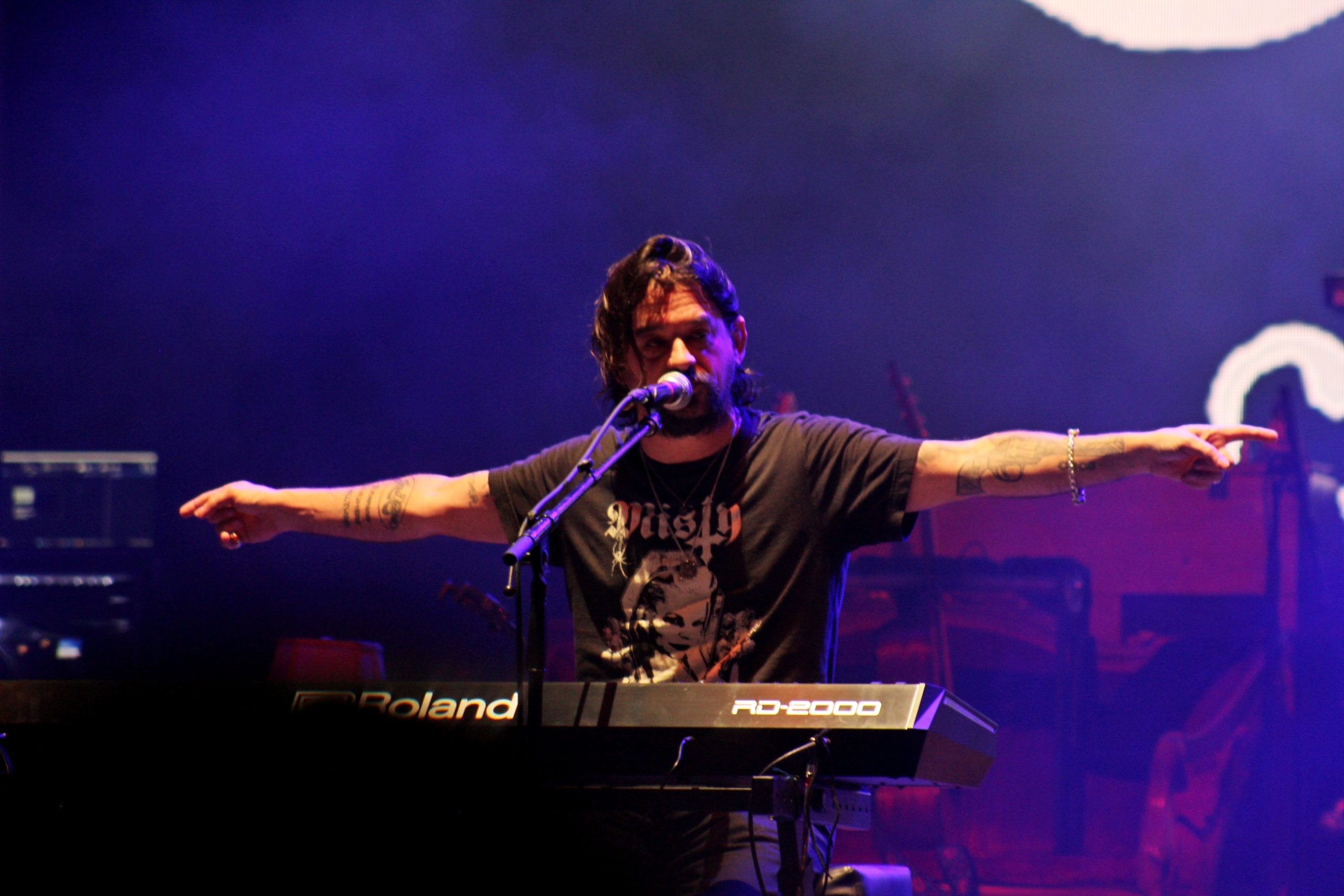
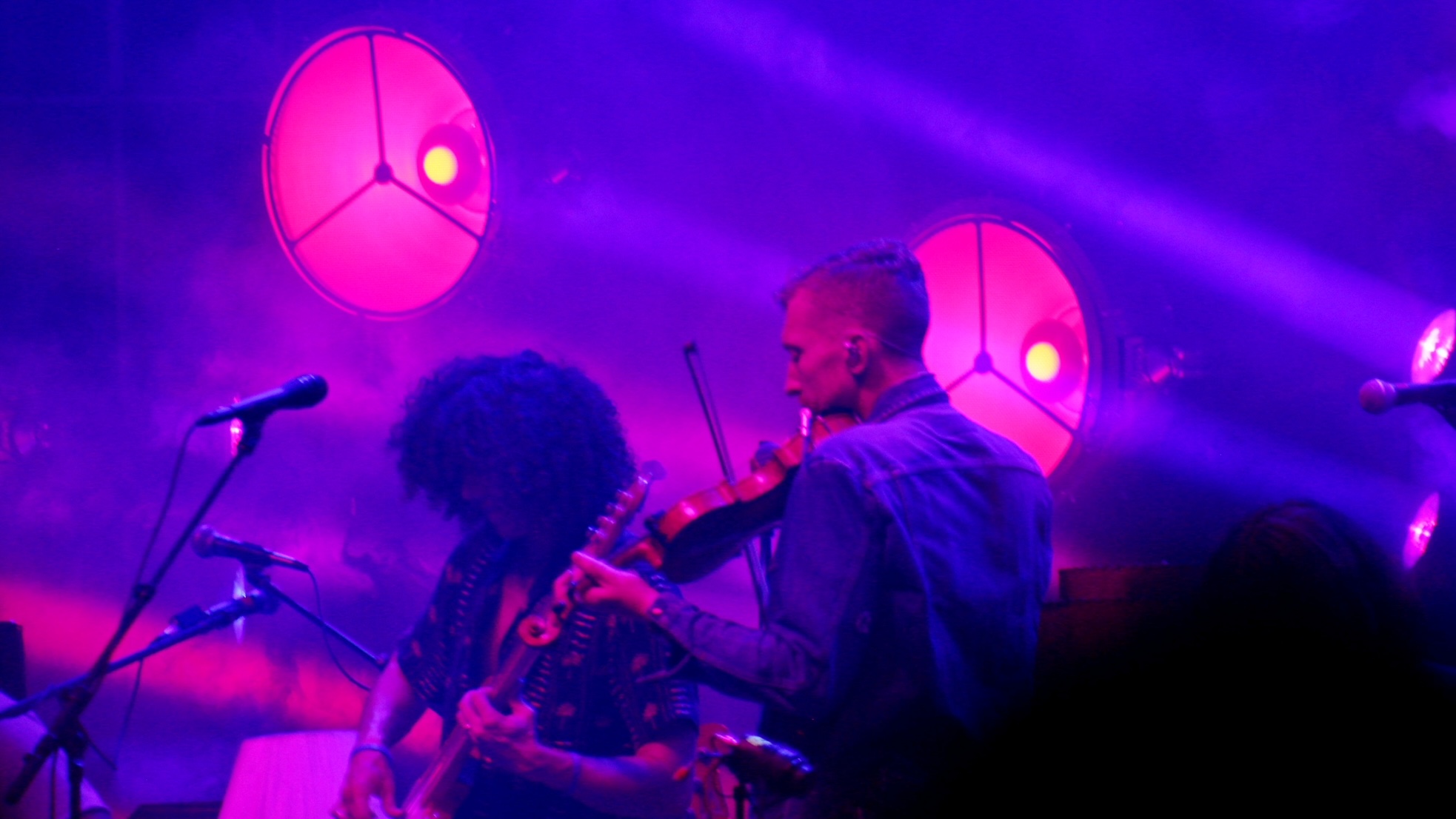
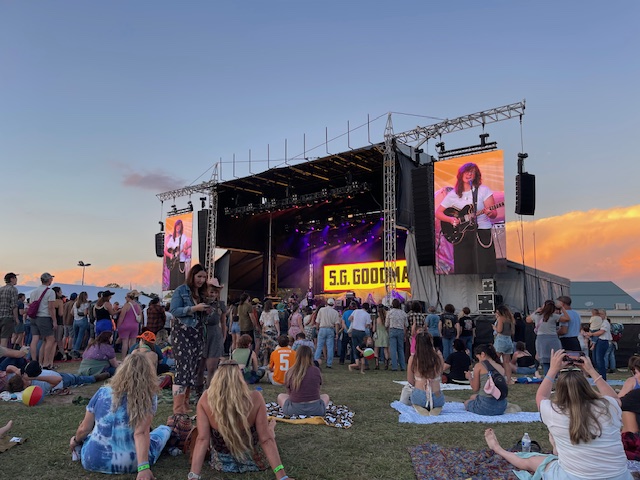
With the backing of Childers, Healing Appalachia has drawn huge crowds to hear artists such as My Morning Jacket, Sierra Ferrell, Charles Wesley Godwin, Arlo McKinley, Jason Isbell, and Shooter Jennings over the years. Fans travel from across the world to see them play right here in the Greenbrier Valley on a stage at the State Fair of West Virginia.
This year, more than 10,500 people paid for tickets to the show. They came from everywhere–West Virginia, North Carolina, Pennsylvania, Oklahoma, New England, Georgia, and more. The economic impact to the Greenbrier Valley was approximately $5 million with concertgoers buying gas, food, hotels, and goods throughout the week.
The proceeds go to recovery services throughout Appalachia, including but not limited to recovery services in West Virginia. Since 2018, organizers have given out more than $864,000 to SUD organizations across Appalachia. After another successful show this year, they will hit the $1 million mark in grants next month after their next round of giving.
“We take a holistic approach,” says Executive Director Charlie Hatcher. “If we’re not working together collectively, we’re wasting our time. Most of these folks (in recovery) have burned every bridge. It makes it tough. We’re giving out hope and hugs and telling people we love them. We mean it.”
Those who purchase tickets provided SUD support to people across Appalachia, including the following unique festival elements:
REVERB Music Decarbonization Project: On the heels of REVERB’s Music Decarbonization Project that was rolled out this year with Billie Eilish at Lollapalooza, REVERB has partnered with Healing Appalachia to bring clean energy to the main stage. Intelligent battery systems charged via a temporary on-site solar array is reducing the use of highly-polluting diesel generators.
World’s Largest Naloxone Training – In 2023, Hope’s partner, Drug Intervention Institute gave out life-saving Naloxone in their ONEBox and trained 18,000 folks on Naloxone on stage with Jan Rader. This was the world’s largest one-time Naloxone training. In two years, more than 30K music fans have been trained on Naloxone. In 2024, Hope in the Hills teamed up with END OVERDOSE and SOAR to distribute 20,000 doses of Nalaxone at the festival. The week after Healing Appalachia, Hope in the Hills and DII were two of the major sponsors for SOAR’s Save A Life Day which has went from a site in Kanawha County to more than 650 Save A Life events in every state east of the Mississippi and handful of western states.
One of Nation’s First Recovery-Based Sustainability Trainings – Teaming up with the Colorado-based Can’d Aid’s Crush It Crusade and Southern Ohio’s Zero Waste Event Productions (the nation’s largest Zero Waste festival company), Healing Appalachia is making tracks to become a zero waste event. Additionally, this year vendors used compostible plate and serving ware, and drinks were served in reusable/recyclable aluminum cups thanks to the BALL FOUNDATION. Beyond the fest impact, the Healing Appalachia Green Team (trained by the Crush It Crusade) is helping bring sustainability to smaller festivals as well as green and sustainable practices to additional recovery houses in Appalachia. Bill Germain of Crush it Crusade is coaching a dozen recovery house managers, and two state recovery house coordinators, in getting a national Sustainability certification to help green up the industry.And to heal the people and the land, which we believe are intrinsically tied together in Appalachia and our region.
A FUBU Recovery Festival – Healing is unique in that it is a For Us By Us festival that empowers and taps into the super collective power of about 450 folks in recovery to work the fest. Those teams help build the stages, then tell their stories from that stage. They work security, the green team and help our small volunteer team produce the festival. Teaming up with additional industry-leading national partners such as One Million Strong, Stand Together and Phoenix, we are hosting a recovery volunteers lounge, additional mocktail bars, art mural therapy (through Hello In There Foundation) and always holds space and time for SUD meetings. In between music acts, folks in recovery share their powerful stories of healing from the main stage.
Recovery to Work Entertainment Industry Opportunities – Hope in the Hills co-founder Charlie Hatcher and his production company have been not only training folks at the festival, but then employing those folks in recovery in entertainment industry production jobs getting paid to stage-build, work security and green team at other festivals in the region. This is one of the nation’s first conscious efforts to build recovery-to-work career pathways in the entertainment industry.
Raising Lazarus Awards – New in 2024 at Healing is the Raising Lazarus Award, in conjunction with best-selling author Beth Macy (Dopesick and Raising Lazarus) to highlight several superstar folks working daily to help save lives and fight the opioid epidemic where they live. The awards this year, picked by Beth Macy, are: West Virginian Brooke Parker of SOAR for Save A Life Day; Upstate New Yorker, Alexis Pleus, Truth Pharm and the 2024 Trail of Truth National Tour, AND North Carolians Michelle Mathis and Karen Lowe for Olive Branch Ministries, and National Faith in Harm Reduction.
Hope’s Music Therapy – Hope in the Hills sponsors on-going music therapy programs at WVU Medical Center in the Opioid Unit, at Recovery Point West Virginia, at ARC in Eastern Kentucky, through Musicians Recovery Network and The Gateway – Metro Drug Coalition in East Tennessee. Our music therapists also do event-based outreach including music festivals around Ky., North Carolina, Tenn., W.Va., Va., and beyond.
Camp Mariposa – This past year, Hope in the Hills and Hickman Holler teamed up to be sole supporters of Camp Mariposa in Eastern Kentucky. Note that Camp Mariposa (which is a national brand through Eluna Network) was just featured on CBS News:
https://www.cbsnews.com/news/summer-camp-aims-to-break-cycle-of-addition-between-generations
Fatherhood Pilot Project in Kentucky – Hope gave $30,000 to a brand new exciting program started by the Commonwealth Center for Fathers and Families. In partnership with the Fletcher Group, the Fatherhood Art and Recovery (FAR) demonstration is supporting recovery houses in Kentucky to become more father-centric. They’re working with five recovery houses to weave fatherhood classes into the recovery process, helping fathers unite quicker with their children, and giving them the tools to break the cycle of trauma and addiction. https://www.ccffky.org/
Festival Outreach in Kentucky and WV – In its first year, Hope in the Hills’ outreach team is taking some of the elements of Healing (music therapy, sober spaces, recovery stage-hands and green teams) to festivals around Appalachia but mostly in Kentucky. Festival impact this year has been at: EKY Mutual Aid Event in Sandy Hook, Ky., in May, Fallsburg Festival – (eastern Kentucky – in Tyler’s home county of Lawrence). Mountain Grrl Experience – Pikeville, Ky., in June, Mamaw Festival – in Pineville, Ky., Bell County, Holler Girl Festival- in August in Southeastern Kentucky, and in WV – Experience Lewisburg fest in WV, and the Diamond Teeth Mary Blues Fest. We feel doing outreach at a general music festival in rural places lets regular music fans interact and see that the recovery community isn’t just something that takes resources, but a community that gives, and value adds a community and a festival. With the redemptive collective soul of recovery on display in living color.
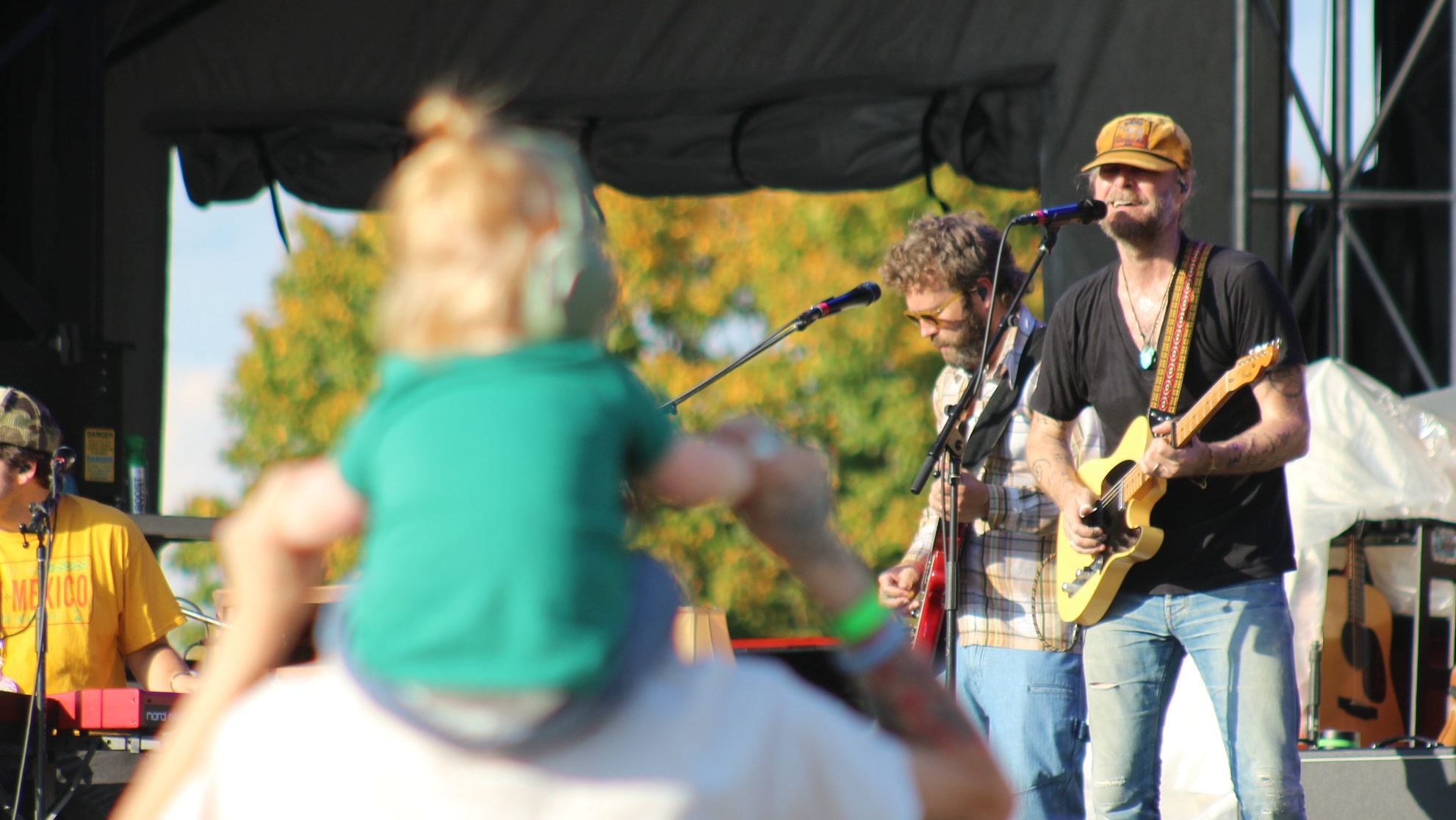
With the 2024 festival in the rearview, all eyes turn to 2025. Healing Appalachia was rumored to be considering a move to Kentucky last winter. While West Virginians hope it stays in the Mountain State, the festival will continue to spread hope no matter where it’s staged.
“We full-throated believe there is no ‘us and them,'” says board president Dave Lavender. “It is just us.”
Related Articles
WVSOM returns to the West Virginia State Fair
The West Virginia School of Osteopathic Medicine, or WVSOM, is once again proud to be part of the State Fair of West Virginia.