PEIA Finance Board approves third rate increase in three years
By Matthew Young, RealWV
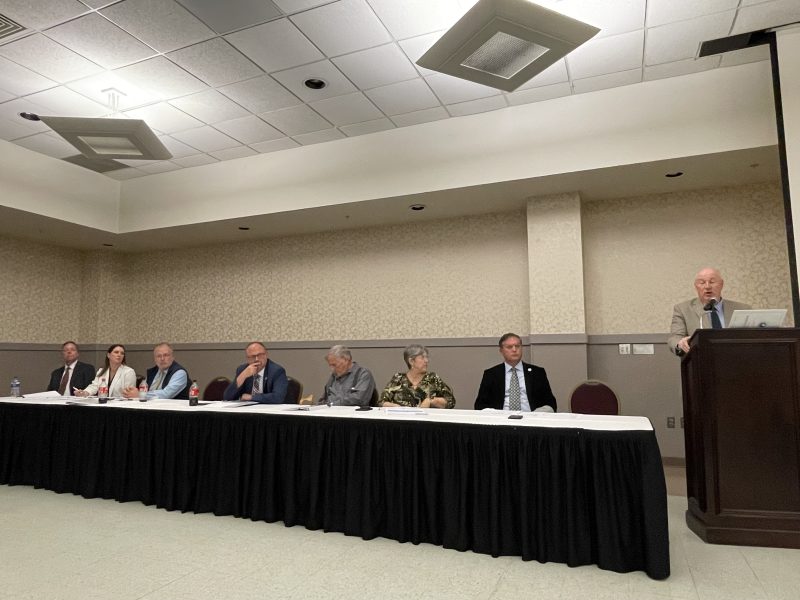
CHARLESTON, W.Va. – The next chapter has been written in the seemingly never-ending saga of the Public Employees Insurance Agency (PEIA), as the Finance Board, on Thursday, approved the agency’s planned third rate increase in three years.
With the continual rise in healthcare costs, PEIA is facing a deficit estimated to be north of $110 million in the upcoming fiscal year. And while Thursday’s approved proposal centers around a flat 14% premium increase for state employees and 16% for local municipality employees, additional changes include inpatient and outpatient service copays, which would increase from $100 to $250; emergency room copays, which would increase from $100 to $200; and prescription copays, which would see generic rates go from $10 to $20, and brand name rates go from $25 to $50. Additionally, retirees would see their rates increase by 12%, and the spousal surcharge rate would more than double for state employees, going from the current rate of $147 to $350.
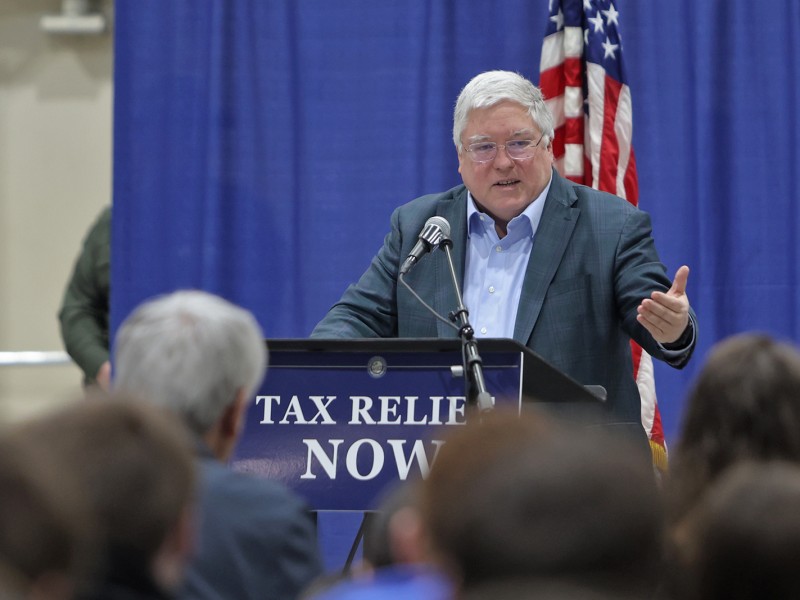
“I am frustrated and angry with this proposal, but let me be clear – my anger is not at (PEIA) Director (Brian) Cunningham or the finance board because they have to play the hand that they were dealt – my anger is at the legislature.”
Those were West Virginia Education Association President Dale Lee’s remarks during a public hearing in Beckley on Nov. 12.
“My anger is at the legislature, who, since 2018, had the opportunity to provide stability to the PEIA plan, but chose not to,” Lee said. “My anger is toward a governor who gave pay raises when the premiums went up, but all those pay raises did was keep us level, and know that in three years those pay raises cost us a 24% premium increase under the 80/20 plan.”
The “80/20” plan referenced by Lee refers to the cost split between employer and employee – with the employer paying the former and employee the latter. Legislative changes made to PEIA during the 2023 Regular Session now require healthcare providers be reimbursed up to as much as 110% of the federal Medicare-rate. These changes have left policyholders facing what would potentially be a 49% cost increase over a three-year period. Aside from staring down the barrel of a 14% increase now, employees saw a rate increase of 24.5% in 2023, and 10.5% in 2024.
“The language needs to be in there that the state should pay ‘no less than 80%,’ and the employees should pay ‘no more than 20%,’” Lee noted. “This legislature, for the last few years, has touted billions and billions of dollars of surplus. It would have been very easy under the language of ‘no less than/no more than,’ to put money in to stabilize this plan. Unfortunately, they didn’t do this.”