West Virginia’s official state butterfly may soon be given protection as an endangered species; U.S. Fish and Wildlife Service needs your help
By Autumn Shelton, RealWV
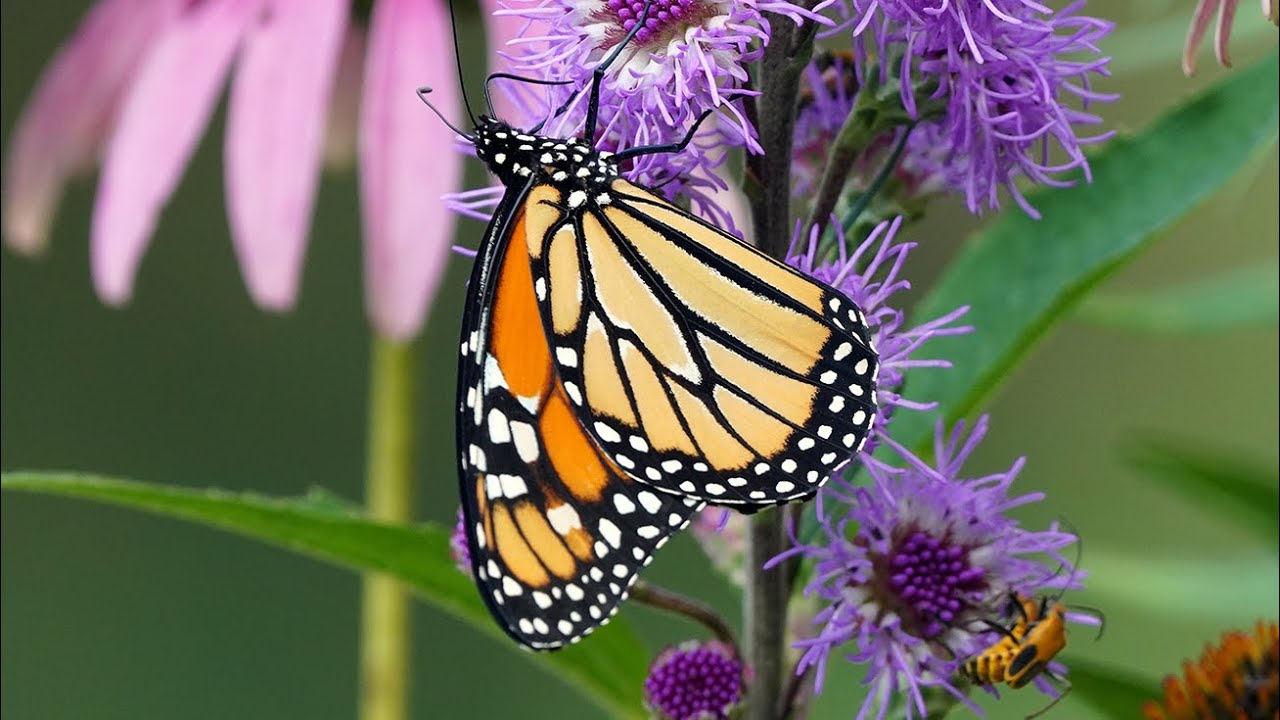
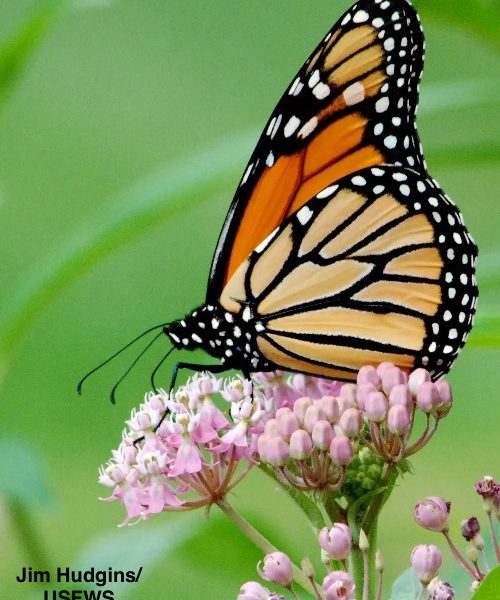
West Virginia’s official state butterfly, the monarch butterfly, may soon be given protection under the U.S. Fish and Wildlife Service’s Endangered Species Act. This possible endangered species listing is part of an effort to restore the population of this much-loved insect, and to provide the public with information on how to help.
On Dec. 10, the U.S. Fish and Wildlife Service issued a press release announcing their proposal to list the monarch butterfly as threatened, “with species-specific protections and flexibilities to encourage conservation under section 4(d) of the Endangered Species Act (ESA).”
“In the mid-1990s, an estimated 380 million eastern monarchs made the long-distance journey to overwintering grounds in Mexico, completing one of the longest insect migrations in the world,” the press release states.
However, since that time, the eastern migratory population has declined by an estimated 80%. This is due to the “loss and degradation of breeding, migratory and overwintering habitat; exposure to insecticides; and the effects of climate change.”
The western migratory population, which spends winters in coastal California, has also suffered from population declines – as much as 95%. This has led to the U.S. Fish and Wildlife Service proposing a critical monarch butterfly habitat designation in certain areas of California.
“The iconic monarch butterfly is cherished across North America, captivating children and adults throughout its fascinating lifecycle. Despite its fragility, it is remarkably resilient, like many things in nature when we just give them a chance,” said U.S. Fish and Wildlife Service Director Martha Williams. “Science shows that the monarch needs that chance, and this proposed listing invites and builds on unprecedented public participation in shaping monarch conservation efforts. Providing monarchs with enough milkweed and nectar plants, even in small areas, can help put them on the road to recovery. Working together, we can help make this extraordinary species a legacy for our children and generations to come.”
Collin O’Mara, president and CEO of the National Wildlife Federation stated, “The monarch butterfly and its remarkable multi-generation migration are marvels of the natural world. This science-based decision is a national call to action for all Americans to save this majestic species by joining forces to plant native milkweed and nectar plants all across the nation – our yards, schools, parks, rights-of-way, businesses, places of worship, working lands, and so much more. By working collaboratively, we will recover and safeguard this iconic species for future generations.”
According to information found on the West Virginia Legislature’s website, the monarch butterfly became the state’s official state butterfly on March 1, 1995.
“The orange and black insect dines on milkweed as a caterpillar, sips nectar from flowers as a butterfly and, at summer’s end, migrates south to Mexico. The butterflies you see in the spring are the great grandchildren of the ones that lived in Mexico during the winter.”
The U.S. Fish and Wildlife Service will publish their proposal in the Federal Register on Dec. 12. Public comments regarding the possible designation will be accepted until March 12.
Information about how to submit comments can be found on regulations.gov by searching for docket number FWS-R3-ES-2024-0137. This docket also includes information about how to attend two virtual public information meetings, slated for January.
For more information about the monarch listing proposal, and on how to help conserve monarch butterflies, visit: https://www.fws.gov/monarch.