This week in West Virginia history: February 22 through February 28
Presented by the WV Humanities Council,
February 18, 2026
Charleston WV – The following events happened on these dates in West Virginia history. To read more, go to e-WV: The West Virginia Encyclopedia at www.wvencyclopedia.org.
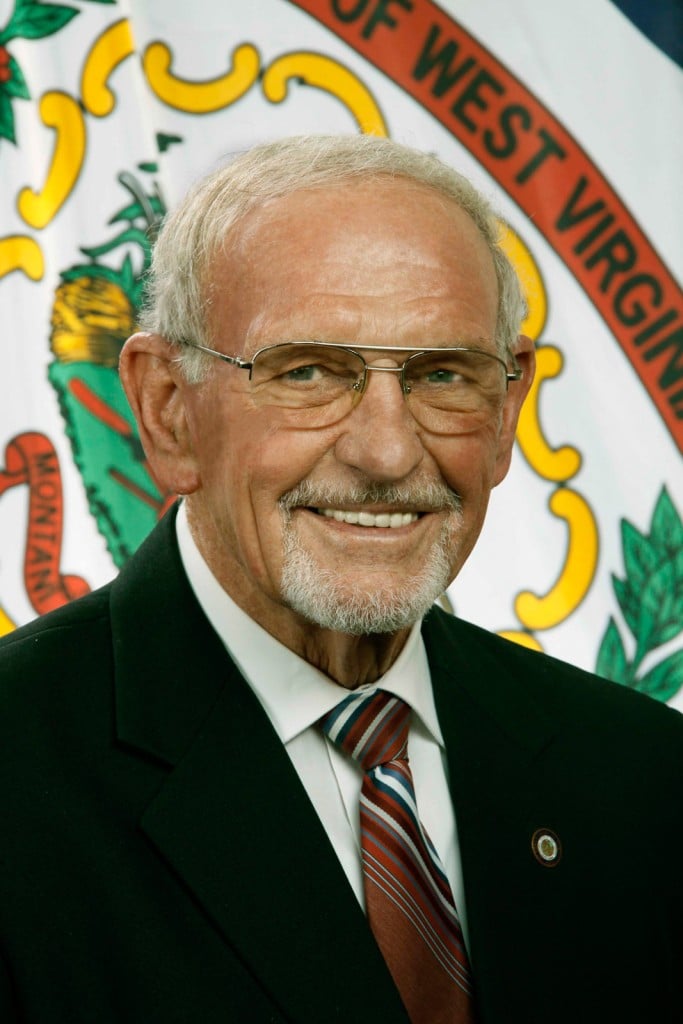
Feb. 22, 1927: Longtime Agriculture Commissioner Gus R. Douglass was born in Mason County. Douglass, a Democrat, was first elected commissioner in 1964. Re-elected nine times, Douglass was the longest serving agricultural commissioner in the country.
Feb. 22, 2018: 33,000 schoolteachers and service personnel walked off the job over wages and health benefits. The strike drew national attention, and teachers in five other states organized work stoppages.
Feb. 23, 1867: Lincoln County was formed from Boone, Cabell, Kanawha and Putnam counties. The county was named for Abraham Lincoln.
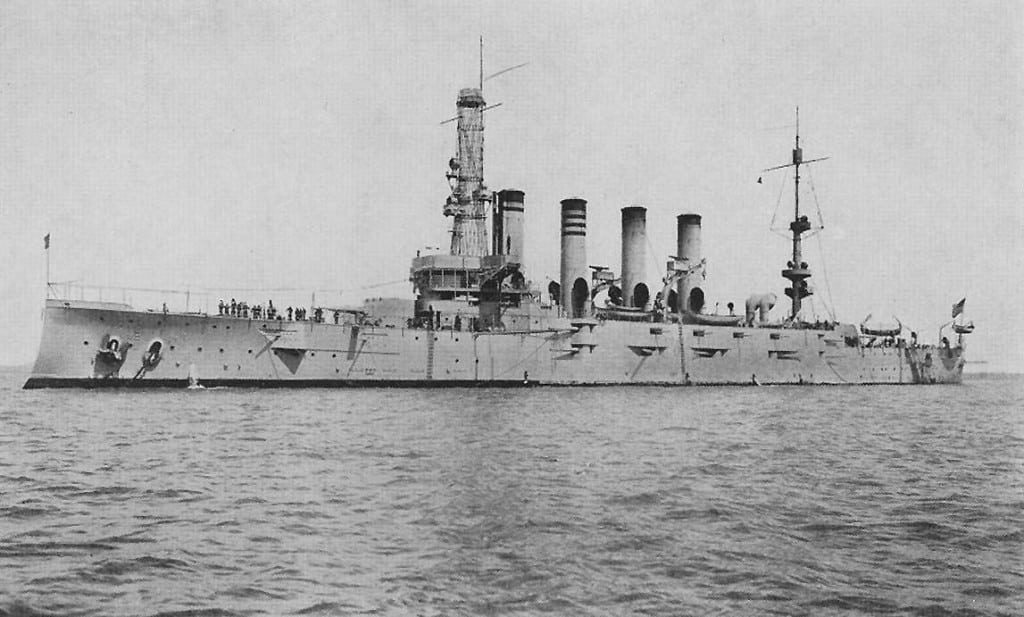
Feb. 23, 1905: The first USS West Virginia was commissioned. The armored cruiser was renamed the USS Huntington in 1916 to allow the transfer of the original name to a newly authorized battleship.
Feb. 23, 1945: Harrison County native “Woody” Williams distinguished himself during the Battle of Iwo Jima by neutralizing seven concrete pillboxes. This act of heroism earned Williams the Medal of Honor.
Feb. 24, 1918: Judge Kenneth Keller “K. K.” Hall was born at Greenview, Boone County. Hall spent 47 years on the state and federal benches.
Feb. 24, 1928: Doctor Donald L. Rasmussen was born in Colorado. After coming to work at Miners Memorial Hospital in Beckley, he became a driving force in the passage of state and federal black lung legislation.
Feb. 25, 1903: An armed posse ambushed striking miners in their homes in the village of Stanaford near Beckley. Six miners were killed; federal judge B. F. Keller exonerated the posse.
Feb. 25, 1911: Newspaperman Jim Comstock was born in Richwood. In 1957, he founded the West Virginia Hillbilly, a weekly newspaper that circulated inside and outside the state.
Feb. 26, 1766: Wheeling society hostess Lydia Boggs Shepherd Cruger was born. Her friendship with Sen. Henry Clay of Kentucky helped secure the routing of the National Road from Wellsburg to Wheeling.
Feb. 26, 1869: The legislature approved a bill moving the state capital to Charleston.
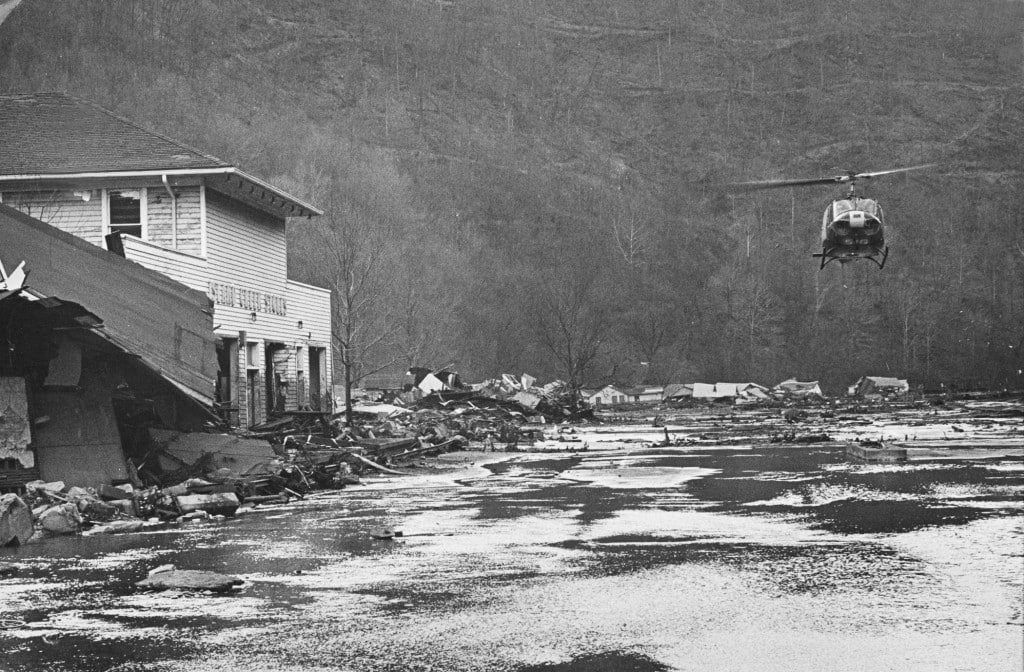
Feb. 26, 1972: One of the country’s worst mining-related disasters occurred on Buffalo Creek in Logan County. A coal waste dam collapsed, sending 132 million gallons of water, coal refuse and silt into the valley. In the end, 125 people, including entire families, were killed, and 1,000 people were injured.
Feb. 26, 2022: Fire destroyed the historic administration building of the West Virginia Schools for the Deaf and the Blind in Romney.
Feb. 27, 1867: Marshall College (now university) was established as a normal school to train teachers. The first term began June 15, 1868, with 25 students enrolled in three departments.
Feb. 27, 1871: Summers County was established from segments of Fayette, Greenbrier, Mercer and Monroe counties. The county was named after George W. Summers, one of West Virginia’s founders.
Feb. 27, 1871: The legislature approved an act incorporating the city of Huntington.
Feb. 28, 1831: Fayette County was formed by the General Assembly of Virginia from parts of Kanawha, Nicholas, Greenbrier and Logan counties. The county was named for the Marquis de Lafayette, the French military officer who served under George Washington during the Revolutionary War.
Feb. 28, 1858: McDowell County, the southernmost county in West Virginia, was created from part of Tazewell County, Virginia. The new county was named after James McDowell, a governor of Virginia.
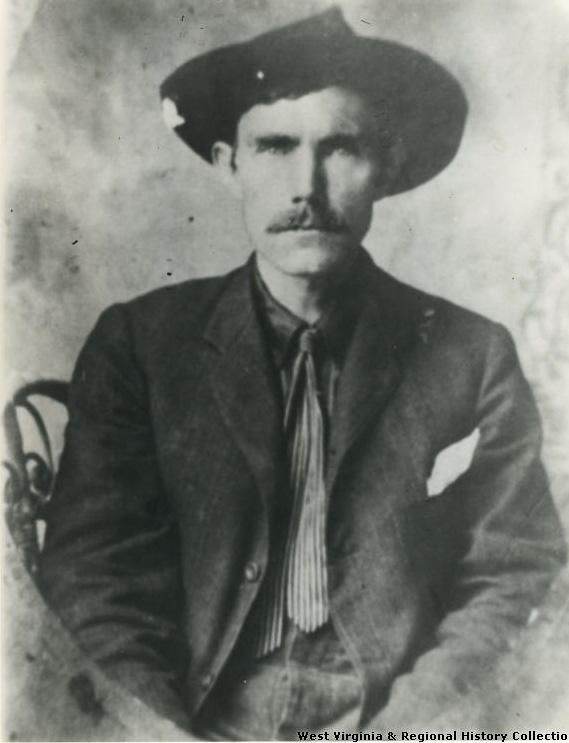
Feb. 28, 1875: Musician Edwin “Edden” Hammons was born in Pocahontas County. A subsistence farmer and hunter, he is remembered as one of West Virginia’s finest traditional fiddlers.
Feb. 28, 1909: Athlete John Zontini was born. Nicknamed the “Sheik of Seth” for his outstanding football career at Sherman High School in Boone County, he still holds state high school and Marshall University rushing records.
Feb. 28, 1922: Musician Eleanor Niera Parker was born in Fayette County. With her husband Rex Parker, she recorded popular country songs such as “Building Your Treasures in Heaven” and “Moonlight in West Virginia” in the late 1940s and early 1950s.

e-WV: The West Virginia Encyclopedia is a project of the West Virginia Humanities Council. For more information contact the West Virginia Humanities Council, 1310 Kanawha Blvd. E., Charleston, WV 25301; (304) 346-8500; or visit e-WV at www.wvencyclohttps://www.wvencyclopedia.org/pedia.org.
Author