Senate bill allows subjects of emergency protective orders access to guns
By Stephen Baldwin, RealWV
CHARLESTON, WV – Under current state law, the subject of a domestic violence emergency protective order must surrender their guns to law enforcement.
SB963, passed by the Senate Judiciary Committee on Monday evening, would allow those who have domestic violence protective orders against them to keep their weapons in many circumstances.
According to committee counsel, the accused would not be required to give up their weapon unless they failed to show up in court for a hearing, agreed to surrender their weapon, or were found in a full hearing to have engaged in violence.
Sen. Tom Willis, R-Berkely, who also serves as the Chair of the Judiciary Committee, sponsored the bill.
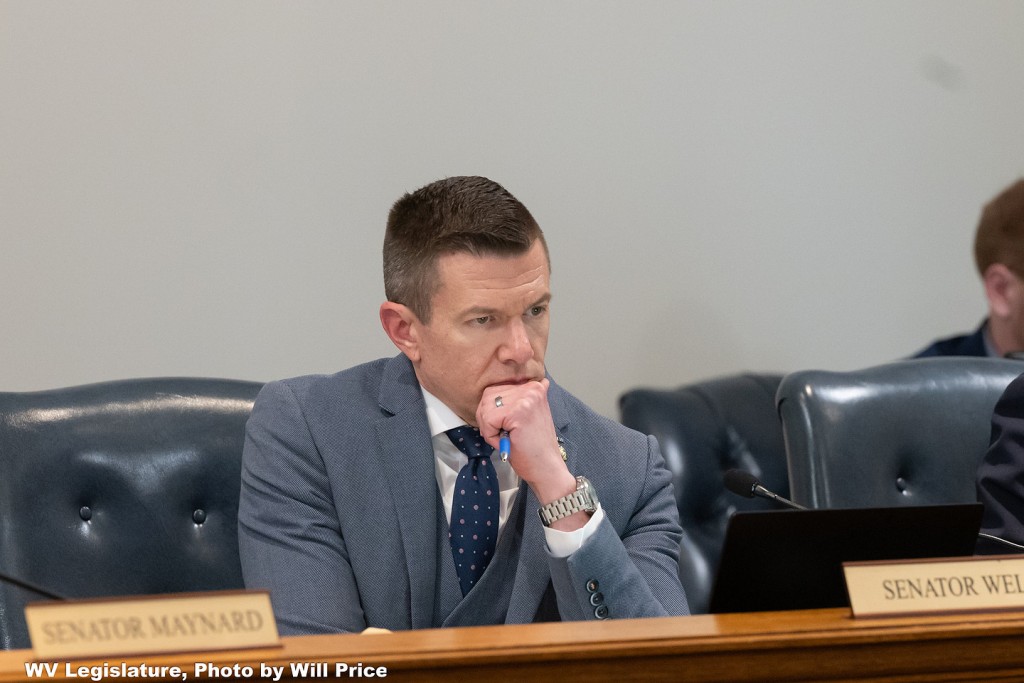
Former committee vice chairman, Sen. Ryan Weld, R-Brooke, said to Willis during discussion, “I’m not sure what we’re doing here…This bill has the real potential of costing someone their life.”
Gabrielle Mucciola, Monongalia County Prosecutor, testified against the bill during Monday’s meeting. “I’m here to oppose SB 963 bill for a variety of reasons.”
She cited a concern over the physical safety of domestic survivors. “In the US, nearly half of all women (who are harmed in domestic violence) are killed by a current or former intimate partner. Access to a firearm is the #1 evidence-based indicator that someone is at risk for harm by a partner.”
She further stated that the bill “would confuse the federal firearm prohibition” for someone judged by a court on an emergency basis to have committed domestic violence, saying that someone who is allowed to keep their guns would be in violation of federal law even while following state law.
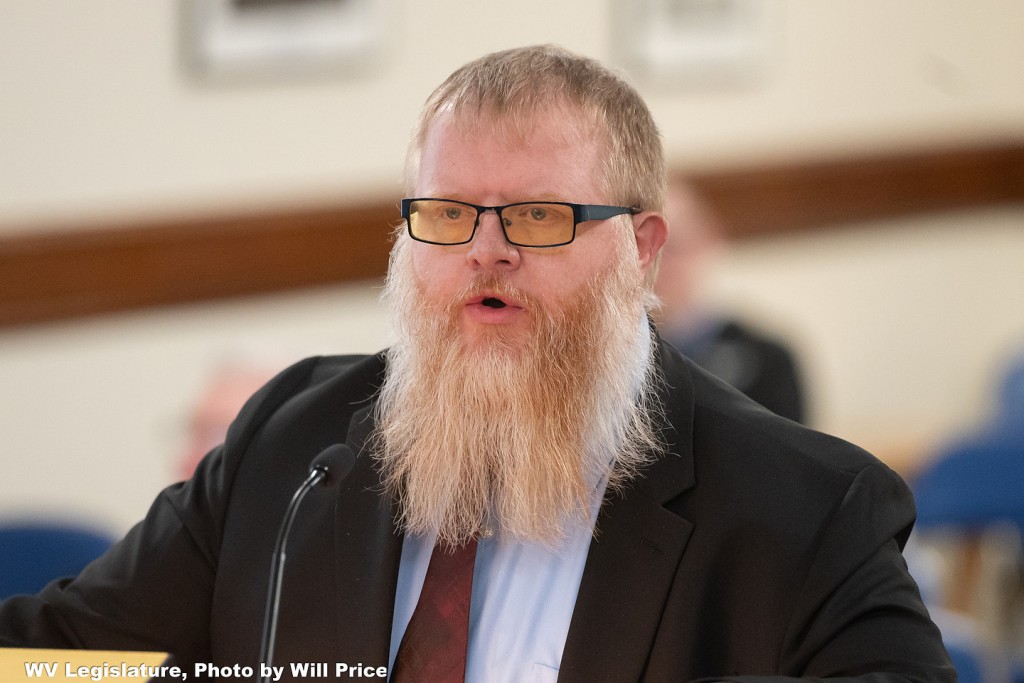
The sole testimony in favor of the bill came from Derin Stidd, staff member with Young Americans for Liberty. Invited to testify by Sen. Chris Rose, R-Monongalia, Stidd said, “This bill is about due process. You cannot infringe on a person’s constitutional right without due process. A protective order does not require due process.”
Weld, an attorney, responded when talking to Stidd later in the meeting, “I would respectfully disagree.”
During final debate, Weld shared his concerns plainly. “Domestic violence is a real problem that exists in our society. I’m not aware of an issue with how West Virginia handles domestic violence protective orders. We’re gonna make wholesale changes that I fully believe will get someone injured or killed.”
With no speakers in favor, Willis called for the vote following Weld’s remarks and the bill passed on a voice vote. It has no second reference and now heads to the full Senate for a vote on Wednesday.