
Real West Virginian of the Week: Chef Paul Smith — Bringing people to the table and to West Virginia
For Chef Paul Smith, food has always been about more than what’s on the plate.
By Hannah Yost, RealWV
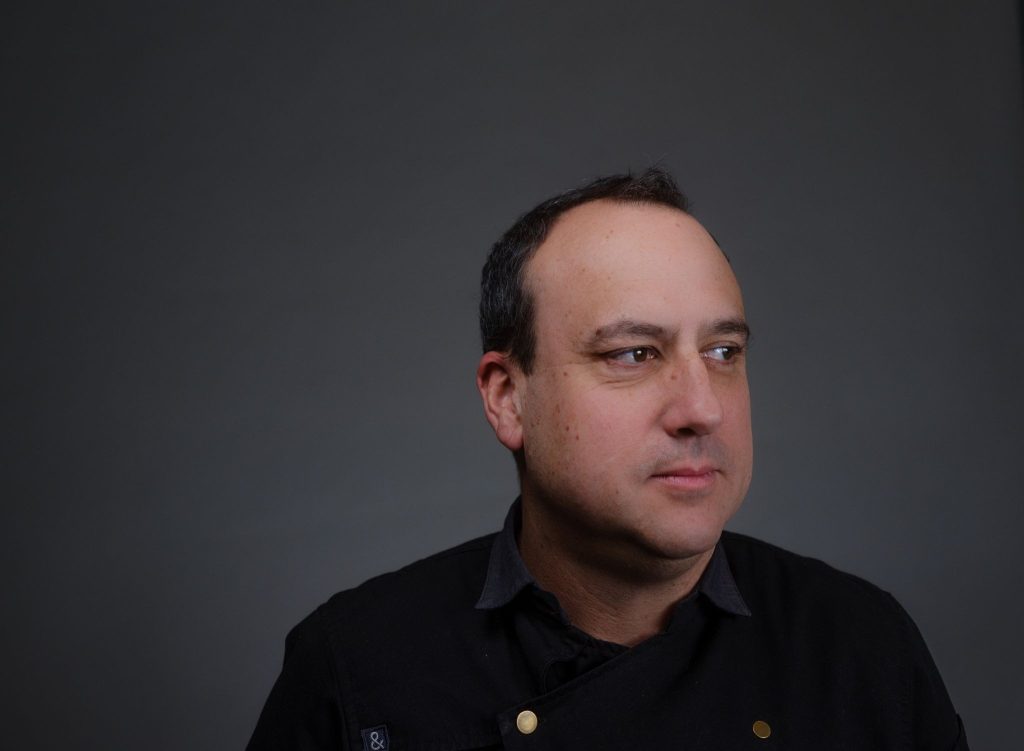
CHARLESTON W.Va. — For Chef Paul Smith, food has always been about more than what’s on the plate.
It’s about bringing people together, celebrating West Virginia, and giving visitors a reason to stop, stay, and discover everything the Mountain State has to offer.
“I wanted to come home and make a difference,” Smith said. “West Virginia is the best place I could have chosen.”
That mission has taken Smith farther than he ever imagined, culminating in history when he became the first West Virginian to win the prestigious James Beard Award for Best Chef: Southeast. But despite national recognition, Smith said his greatest accomplishment isn’t the award itself.
It’s helping change the way people see West Virginia.
“I think every West Virginian felt like they were winning a James Beard Award with me,” he said. “The sense of community we have as West Virginians and Appalachians is unlike anywhere else.”
Smith’s love for cooking began long before culinary school.
Growing up in a large Italian family in Fayette County, he spent weekends in the kitchen, learning from his grandfather and helping with big family meals. Sundays were reserved for family dinners filled with homemade pasta, fresh bread, meatballs, and conversation.
“It was about bringing people around the table,” Smith said.
That sense of hospitality stayed with him.
After studying hospitality management, Smith trained at some of the country’s most respected culinary institutions and restaurants, including the Culinary Institute of America, the Ritz-Carlton in Naples, Florida, and the Greystone campus in Napa Valley. He also worked in Asheville, New York, and other nationally recognized culinary destinations, learning from some of the industry’s best chefs.
Still, something was missing.
“I was always missing the people of West Virginia,” Smith said.
Rather than building his legacy elsewhere, Smith returned home determined to elevate West Virginia’s culinary scene while helping reshape perceptions of the state.
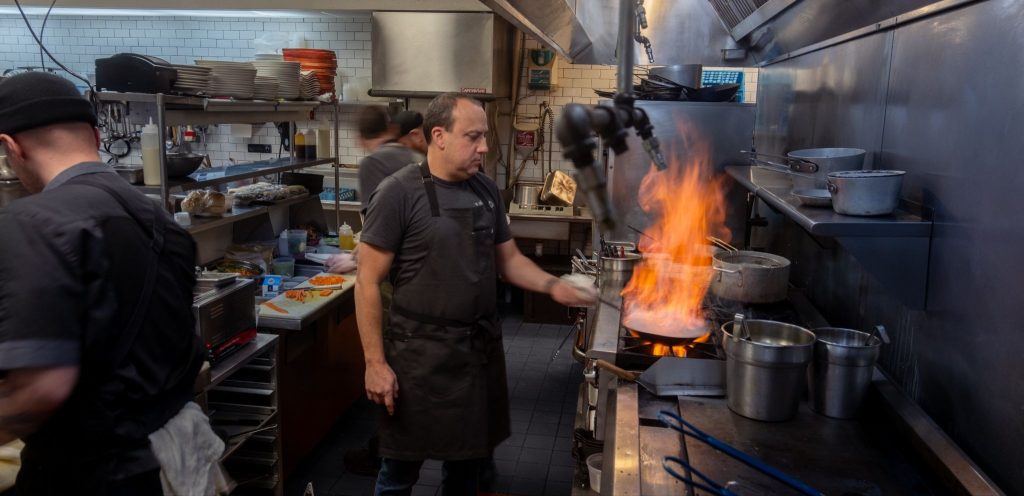
That vision became 1010 Bridge Restaurant in Charleston.
Today, Smith also owns Pauli’s Fine Italian in Charleston and Bad Happy Burrito in Hurricane, each reflecting his belief that exceptional food, genuine hospitality, and locally rooted businesses can help strengthen communities across the Mountain State.
Opening 1010 Bridge in July 2020 — at the height of the COVID-19 pandemic, was one of the biggest risks of his career.
“It was probably the scariest thing I’ve ever done,” Smith said.
Selling his home to finance the restaurant, Smith committed himself to supporting his team through uncertain times, working alongside them every day while ensuring no one lost their job.
Looking back, he believes those challenges helped define both the restaurant and its culture.
“I think the term ‘chef’ is something that’s earned through leading a team,” Smith said. “It’s more of a title given to you by others than something you give yourself.”
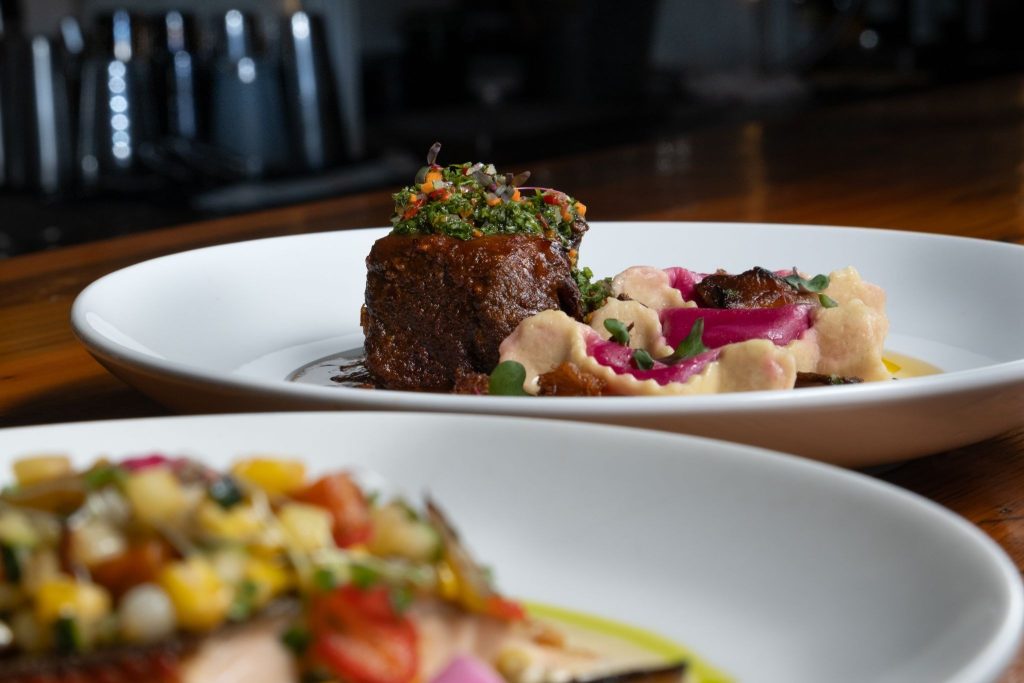
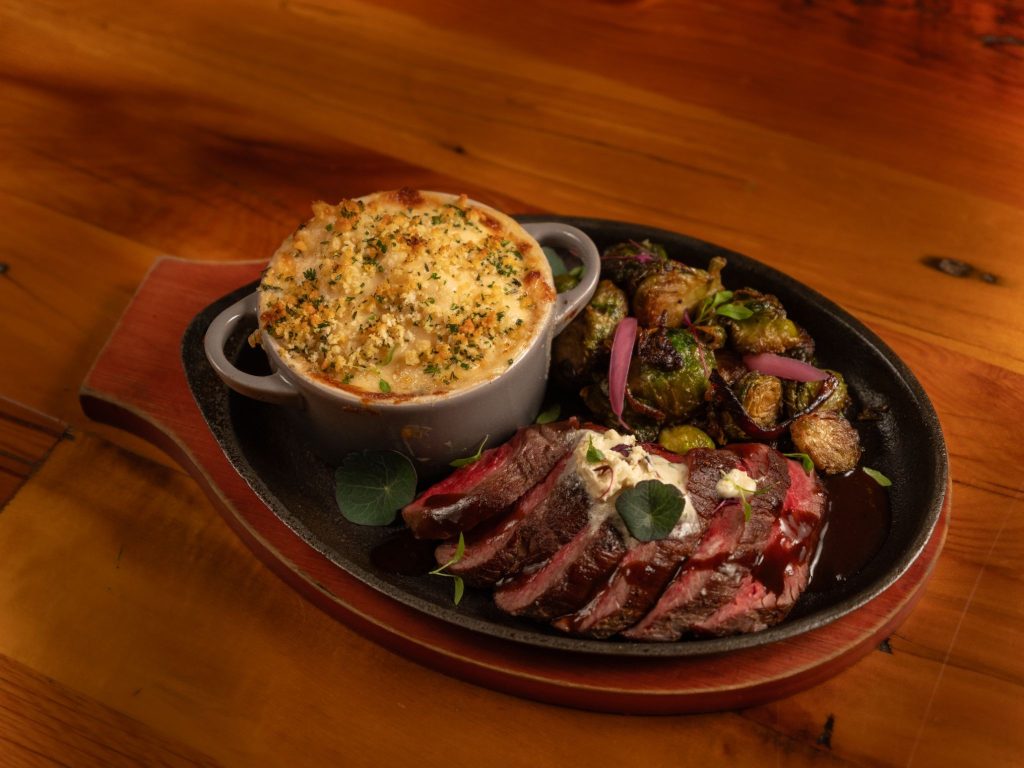
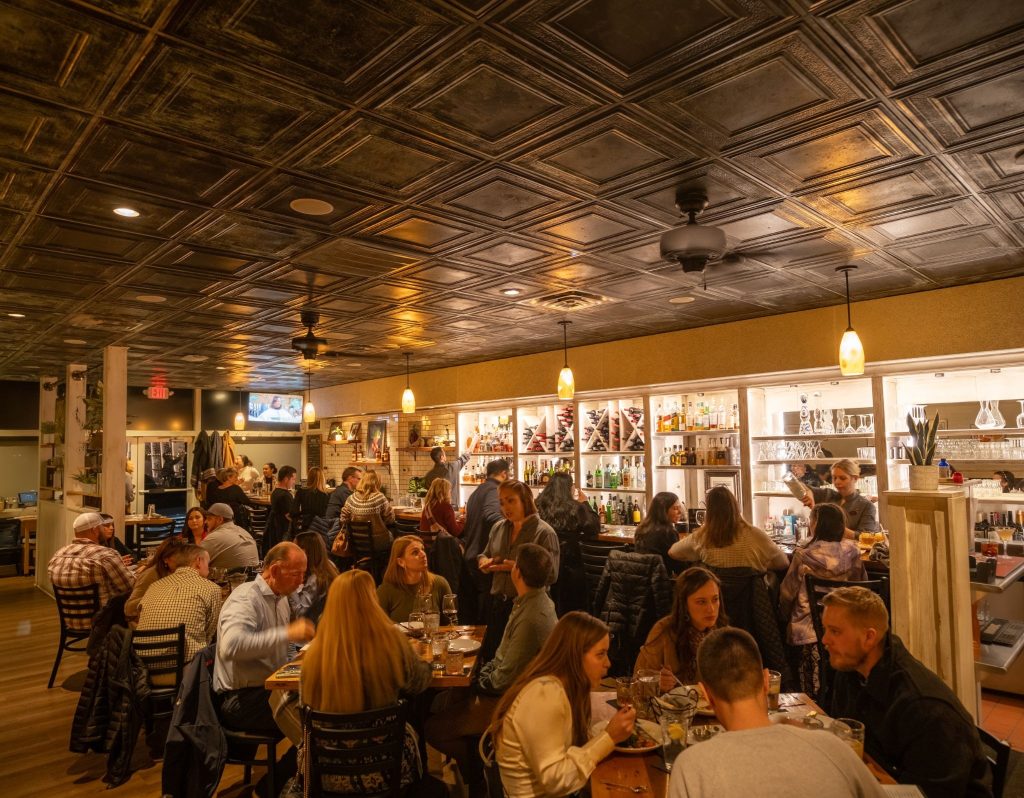
Today, 1010 Bridge has become one of West Virginia’s premier dining destinations, blending elevated cuisine with Appalachian hospitality while introducing diners to flavors they may never have experienced before.
But Smith insists the restaurant’s success isn’t his alone.
“We have some of the best chefs I know right here in West Virginia,” he said. “I’m just happy to be part of that fraternity.”
He believes West Virginia’s future depends heavily on tourism, and food has become one of the state’s greatest opportunities.
“Food is the No. 1 reason why people travel,” Smith said.
More and more visitors now plan trips to Charleston specifically to dine at 1010 Bridge.
“We hear it all the time,” he said. “‘We changed our travel plans so we could eat here.'”
For Smith, that’s exactly the goal.
He wants visitors to experience a different side of West Virginia — one defined by creativity, hospitality, and community rather than outdated stereotypes.
“I think when people come to West Virginia, they have one idea of what it’s will be,” Smith said. “When they leave, they have a completely different thought about what West Virginia actually is.”
That philosophy extends beyond his own restaurants.
Whether mentoring young chefs, celebrating fellow restaurateurs, or promoting locally owned businesses, Smith believes success is something meant to be shared.
“We’re not in competition with one another,” he said. “We’re all working together to bring more people to West Virginia.”
For young West Virginians considering a culinary career, Smith offers equal parts encouragement and honesty.
Cooking professionally, he said, is deeply rewarding, but it demands long hours, sacrifice, resilience, and an unwavering commitment to continuous learning.
“I know I’m not the best cook in the Southeast,” Smith said. “But I do know I outworked everybody.”
That work ethic, he believes, is something West Virginians have always understood.
“I think we’re resilient, and I think we’re hardworking,” he said.
Looking ahead, Smith hopes his restaurants continue giving people more than just a memorable meal.
He wants every guest to leave feeling connected — to the people sitting across the table, to the community around them, and to West Virginia itself.
“I want people to forget about what’s happening outside these four walls,” Smith said. “I want them to enjoy each other’s company, unplug for a while, and just have a great experience.”
For Smith, that’s what hospitality has always been about.
Not simply serving dinner, but creating memories that keep people coming back to the place he proudly calls home.
Related Articles
THIS WEEK IN WV HISTORY: Aug 30–Sep 5
The following events happened on these dates in West Virginia history.
WV farmers question Trump’s decision to import beef
Local beef producers doubt the move will lower prices and believe it undercuts American farms.
Second hearing on proposed sale of water systems to West Virginia American Water takes place in Ronceverte
A public hearing was held Tuesday, Aug. 25, related to Ordinance 2026-05 — the possible sale of Ronceverte’s water and wastewater systems to West Virginia American Water Company.