West Virginia youth rodeo athletes find competition, community at State Fair
Dusk settles on the 101st annual West Virginia State Fair’s opening day as fairgoers enjoy the sights, food, and exhibitions.
By Vanta Coda III, RealWV
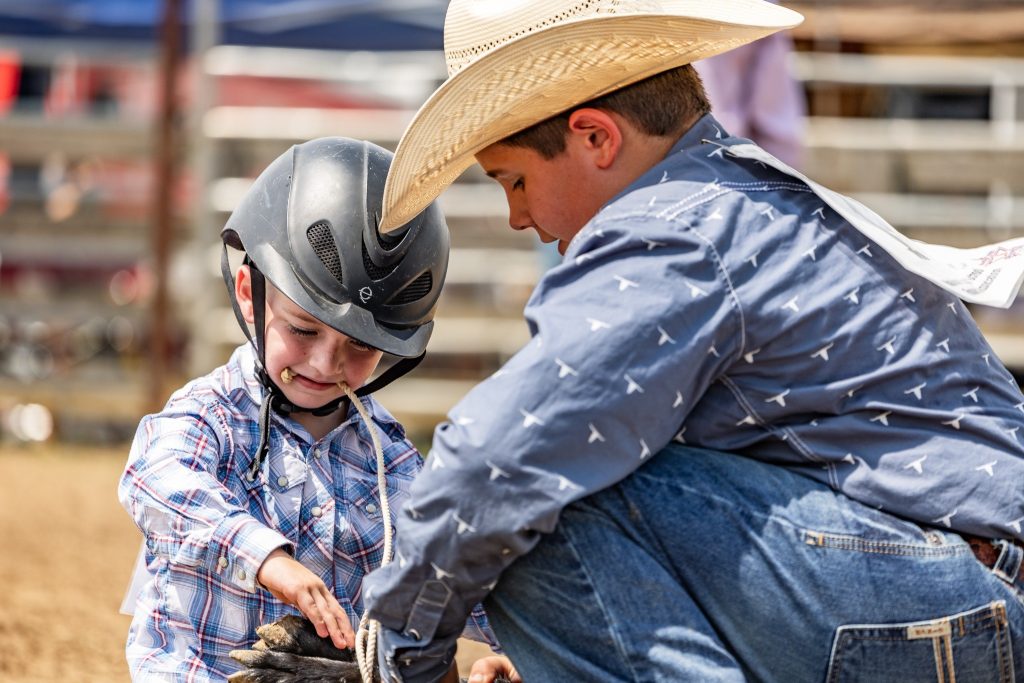
FAIRLEA, W.Va. — Dusk settles on the 101st annual West Virginia State Fair’s opening day as fairgoers enjoy the sights, food, and exhibitions. In the rodeo arena, overhead spotlights flicker on. Youth and high school athletes get ready to compete in the West Virginia High School Rodeo Association’s State Fair Rodeo.
The West Virginia High School Rodeo Association, or WVHSRA, was founded in 1999 by Janie Morgan and Billy McCormick. In 2000, the organization was chartered by the National High School Rodeo Association. Brandon McCormick, son of Billy McCormick, currently serves as the adult president of the WVHSRA.
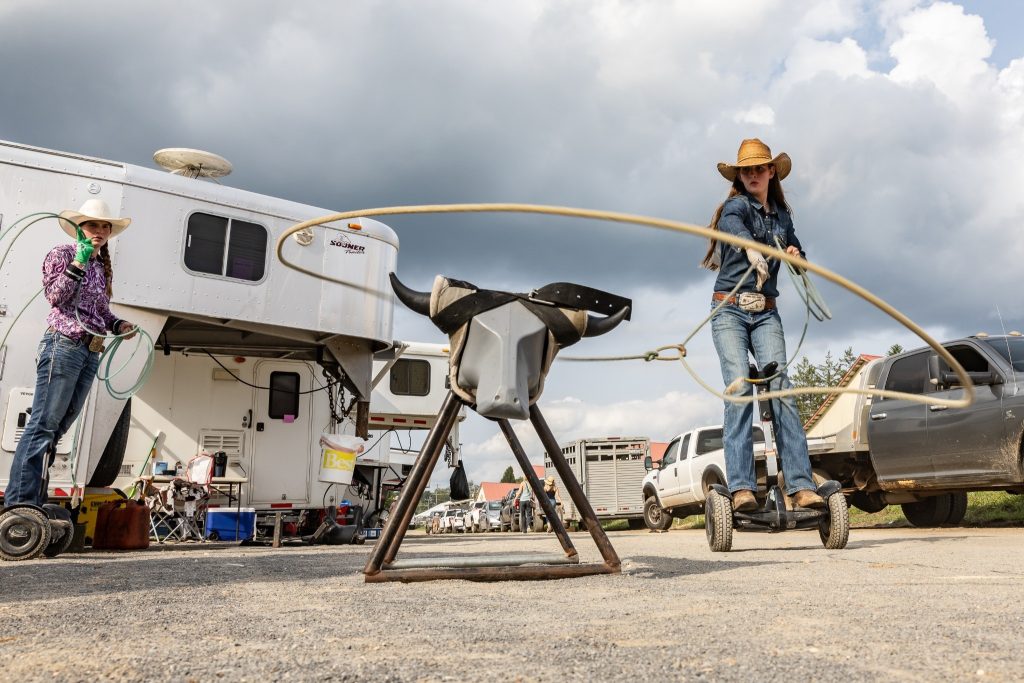
“We have around 70 kids involved right now,” Brandon McCormick said. “We have kids ranging from ages 3 to 18. When they get to the fifth grade, they’re able to choose whether they want to stay in our Youth Division or go to the Junior High Division, and from Junior High to the High School Division.”
The WVHSRA’s fall season started at the Mercer County Fair, with the State Fair being the second rodeo of the season. In total, five rodeos make up the fall regular season, with the next rodeo being held on Sept. 18-20 at Pretzel Arena in Bruceton Mills, W.Va.
The spring regular season also includes five rodeos with athletes traveling to Virginia, North Carolina and Pennsylvania during the season. The Junior High Division national finals will take place in Guthrie, Oklahoma, in June 2027. The High School Division national finals will take place in Lincoln, Nebraska, in July 2027.
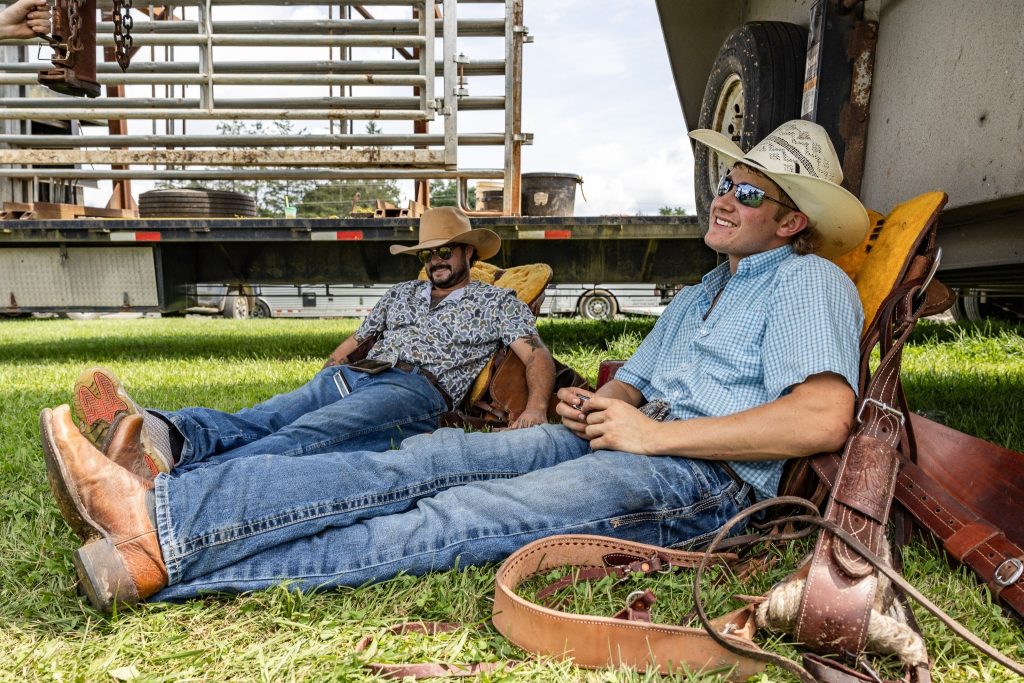
During their seasons, athletes compete year-round for points. Each event uses a 10-point system. Ten is the highest number of points an athlete can get in a competition. Rides are tallied throughout the year, and at the end of the WVHSRA’s state finals, the points from the entire season are totaled. The top four qualify for nationals.
“It’s very competitive throughout the whole year,” McCormick said. “Kids have good weekends, kids have bad weekends. It’s a little bit of luck of the draw because judges draw the livestock for you, but there is also a lot of skill in how that athlete adapts to the drawn livestock, which makes it kind of cool.”
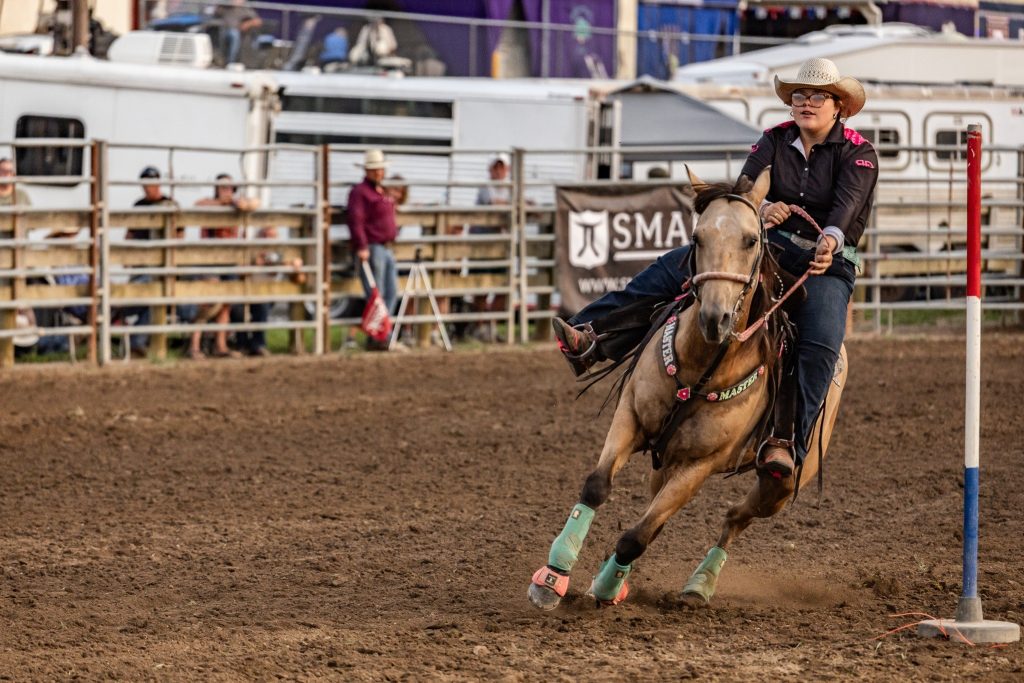
Within the WVHSRA organization, athletes must have a 2.0 GPA to compete. They must turn in their grades every semester to be eligible.
“A huge part of this association is making sure kids are staying in school and getting their high school degrees,” McCormick said. “We encourage them all to continue their education, whether it be trade school or college, and the scholarships that we give these kids can help them with that.”
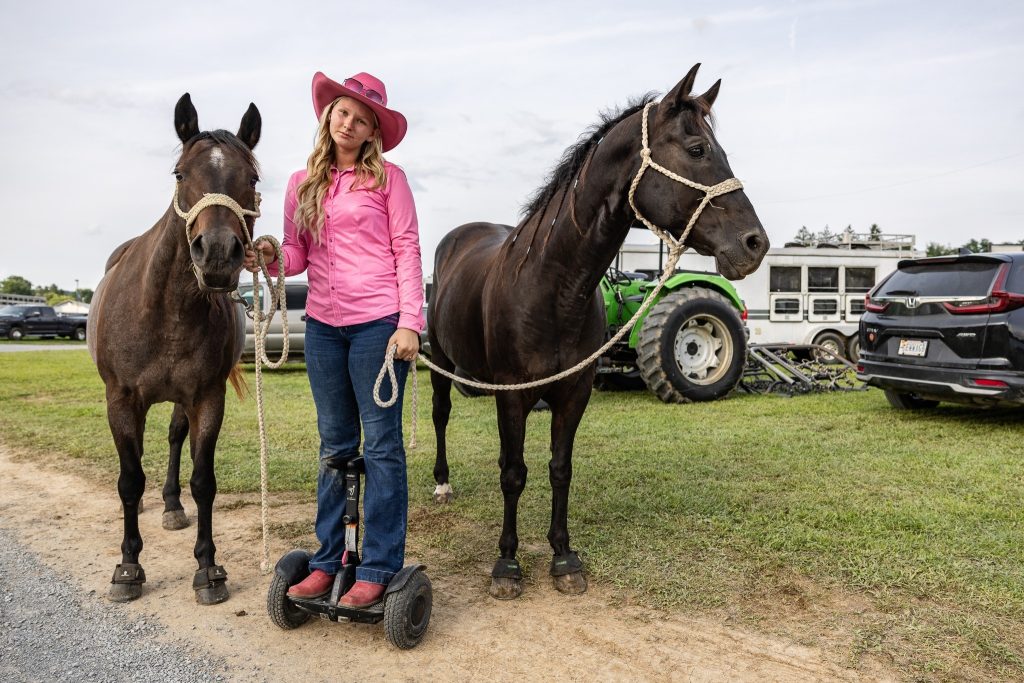
The WVHSRA has had numerous alumni over the years go on to compete in collegiate rodeo. Currently, there are alumni on rodeo teams in New Mexico, Missouri, Kentucky, and Wyoming. Cade Nestor, a Barbour County senior from Philip Barbour High School, is looking to pursue an athletic career in bull riding at the collegiate level.
“This program is a really good foundation,” Nestor said. “I have been doing high school rodeo for about three years now, strictly riding bulls.High school bull riding is a good way to get into colleges, as well as even businesses.”
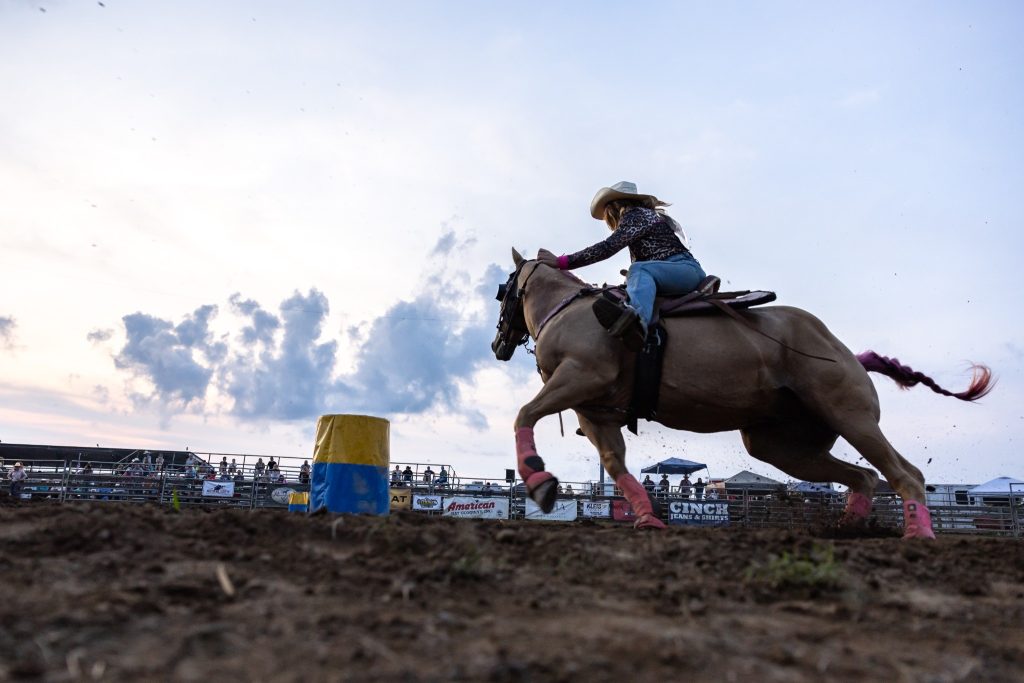
In addition to the educational support the WVHSRA provides, athletes said the rodeo has helped them hone skills they can use day to day in family livestock operations and develop leadership skills.
One of the athletes who has excelled in leadership in the organization is Gus Dyer, a seventh grader from Kanawha County, W.Va. He is currently the state junior high vice president for the association, as well as the 2025-26 National Junior High School Rodeo Association President.
“Best association out there,” Dyer said. “Everybody is friendly, and it’s a good place to rope.”
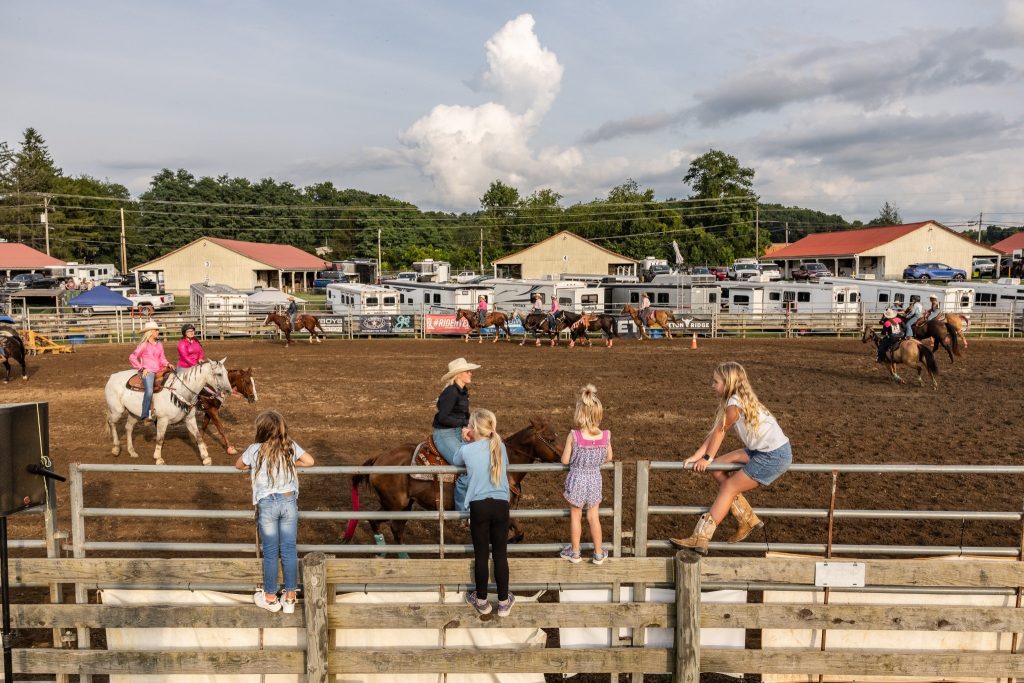
When exposed to the atmosphere of WVHSRA rodeo events, one word comes to mind for the youth involved in the association: “family.”
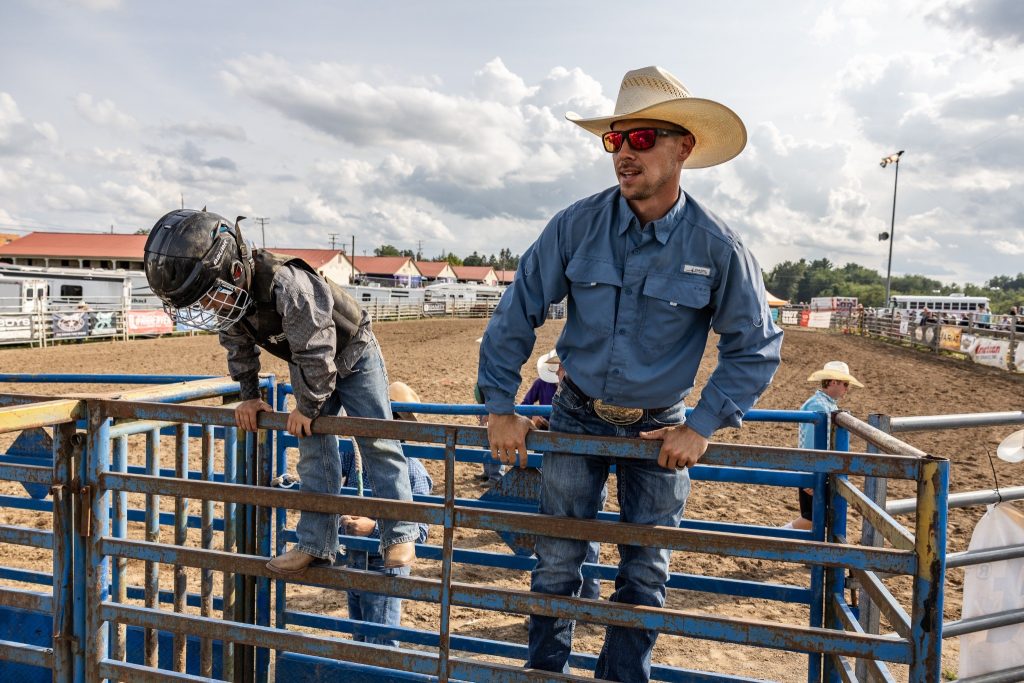
“Yes, we’re competing against each other, but we’re really competing against the stock,” Nestor said. “We’re glad when our friends win; we are proud of them. We don’t hate each other for beating each other. It’s all a big family.”
Related Articles
Avery McCoy’s hard work pays off at State Fair livestock sale
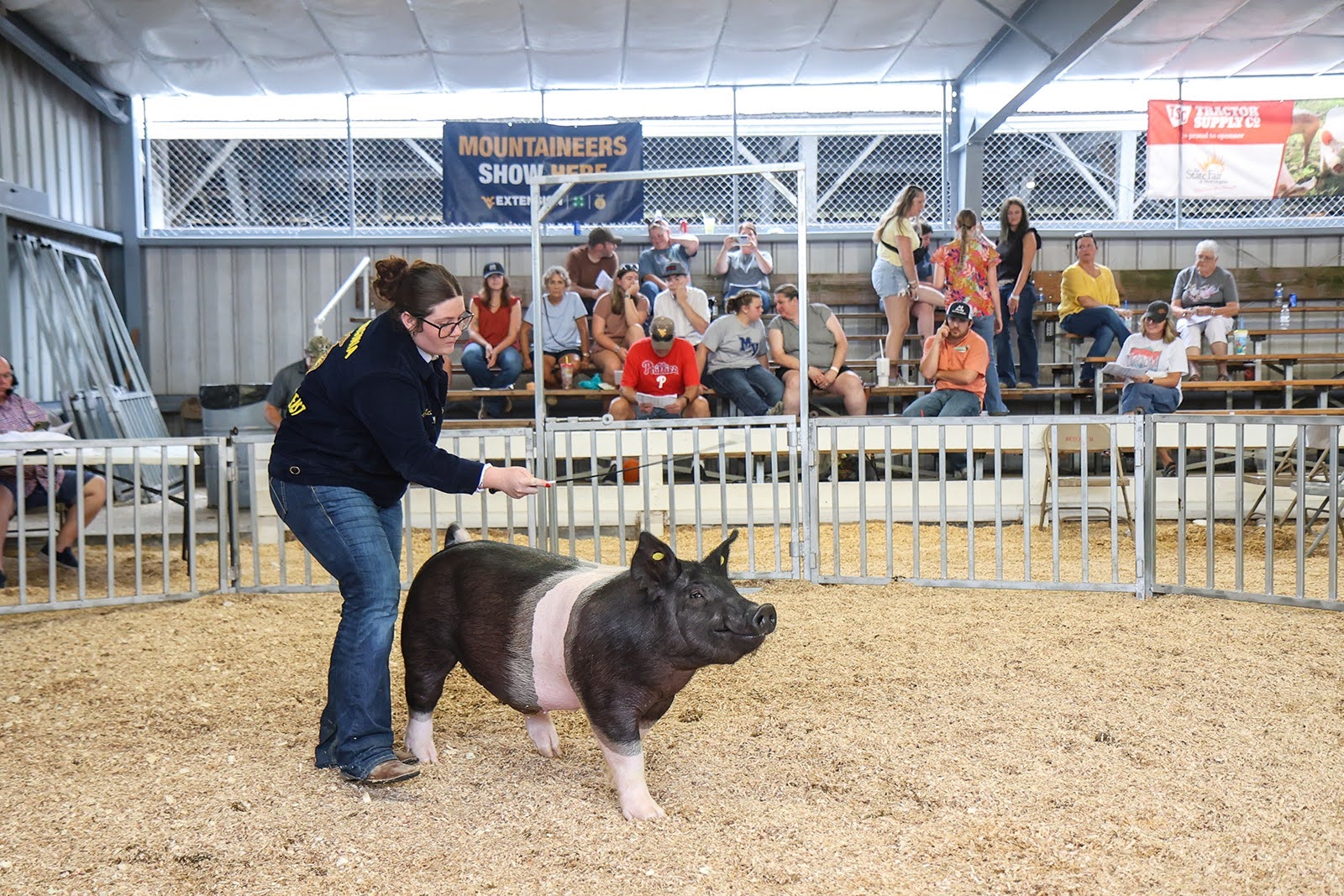
Avery McCoy has been raising and selling pigs at the State Fair of West Virginia since she was about 9 years old.
Four Seasons Tropicals takes on second year at the West Virginia State Fair
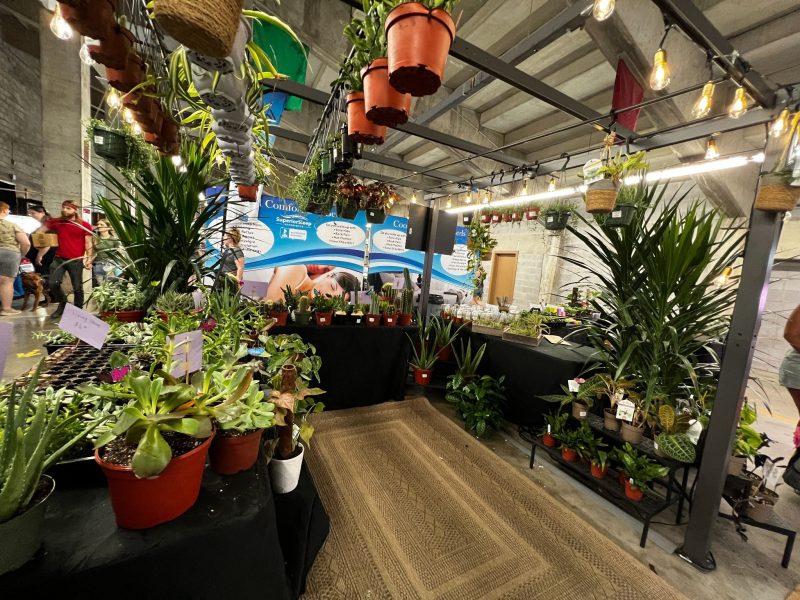
Nicole Prince and Zachary Lester of Four Seasons Tropicals have a unique vendor stand set up under the grandstand at the State Fair of West Virginia, featuring a variety of beautiful plants.
DEAR GRACE: Conversations that matter
My fiancé wants a big wedding, but I want something private. How do I tell him?