Real West Virginians of the Week: Mike Costello and Amy Dawson — Bringing Appalachian food traditions back to the table
Mike Costello and Amy Dawson have built their lives around a simple idea: The food of Appalachia is worth preserving, sharing, and celebrating.
By Hannah Yost, RealWV
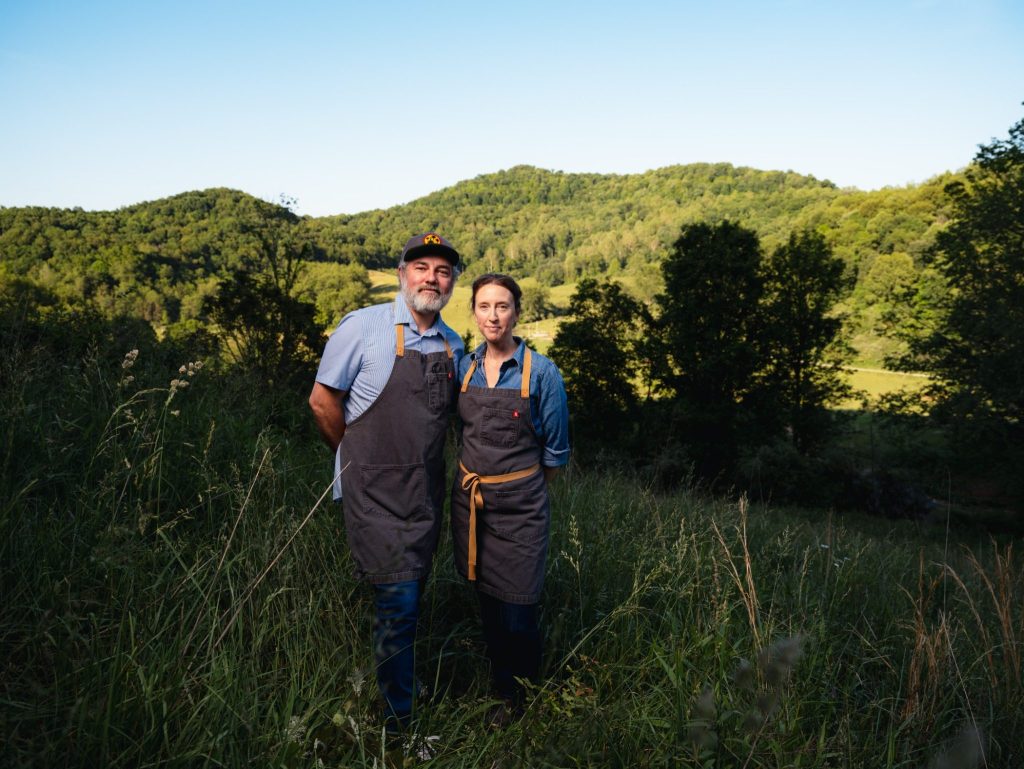
LOST CREEK, W.Va. — Mike Costello and Amy Dawson have built their lives around a simple idea: The food of Appalachia is worth preserving, sharing, and celebrating.
For them, that food tells a much bigger story — one about the garden where the vegetables were grown, the family member who preserved a seed for generations, the recipe once associated with hard times, and the people and places connecting it all.
At Lost Creek Farm in Harrison County, Costello and Dawson have made it their mission to show people from West Virginia and beyond that Appalachian food traditions are something worth celebrating.
“We have our own thing,” Costello said. “And our own thing is pretty cool, too.”
Both Costello and Dawson grew up with deep connections to West Virginia’s land and foodways. Costello was raised on a small farm in Kanawha County, spending time in the kitchen with his grandmother and in the garden with his family. Dawson grew up on her family’s farm in Harrison County, where food was woven into nearly every aspect of daily life.
“You’re growing it, you’re raising it, you’re canning it,” Dawson said. “So I’ve been in it my whole life.”
Years later, that connection to food and place would bring Costello and Dawson back to Dawson’s family farm in Lost Creek, where they saw the possibility of building something of their own.
The farmhouse, built in the 1880s, had been abandoned for more than 20 years and would require significant work. But when Dawson suggested they make a life there, Costello began to see the property as a place where a longtime dream could finally take root.
“It just opened the possibility that we could settle down here,” Costello said.
That possibility eventually became Lost Creek Farm.
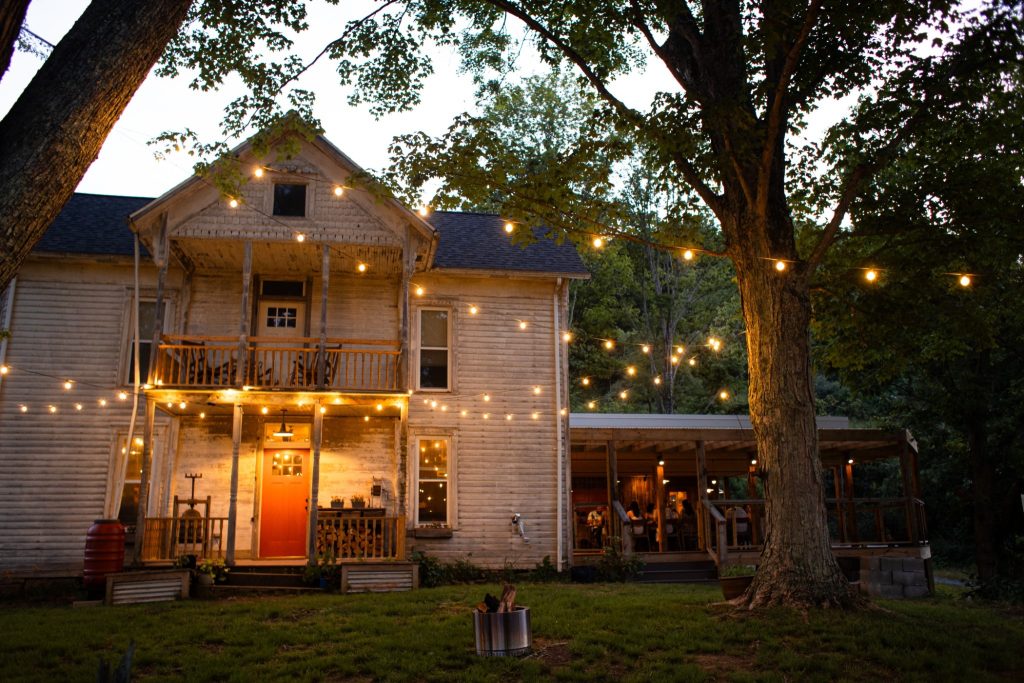
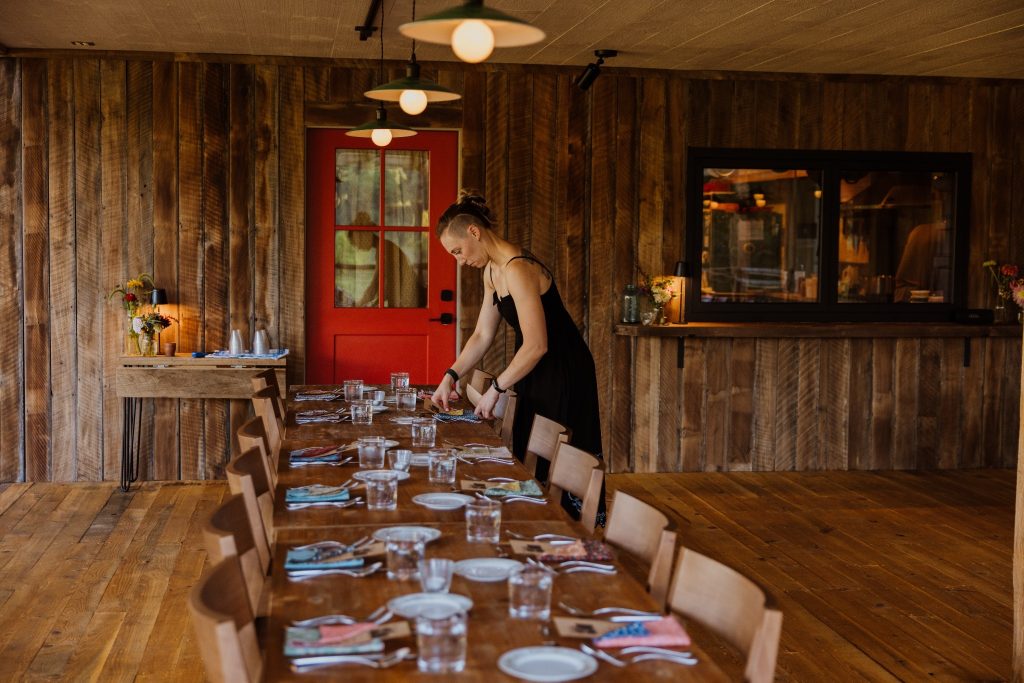
Rather than calling it a restaurant, Costello and Dawson describe Lost Creek Farm as a “culinary destination.” Dining is at the center of the experience, but so are heirloom crops, Appalachian traditions, storytelling, and an understanding of where food comes from.
“We sort of try to build up an immersive experience,” Costello said, “and sort of get to show off all that goes into this really proud, place-based cuisine that we grew up with.”
That pride is especially important because Costello remembered a time when Appalachian food wasn’t always something people openly celebrated.
Growing up, he saw traditions associated with poverty or hard times treated as something to leave behind. When he began working in food in the early 2000s, he said describing something as “Appalachian food” wasn’t necessarily viewed as a selling point.
“There was almost this kind of sense of like we were always running away from it,” Costello said. “And that doesn’t feel right when you’re from a place like this and you’re really proud of where you come from.”
Lost Creek Farm is helping change that narrative.
Diners travel from across the country — and even internationally — to experience food deeply connected to West Virginia. For the past four or five years, Costello said the farm has welcomed visitors from approximately 40 states each year, along with guests from several countries.
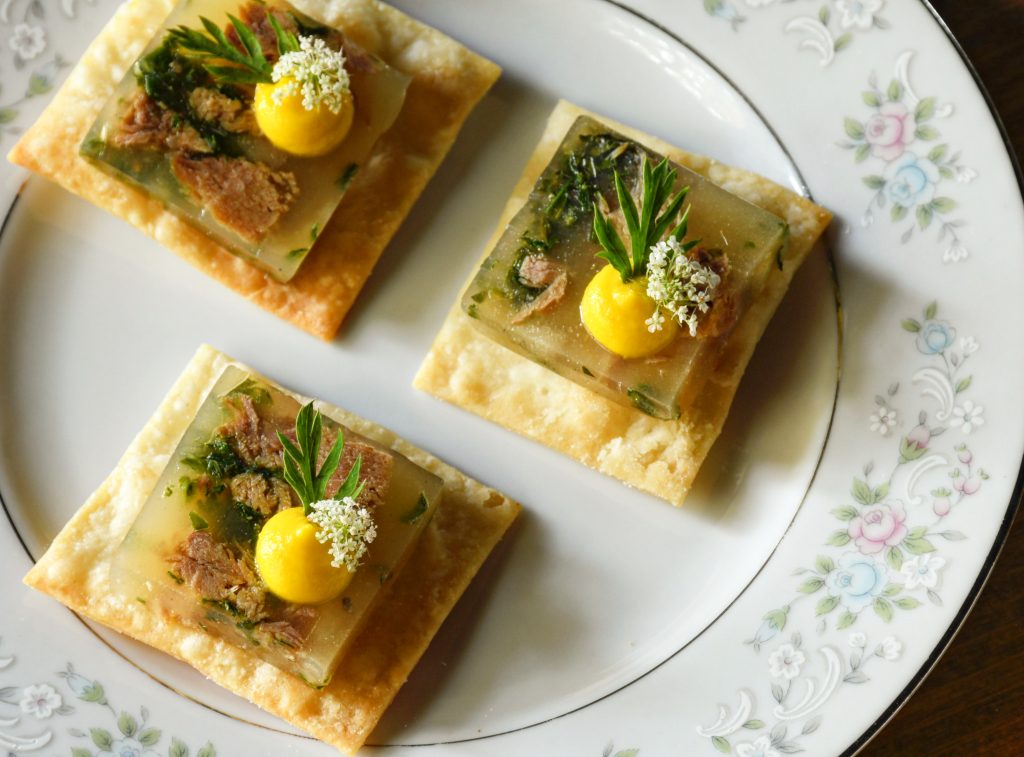
“It’s been a really fun experience to prove that people will come to West Virginia for something that’s unique and hyper-connected to this place, and, even more so, to the people of this place,” Costello said.
Their work also extends beyond their own farm.
While Costello and Dawson grow specialty heirloom crops themselves, they purchase extensively from other growers. At times, a single Lost Creek Farm menu may represent ingredients from around 12 different farms.
Now, they’re preparing to expand the educational side of their mission.
Following a major construction project that added a new kitchen and dining space, work continues on a culinary classroom where Costello and Dawson plan to teach some of the traditions once passed down to them “person-to-person and hand-to-hand.”
The space will also include an area dedicated to preserving heirloom seeds gifted to the couple — seeds that carry histories of the West Virginia families who grew, saved, and shared them.
“There’s a food culture here that is really living and breathing and begging to be shared,” Costello said.
For young West Virginians hoping to build creative careers of their own, Costello and Dawson offered advice that may initially sound unexpected: Get out and see somewhere else.
Whether that means traveling for a few weeks or living elsewhere for a few years, Costello said experiencing other places can provide a new appreciation for what’s possible at home.
A trip the couple took to Spain while living in Lewisburg became particularly influential. They saw communities proudly celebrating foods unique to their regions and realized West Virginia possessed traditions equally deserving of that pride.
“Our food here wasn’t celebrated as much as Spanish food is,” Dawson said.
Today, they’re helping change that from a family farm in Harrison County.
Through every heirloom seed planted, farmer supported, tradition taught, and meal served, Costello and Dawson are proving that West Virginia doesn’t have to imitate somewhere else to give people a reason to visit.
Sometimes, what they’re searching for has been here all along.
Know someone who should be featured? Email your nomination to news@therealwv.com.
Related Articles
THIS WEEK IN WV HISTORY: Sep 6-12
The following events happened on these dates in West Virginia history.

From Charleston to the music charts: Stephen Thomas reflects on success and his West Virginia roots
This story is part of RealWV’s year-long focus on youth and belonging in West Virginia, exploring the difficult decisions young people face when deciding whether to stay or leave.