Support your local library: A free resource worth preserving
By Lauren Rodgers, RealWV
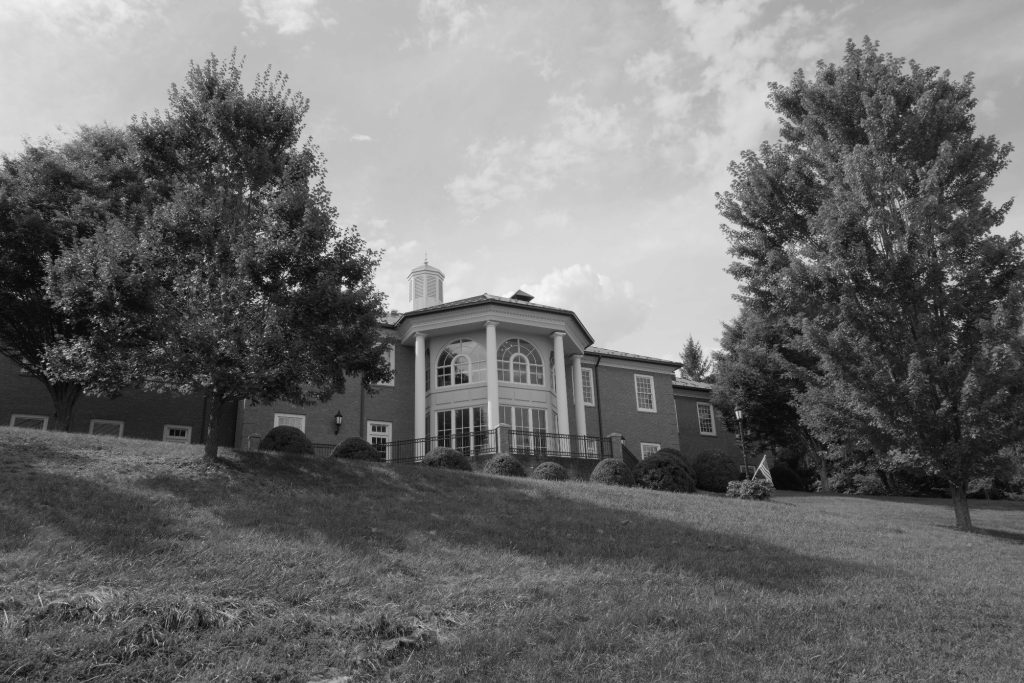
GREENBRIER COUNTY, W.Va. — Public libraries offer so much more than just books — they’re a community space. They provide internet access to those who might not otherwise have it. They’re a resource for printing, faxing, and copying. They provide free notary services and accept passport applications. They offer conference rooms and study spaces.
Their internet access is particularly important in a state where roughly 11 percent of the population lacks broadband, and their computers help people find jobs, build résumés, and earn their degrees. They’re a resource for discovering new music and movies.
Inside a library, there’s a spot for anyone to get inspired, learn something new, or just have fun: children discover hundreds of books at their fingertips, students study, and senior citizens play solitaire on the computer. To access the library is to access a world of renewed possibility. The best part? The library, and almost all of its services, are completely free.
As an open, free, and neutral knowledge base, the library is an invaluable place that fosters individual and community growth.
“It’s one of the last free things where people can find information, be educated, and have access to materials at all times,” said Christy Carver, assistant director of the Greenbrier County Public Library.
Libraries are completely politically neutral — they carry books from all sides of the political spectrum, don’t ban books, don’t support specific politicians, and encourage patrons to become informed and educated in whatever manner they choose.
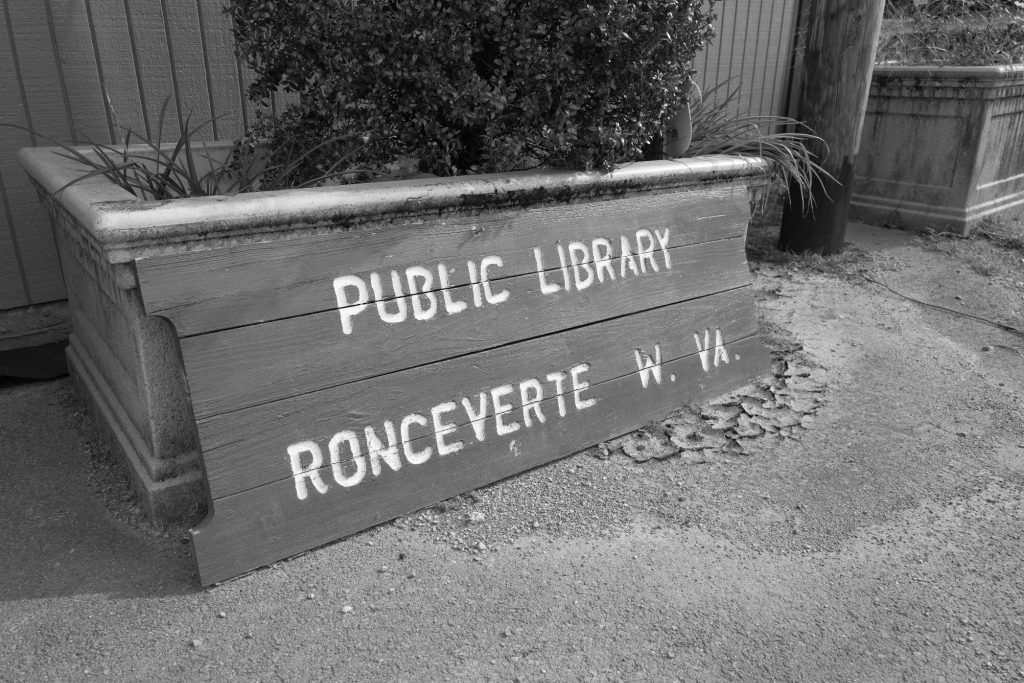
“I think of the library as being the center of a community,” said Cherie Davis, director of the Ronceverte Public Library, “The biggest thing is how libraries are going to be funded.”
West Virginia’s public libraries were once housed under a state agency but now fall under the Department of Tourism. The changes have led to staffing cuts on a government level, leaving the state’s most rural libraries to their own devices.
“In having an agency, we used to have many library professionals on a state level. Now, public libraries are trying to self-manage,” said Ann Farr, director of the Lewisburg Public Library.
The restructuring of West Virginia’s libraries came with House Bill 2009, legislation that consolidated the Department of Arts, Culture, and History into the Department of Tourism. The change has put a strain on the state’s smallest libraries.
“Every library in the state has come together to fill the void of library professionals in our state government,” said Farr, “We feel fortunate in Greenbrier County, because we live in a very generous community that supports its public entities.”
Public libraries have been a cornerstone of American identity since 1731, when Benjamin Franklin created the first library in the country. They stand for American independence and represent our right to speak, read, learn, write, and play freely— freedoms that deserve to be used and preserved.
Support your local library by giving it a visit, or even accessing its e-materials.
“The busier a public library is, the more apt it is to receive additional funding,” said Farr, “Libraries try to keep numbers high because there’s an appeal to foundations and agencies to serve as many people as they can.”
Additional funding for public libraries can help them restore their statewide bandwidth diminished by House Bill 2009. Additional funding allows libraries to not only maintain their existing programming, but also expand their services, facilities, staffing, and community reach.
A visit to the local library strengthens your mind and your community at no cost — go check out your local library today.
Author

Related Articles
From Charleston to the music charts: Stephen Thomas reflects on success and his West Virginia roots
This story is part of RealWV’s year-long focus on youth and belonging in West Virginia, exploring the difficult decisions young people face when deciding whether to stay or leave.

BLACK BY GOD: From West Virginia to Los Angeles, Myles T. blends golf, fashion, and music
A temporary trip during the pandemic became a new creative life—and an opportunity to reconnect with the game his grandfather introduced to him.