THIS WEEK IN WV HISTORY: Sep 6-12
The following events happened on these dates in West Virginia history.
Presented by the WV Humanities Council,
Charleston WV – The following events happened on these dates in West Virginia history. To read more, go to e-WV: The West Virginia Encyclopedia at www.wvencyclopedia.org.
Sept. 6, 1875: Members of the notorious James Gang allegedly robbed the Bank of Huntington and got away on horseback. The robbery spawned a host of legends, including stories about outlaw Frank James–brother of Jesse James–hiding out in Wayne County.
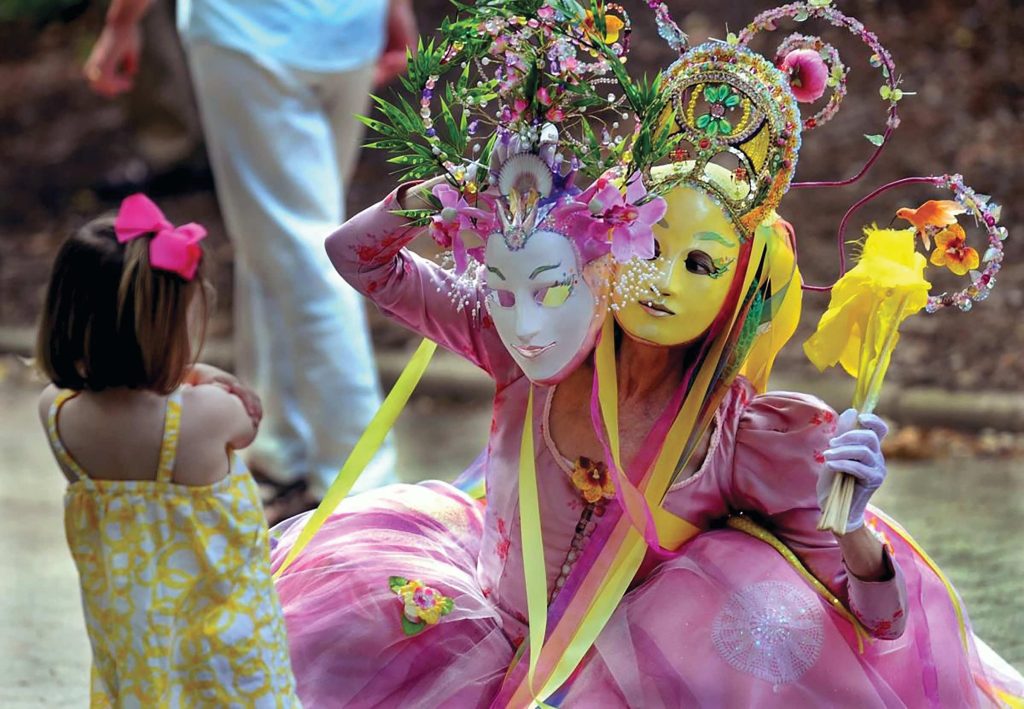
Sept. 6, 1942: Award-winning woodcarver, dancer, playwright and educator Jude Binder was born in Maryland. In 1982, she founded Heartwood in the Hills, a school for the arts in Calhoun County. For more than two decades, she has been Charleston’s “FestivALL Princess.”
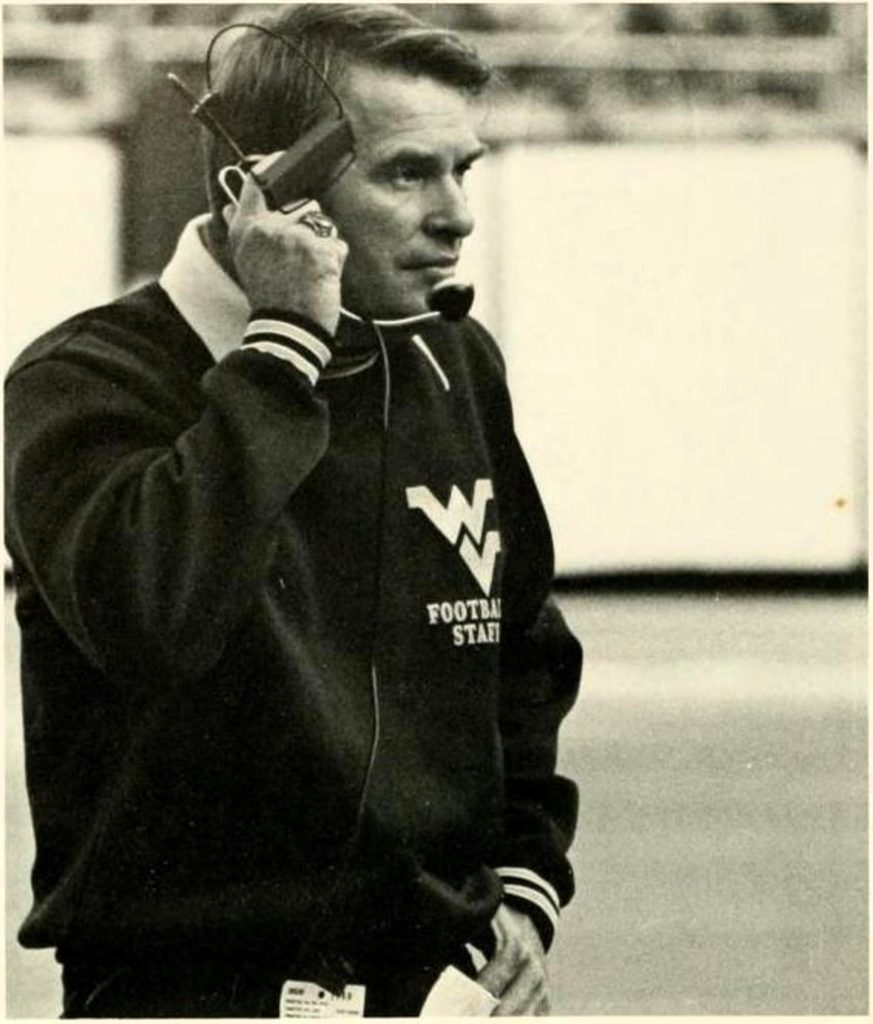
Sept. 6, 1980: The new Mountaineer Field opened in Morgantown with a 41-27 WVU win over Cincinnati. It was the first game for new coach Don Nehlen, who would become the most successful football coach in West Virginia University history.
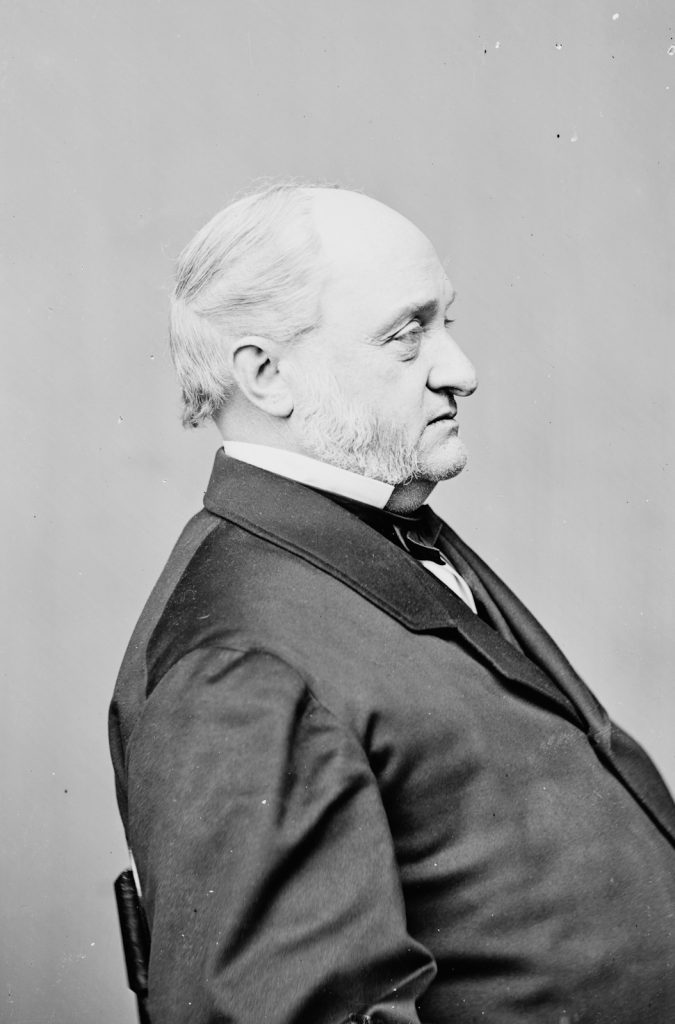
Sept. 7, 1808: Peter Godwin Van Winkle was born in New York City. In 1863, Van Winkle was elected as one of the first two U.S. senators from the new state of West Virginia.
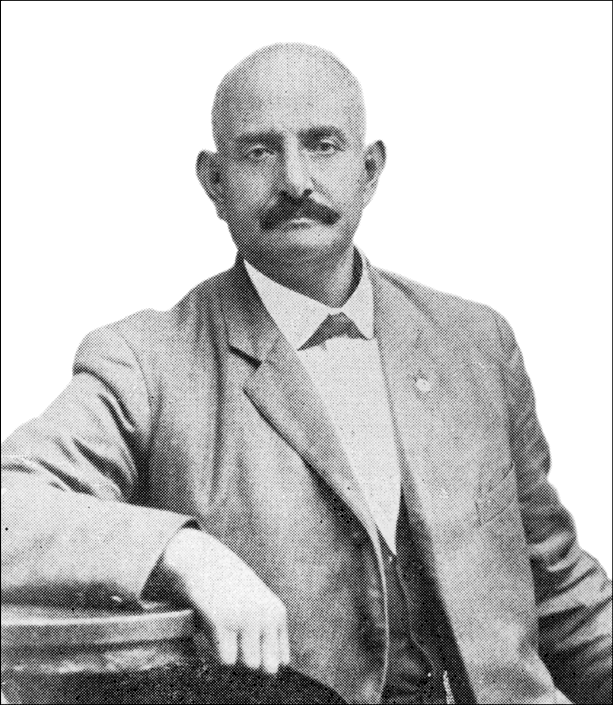
Sept. 7, 1848: Christopher Harrison Payne was born in Monroe County. In 1896, Payne became the state’s first Black legislator when he was elected to the House of Delegates from Fayette County.
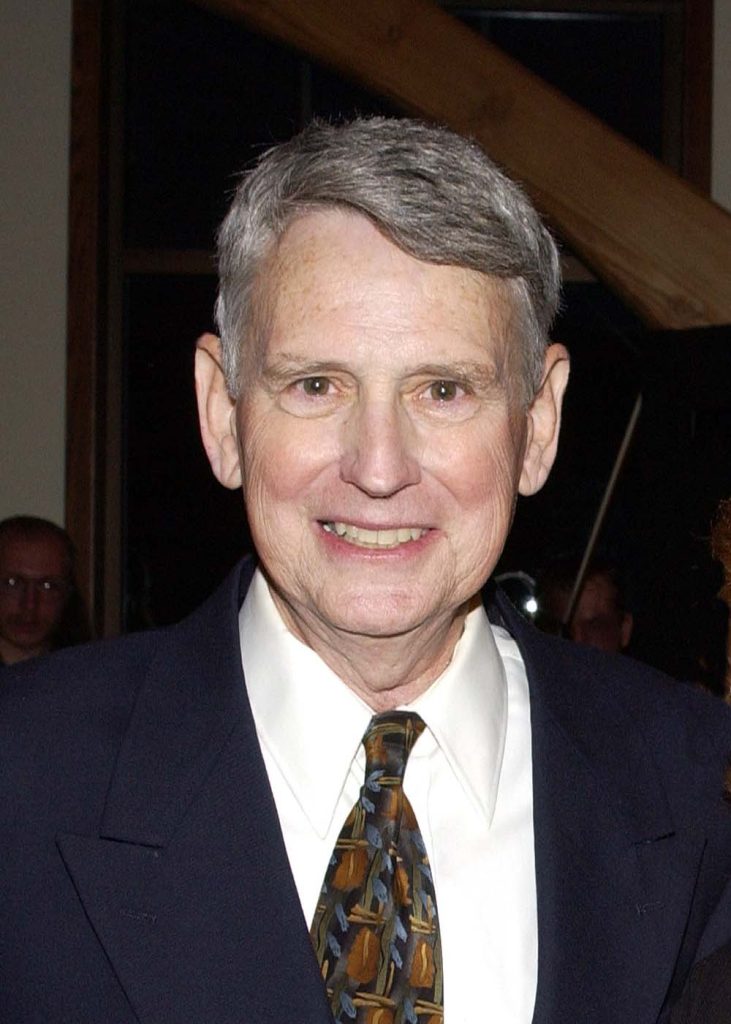
Sept. 7, 1937: Photographer Arnout “Sonny” Hyde Jr. was born in Bluefield. His images of nature and people appeared in magazines, books and calendars throughout the U.S. and Europe.
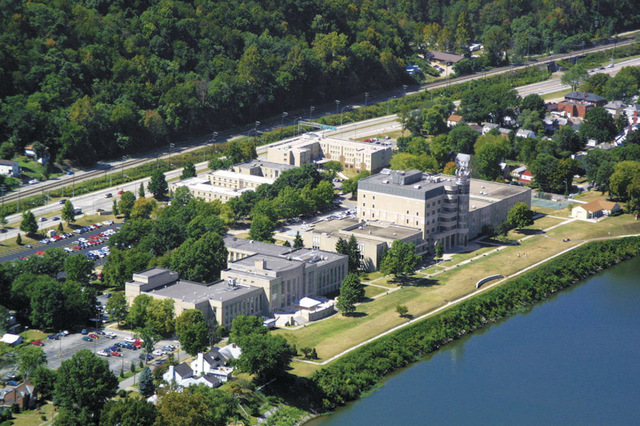
Sept. 8, 1947: Morris Harvey College (now University of Charleston) moved to its current location on the south side of the Kanawha River.
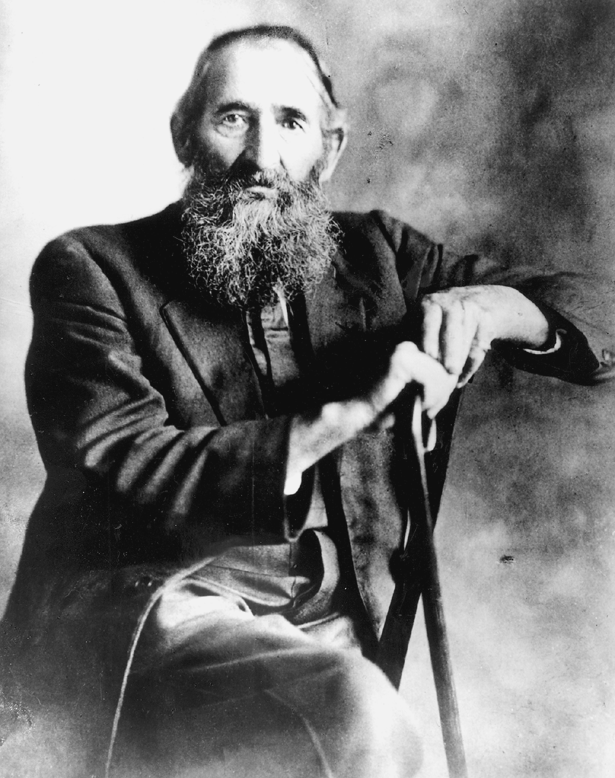
Sept. 9, 1839: Anderson “Devil Anse” Hatfield was born in Mingo County. He was the patriarch of the Hatfield family and their leader during the Hatfield-McCoy feud.
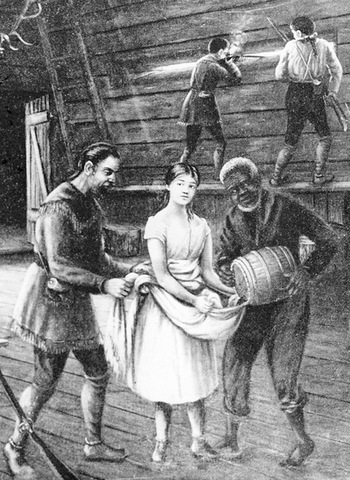
Sept. 10, 1782: Frontier heroine Betty Zane is credited with saving Fort Henry in Wheeling during an attack by British and Indians during the Revolutionary War. According to one account, Zane sprinted across a field to retrieve gunpowder from the Zane family cabin.
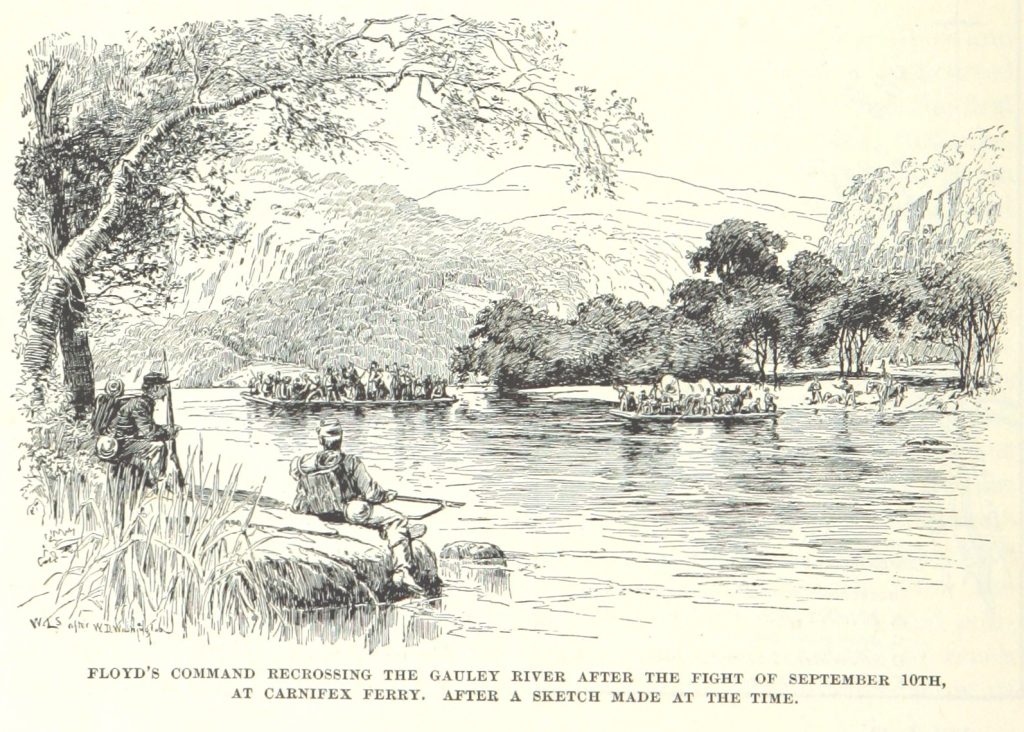
Sept. 10, 1861: The Battle of Carnifex Ferry took place on the Gauley River in Nicholas County. Union Gen. William Rosecrans sent in brigades one at a time as they arrived at the battlefield, allowing the outnumbered Confederates to repulse the piecemeal attacks. During the night, the Confederates retreated before they could be defeated in the morning.
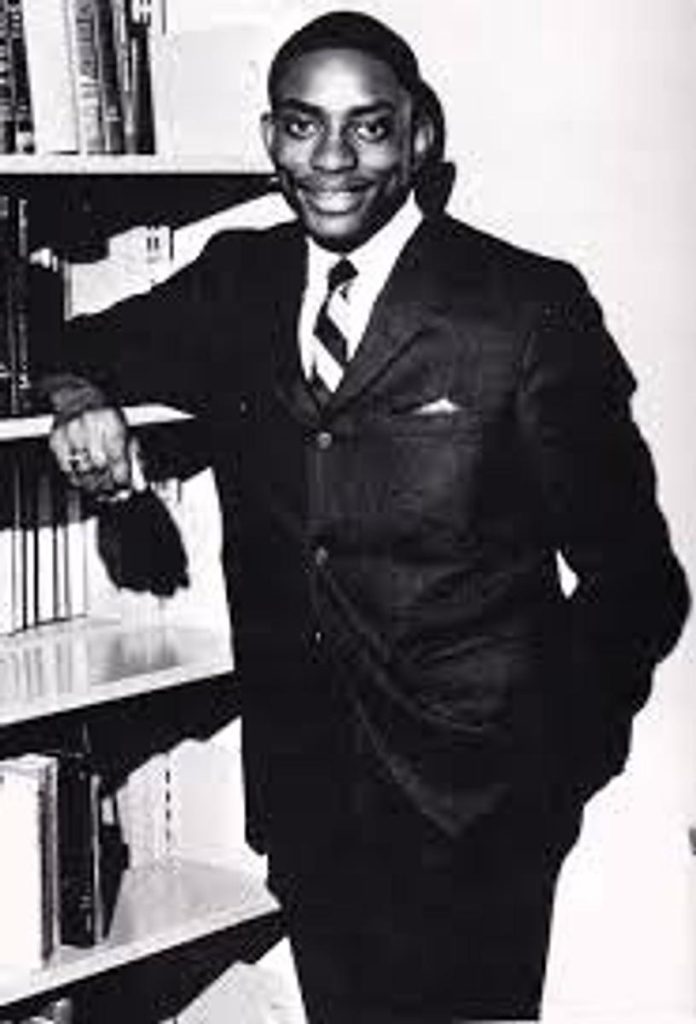
Sept. 10, 1887: Author and scholar John Frederick Matheus was born in Keyser. He became a prominent writer of plays, short stories and other works during the Harlem Renaissance of the 1920s.
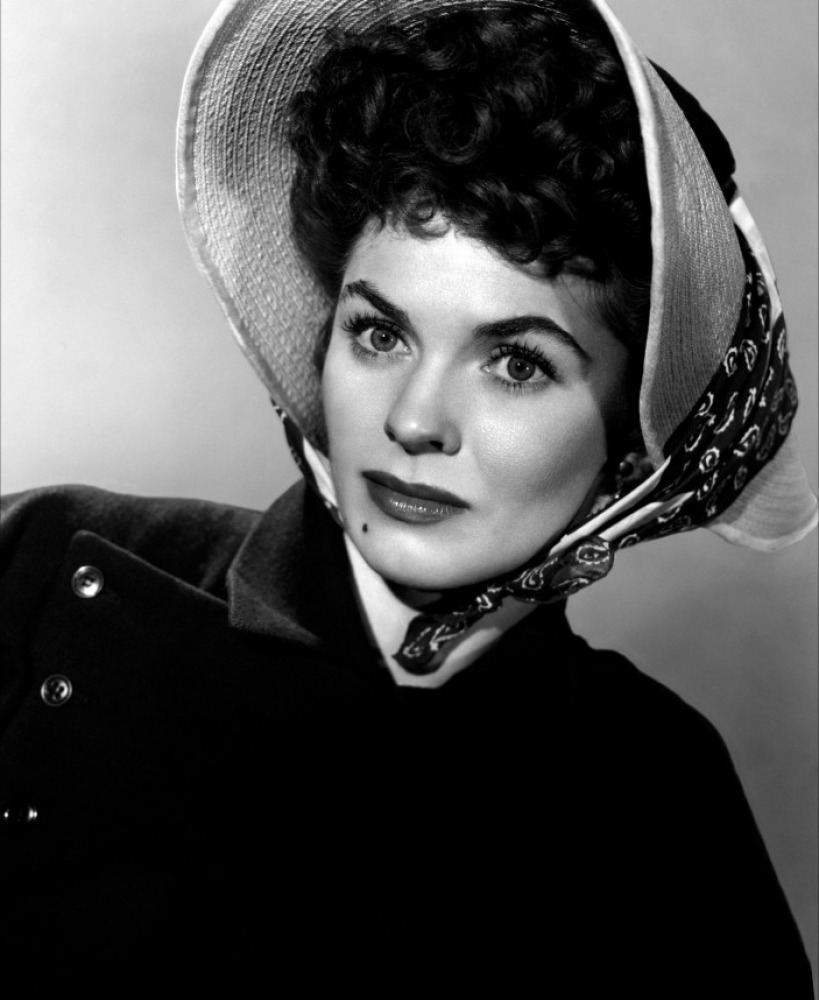
Sept. 10, 1996: Movie and TV actress Joanne Dru died in Los Angeles. Dru, the older sister of Hollywood Squares host Peter Marshall, was born Joan Letitia Lacock in Logan. Her movie career included more than 40 films.
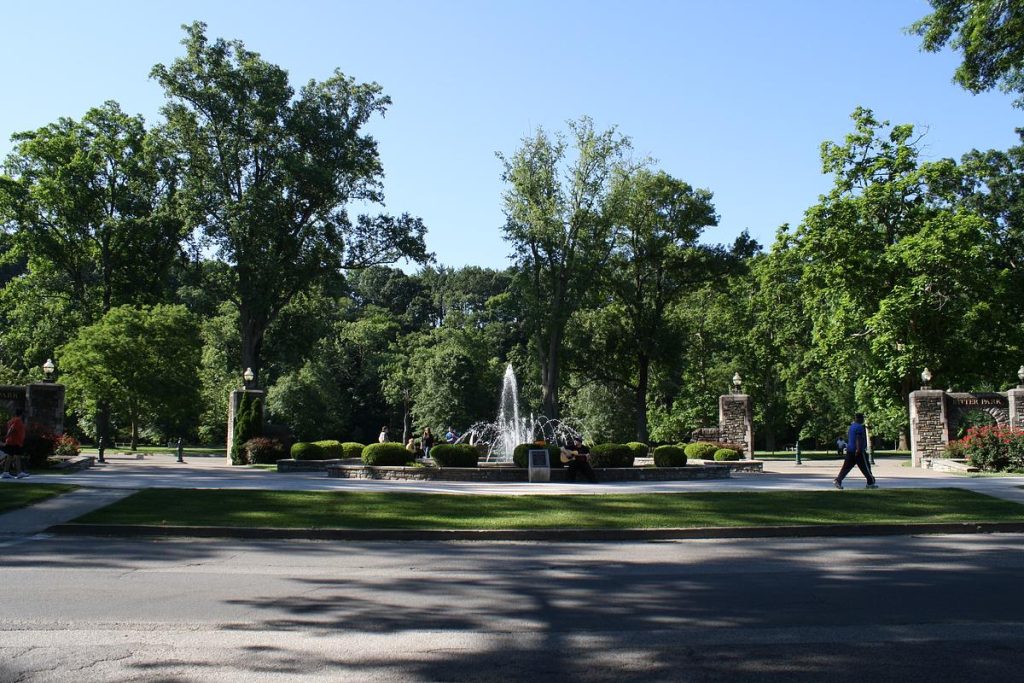
Sept. 11, 1913: Ritter Park in Huntington opened. During the Great Depression, the Works Progress Administration contributed to constructing the roads and stonework around the park.
Sept. 12, 1861: The Battle of Cheat Mountain was fought near the Randolph-Pocahontas County line. Gen. Robert E. Lee came into western Virginia to give support to Gen. William W. Loring, commander of the Army of Northwestern Virginia, but the battle ended in a defeat for the Confederacy.
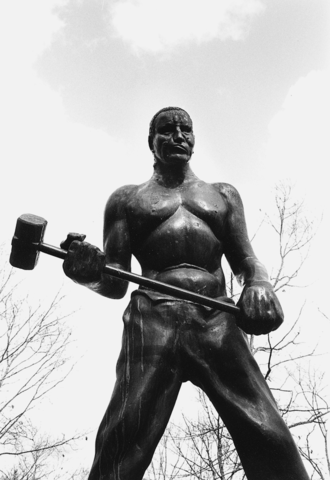
Sept. 12, 1872: The Great Bend Tunnel was completed at Talcott. The tunnel, also known as Big Bend Tunnel, is the place where John Henry defeated the steam drill, becoming one of the world’s great folk heroes.
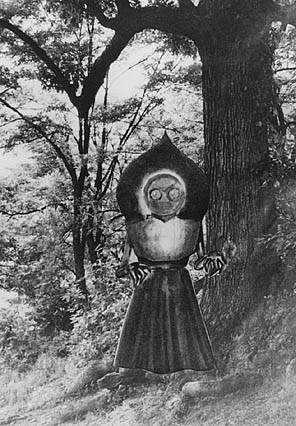
Sept. 12, 1952: A group of local youths were startled at a football game by a fireball streaking across the sky. The fireball fell to earth just beyond a hillside at Flatwoods. This sighting led to the legend of the Braxton County, or Flatwoods, Monster.
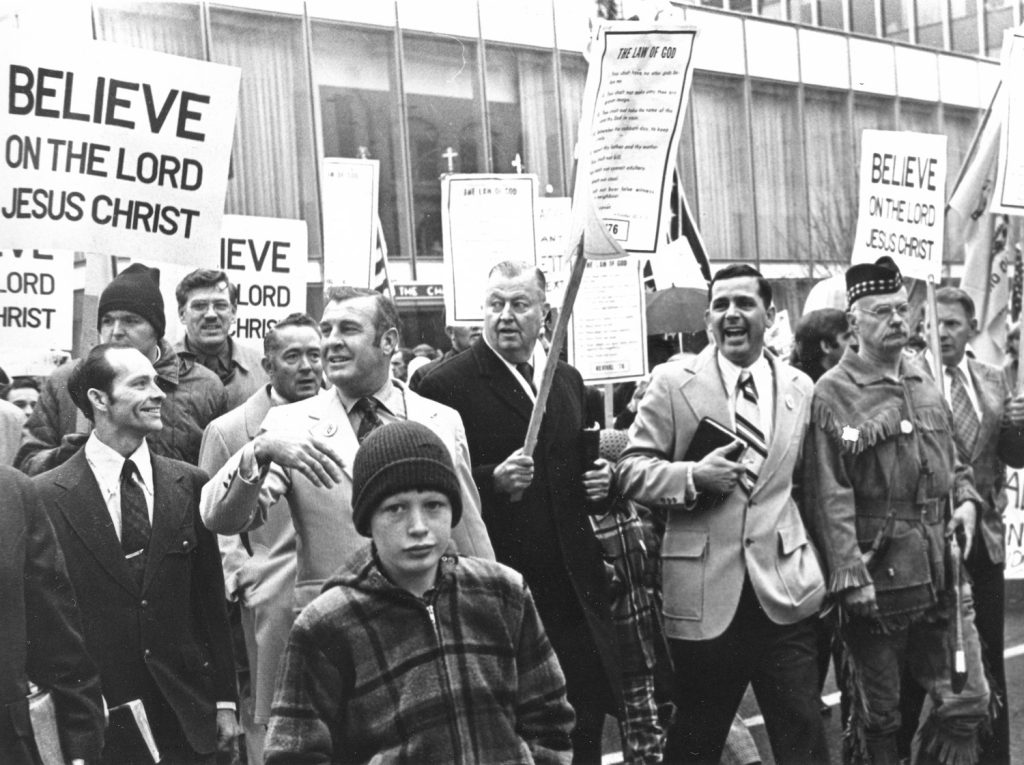
Sept. 12, 1974: Kanawha County schools closed for four days due to a controversy over the adoption of new textbooks. Throughout the fall, advocates for opposing sides of the issue held mass protests, which drew national media attention.
e-WV: The West Virginia Encyclopedia is a project of the West Virginia Humanities Council. For more information contact the West Virginia Humanities Council, 1310 Kanawha Blvd. E., Charleston, WV 25301; (304) 346-8500; or visit e-WV at www.wvencyclopedia.org.
Author

Related Articles
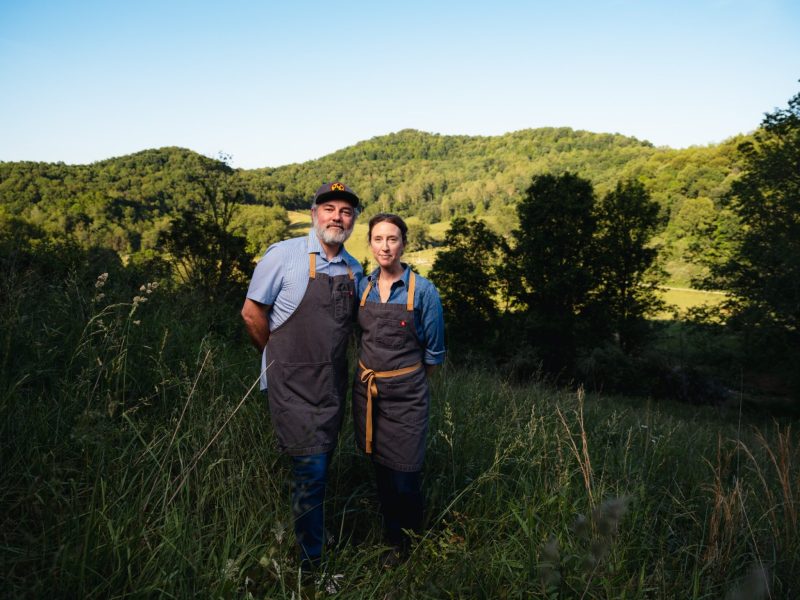
Real West Virginians of the Week: Mike Costello and Amy Dawson — Bringing Appalachian food traditions back to the table
Mike Costello and Amy Dawson have built their lives around a simple idea: The food of Appalachia is worth preserving, sharing, and celebrating.
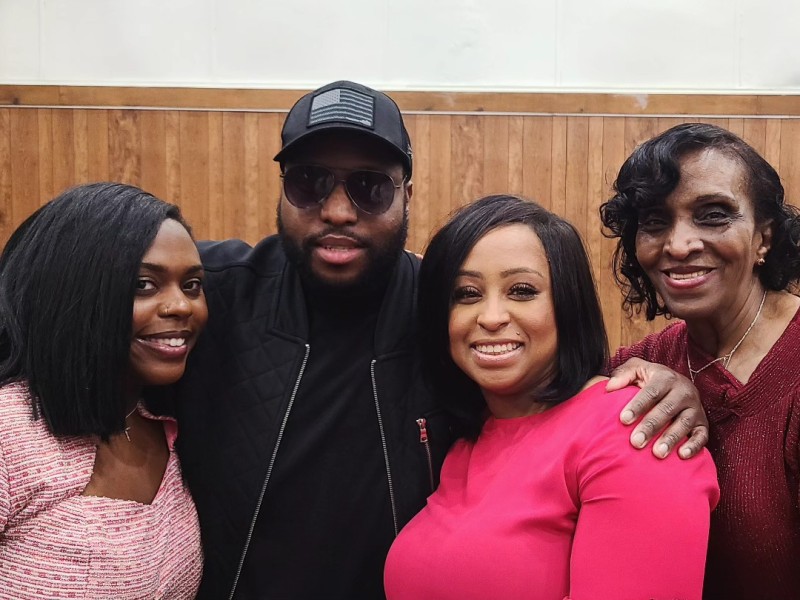
From Charleston to the music charts: Stephen Thomas reflects on success and his West Virginia roots
This story is part of RealWV’s year-long focus on youth and belonging in West Virginia, exploring the difficult decisions young people face when deciding whether to stay or leave.