
West Virginia Herpetology Symposium brings enthusiasts, researchers together at New River Gorge
Headlamps pierce the dark on a trail that runs along the cliff faces of New River Gorge National Park and Preserve
By Vanta Coda III, RealWV
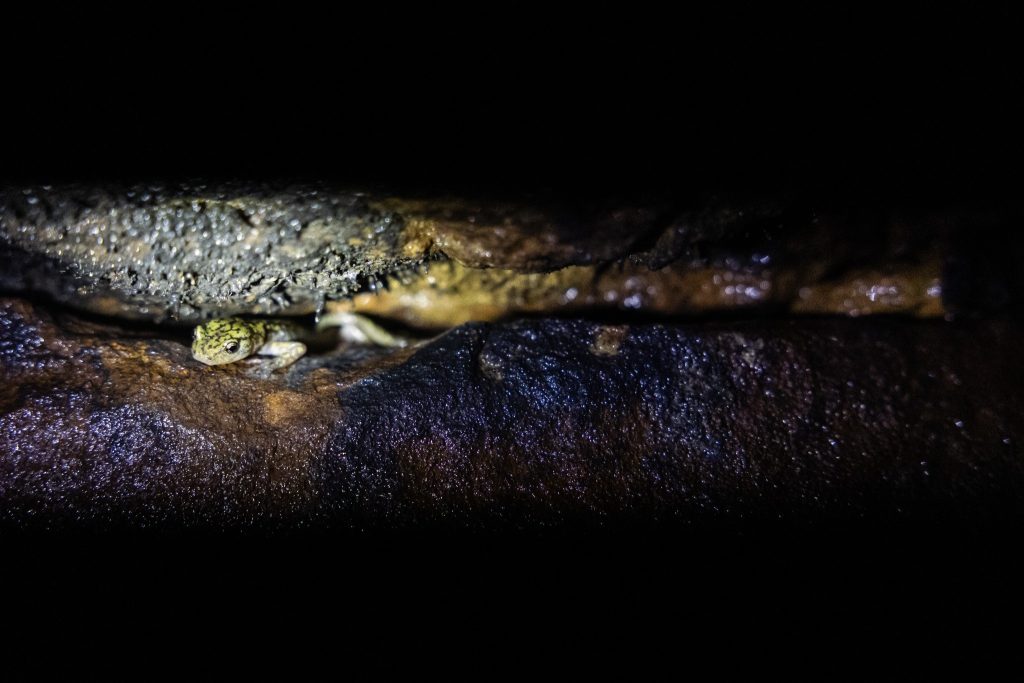
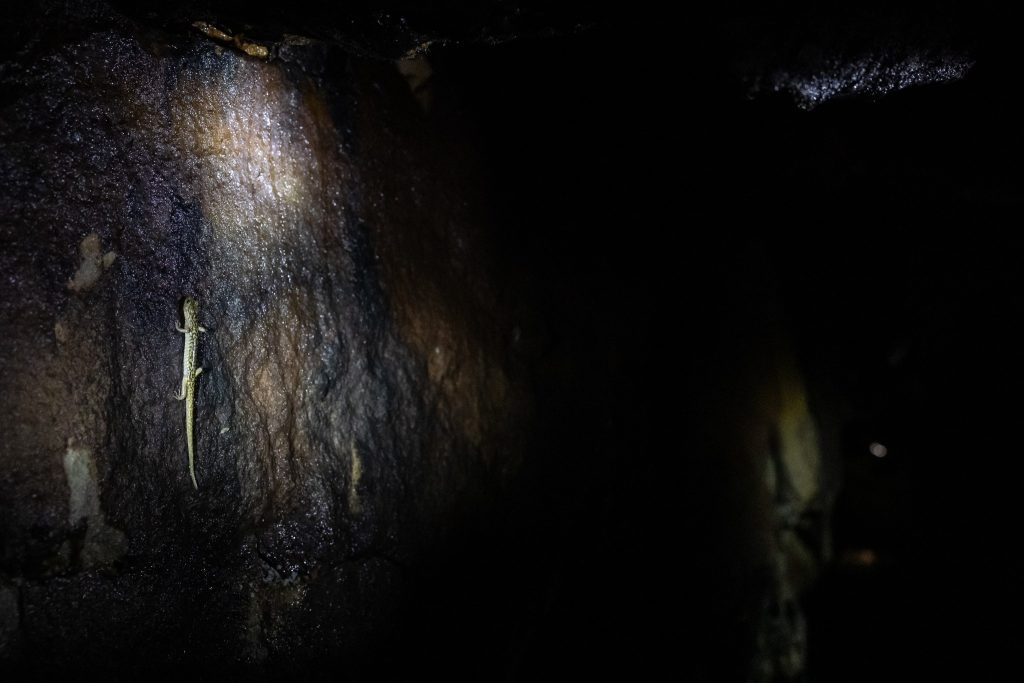
FAYETTE COUNTY, W.Va — Headlamps pierce the dark on a trail that runs along the cliff faces of New River Gorge National Park and Preserve. Suddenly, someone calls out, “I found one,” and the once-stringed band of lights gathers into a clump around the rock face where the person called. An adult green salamander slowly climbs the moist rock wall, hunting for insects in the thick, humid air of the night.
Onlookers, young and old, admire the creature as it traverses its hunting grounds. Another person cries out from afar, “Another one,” and then another voice echoes the same sentiment.
These were the sights and sounds at the West Virginia Herpetological Society’s 2026 Fall Symposium event, called a “herpetology hike”, led by Joshua Stover, a contractor with the New River Gorge National Park and Preserve and a West Virginia Herpetology Symposium planner, who counted the species the group found.
Stover counted the species individuals found on these herpetology hikes, which happened once during the day and once at night during the symposium, which ran from Sept. 11-13.
“Just this year, I started being hired as a contractor with the New River Gorge National Park and Preserve to do herpetology surveys, mainly on the southern end of the park,” Stover said. “I am primarily looking just for populations of plethodon wehrlei, commonly known as the Wehrle’s salamander. But they are also very interested in anything else I see.”
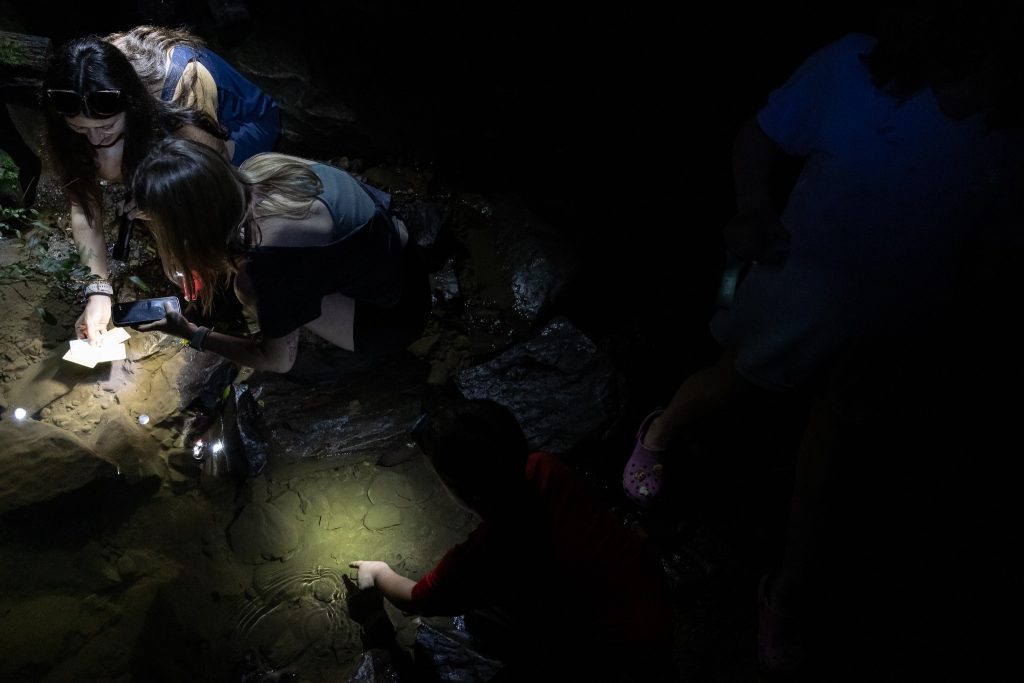
Stover said events like the symposium help these counts by drawing many eyes to the field, logging any amphibians and reptiles they found and adding to the observations Stover has amassed.
Although observational research is happening behind the scenes, the 2026 West Virginia Herpetology Symposium also brought together herpetology lovers, wildlife researchers, college students, and youth herpetology enthusiasts, for informative presentations on research and deep dives into amphibians and reptiles.
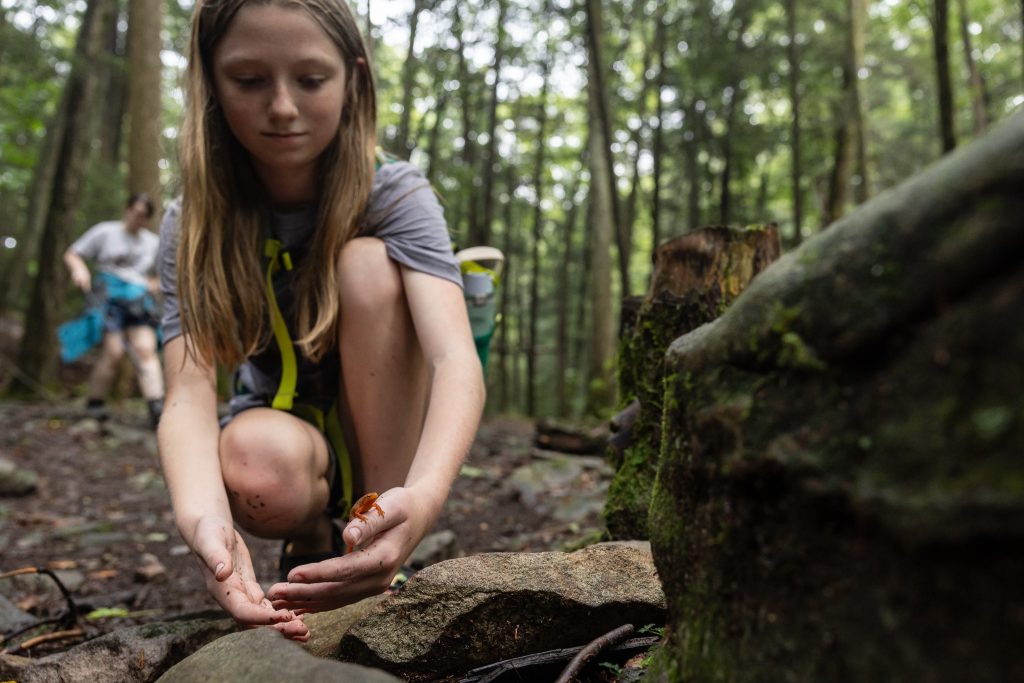
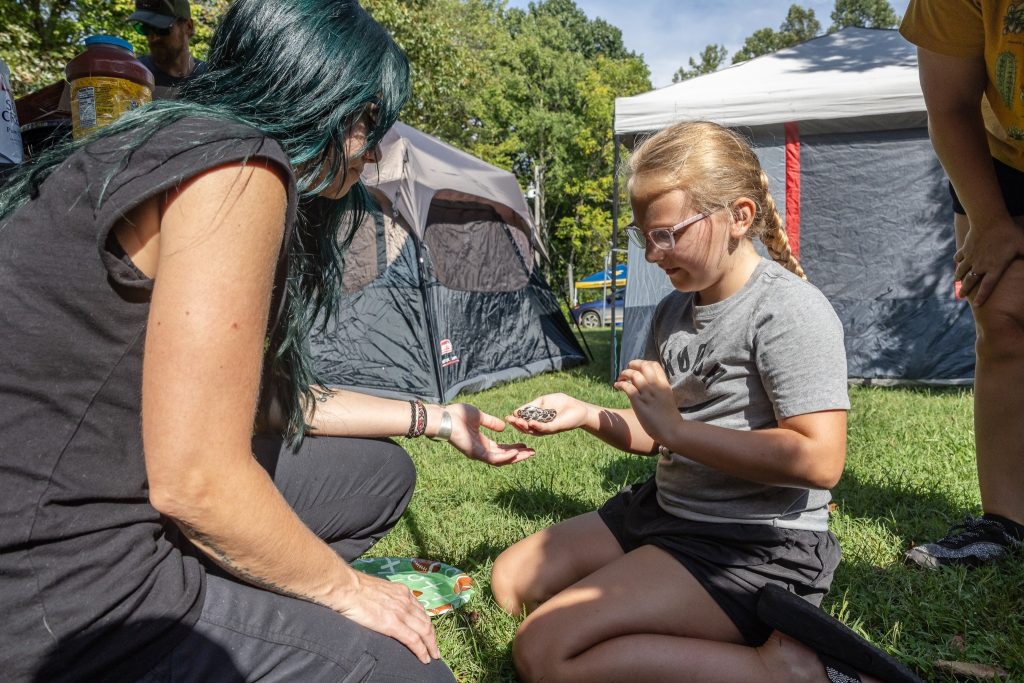
One of these attendees was 12-year-old Emma James, from southern Ohio, who came with her family to the symposium to celebrate her birthday.
“I volunteer at Shawnee State Forest with the naturalists there, and I’m really into this stuff,” James said. “I found out I really had a passion for reptiles and amphibians, and I started volunteering. It’s been about four years now, and it has led me to some really cool places.”
James and other attendees heard from speakers such as Alyssa Lutz, a master’s student at West Liberty University, who presented her research on blue racer monitoring at Big Sand Mound Nature Preserve in Iowa, which ties into a large portion of her master’s thesis.
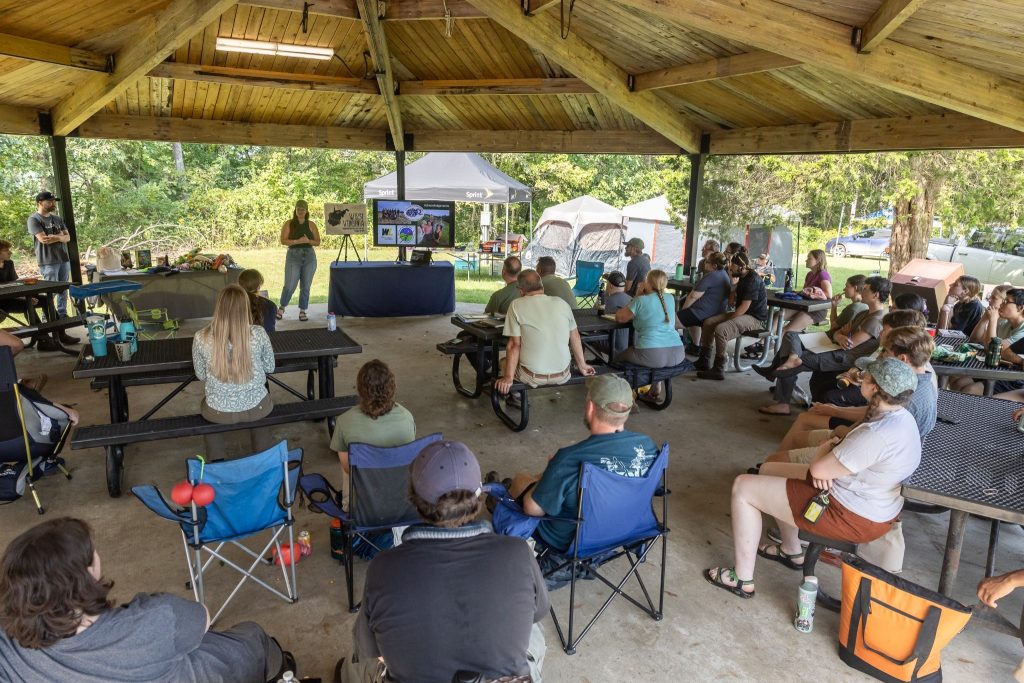
“It’s really cool to see all my hard work pay off,” Lutz said. “Bringing that research here and presenting it to research professionals, people who are really passionate about herpetology, and to students and youth, it just means a lot.”
Since its first symposium in 2017 at Holly River State Park, the West Virginia Herpetological Society has made it its mission to bring enthusiasts, researchers, leading professionals, students, and aspiring youth together to learn more about herpetology and share information.
Jonathan Tinney, president of the West Virginia Herpetological Society, has continued this mission since stepping into the role.
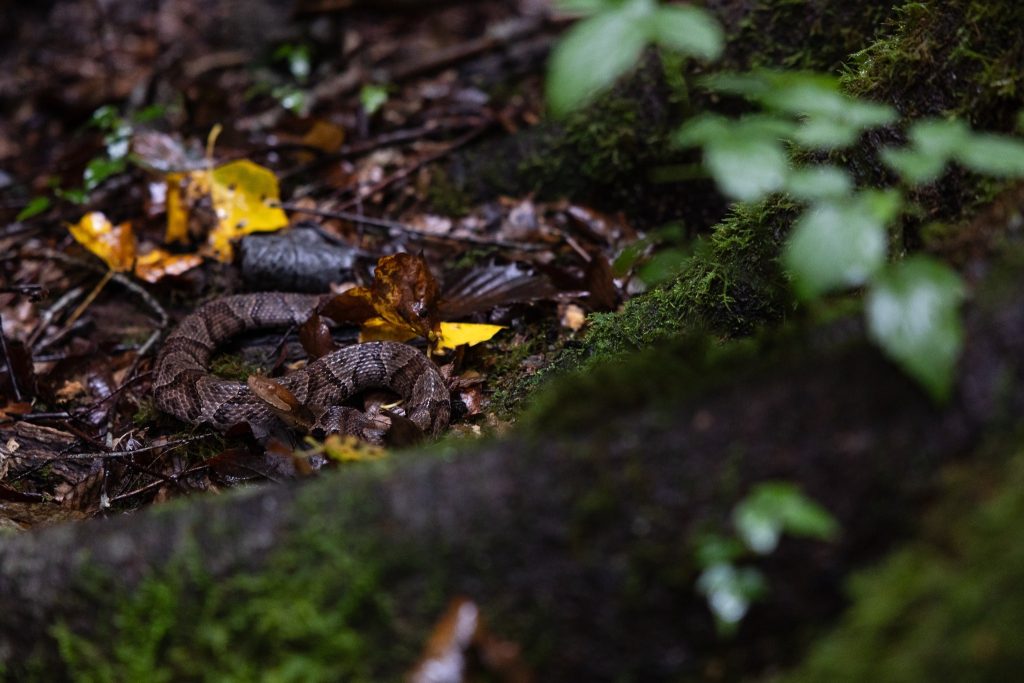
“We are just trying to give people a chance to connect with people and topics that are usually reserved for academia,” Tinney said. “When we first started in 2017, we had 20 people; this year, we have more than 100 registered, with this being the largest turnout ever for one of our symposiums.”
With this growth, the West Virginia Herpetological Society continues to see leading professionals, like Dr. Thomas Pauley, known as the “father of herpetology in West Virginia,” touched by the interest from West Virginia and out-of-state communities.
“For many, many years, I was basically it for researching reptiles and amphibians in the state,” Dr. Pauley said. “They’ve done such a marvelous job. This group has grown from just a handful to more than 100 now. They’re finding and recording animals where we couldn’t before, because there weren’t that many of us. It’s just a really bright day. “
Dr. Pauley has taught many generations of students during his time as a professor at Marshall University. Now, his former students are bringing their students to the symposium to learn and share their own findings in the field.
“To see all these young men and women, and then to see the children, I wonder to myself how many generations now will be doing this. It’s amazing and exciting and very, very pleasing.” Dr. Pauley said.
Related Articles

BLACK BY GOD: Call to Action: PSC sets public meeting date to hear concerns regarding data center construction
The PSC (Public Service Commission) of West Virginia will hold a public hearing later this month regarding House Bill 2014 – otherwise known as the “Certified Microgrid Program” – a widely debated piece of legislation passed during the 2025 legislative session.
Dear Grace: Conversations that matter
I work full-time, but I can’t afford to live. Will the economy ever get better?
An afternoon on 18-year-old Billy Hedrick’s farm
This story is part of RealWV’s year-long focus on youth and belonging in West Virginia, exploring the difficult decisions young people face when deciding whether to stay or leave.