
SUNDAY SERMON: Knowing isn’t enough
By Rev. Stephen Baldwin,
OT: Exodus 17.1-7
NT: Matthew 21.23-32
One time I had an old friend over for dinner. I hadn’t really thought much about the meal beforehand: I guess I just thought I’d make whatever I normally made for dinner. But when I got home that night and started to put dinner together, I suddenly realized I’d made a terrible mistake. This guy was a chef. Why did I invite him over for dinner? Shouldn’t he be the one cooking?
It’s a good rule of thumb to let people who are good at things to do those things. But I had not learned that lesson.
Several years ago, I was shooting basketball in the gym and Bimbo came in. Bimbo Coles, who won an Olympic medal and played over a decade in the NBA. I had recently showed him an old picture of me as a 12-year old playing one-on-one with him at a fundraiser, which gave us both a good laugh. I asked him if he was up for a rematch? Not a good idea.
It’s a good rule of thumb to let people who are good at things do those things. Why? Because we’re all particular about the things we love. Have you ever been on a long car ride with someone who is particular about music? Don’t even think about touching the dial, because they’ve already planned the playlist for the whole trip.
Have you ever bought clothes for someone who works in fashion? Not a good idea. Or brought an avid coffee drinker a cup of gas station coffee with cream and sugar? Not a good idea.
The religious authorities in Jerusalem apparently were about as astute as someone who would invite a chef over for dinner or challenge a pro basketball player to a game of one-on-one. They decide in today’s story to attack Jesus at his own game. Not a good idea.
Jesus was a pretty cool character. Not much got under his skin. Instead of crossing the street so he didn’t have to face prostitutes and lepers, he sought out those others despised. When the whole county showed up to hear him preach one Saturday night, he whipped up a quick meal of fish sticks for everyone. When the disciples were caught in a storm at sea, he saved the day…and they’ve thought that he walked on water ever since. Cool character.
But if there’s one thing, besides Girl Scouts selling cookies in the sanctuary, that makes Jesus flip his lid, it’s people who misconstrue his words. Why? Because words matter. And he was passionate about communicating his message.
Today’s passage finds Jesus in Jerusalem, under attack by the religious authorities. And he’s not happy about it. Not only has he just turned over the tables of the money changers, but he also just killed a fig tree. (Bad, bad day.)
So he decides to go by the church, perhaps to find some respite. Bad, bad idea. Like always, people crowd around him, and he can’t resist the temptation to teach them a thing or two. Only, the religious leaders who normally teach class noticed that their pews were emptier than usual, and they soon discovered it was because everyone had gone to Jesus’ class. So when he saw them walking down the hall towards him, he knew what was coming–a complaint.
Like the Israelites complaining about being thirsty in the wilderness while they’re following Moses in circles, the religious leaders came to complain to Jesus.
“By what authority are you doing these things, and who gave you this authority?”
It wasn’t really a question; it was a…complaint. Jesus knew he was acting on God’s authority, of course. But if he said that they would ridicule him, accuse him of blasphemy, and kick him out of the temple. Being able to go to the temple mattered to him; he didn’t want to fight; he wanted to teach people.
But Jesus also knew that if he didn’t respond at all, they’d crucify him all the same. So he responded to their question with one of his own: “Did the baptism of John come from heaven, or was it of human origin?”
The leaders knew. It was a trap. If they said John’s baptism came from heaven, they would be justifying John and therefore Jesus. If they say it came from the earth, then the crowds who adored John would turn on them. A trap. They played dumb. “We don’t know,” they responded.
“Fine,” Jesus says. “If you refuse to take a stand, then I don’t have to either.” Only he does. Just not directly. Remember, he is good with words. He could speak in parables and make his point without making a mess.
A man had two sons. He told his first son to go work in the vineyard that day. He said no, but he changed his mind later and went. The man went to his second son with the same order. He said he would work, but he never showed up. Which son did right by his father?
It was a trap. Jesus knew. They knew. The answer was so painfully obvious. The one who actually showed up did right by his father, right? Right!
Jesus’ point was that the religious leaders said all the right things, talked the talk, and looked the part, but when the time came to take action and do right…they never showed up. Words matter. Especially when we fail to do what we say we are going to do.
There are enough traps in this world. Don’t set any for yourself. Do what you say you’re going to do. And like that first son, if you refuse to do the right thing but then realize your mistake, do the right thing anyway. That’s much better than sticking to your word about doing the wrong thing.
The hardest part of today’s passage comes at the end, when Jesus said the tax collectors and prostitutes, who were both below the bottom rung of society, would go to heaven before the religious authorities. Why? Because they repented and believed. They changed their ways. The English translation doesn’t do what Jesus said justice. It’s not just that they believed; they repented and believed; they changed their mind and changed their ways.
This theme shows up throughout Matthew: It’s not enough to know the will of God; believers must do the will of God. It doesn’t matter what your title is or your heritage; what matters is what you do for God.
So the next time you fall into a trap, you get in an argument with a Pharisee who just wants to argue, or have a bad idea, like cooking for a chef, remember the first son: There’s always time to change your mind. God is patient and forgiving and relentless in giving us all–even tax collectors and prostitutes, the supposed worst of the worst–recurring chances to do his will. Not just to know the right thing, but to do the right thing. Thanks be to God. Amen.
Related Articles
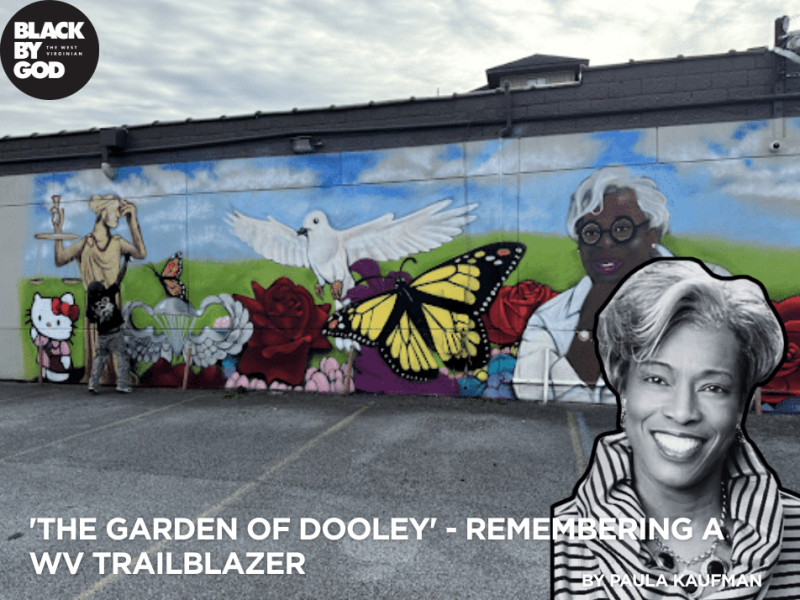
BLACK BY GOD: ‘The Garden of Dooley’ — Remembering a WV trailblazer
Respected activist and Charleston attorney, Katherine Louise “Kitty” Dooley passed away on October 10th, 2025. Five days later, the public awakened to “Garden of Dooley.”
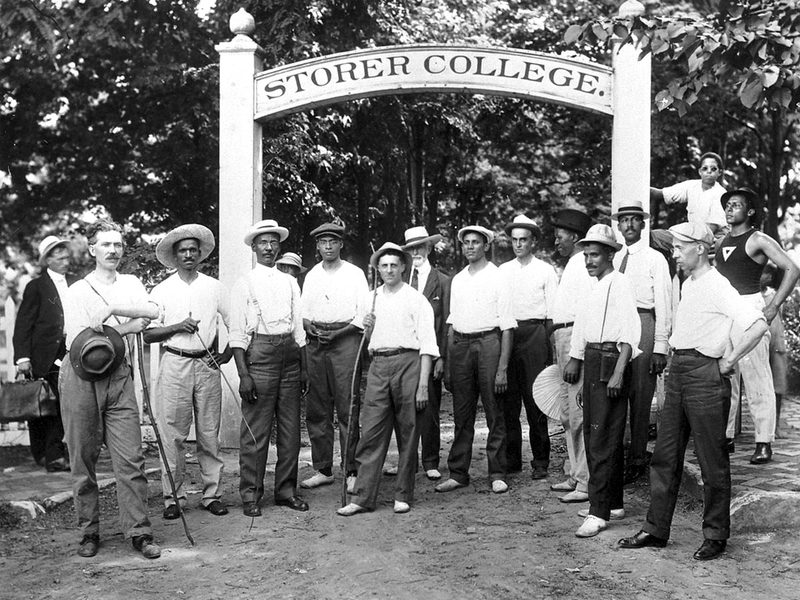
THIS WEEK IN WV HISTORY: Sept. 27–Oct. 3
The following events happened on these dates in West Virginia history.