
Boteler’s Cement Mill preserves layers of West Virginia history
As the end of autumn nears, the canopy has lost its foliage, allowing structures that were hard to see before to come into view. Along the Potomac River near Shepherdstown, W.Va., is an 18-acre campus of ruins called Boteler’s Cement Mill, built in 1826 by Dr. Henry Boteler and George Reynolds.
By Vanta Coda III, RealWV
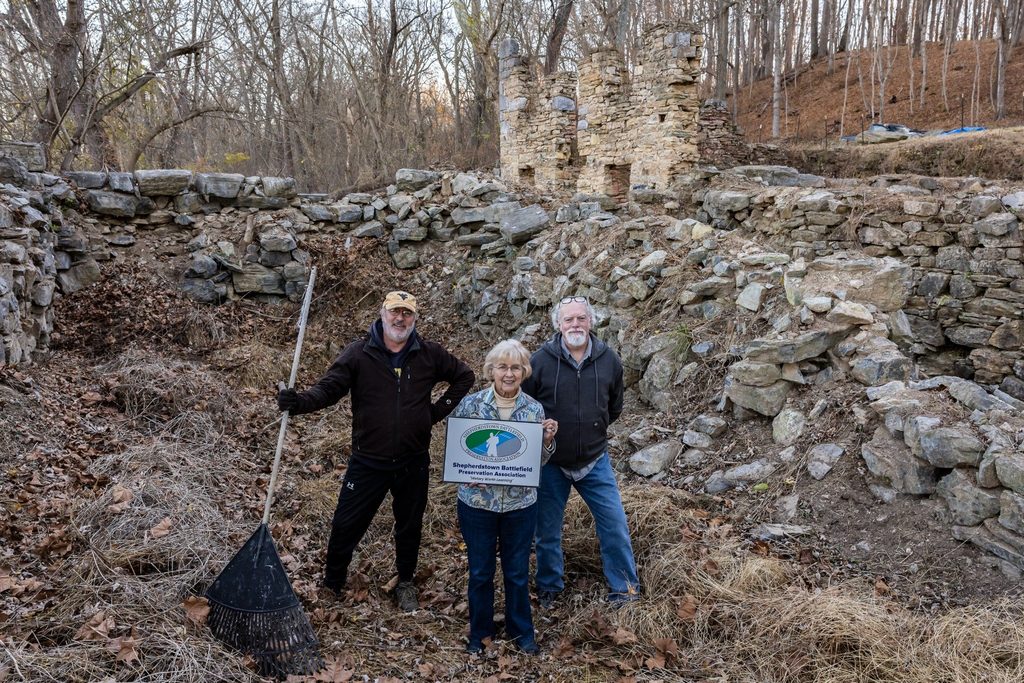
SHEPHERDSTOWN, W.Va. — As the end of autumn nears, the canopy has lost its foliage, allowing structures that were hard to see before to come into view. Along the Potomac River near Shepherdstown, W.Va., is an 18-acre campus of ruins called Boteler’s Cement Mill, built in 1826 by Dr. Henry Boteler and George Reynolds.
The mill closed in 1901 and was neglected until the Civil War Trust, now the American Battlefield Trust, bought 18 acres of the Boteler Cement Mill property in late 2011. The property was deeded to the Jefferson County Historic Landmarks Commission, placed under a conservation easement, and added to the National Register of Historic Places in 2014.
The Shepherdstown Battlefield Preservation Association, or SBPA, a nonprofit 501(c)(3) organization, has since maintained and supported the mill’s preservation. SBPA President Dr. Mike Nickerson said the mill is an important place in our nation’s history.
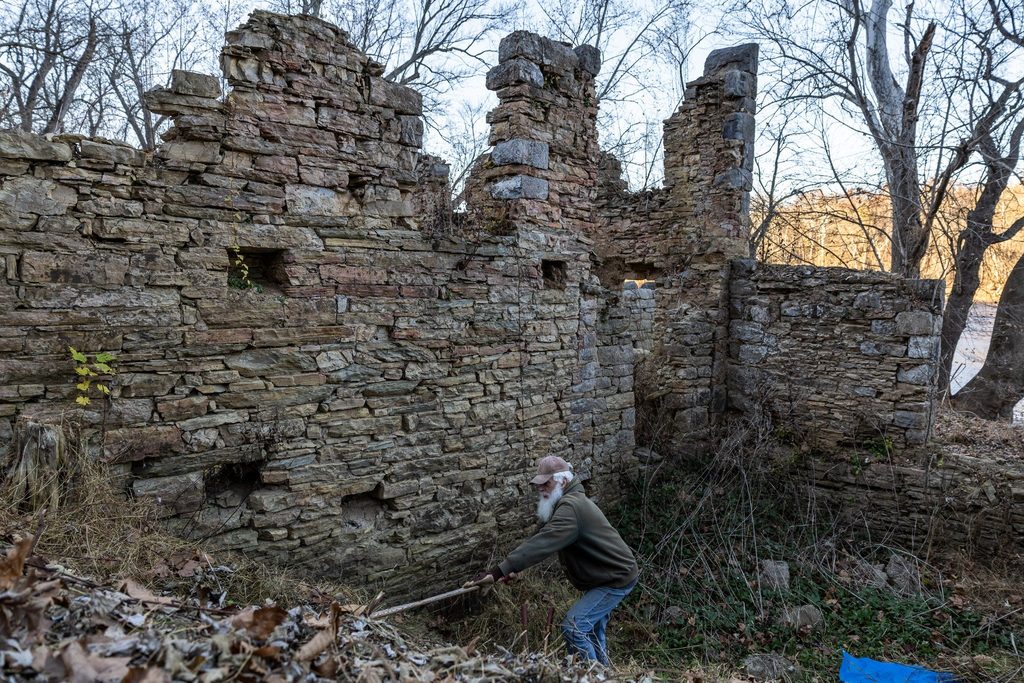
“It was a major industrial manufacturing site for cement that was used to construct not only the C&O Canal, but also federal buildings in Washington, D.C.,” Dr. Nickerson said. “Some of the concrete they produced was even used for the Washington Monument.”
When the concrete mill was in production, there were eight structures on the site: a six-kiln structure, a three-story mill structure, a warehouse, an administrative building, a cooperage for making barrels, and a couple of other buildings whose uses are unknown. Presently, four structures remain: two kiln structures, the mill, and the administrative building.
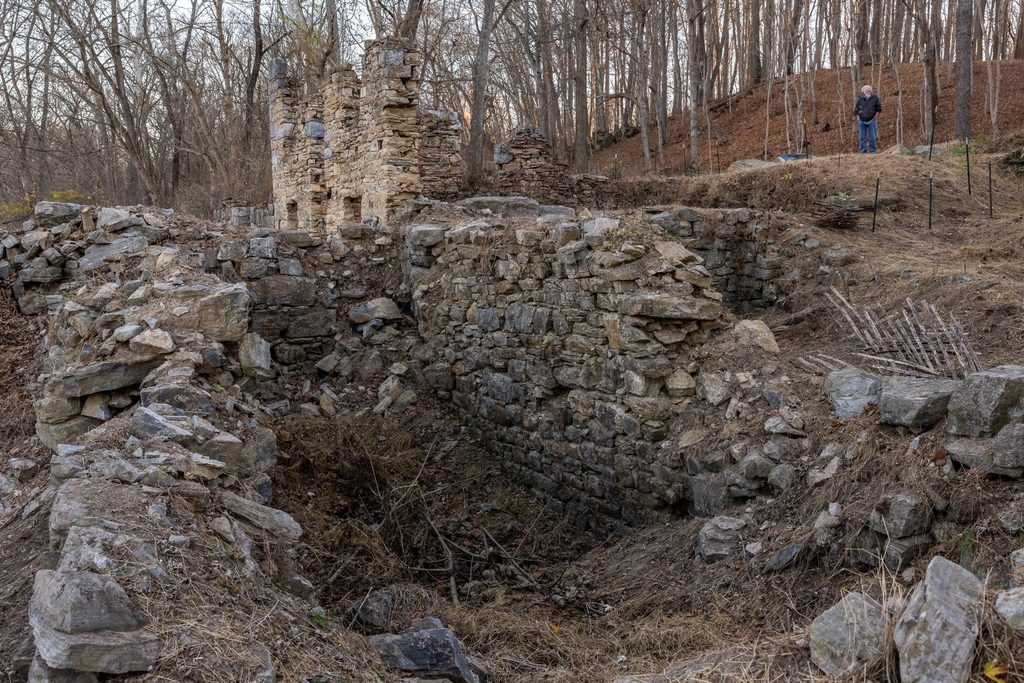
Originally meant for grain, Dr. Boteler’s mill company became aware of the C&O Canal Company in the late 1820s. Construction of the canal began in Georgetown, and by 1832, it was steadily progressing as it approached Shepherdstown, W.Va. Dr. Boteler found a valuable vein of limestone along the Potomac cliffs. After initial tests the limestone, when ground down, proved to be a very high-quality cement called hydraulic cement — strong enough to harden underwater. This cement was crucial for building the C&O Canal, allowing Dr. Boteler to secure sizable contracts from the C&O Canal Company, turning the mill into a major manufacturing center that produced 10,000 barrels of concrete a year and maintained 50 to 80 workers before and after the American Civil War.
After the destruction of Union-controlled Fort Sumter, and as retaliation for losing Fort Sumter, the Union army burned Boetler’s Cement Mill on Aug. 19, 1861. It was not until 1867, two years after the American Civil War ended, that efforts to rebuild Boteler’s Cement Mill began, with the industrial site returning to full production in the early 1870s.
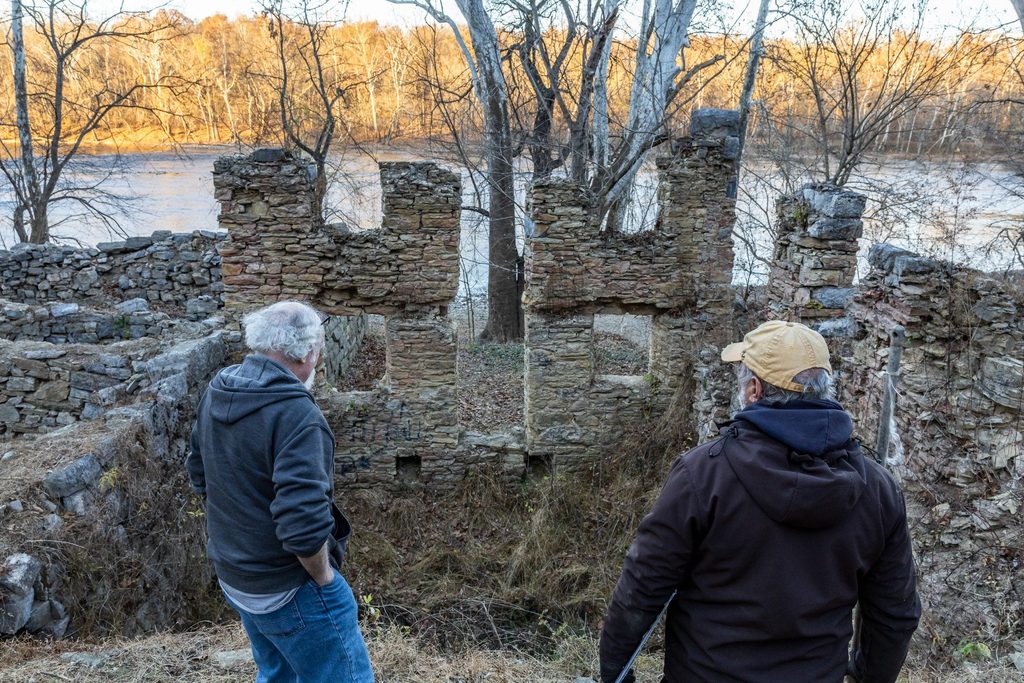
“What’s really interesting is that when you look at the Washington Monument, you can see about a third of the way up that the shading changes on the monument itself,” Dr. Nickerson said. “That is because during the war, when the mill was burned and not operating, they stopped construction on those buildings and that monument.”
During the years after Union troops burned the site during the Civil War, the 1862 American Civil War campaign rapidly moved to Shepherdstown, W.Va. After the Battle of Antietam on Sept. 17, 1862, the Battle of Shepherdstown took place on Sep. 19, in which Boteler’s Cement Mill was the main stage for the battle.
In the Battle of Shepherdstown, Confederate forces led by Ambrose Powell Hill Jr. counterattacked Union forces who followed Confederate forces across the Potomac River along a natural low spot after the Battle of Antietam.
This resulted in Confederate forces most notably pinning the Union 118th Pennsylvania Infantry against the ruins of the cement mill, as well as firing upon other Union infantry regiments who fled back across the river, resulting in more than 361 Union casualties, with the 118th Pennsylvania Infantry accounting for the majority, with more than 269 casualties.
Presently, SBPA is working to stabilize the four remaining structures on the property, estimating a need of $250,000 in project costs. As of Nov. 24, SBPA has raised more than $70,000 for the mill’s stabilization fund. Dr. Nickerson said this is not only crucial to preserving the mill’s history, but also to making the area safe for visitors.
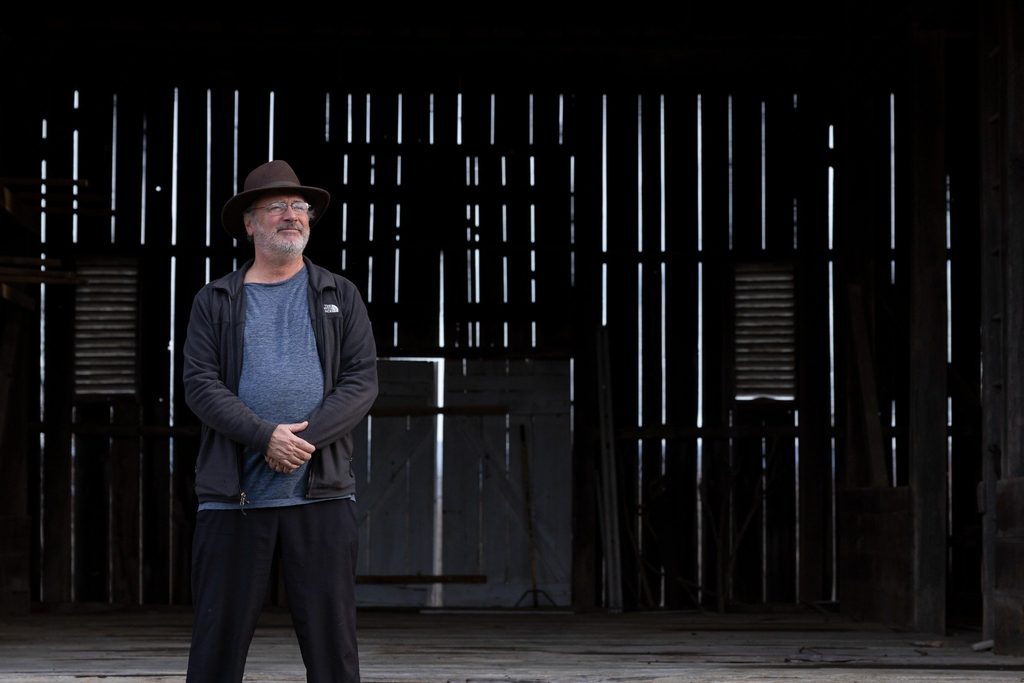
“We aren’t looking to rebuild because that would be a million dollars,” Dr. Nickerson said.
SBPA has future hopes of having the 18-acre property serve as a riverside park where visitors can access the site freely and learn about an important part of The United States history along the banks of the Potomac River.
Related Articles

THIS WEEK IN WV HISTORY: Nov. 29–Dec. 5
The following events happened on these dates in West Virginia history.

Real West Virginians of the Week: Sarah Pollock and Matthew Pollock — Building a global music community from the Greenbrier Valley
Sometimes, it just takes an idea, a willingness to learn, and the determination to prove that something extraordinary can begin right here in the Greenbrier Valley.
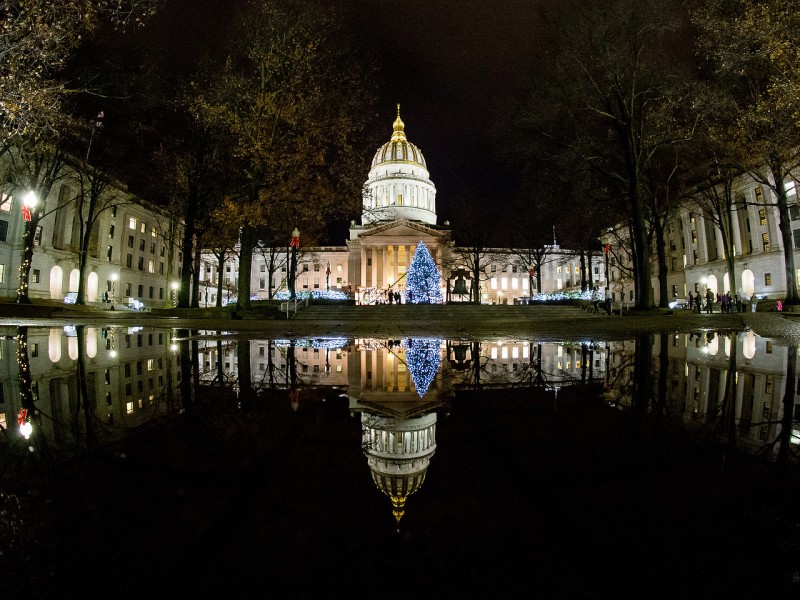
‘Joyful Night’ Christmas Celebration set for Dec 1 at capitol
Hosted by WOWK Chief Meteorologist Spencer Adkins, the evening will feature musical performances by high school band students from Putnam County and the Rock Branch Elementary School Choir.