A trip to Rehoboth, the oldest standing church in W.Va.
October 2023
By Jonathan Eggleston for Real WV
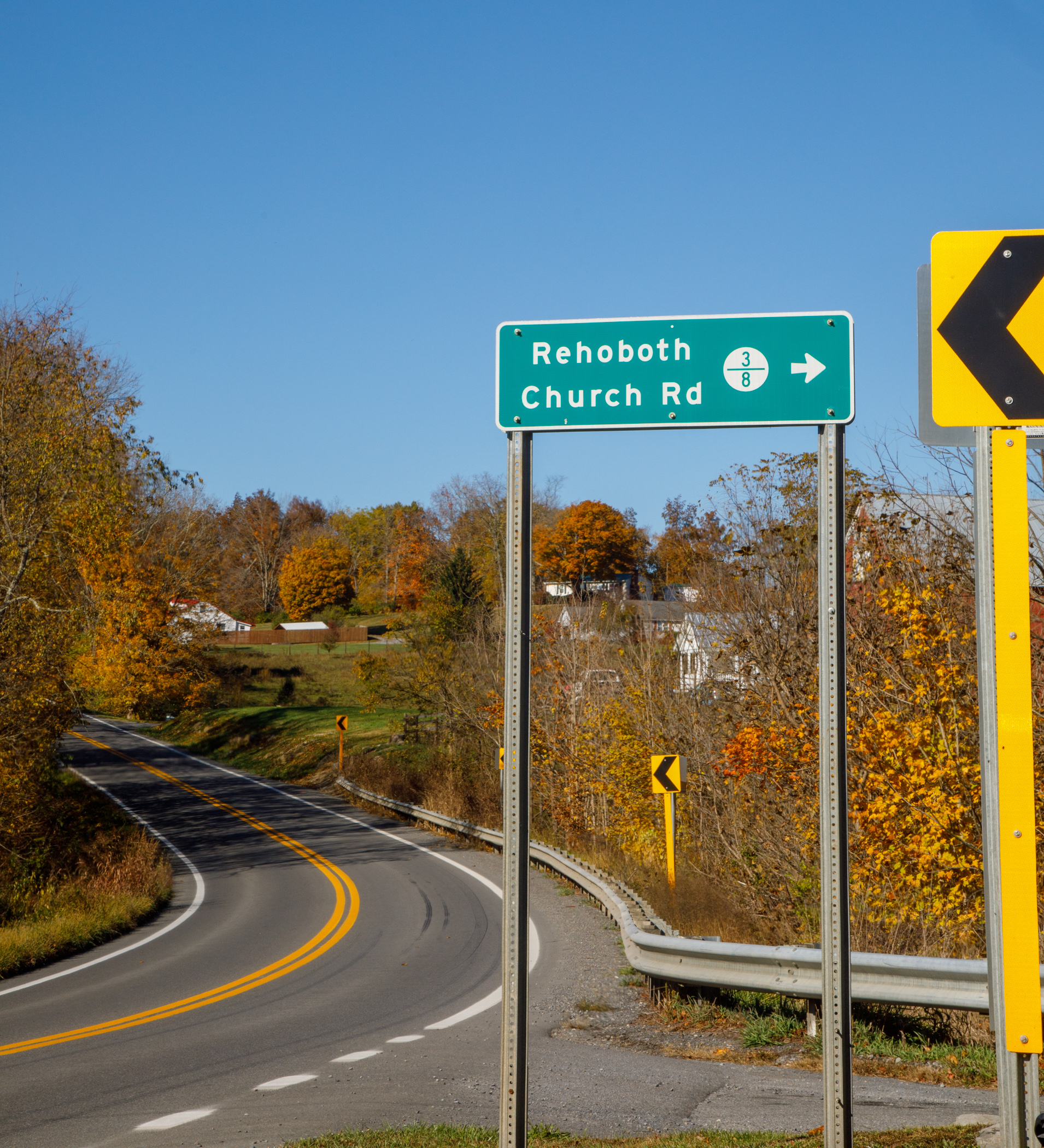
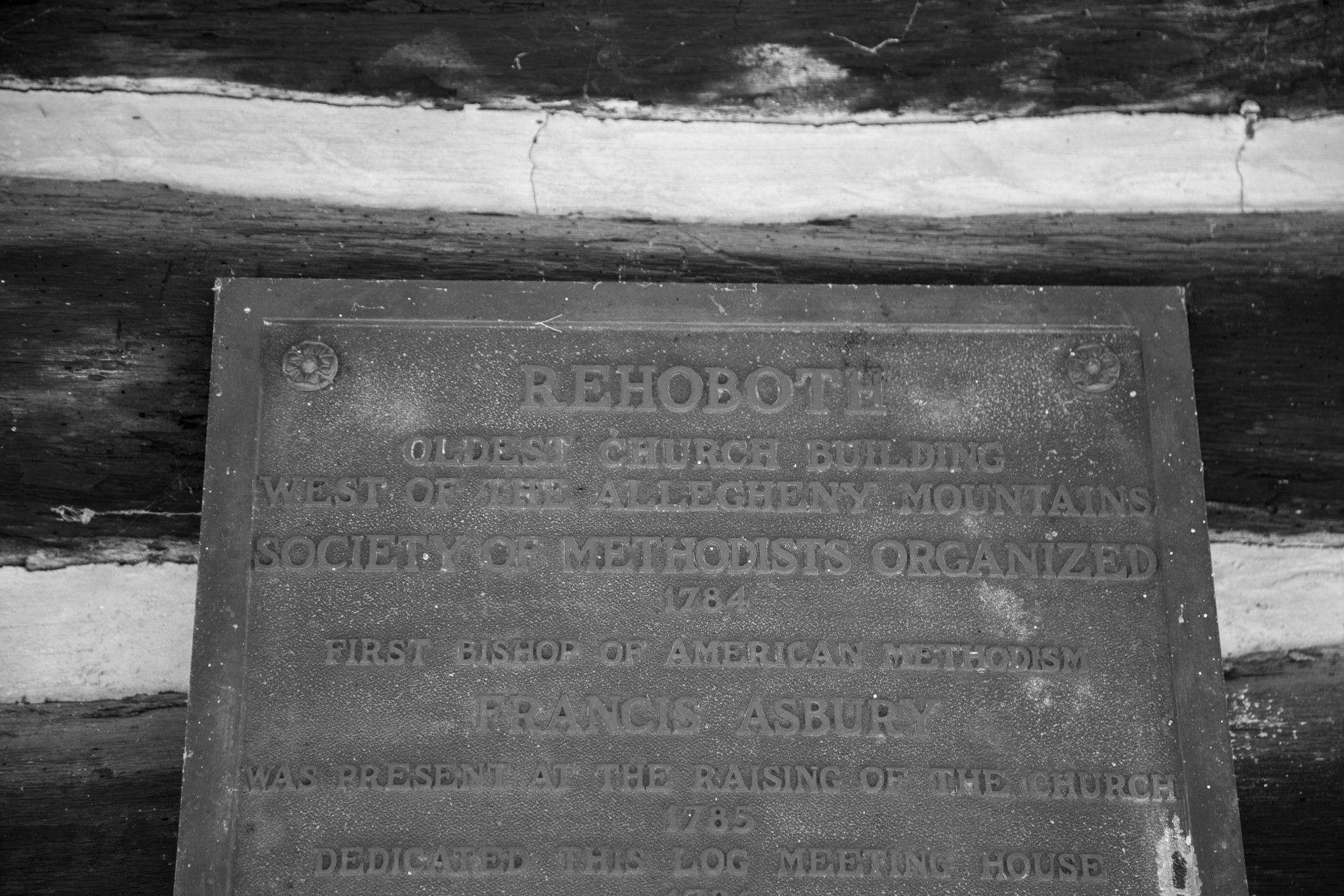
The old Rehoboth Church in Monroe County, West Virginia, had long escaped my notice until a few days ago when I found myself navigating the Rehoboth Church Road in the outskirts of downtown Union. My journey of discovery led me to the realization that I had stumbled upon a true historical treasure, the oldest standing church in West Virginia!
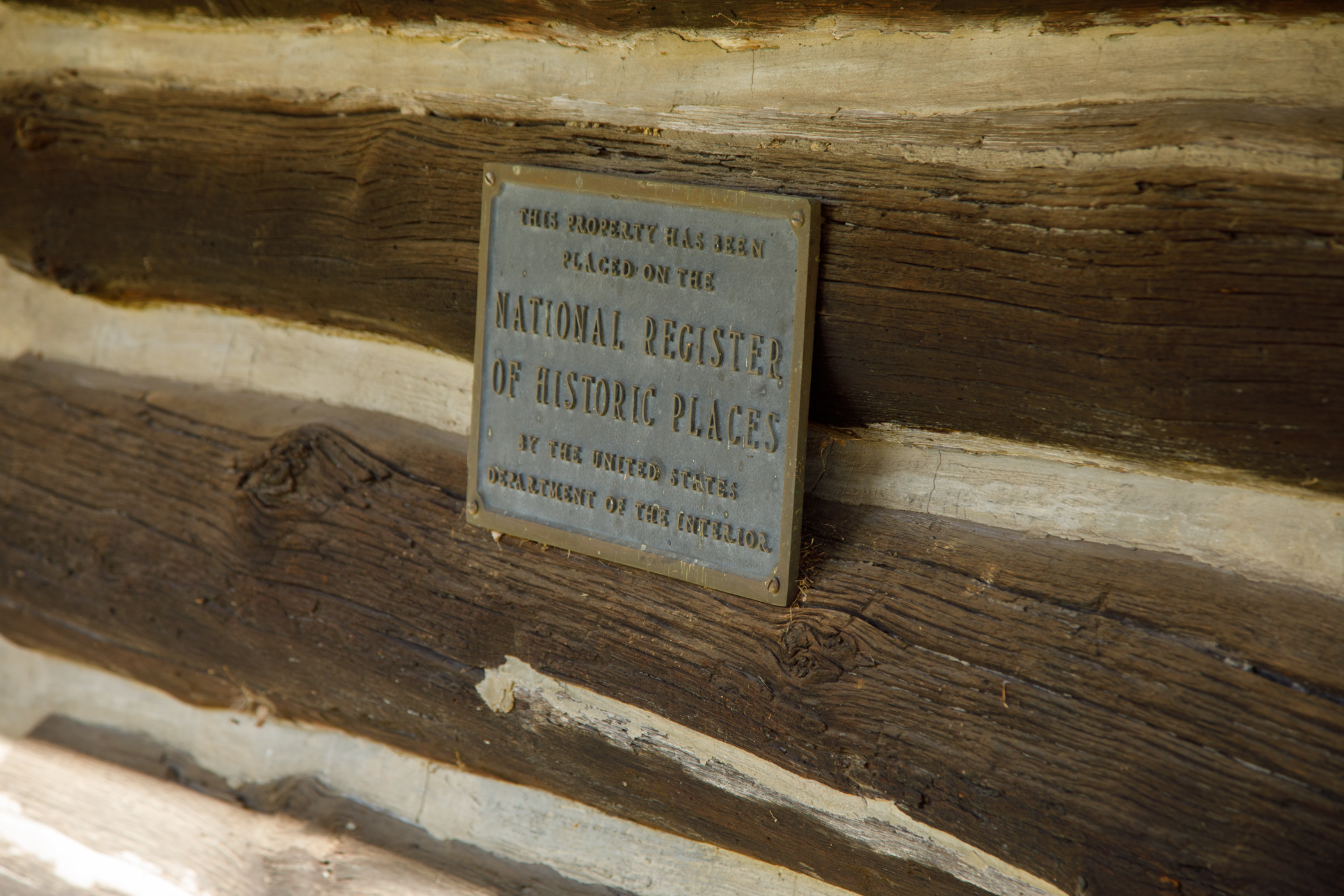
This hidden gem, proudly listed on the National Register of Historic Places, left me both intrigued and captivated.
After doing some research, an intriguing layer to the history of Rehoboth Church is the fact that the plot of land on which it stands was generously donated by Edward Keenan, a Roman Catholic with a heart sympathetic to the Methodists. Keenan’s remarkable gesture extended beyond the donation of land. He also penned a letter to Reverend Francis Asbury, urgently requesting a preacher for the budding Methodist Society. It was Edward Keenan’s work that made the construction of Rehoboth Church on his donated land possible.
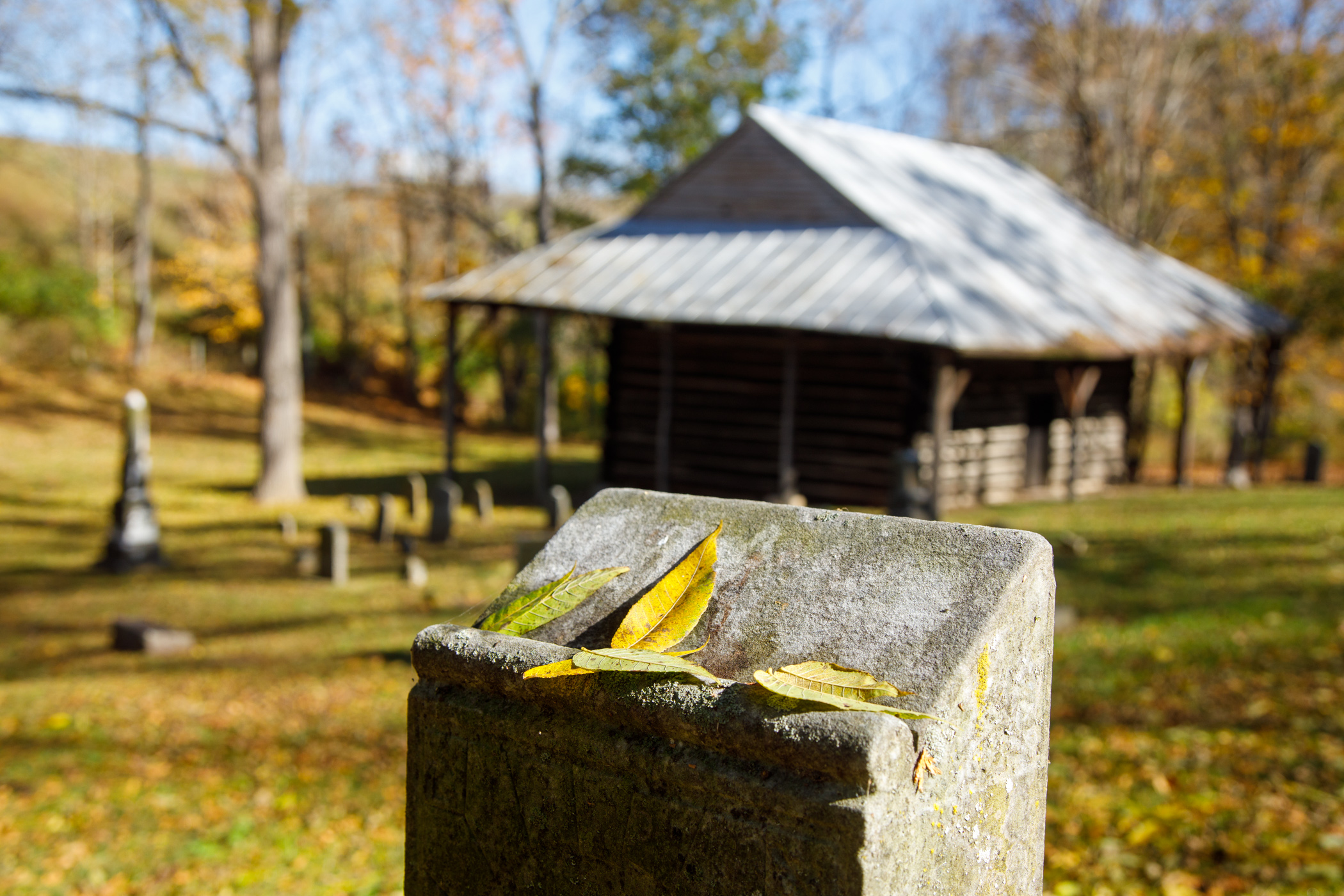
The history of this house of worship stretches back to its construction in 1786, and this hallowed ground bears witness to a story much more profound. Keenan’s decision to offer this land in a hidden valley location was strategic, providing a vantage point to spot potential threats emerging over the surrounding hills. It was a decision that would prove invaluable in the tumultuous times that lay ahead.
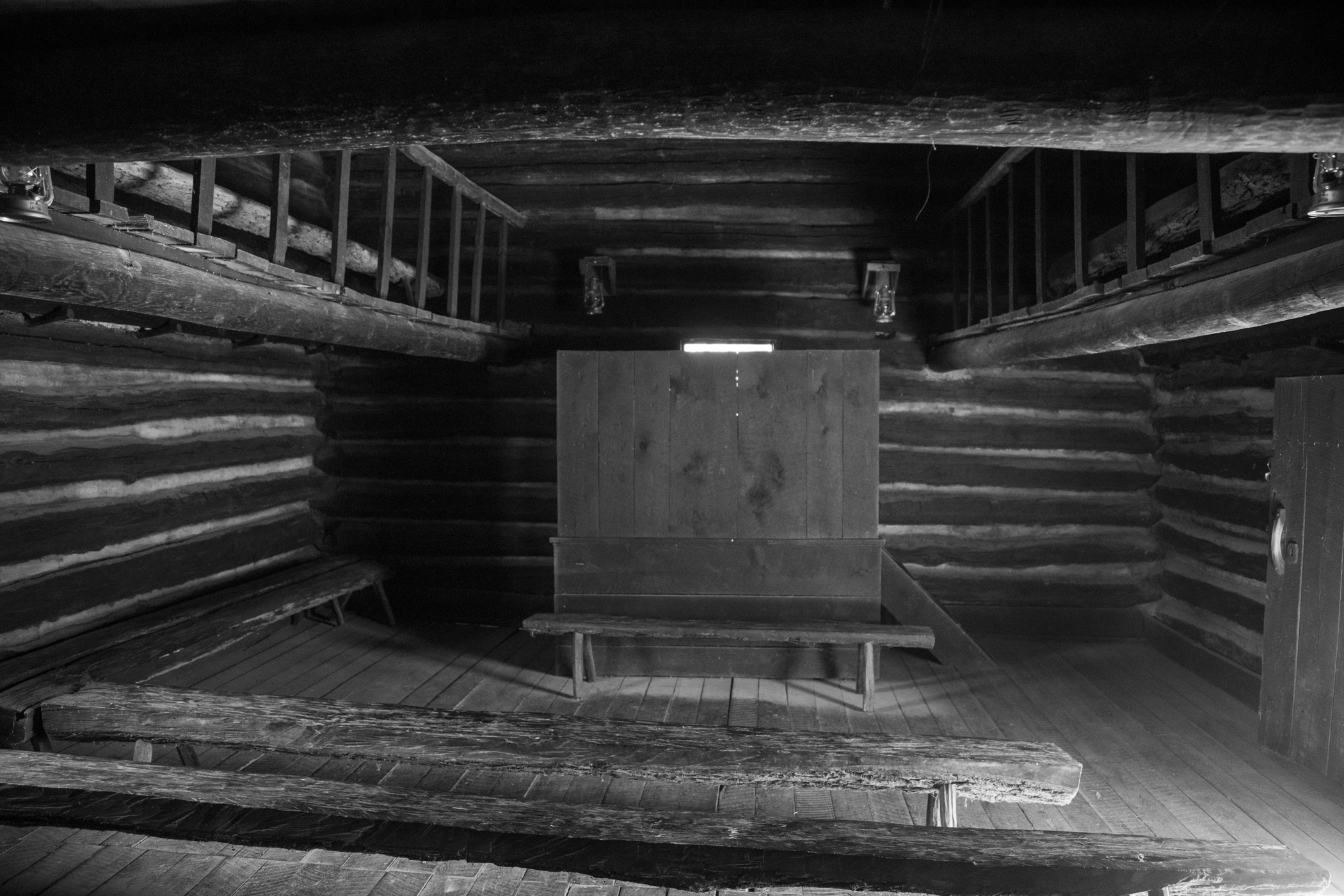
Upon my arrival at Rehoboth Church, I was warmly greeted by the dedicated caretaker of the church. She was not only eager to share the church’s rich history but also to provide me with a comprehensive tour. Her storytelling transported me back to a simpler yet more challenging era, a time with a constant threat of battle during West Virginia’s tumultuous history and what it would’ve been like to attend church here.
Throughout the years, Rehoboth Church witnessed the teachings of various preachers. Their sermons and guidance played a vital role in the lives of the early settlers in this region.
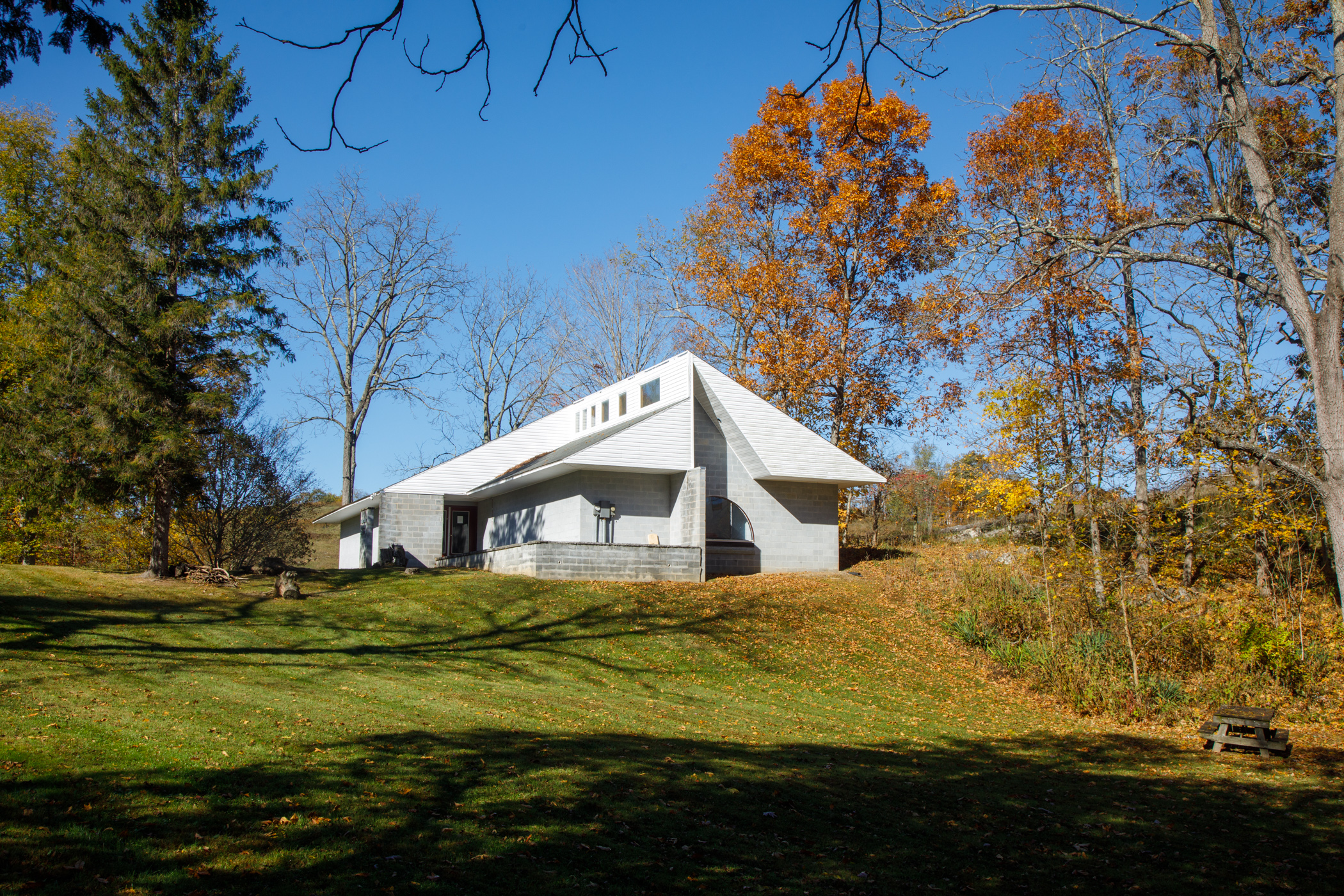
A remarkable aspect of the Rehoboth Church property is the museum, housing a rich collection of artifacts and documents that narrate the full story of this West Virginian gem. It’s through these pieces of history that we can truly grasp the significance of this place, both in West Virginia’s history and on a national level.
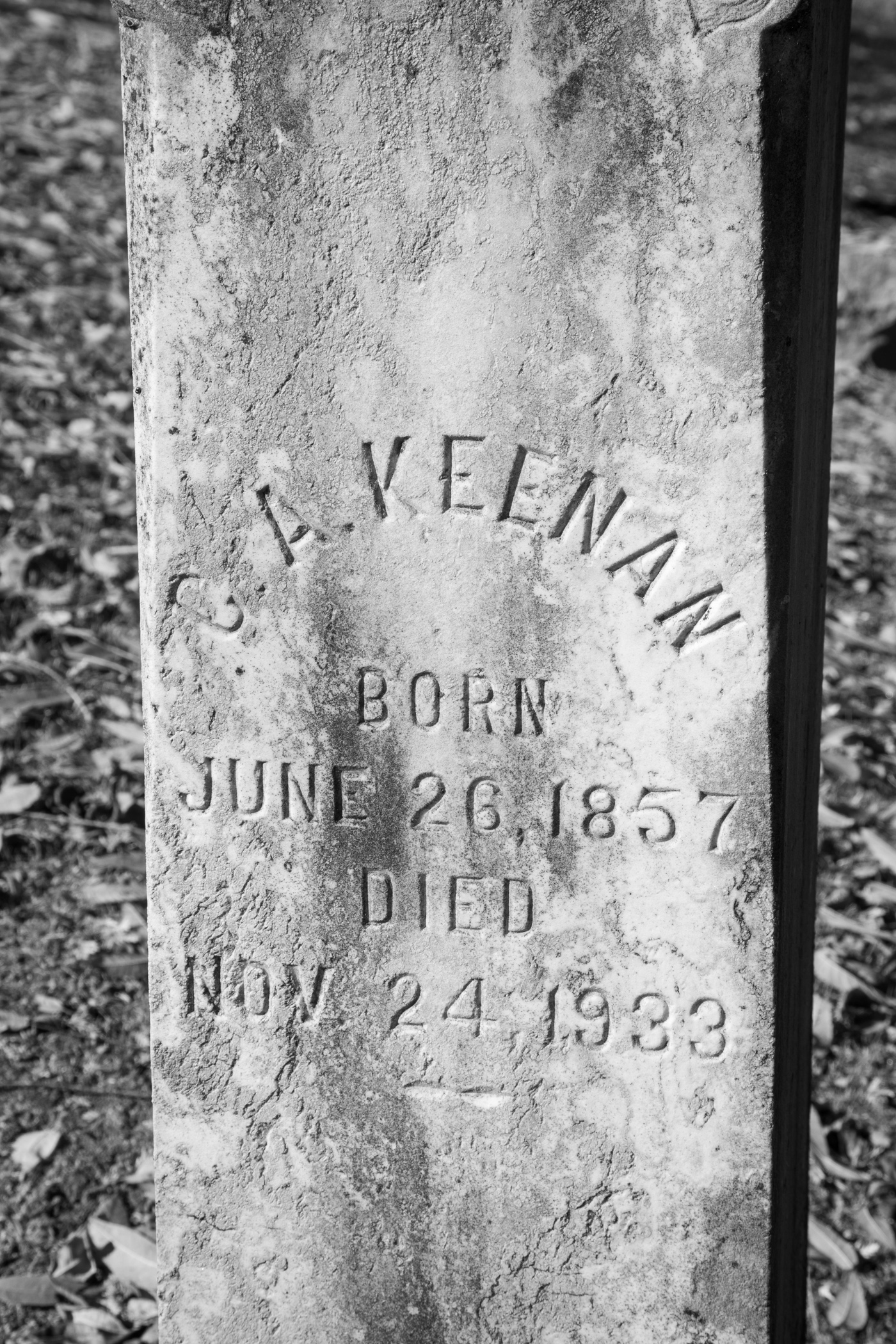
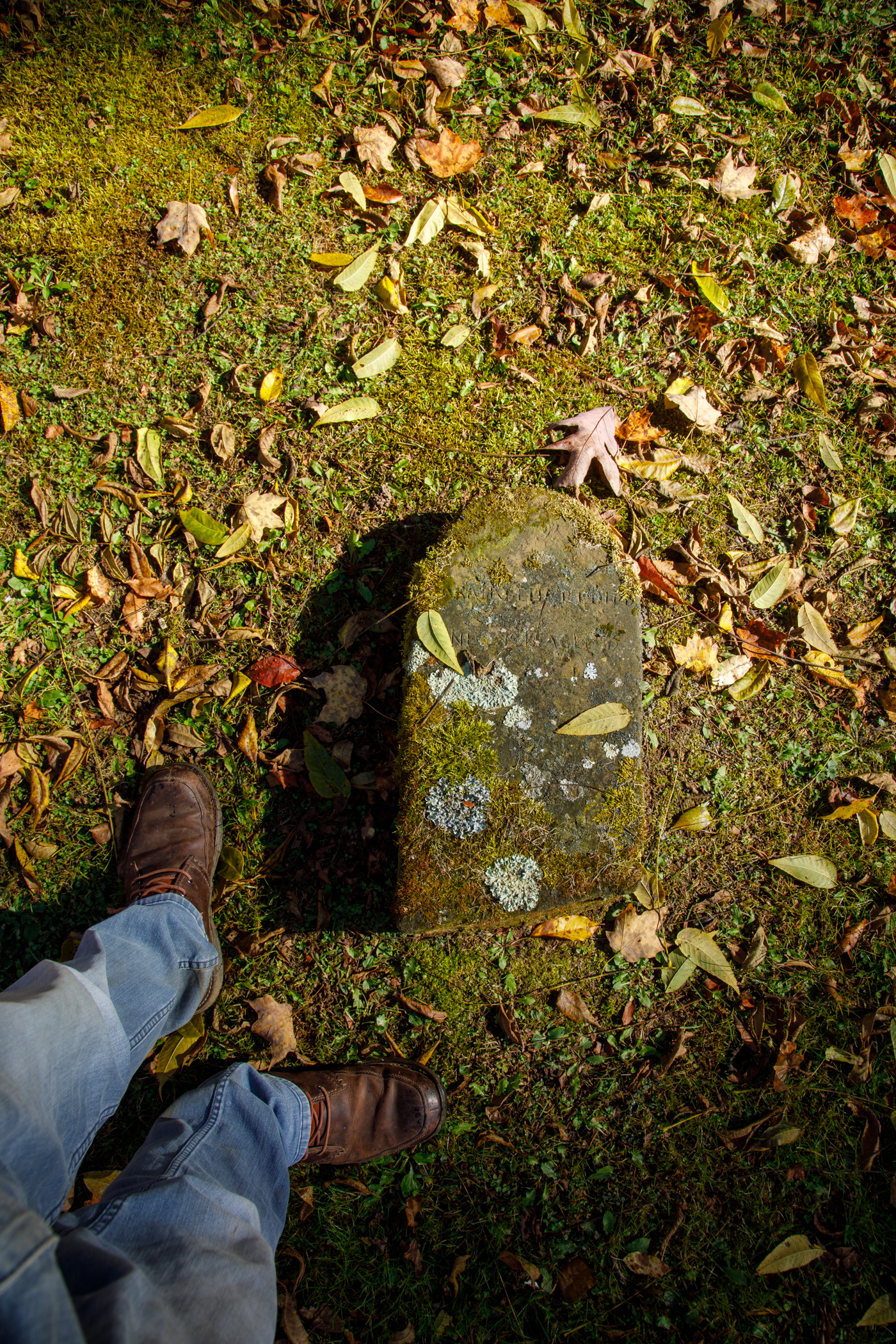
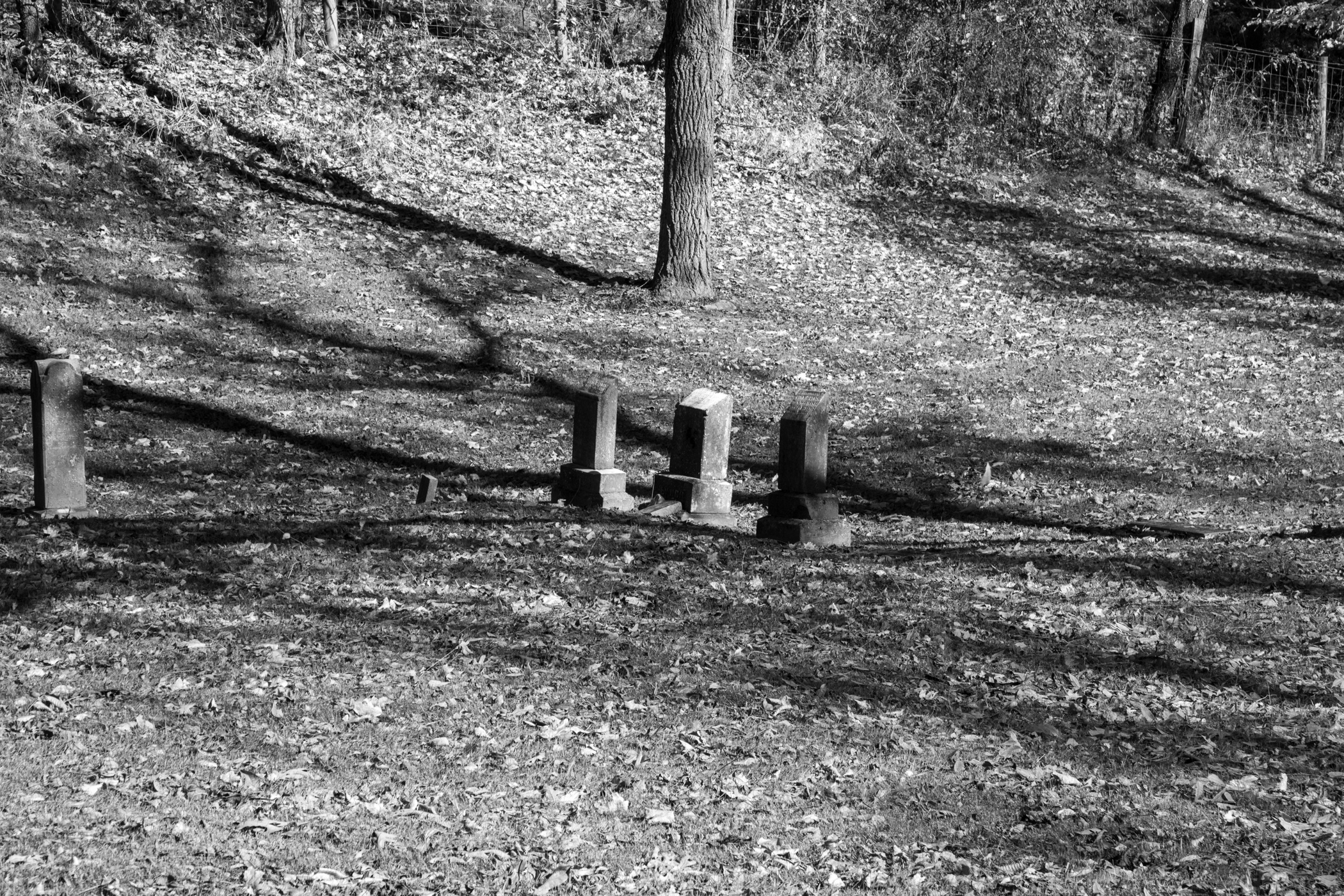
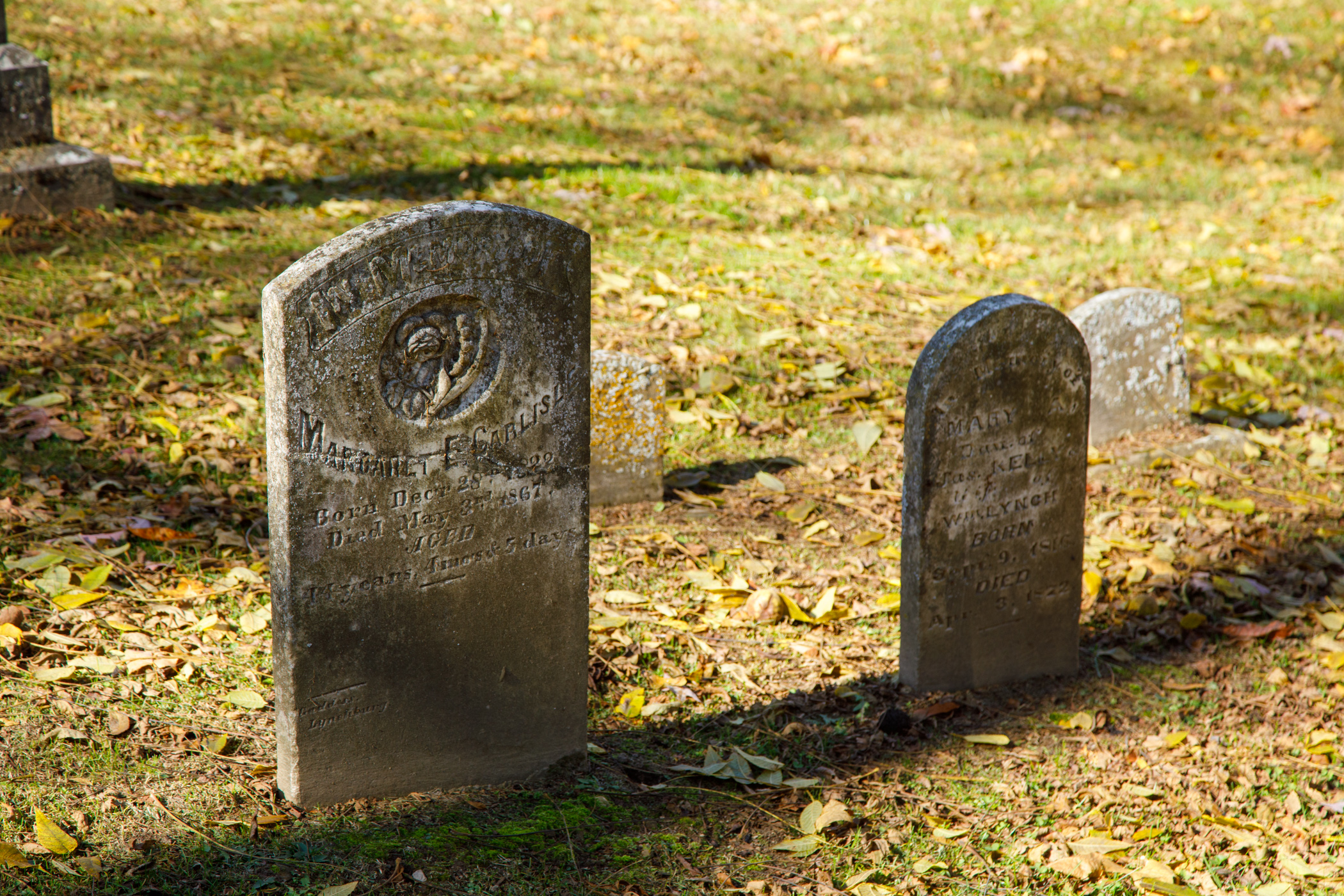
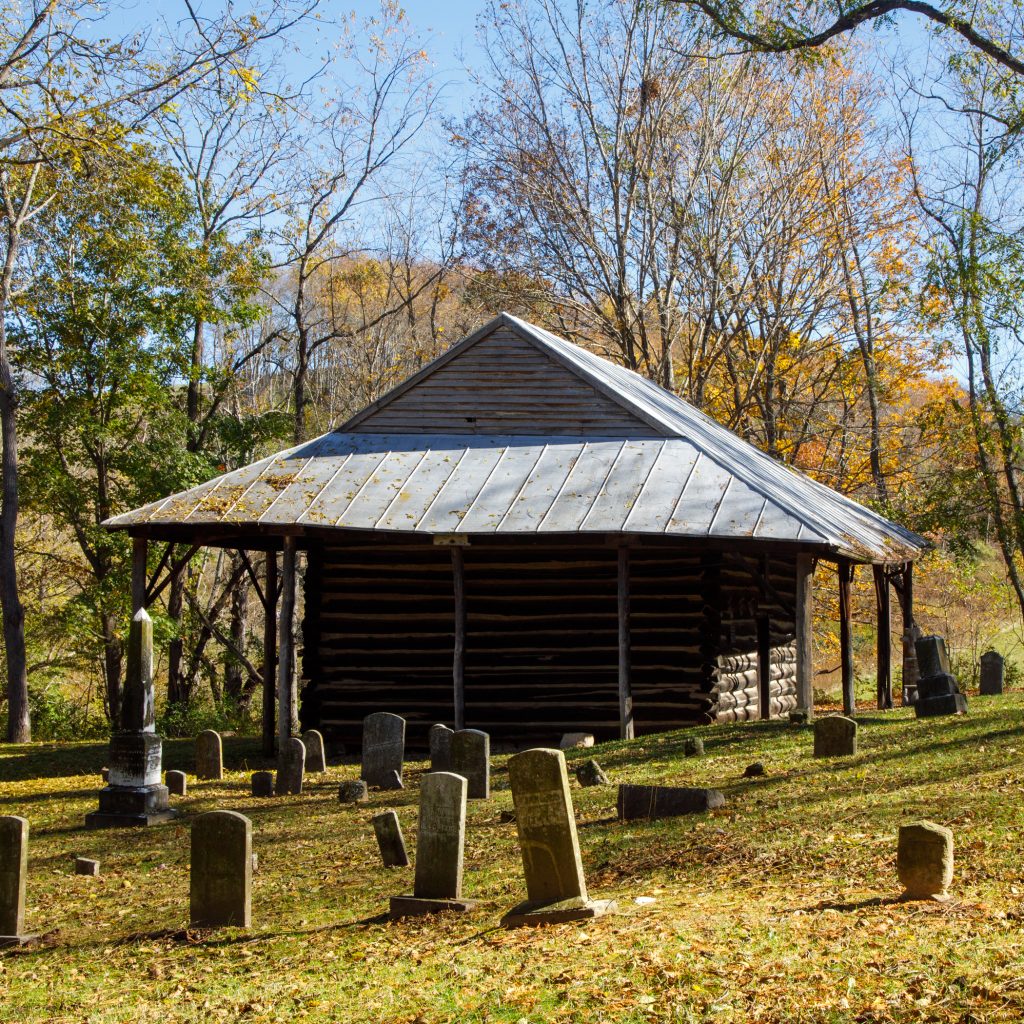
The church is not alone in its historical significance; the cemetery that surrounds it is a testament to the generations that have come and gone. Many of the original historical tombstones lay scattered around the church. Notably, Edward Keenan’s tombstone rests near the church, a lasting tribute to his generosity and vision.
In July 1788, the history of Rehoboth Church was further enriched when Francis Asbury ordained John Smith as a deacon within its walls. This ordination marked a significant milestone, as it was the first Methodist ordination west of the Alleghenies. Smith, the first circuit rider assigned to the territory, considered Rehoboth Church the heart of his circuit.
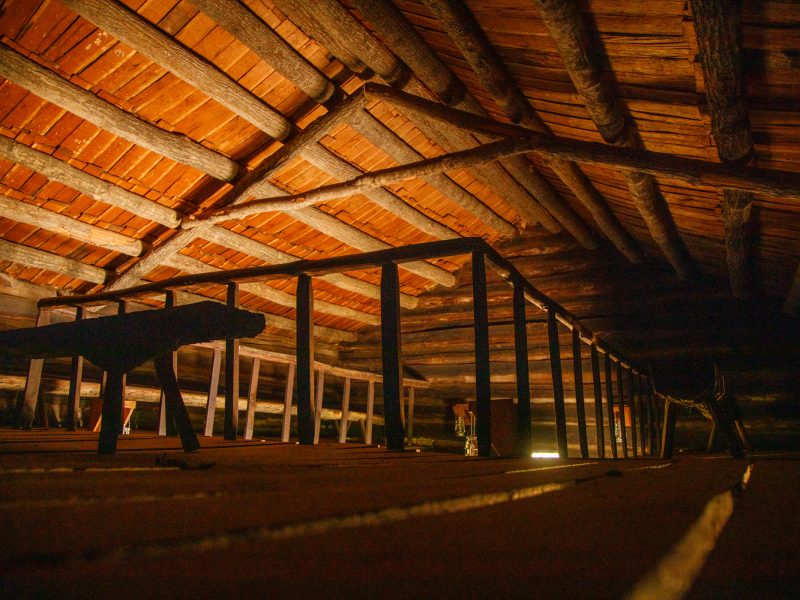
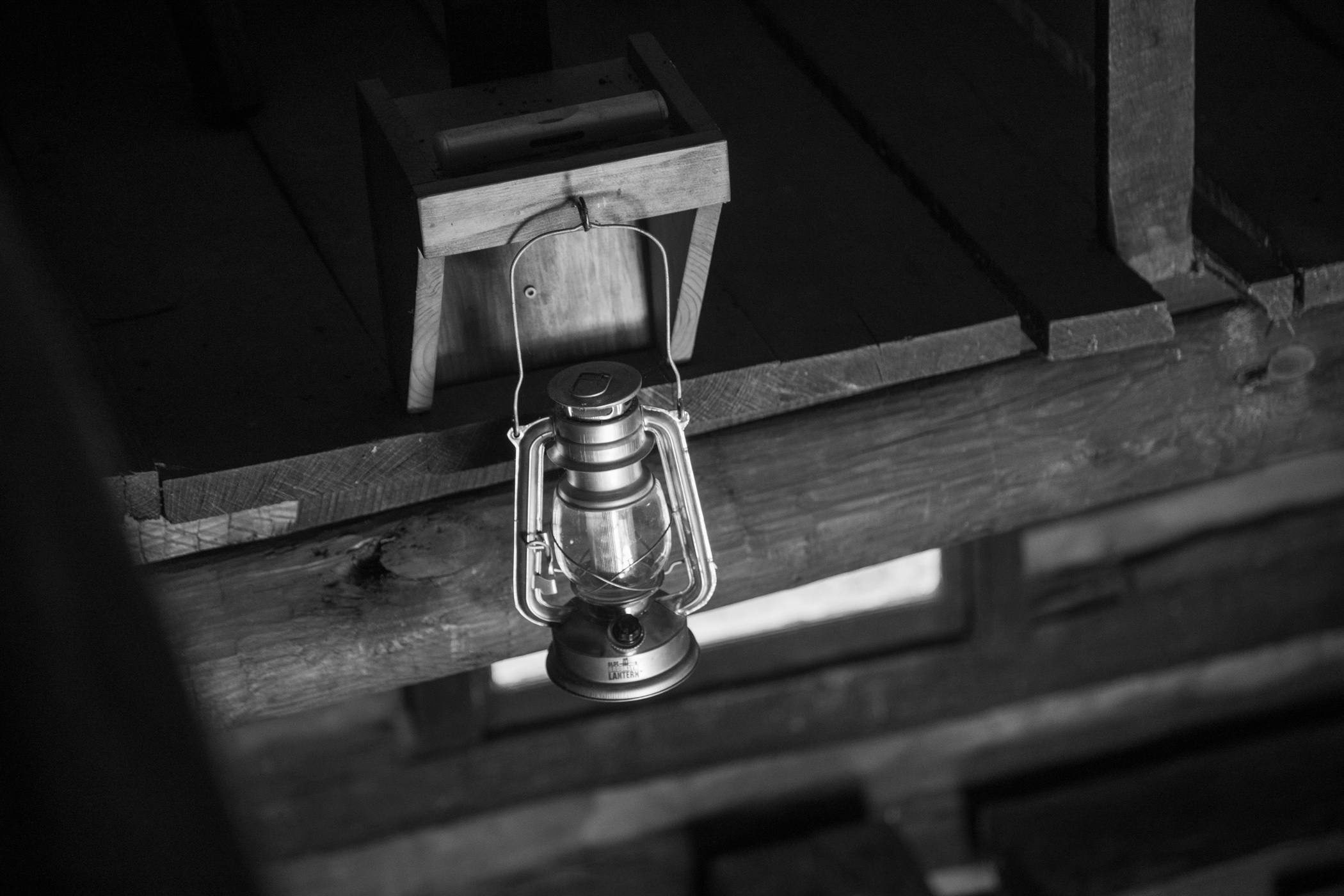
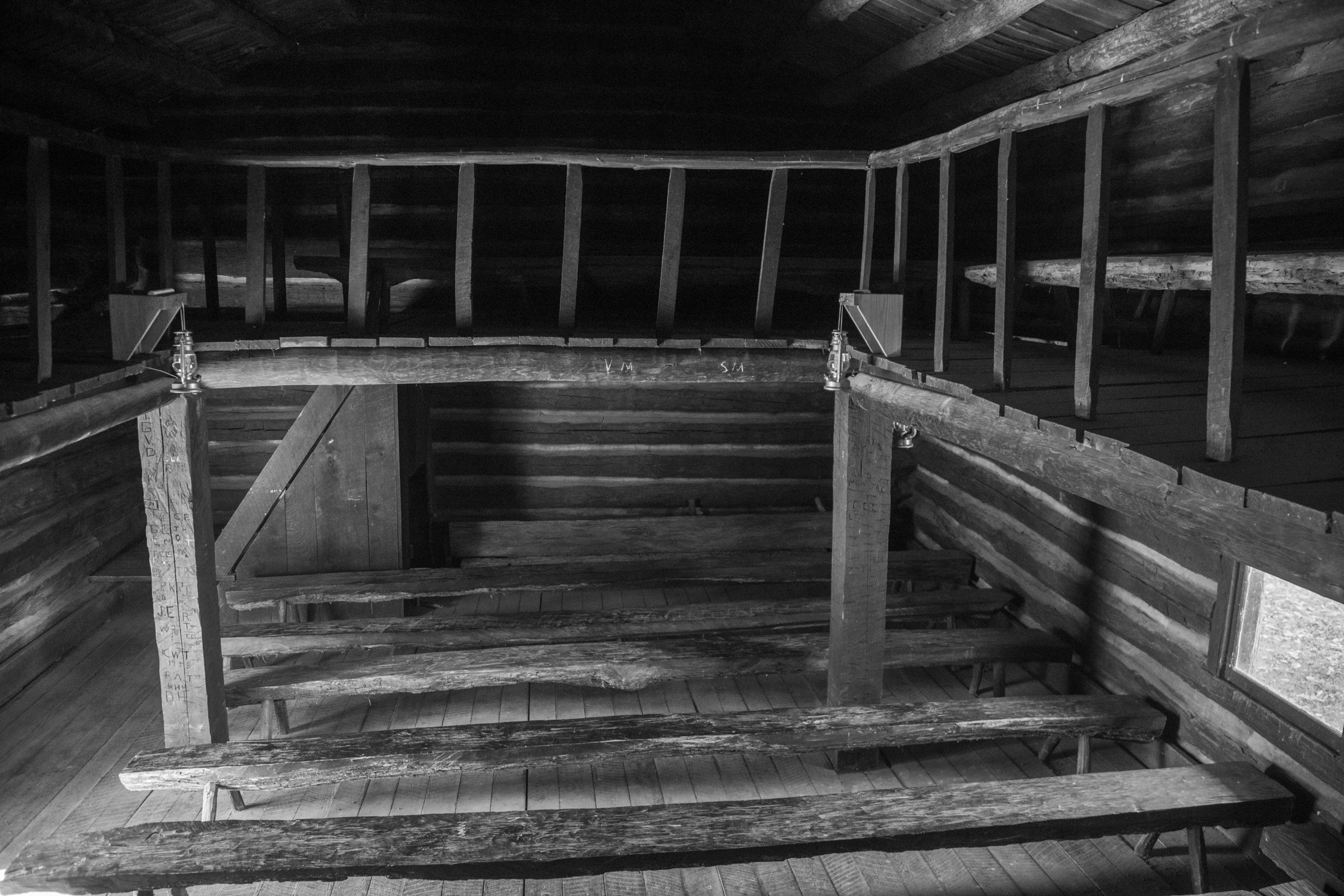
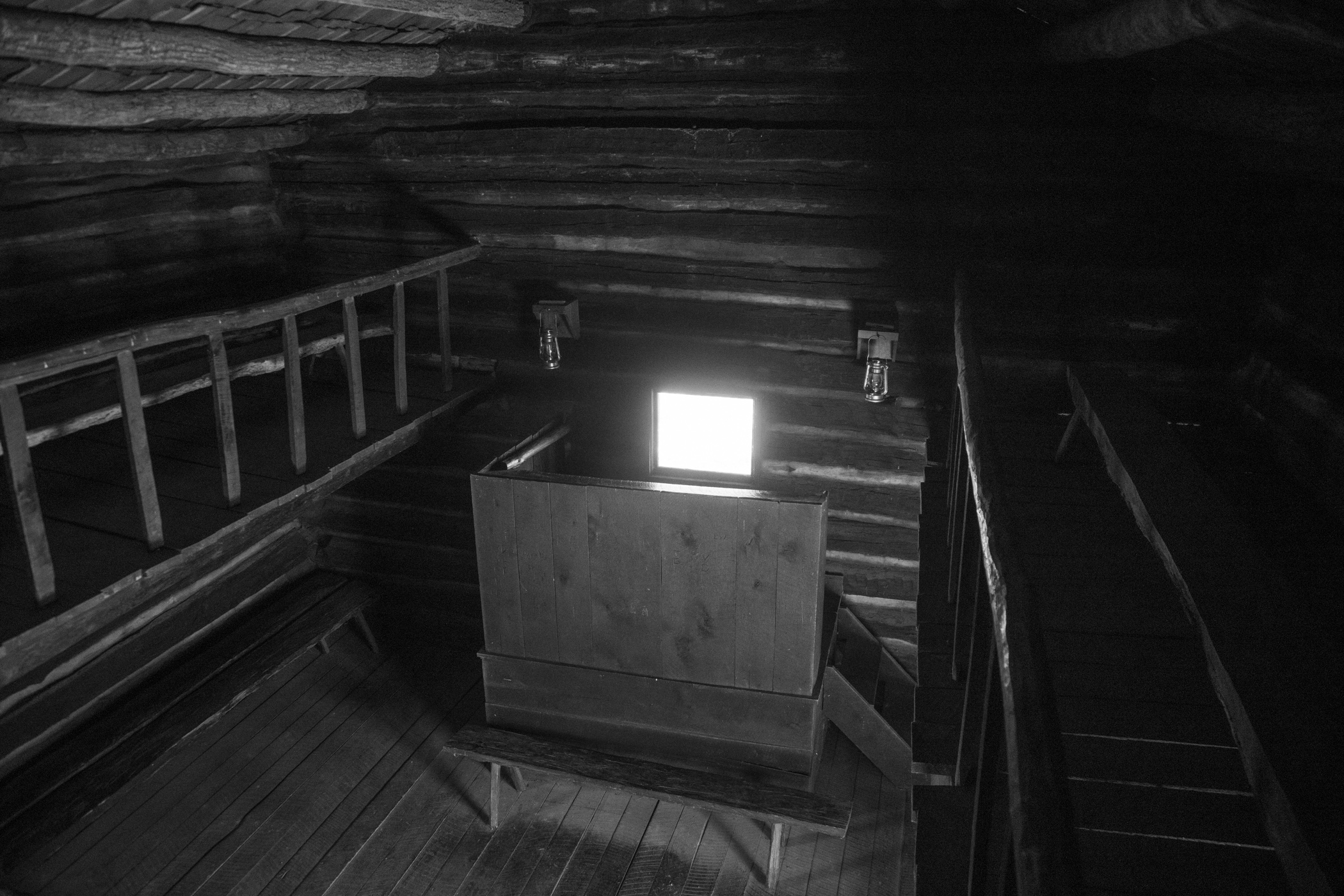
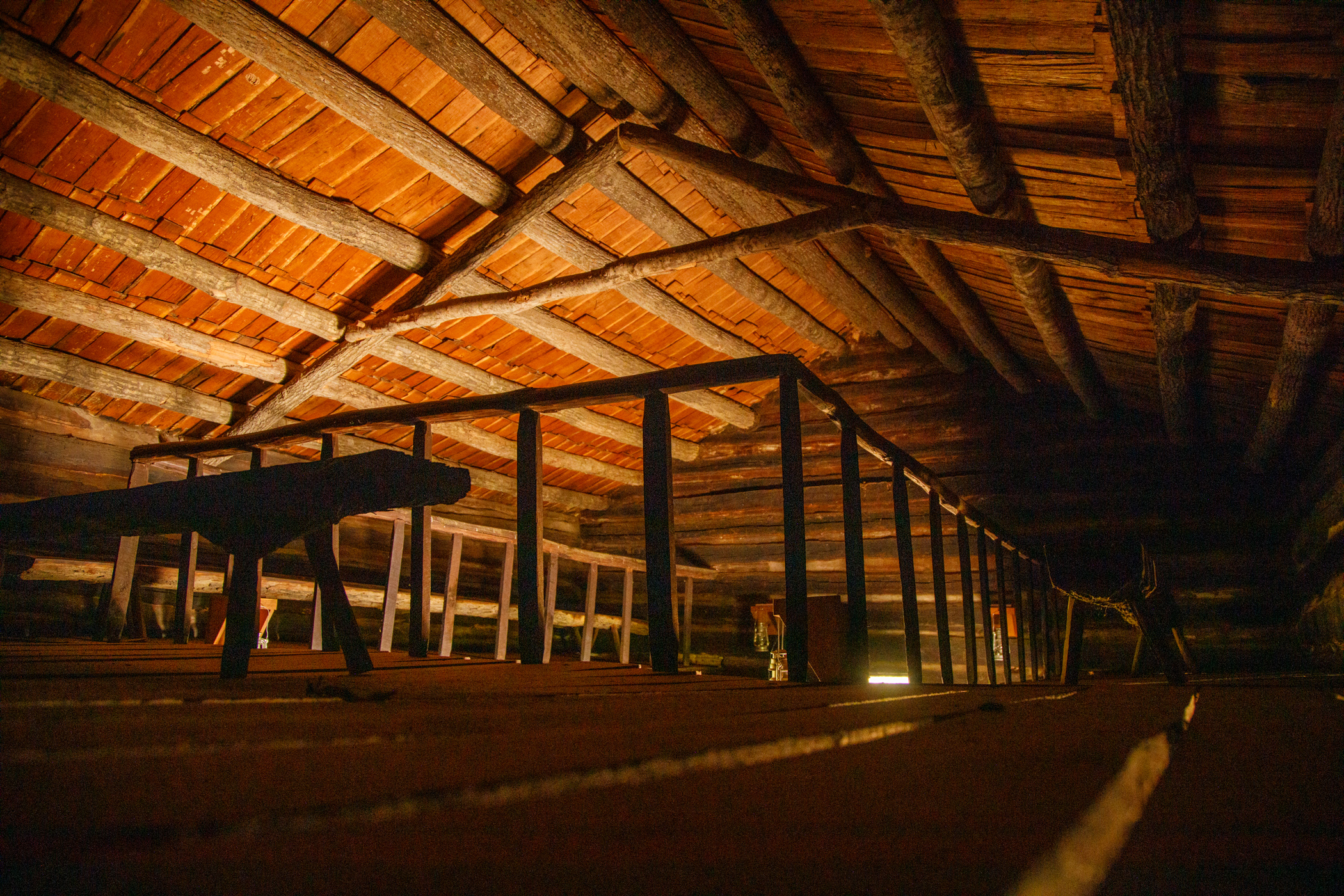
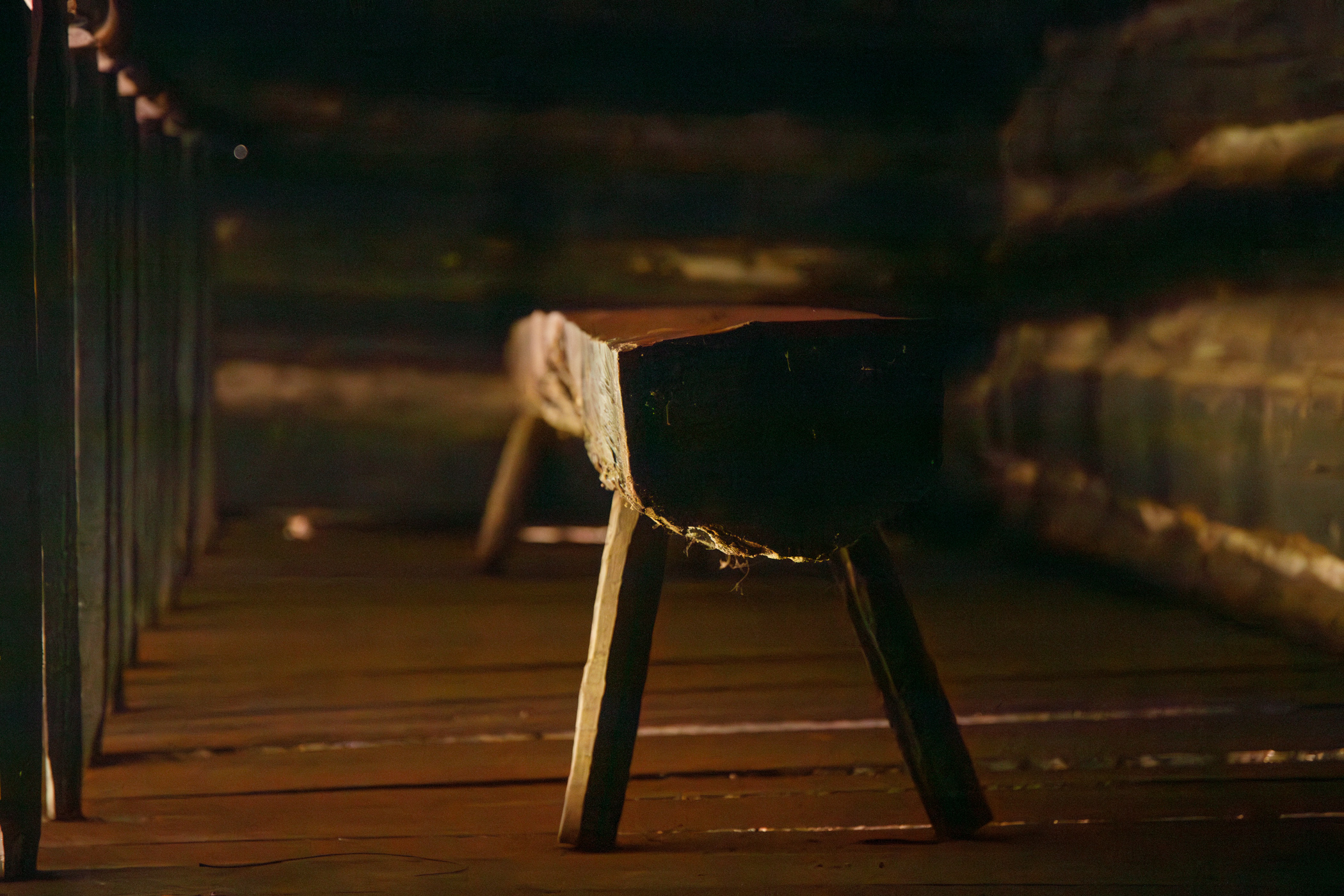
The structure of the church itself stands as a testament to the craftsmanship of its time. The woodwork, the architectural details, and the enduring quality of the building are a testament to the dedication of those who built it. It’s a place where history lives and breathes, and it’s imperative that we continue to preserve such cultural treasures and keep their stories alive.
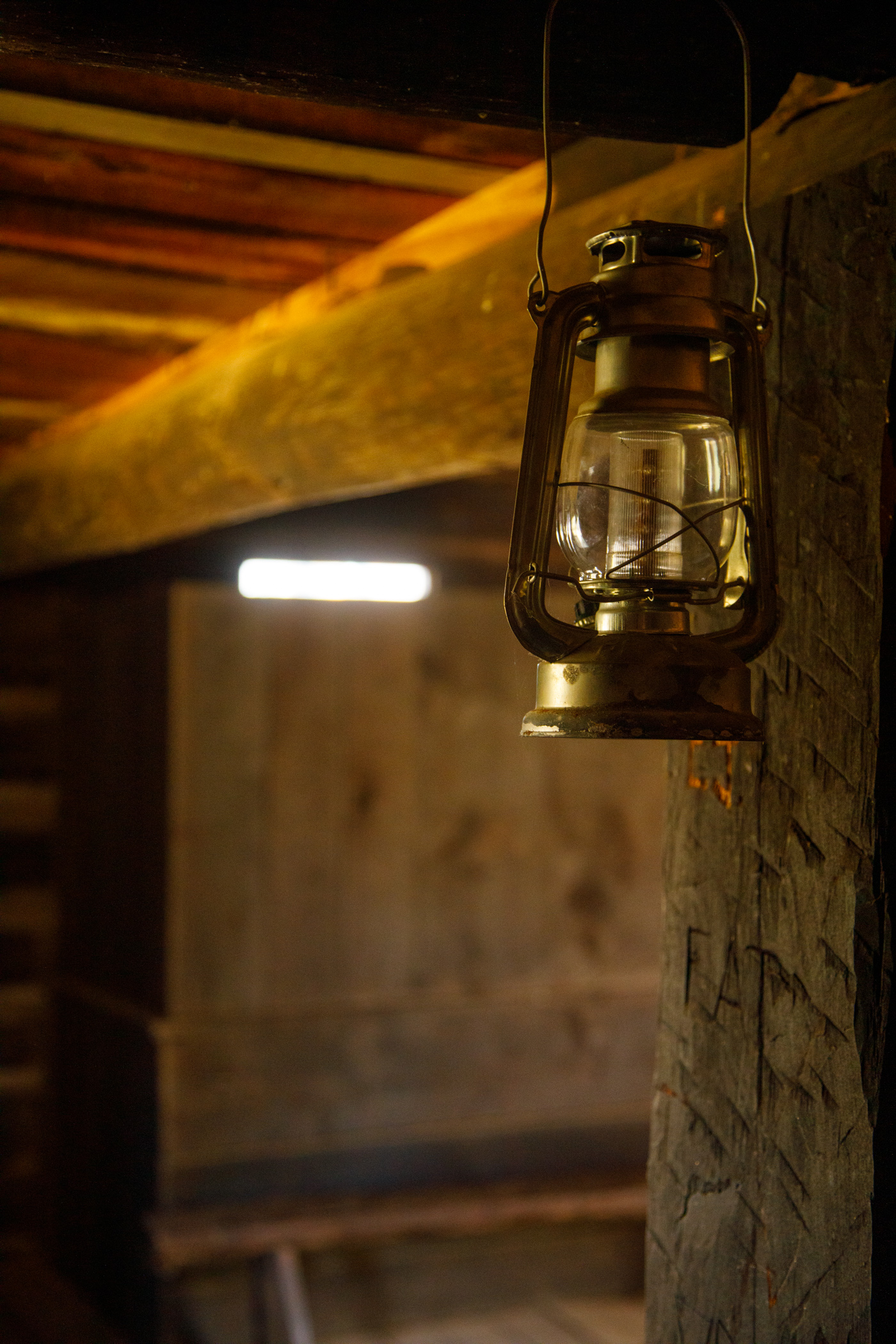
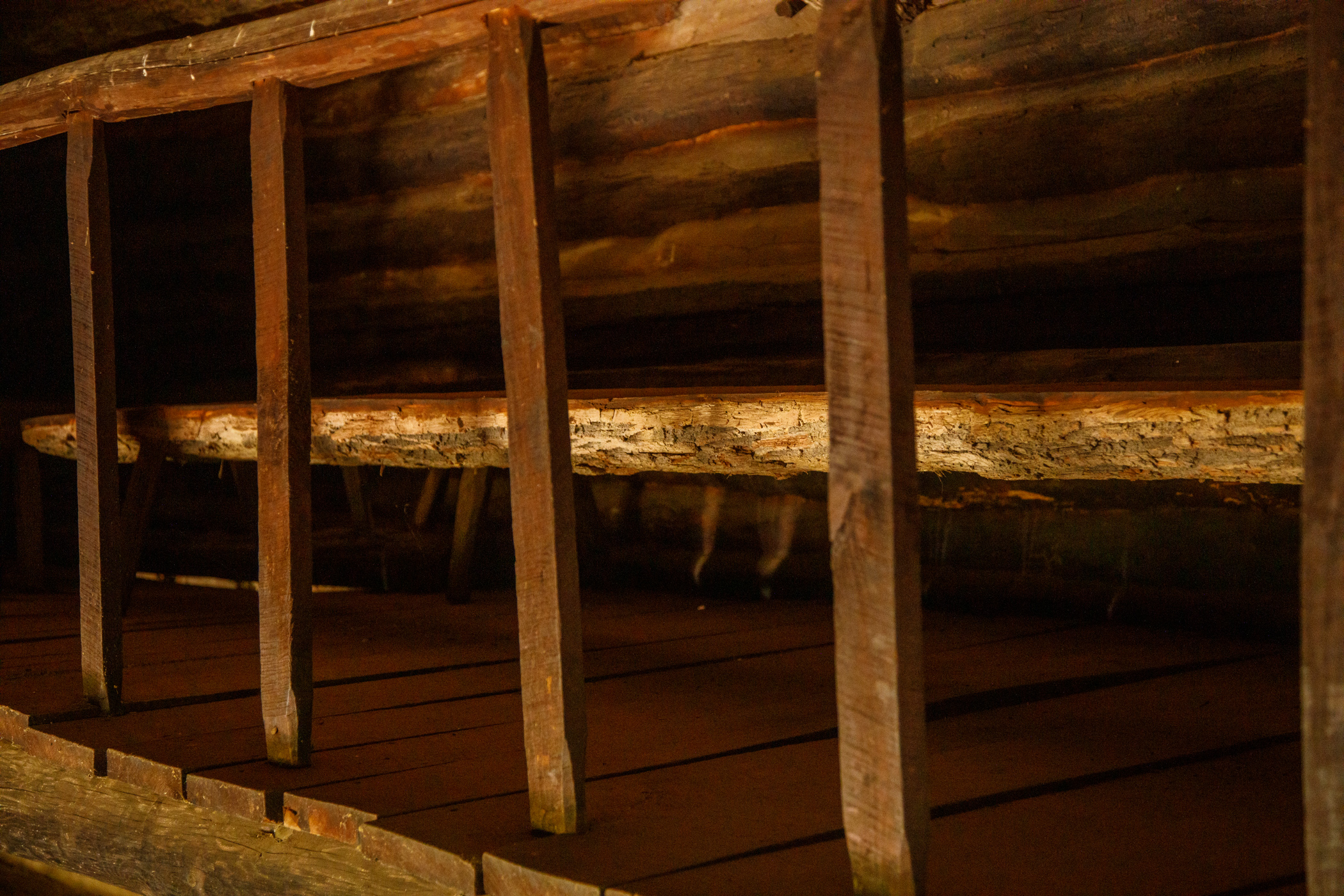
In the end, my visit to the Rehoboth Church left me with a profound appreciation for the rich history of West Virginia. It’s a history that’s best experienced through the artifacts, stories, and the architecture that still stands as a living witness to days long past. This place is a testament to the enduring spirit of West Virginians and all of those laid to rest here. A reminder of the selfless contributions of individuals like Edward Keenan and the pioneering spirit of early circuit riders like John Smith. It’s a story that deserves to be cherished and shared for generations to come.