Opioid treatment programs under scrutiny in West Virginia
By Stephen Baldwin & Jenny Harnish, RealWV
Cassie Hall lives in Nicholas County, West Virginia, near the border with Fayette County. Back in 2007, she experienced a bad car wreck. To treat her pain after the accident, her doctor prescribed opioid painkillers.
“I just kept getting refills,” she says. “I got addicted to them to help with the pain.”
Once her doctor stopped providing refills, she began to buy pills off the street. “I was to a point I was taking my kids with me to get pills off the street,” she remembers. “If I hadn’t found the methadone clinic my friend told me about, I would’ve lost my kids.”
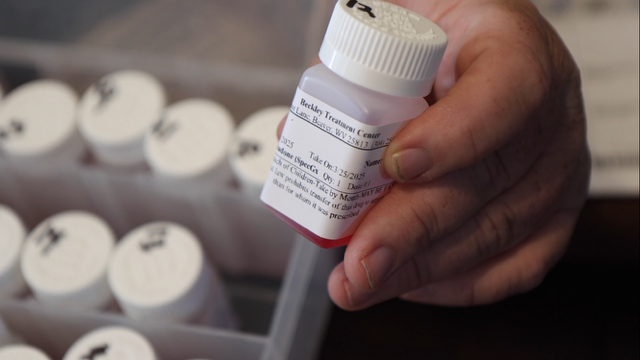
Cassie has been receiving methadone at West Virginia clinics for the past 15 years. She also participated in various “wraparound services” offered at the clinic including counseling, groups, and drug screens. The treatment has allowed her to stay sober.
Senate Bill 204
So when she heard about a proposal before the West Virginia Senate (SB 204) to ban methadone clinics like the one that helps her stay clean, she was worried.
“I got really concerned for a while they were gonna shut them all down,” she said in a phone interview on Wednesday. “How many people are on methadone? It’s thousands. They’d just be forced to go back to heroin or street drugs. The hospitals would be filled. If someone is pregnant, they could lose their baby. I don’t know what they were thinking. It’s insane.”
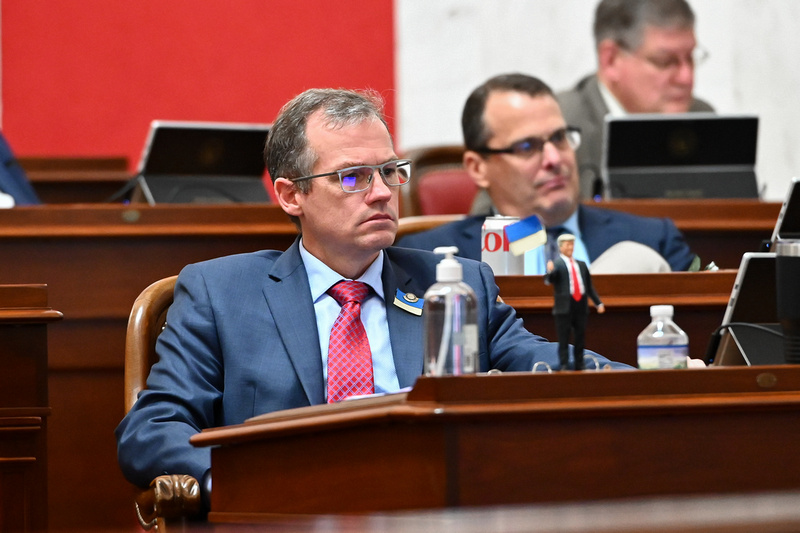
She’s referring to SB 204, introduced by Sen. Eric Tarr, R-Putnam. According to the bill’s text, “The purpose of this bill is to make opioid treatment programs unlawful and provide for penalties for violation of the article, permit an administrative timeframe for the transition of care, require the Office for Health Facilities Licensure and Certification to seek penalties, and providing for the ability to seek injunctive relief for violations of the article.”
Specifically, it defines an “opioid treatment program” as “typically methadone.” The treatment Cassie has received for 15 years.
The bill was placed on the agenda of the Senate’s Select Committee on Substance Use Disorder and Mental Health on March 5. Following an hour-long debate amongst senators, the committee adopted a substitute bill.
The committee substitute amended the bill to adopt an “integrated care” model. For example, Sen. Tarr wanted opioid treatment programs to provide wraparound services including behavioral health, primary care, peer services, case management, counseling, and psychiatry. Any programs which include these programs would be allowed to continue, and those which do not would be banned.
The committee passed the bill unanimously.
Helton supports wraparound services
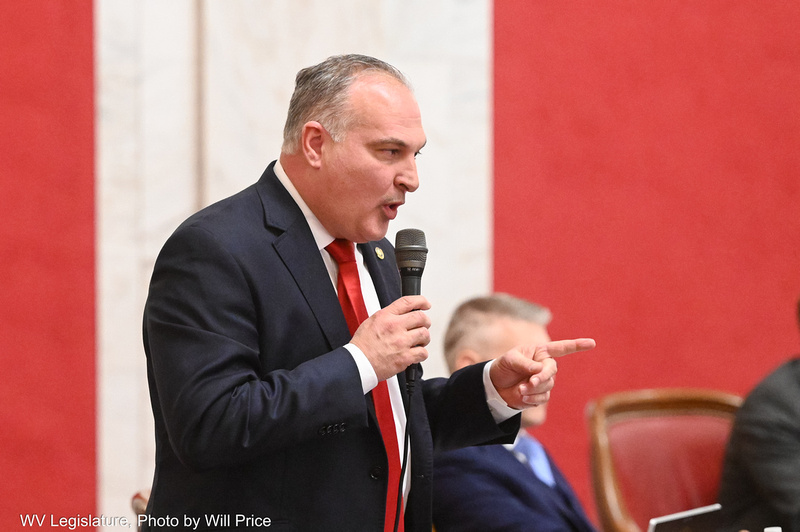
In a phone interview with Sen. Helton, the committee chairman told RealWV, “No one wants to get rid of services on my committee. The bottom line is we want to make sure West Virginians who are suffering through this have the best care possible including wraparound services.”
Helton is serving his first term as a senator and was tasked by Senate President Randy Smith with leading the new Select Committee on Substance Use Disorder and Mental Health.
“I visited over 70 different facility types,” Helton said. “I personally sat down and interviewed people who were in recovery. I’ve personally sat down with government agencies. This is a nonpartisan issue. We all are focused on the total recovery of persons.”
The Willis Family
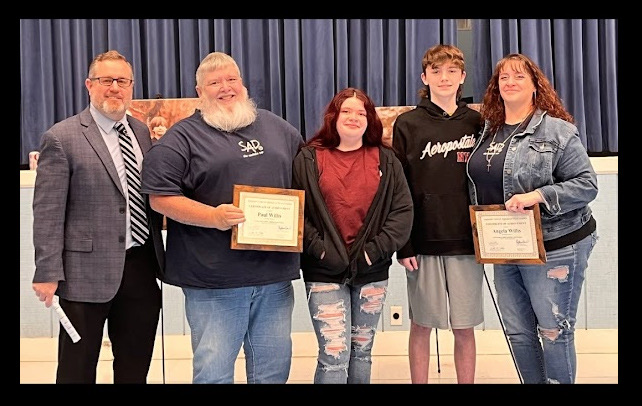
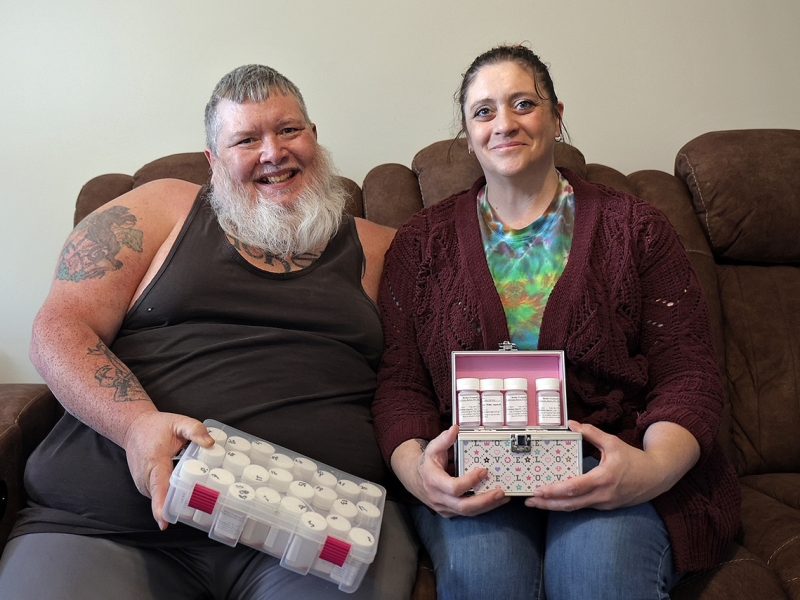
Like Cassie, Angela and Paul Willis credit methadone with saving their family. They spoke to Jenny Harnish for a video interview last week. Watch it in the embedded video above.
‘They already offer all those services’
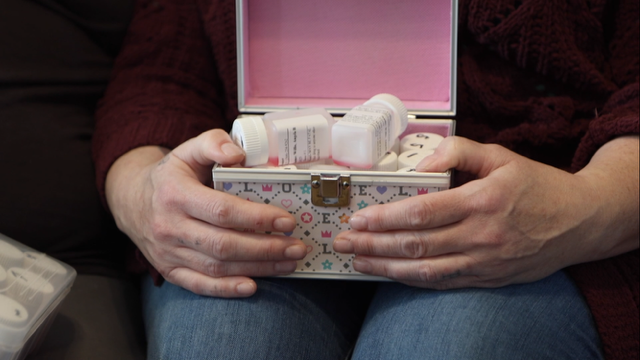
Cassie agrees that treatment options should have parameters. “Just offering somebody medicine would definitely be a problem.”
But she says the methadone clinic she visits regularly to stay clean already offering the integrated care model senators want to see.
“I just talked to my counselor about this yesterday,” she shared. “The clinics that I know about that offer methadone do offer wraparound services–counseling, drug screens, groups. They already offer all those services.”
She’s concerned the committee’s actions may be perpetuating stigma about substance use, when folks like her need a variety of options to find what works for them.
“These forms of medication-assisted treatment have helped people get their life back, their kids back, get a job, and stay clean,” she says. “I don’t know why we’re taking steps back when we’ve come so far forward.”
SB 204 was referred to the Senate Health Committee on March 7 and remains pending there. Stay tuned to RealWV for further updates.