WV Folklife Apprenticeship Program keeps traditions alive from one generation to the next
By Joe Severino, RealWV
The West Virginia Folklife Program is currently accepting applicants for its statewide Folklife Apprenticeship program.
The program is a project of the West Virginia Humanities Council that supports traditional artists working with dedicated apprentices on a yearlong apprenticeship in their cultural expression or art form. Past pairs have been storytellers, mushroom foragers, clawhammer banjo players, soul food chefs, and more.
The Folklife program provides financial support to West Virginians seeking to carry on many different cultural traditions, awarding $3,000 to the teaching artists and $800 to the apprentice. Pairs can also apply for an additional $400 to cover expenses like supplies, tools, and travel.
Applications are due by Aug. 26.
Jennie Williams, who has served as the State Folklorist since January 2022, is the program’s administrator. Williams said this apprentice program is vital for carrying on cultural knowledge from one generation to the next.
“When I say cultural knowledge, I’m talking about the kind of things that you learn from somebody that you can’t really necessarily learn in a classroom,” she said. “Really, one-on-one learning.”
The program is deeply relationship based, Williams said. It’s important for mentees to already have a close relationship with their mentor and know what specific goals they want to achieve in their year working together.
“It’s more than just practicing techniques or taking free lessons, but rather we are carrying on the stories and the context of these traditional practices and why they exist here,” Williams said.
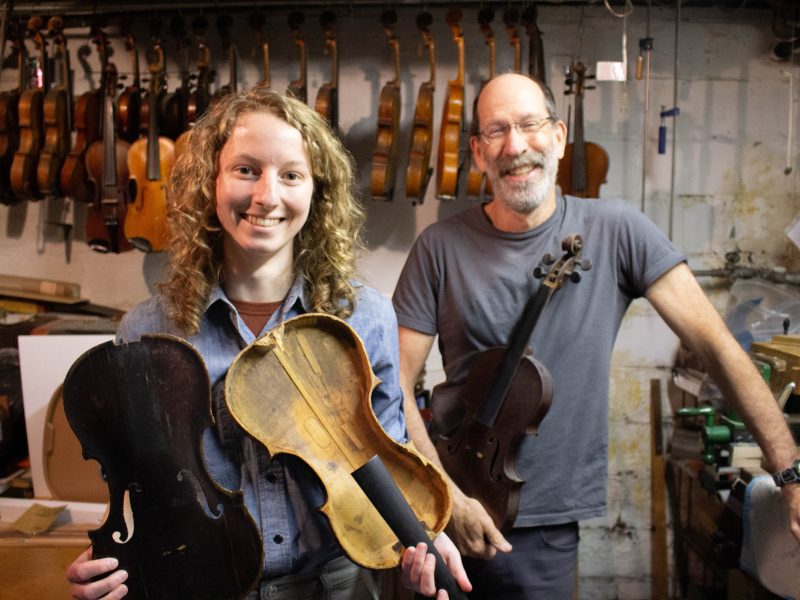
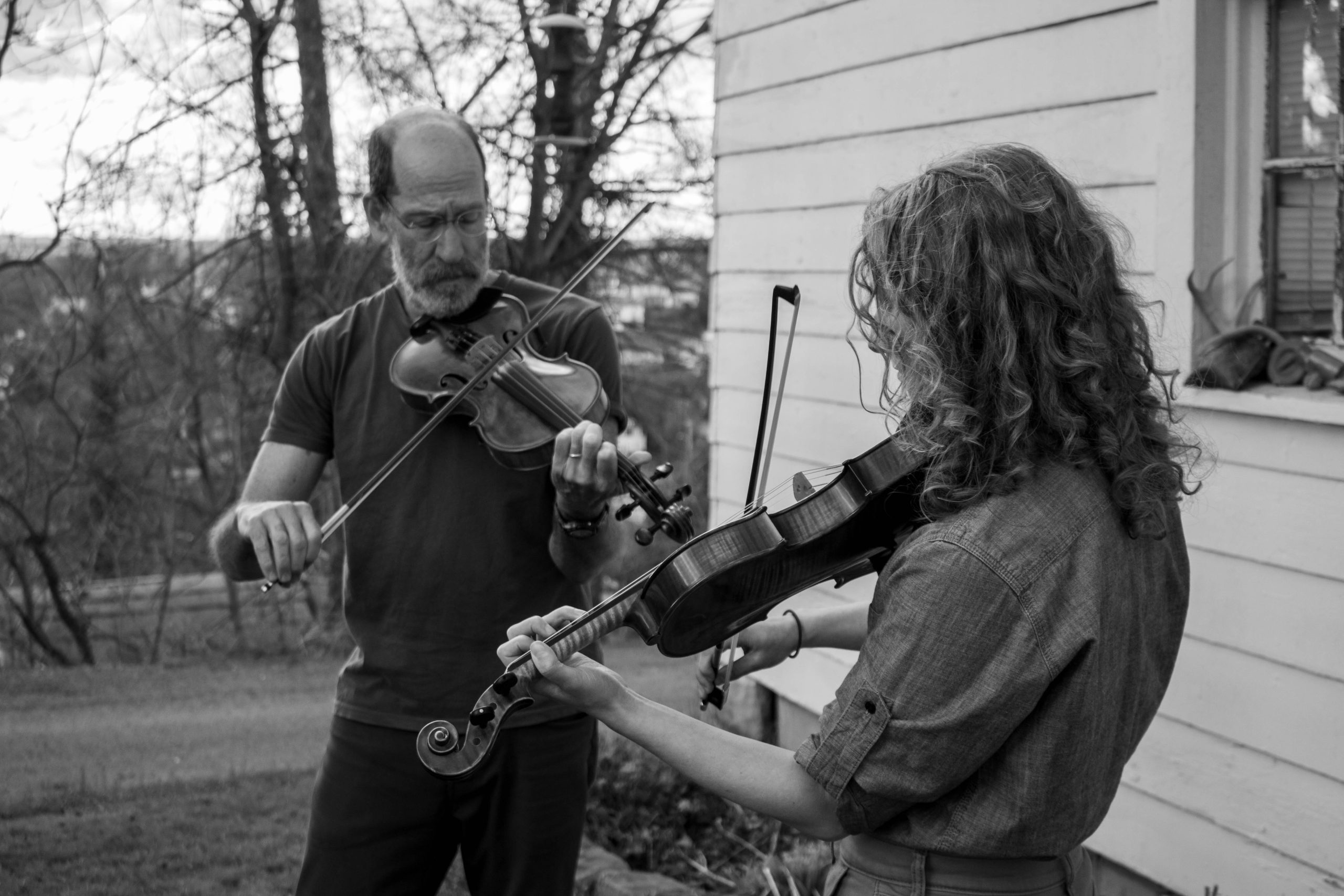
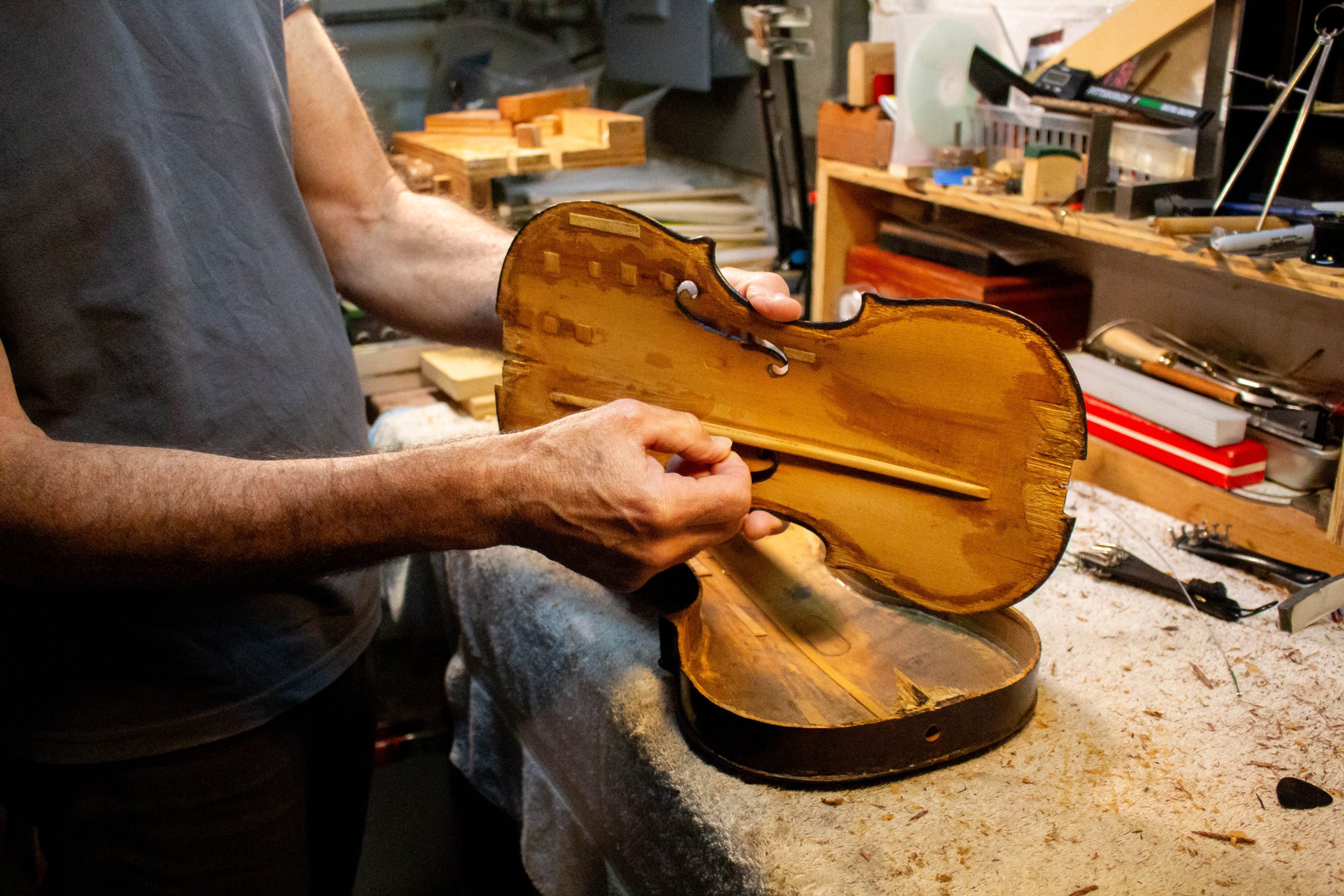
Mary Linscheid and Chris Haddox are participants from the 2022-2023 Folklife program who apprenticed in fiddle repair. Haddox is a longtime musician who said the program helps preserve long standing traditions in the Mountain State and Appalachia.
“It’s a really important program for the culture of West Virginia,” said Haddox, who is originally from Logan County. Now a professor at West Virginia University in Morgantown, Haddox researches folk music history and other cultural heritage in Southern West Virginia.
“When I was learning how to play fiddle I couldn’t find anybody,” he said of his early musician days. “I searched and searched and searched.”
He sought out mentorship through the West Virginia Folk Arts Apprenticeship Program, formerly supported by the Augusta Heritage Center in Elkins. There Haddox said he grew the skills he’s now passed down to Linscheid. He sees intrinsic value in younger and older people working together to preserve these cherished traditions.
“I was able to learn a lot and give it back,” he said.
Linscheid is from Morgantown and is a recent WVU graduate. From a family of classical musicians and trained in classical violin, Linscheid first met Haddox at a mountain music festival and formed a relationship around old-time and bluegrass fiddling.
“He kind of took me under his wing and taught me a lot about Appalachian old-time fiddling and certain styles within West Virginia,” Linscheid said.
The duo applied for the Folklife Apprenticeship Program once before but were not selected. Linscheid said they scaled back their more ambitious goals from their first go-around to focus just on fiddle repair when applying again.
Linscheid honed her craft in Haddox’s small basement workshop. She said these sessions not only taught her fiddle repair, but she learned of Haddox’s life experiences that shaped the artist and person he is today.
Older folks may quip about young people losing or not caring for their heritage or history, but Linscheid said that’s just not the case.
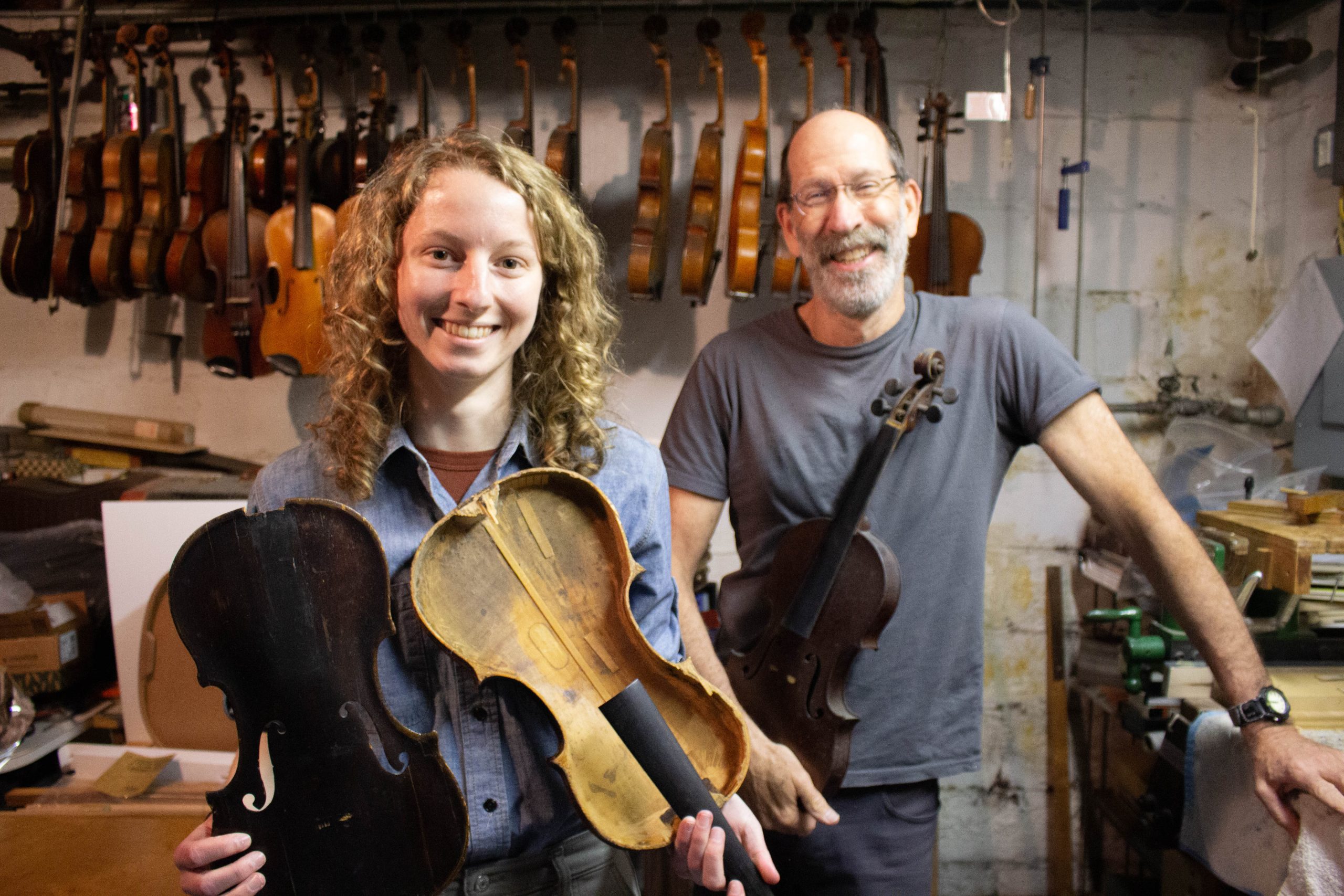
“I know so many young people who are super interested in learning these older traditions and making them their own for this generation,” she said.
Linscheid also said she values the Folklife program for its inclusion of modern art forms and creative variations of traditional art. Williams said she hopes to explore the culture of more recent immigrant communities as well as indigenous communities in West Virginia. She encouraged people from these backgrounds to consider applying for the program.
Each apprenticeship pair is encouraged to give back to their communities through presentations, performances, exhibits and events.
The progress each pair makes over the yearlong partnership is one of the great joys of Williams’ job, she said.
“Over the course of the year you get to see them make these achievements, and you can kind of see their eyes glow. Everything about them is excited to pass it on,” she said.
For more information on the program and to view previous apprenticeship pairs, visit West Virginia Folklife’s website.
Related Articles
From West Virginia to Chicago: Black By God joins national conversation on independent media
I went to Chicago representing a newsroom rooted in West Virginia, but the conversations happening there were much bigger than any one state
THIS WEEK IN WV HISTORY: Oct. 4–10
The following events happened on these dates in West Virginia history.