
Real West Virginian of the Week: Michael ‘Goose’ Sizemore — Turning Appalachian Craft Into a Life of Art
Long before Michael “Goose” Sizemore was creating massive metal sculptures for corporate clients, his education as an artist was already underway in the mountains of West Virginia.
By Hannah Yost, RealWV
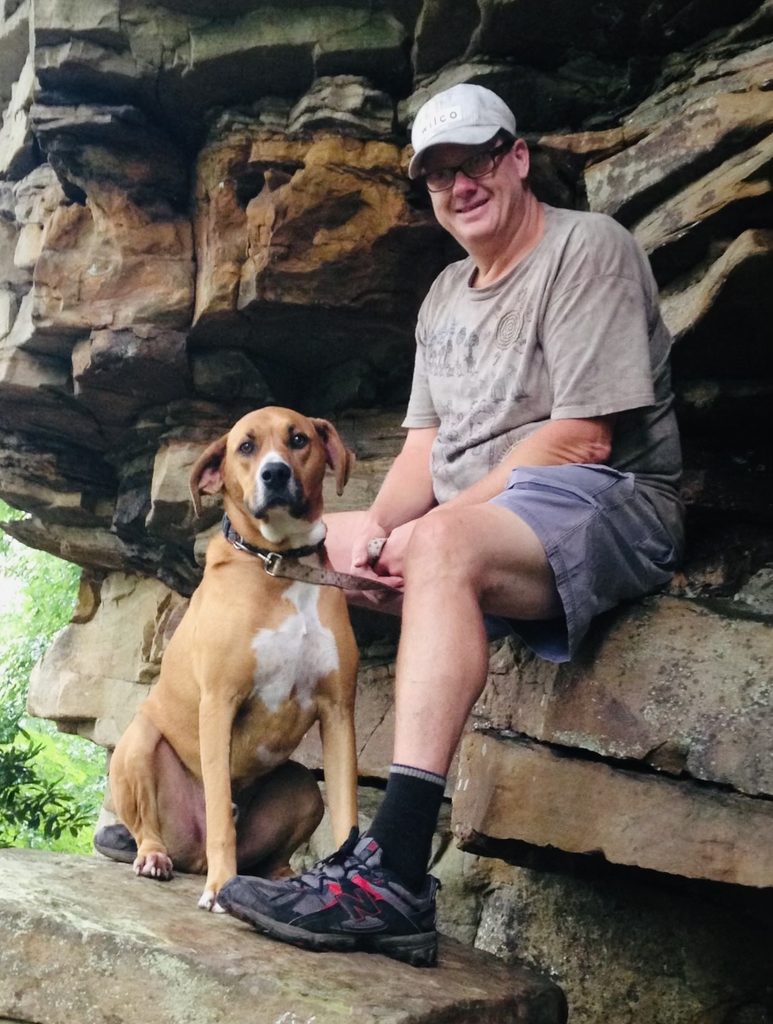
ATHENS, W.Va. — Long before Michael “Goose” Sizemore was creating massive metal sculptures for corporate clients, his education as an artist was already underway in the mountains of West Virginia.
His father was an engineer. His mother was an Appalachian craftsperson. From one came mathematics and critical thinking; from the other came creativity and a willingness to make things by hand.
“I had the mathematical side and the critical thinking side from both of them,” Sizemore said. “And then I had the artistic side through my mom.”
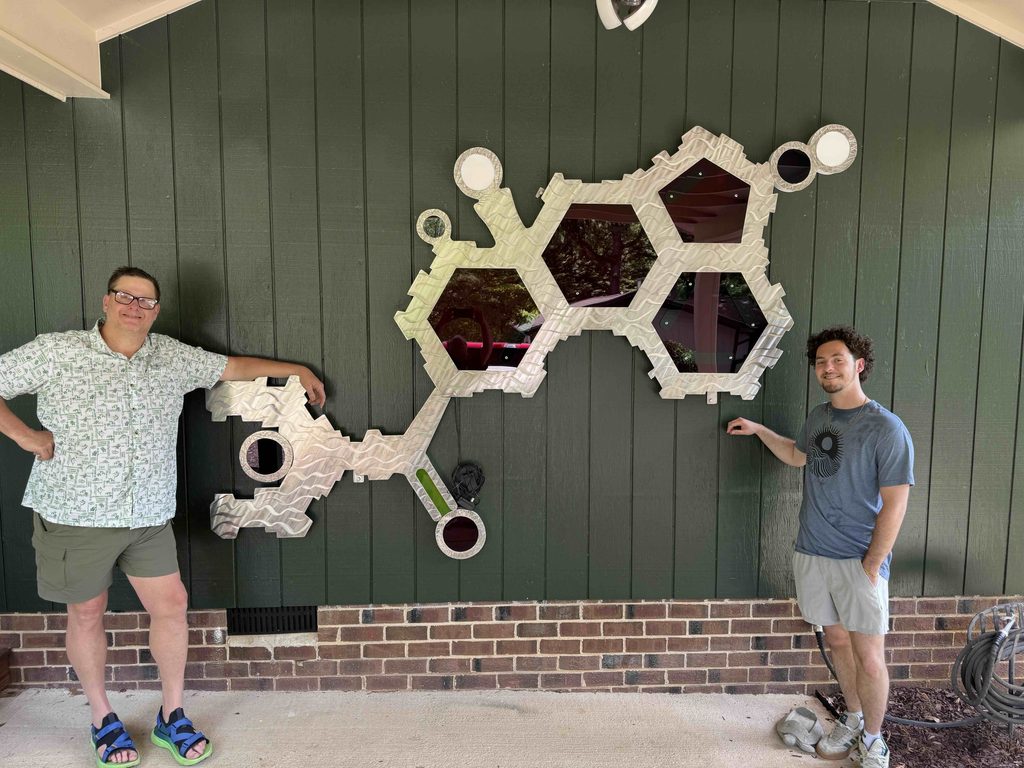
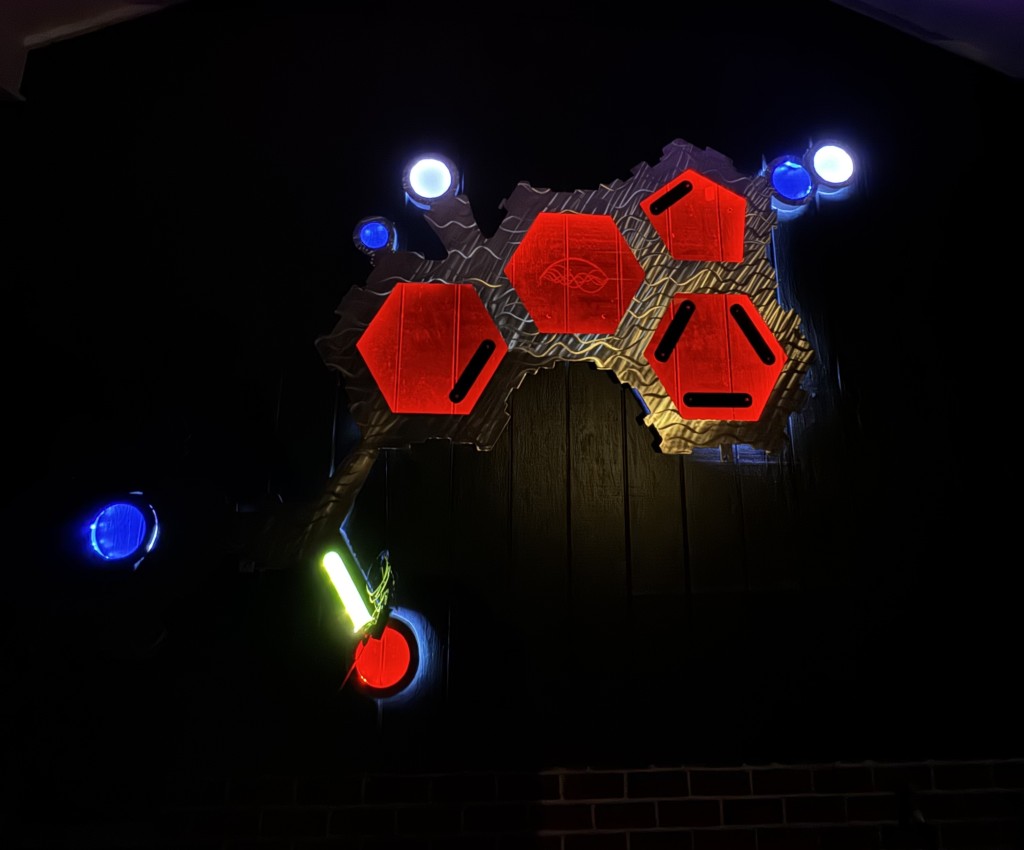
Today, those two sides come together at Mountain Artwork Studios in Athens, where Sizemore creates metal sculptures ranging from whimsical copper pieces to towering public installations.
Born in Raleigh County and raised in southern West Virginia, Sizemore graduated from Oak Hill High School in 1987. Some of his earliest artistic lessons, however, came at home.
During the winter, his mother kept the family busy with crafts. Sizemore learned to make lace, create berry baskets from poplar bark, and make pitchforks and rakes from hickory — Appalachian traditions that taught him how to work with his hands long before he considered art a career.
By high school, creativity also became a way to make money.
“I really hated mowing grass,” Sizemore recalled.
So, he bought an airbrush and started a business. He later took his equipment with him to Concord College, now Concord University, where he studied studio art.
Sizemore eventually left West Virginia for Santa Fe, New Mexico, where his understanding of what it meant to be a professional artist changed dramatically. He worked at a bronze foundry producing sculptures for artists from around the world and apprenticed under a coppersmith, developing skills he would eventually bring back to Appalachia.
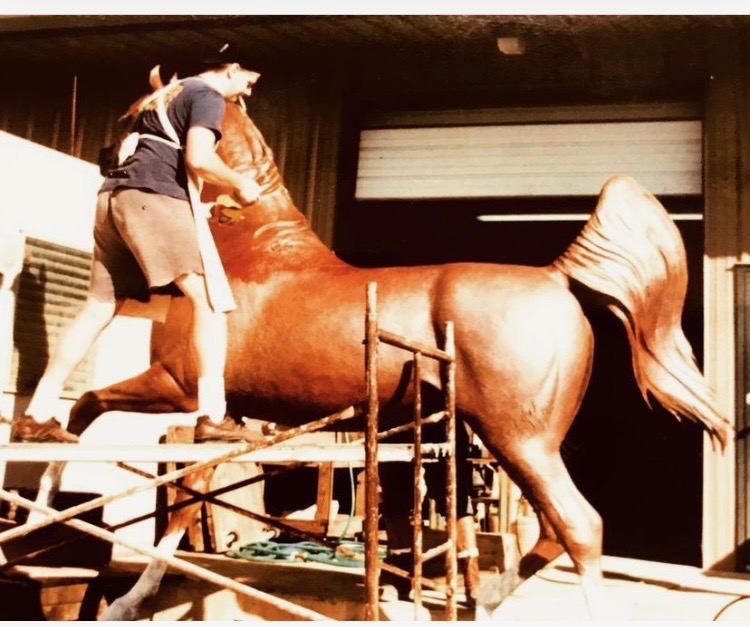
When Sizemore returned to West Virginia in 1996, he combined those techniques with the craftsmanship he had learned as a child and began developing his own line of copper sculptures. Mountain Artwork Studios followed in 1997.
Coming home was partly about family, but it was also about something harder to define.
“Every step that I take in West Virginia, I have a connection,” Sizemore said.
That connection is reflected throughout his work.
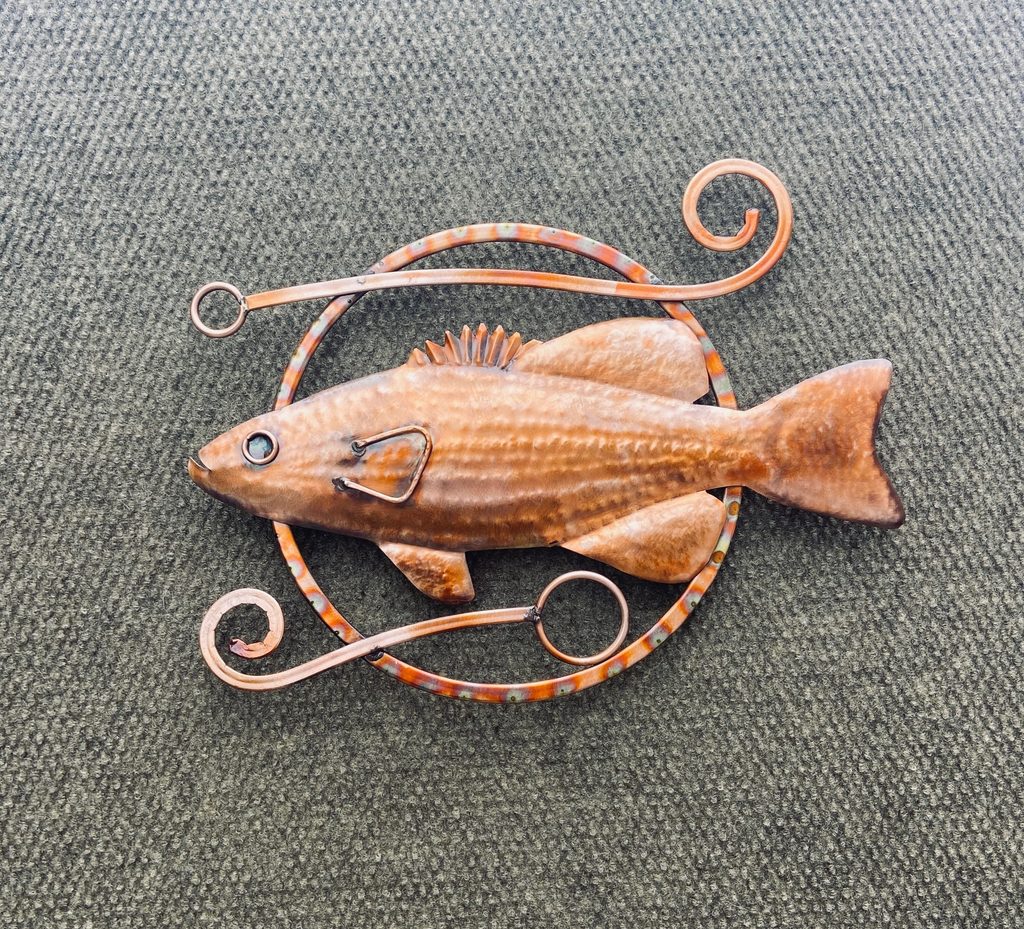
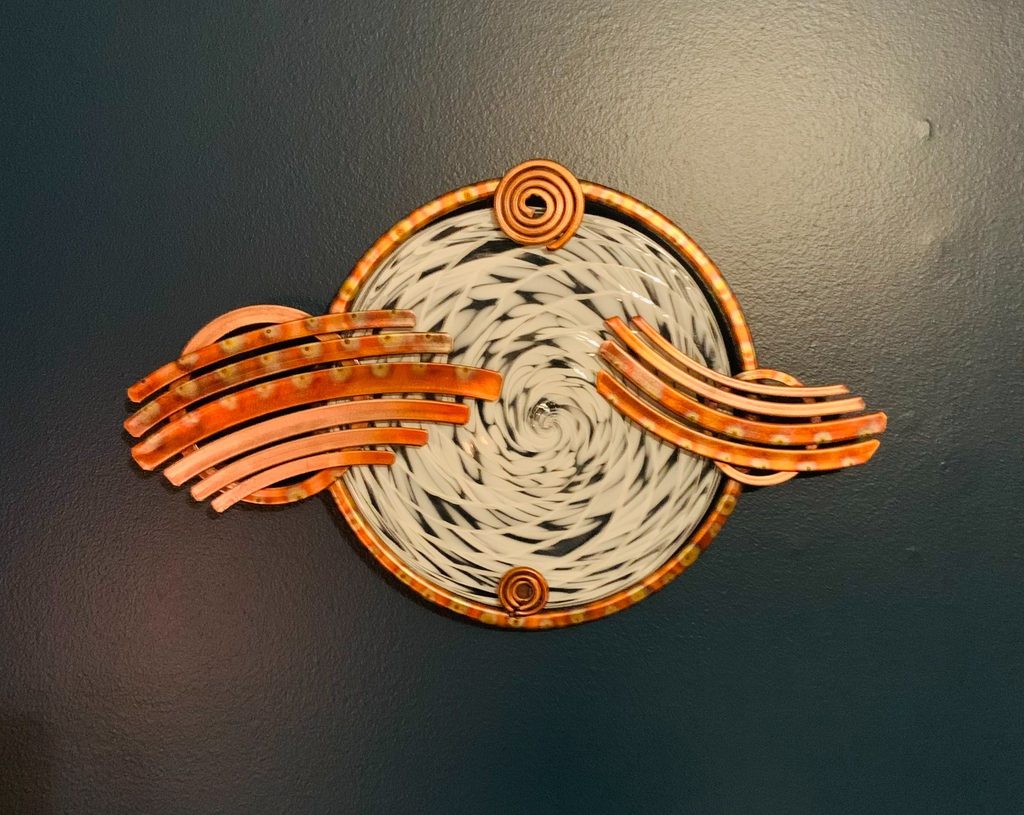
Sizemore described his artistic style simply as “technically proficient and whimsical.” His Appalachian-inspired copper designs include banjos, mandolins, dulcimers, animals, and other pieces, some based on designs he has produced for nearly 30 years. Other works begin through experimentation in the studio — or even in his dreams.
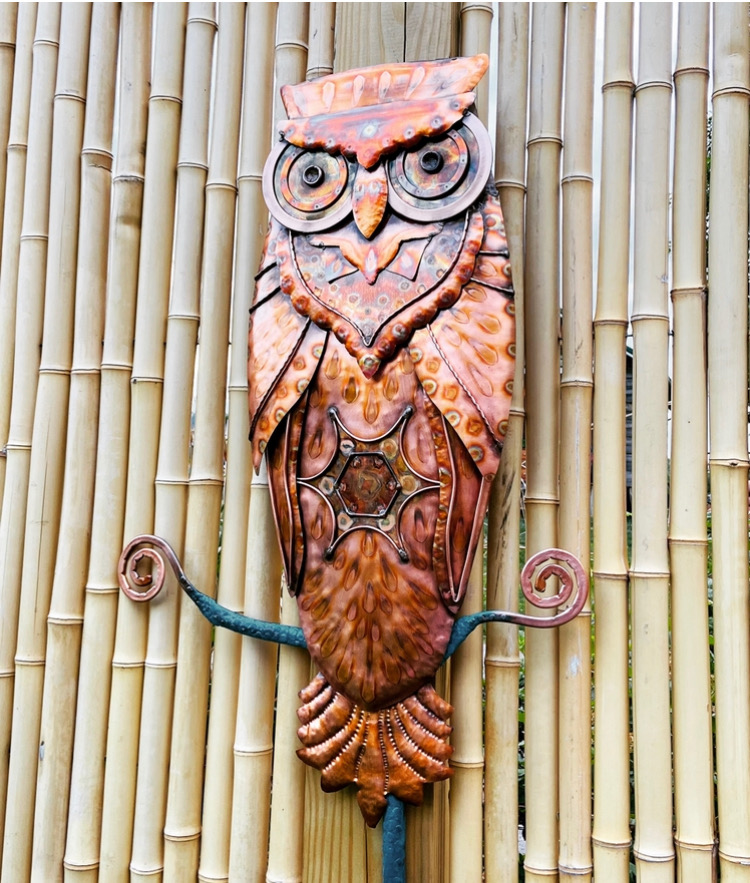
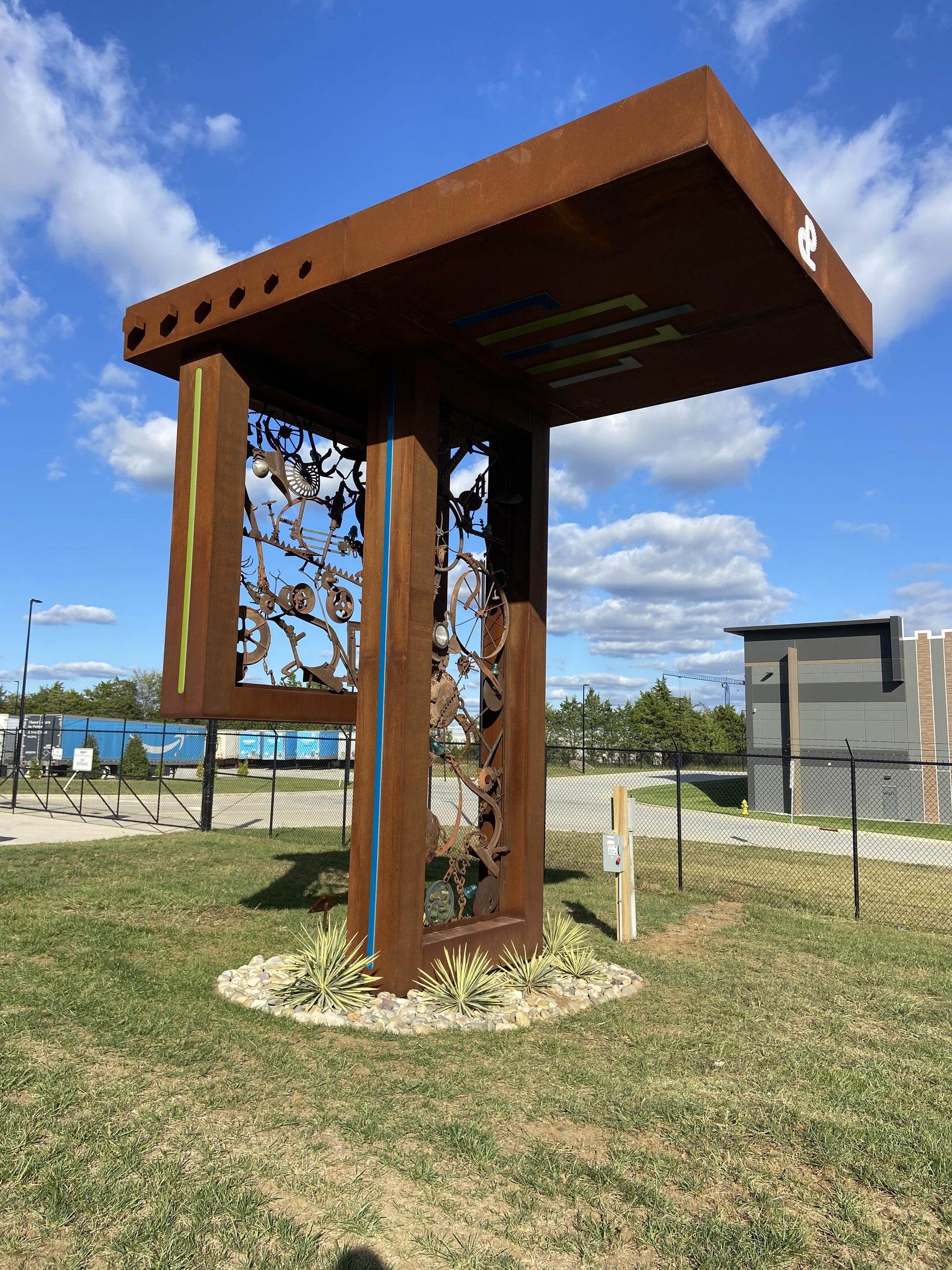
As his career has grown, so has the scale of his work.
What began in the basement of his home, where every sculpture had to be small enough to fit through the back door, has expanded into a large Athens studio equipped to create major installations. In recent years, Sizemore has completed seven large commissions in Charlotte, North Carolina.
Among his most meaningful is “Bloom,” a massive stainless steel heart with a rose emerging from it. The sculpture’s petals reach 24 feet high, and the piece is illuminated with solar-powered LEDs.
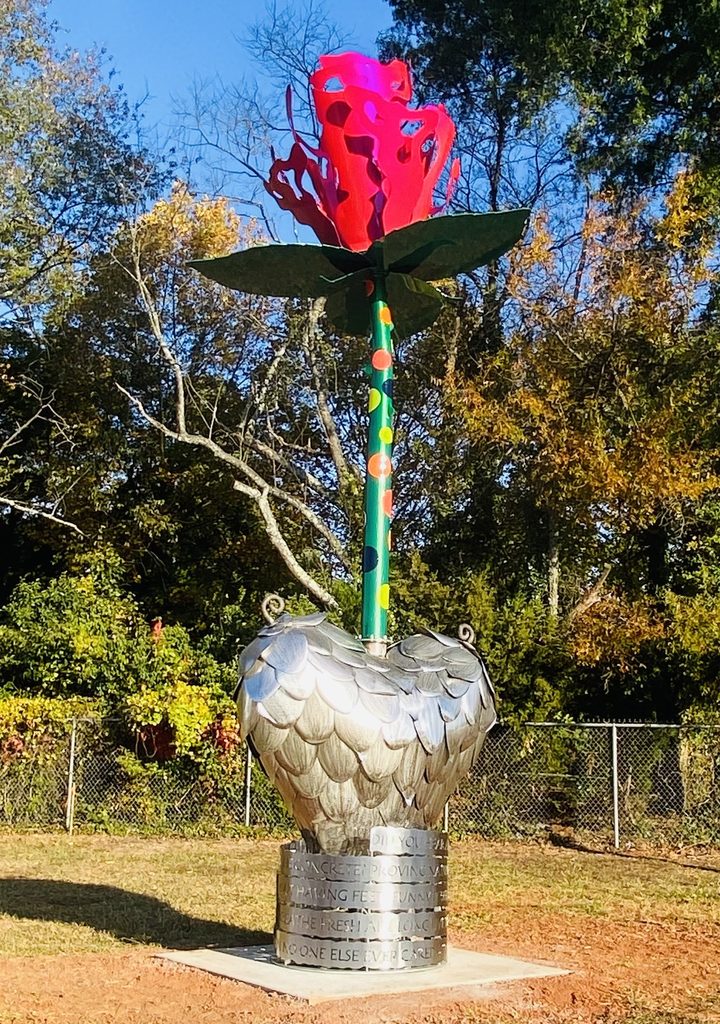
“It is the most fantastic thing I have ever made,” Sizemore said.
Creating work at that scale requires more than artistic vision. Sizemore works with mechanical engineers, electricians, and others to ensure his installations can withstand the elements and safely remain in place.
Still, his process remains decidedly old-school.
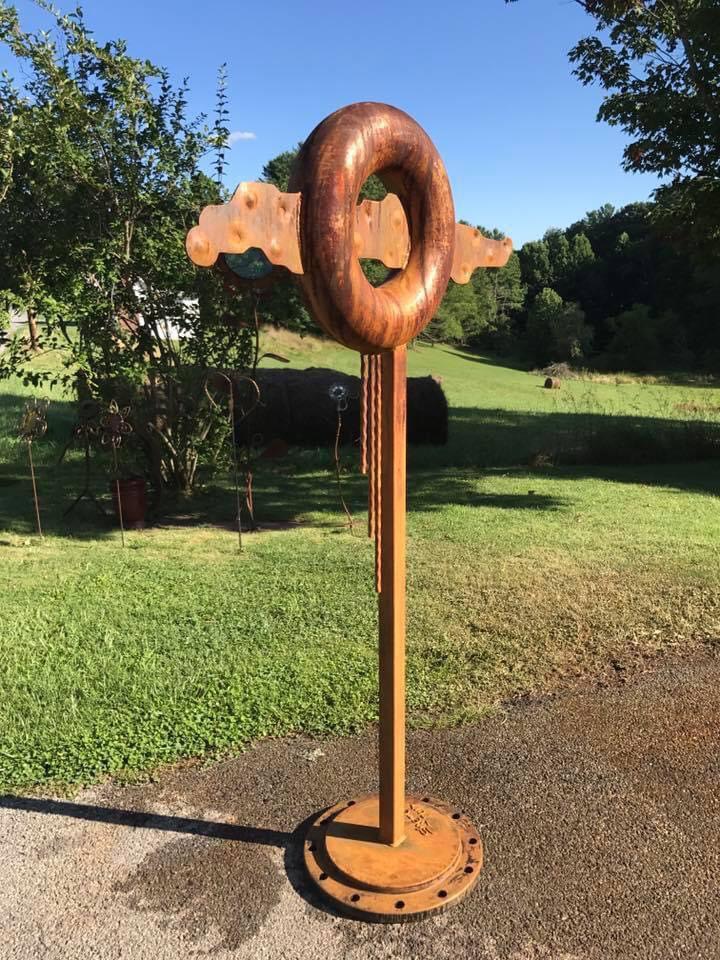
Sizemore continues to draw his designs with pen and ink and prefers to fabricate his sculptures himself rather than relying heavily on computerized production.
“No matter how big it is, I want to make every piece of it myself,” he said.
Through decades of building his career, Sizemore said West Virginia’s arts community has also helped shape his path. He credited grants, Tamarack, fellow artists, and communities across the state with providing opportunities and support.
“No matter how big we get in West Virginia or in Appalachia, there’s always, around every corner, a hometown feel,” Sizemore said.
He continues to accept projects close to home, including work for towns, schools, and public entities.
“We always take pride in doing stuff right here in the state of West Virginia,” Sizemore said.
For young West Virginians hoping to build creative careers of their own, Sizemore’s advice reflects his own journey — one that has included art, fabrication, day jobs, experimentation, and more than three decades of persistence.
“Communicate with other artists. Don’t be shy. Get out there and ask questions,” he said. “Become part of the creative network, and just be diligent. Stick with it.”
Sizemore’s own career is proof that building a creative life doesn’t always mean following a straight path.
Sometimes, it means taking everything you’ve learned elsewhere and bringing it home — then using your own two hands to make something distinctly West Virginian.
Have a nominating for a future week? Email us at news@therealwv.com.
Related Articles
THIS WEEK IN WV HISTORY: October 4–10
The following events happened on these dates in West Virginia history.
West Virginia youth rodeo athletes find competition, community at State Fair
This story is part of RealWV’s year-long focus on youth and belonging in West Virginia, exploring the difficult decisions young people face when deciding whether to stay or leave.

Real West Virginian of the Week: Scott Applegate finds purpose in service to West Virginia
This story is part of RealWV’s year-long focus on youth and belonging in West Virginia, exploring the difficult decisions young people face when deciding whether to stay or leave.