WV Breastfeeding Institute calls on state officials to create action plan for potential disasters
By Autumn Shelton, RealWV
There have been many stories of West Virginians helping those in North Carolina and other areas following the widespread damage caused by Hurricane Helene. Maybe that’s because we have had our own share of catastrophic events, or perhaps it’s because we simply believe in helping our neighbors.
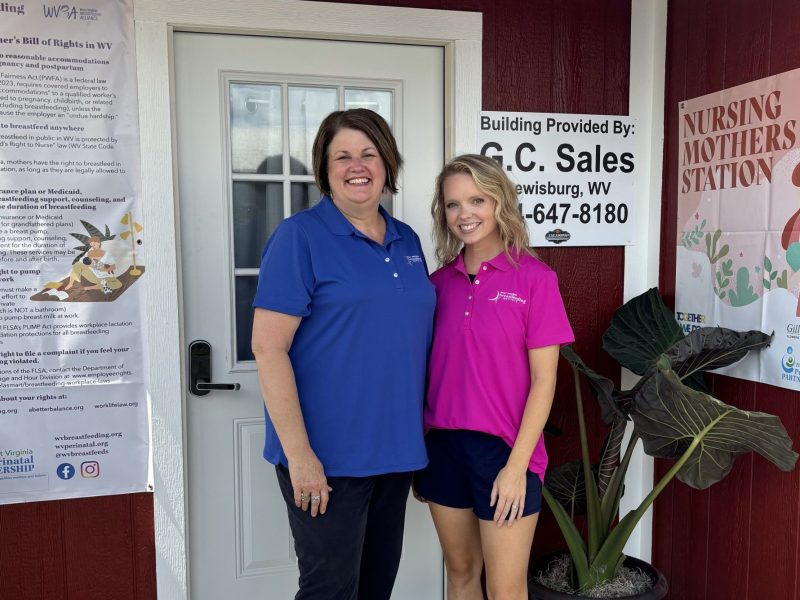
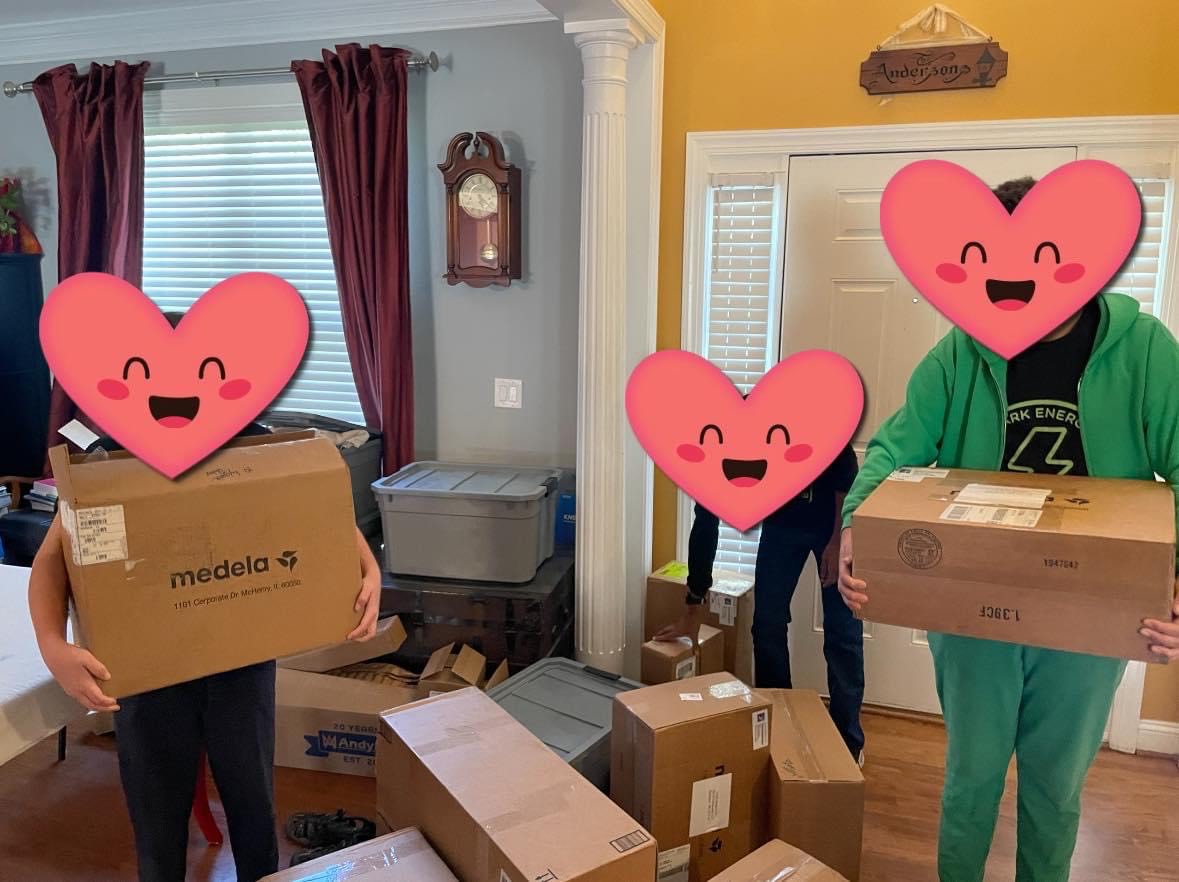
Whatever the reason, we do what we can. And that’s exactly what Molly McMillion, director of the West Virginia Breastfeeding Institute, and her team did when they first heard of the damage – they did what they could do by providing 100 breast pumps to mothers in North Carolina.
While this is a story of helping, it is also a call to action. Because not only did those at the West Virginia Breastfeeding Institute provide breast pumps to North Carolina moms, they began a mission to make an emergency plan for mothers and babies here in West Virginia too.
According to McMillion, the West Virginia Breastfeeding Institute, housed inside the West Virginia School of Osteopathic Medicine (WVSOM), is part of the West Virginia Perinatal Partnership, and works with healthcare providers to ensure the highest quality of care for moms and babies.
“As an organization we have lots of different goals, but the big thing is West Virginia is at the bottom of the breastfeeding rates for the country,” McMillion stated. “We have around 68% of mothers initiating breastfeeding, but the country is 84%. Our numbers really drop off around three months because they when the majority of our moms go back to work.”
McMillion has been working for some time to increase awareness about the importance of supporting mothers and empowering women to know their rights when it comes to breastfeeding – like obtaining a quality breast pump from their insurance provider.
So, starting a statewide mission to support pregnant women, breastfeeding mothers, infants and young children in times of widespread crisis is something McMillion is more than ready to begin. But, she acknowledges that it will take a lot of work and planning, and the idea might not have sparked if it weren’t for Hurricane Helene.
McMillion explained that she received a message from a physician at the Robert C. Byrd Clinic with a link to “The Boobtique,” a prenatal and lactation support website based out of Lake Norman, NC.
After reading the article, and learning more about infant feeding during natural disasters, McMillion knew she had to help.
“I couldn’t stand thinking about the families out there and what they were doing,” McMillion said. “I kept thinking, I want to do something. With the 2016 flood, it was such a hard time. We were all in shock. I ended up helping with baby supply donations, but some of those donations didn’t come until later and then piled up. It was hard reaching the moms, and we weren’t as cut off as the moms in western North Carolina and eastern Tennessee.”
In her storage room, McMillion said she had about 100 pumps that were recently donated to share with mothers as needed.
“They were hospital grade pumps, that included hand-pumps, which don’t require electricity,” McMillion said, adding that she knew just where those pumps should go.
It didn’t take long for McMillion to get in touch with those at the North Carolina Breastfeeding Coalition, who told her where to ship the donated breast pumps. A short time later, McMillion shipped the pumps to the coalition where they were distributed to moms in need.
After that, McMillion said she started to think, “Okay, but we need to work on this in West Virginia.”
“God forbid something of that magnitude happens here,” McMillion stated. “But we have flooding all the time. We had a derecho . . . I had a feeling that there was not really a plan in place in our state.”
According to McMillion, she reached out to the West Virginia Emergency Management Division to inquire about a statewide plan and received a message back stating, “as of right now we are not aware of any response plan, but we will be looking into it more.” (RealWV contacted the emergency management division via email for comment, but received no response.)
“During the derecho it was hard for moms to get formula because the stores were closed,” McMillion explained, discussing the June 2012 event that left thousands of West Virginians without electricity.
Then again, during Covid, there was a lack of formula in stores.
“That changed a lot of things about milk donations, because we had to come up with ways to help moms feed their babies,” McMillion said, adding that West Virginia must use the donor milk bank in Pittsburgh because the state doesn’t have their own. “There were many lessons learned. We have to have formula, we have to have a way to help moms feed their babies when they can’t.”
McMillion noted that a plan must start at the state level.
“It’s going to have to start at the top and then go to the health departments and work its way down to committees on the county level,” McMillion said.
Even though the plan would need to look different for the various parts of the state, McMillion said there needs to be a plan to get parents clean water, bottle supplies and more.
“I cannot fathom your child getting sick on top of everything,” McMillion stated. “They have had some babies die in North Carolina. I heard one story that a mom, they had to hike to get to her, but she just had a baby a week before this happened. Her baby was not looking well when they got to her.”
While that baby ended up doing well, McMillion said she still has concerns for others.
“I’m also talking about pregnant women and trying to take care of them when they can’t get to their prenatal care. I mean you have women (in West Virginia) that have to drive a couple of hours just to get to their prenatal care. What do you do when there’s not a road?” McMillion asked.
“The biggest thing I want is to be looking at this population of mothers, babies, and families in West Virginia and making it a part of our state planning,” McMillion concluded.
To learn more about the West Virginia Breastfeeding Institute, visit https://www.wvbreastfeeding.org/
To learn more about the West Virginia Perinatal Partnership, visit https://wvperinatal.org/.