BACK PEW: Previewing the 2025 Legislative Session
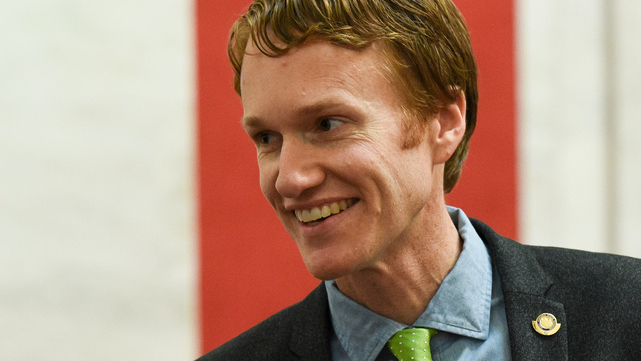
Column by Stephen Baldwin,
On February 12, your elected officials will convene in Charleston for the 60-day legislative session. Here’s a quick preview of some major policies, politics, and personalities under the dome.
BUDGET DEFICIT? Everybody wants to know whether West Virginia is in a budget deficit or a budget surplus? That’s the question folks ask me everywhere I go.
To quote one of my favorite Jim Justice parables, “That’s like asking if you like your eggs fried or scrambled? The answer is yes.”
Yes, we’ve been in a budget surplus the last few years and are halfway through this current fiscal year as well. And yes, we probably will be in a budget deficit in the next fiscal year coming in July.
How can both be true? Because the governor sets the revenue estimates for the state. One governor could set revenue estimates low, actually expecting them to be higher, resulting in surpluses which can be spent. Another governor could set revenue estimates low, resulting in deficits which require budget cuts.
Gov. Morrisey has indicated he favors smaller government. If revenues are expected to be lower—a duty on the governor can fulfill—then budget cuts would balance the checkbook. And to be fair, that will be a more difficult task in the years to come for two main reasons–declining federal investments and tax cuts that come due.
THE POLITICS OF THIS LEGISLATURE. Every legislature is different. The personalities change, and so do their politics. What should we expect from this legislature when they return?
Charleston Republicans see this year as their first opportunity since taking power in 2014 to build an entirely new foundation for state government. Consequently, I expect them to take advantage of that opportunity.
A new brand of Republicans lead the Senate, with the moderates pushed aside, the far right in charge, and a powerful wild card sitting in the back corner. (Senator Eric Tarr, the former Finance Chair, has been seated by new President Randy Smith in the back corner. I do not expect him to sit quietly and go along with the crowd. He will be a force to be reckoned with.)
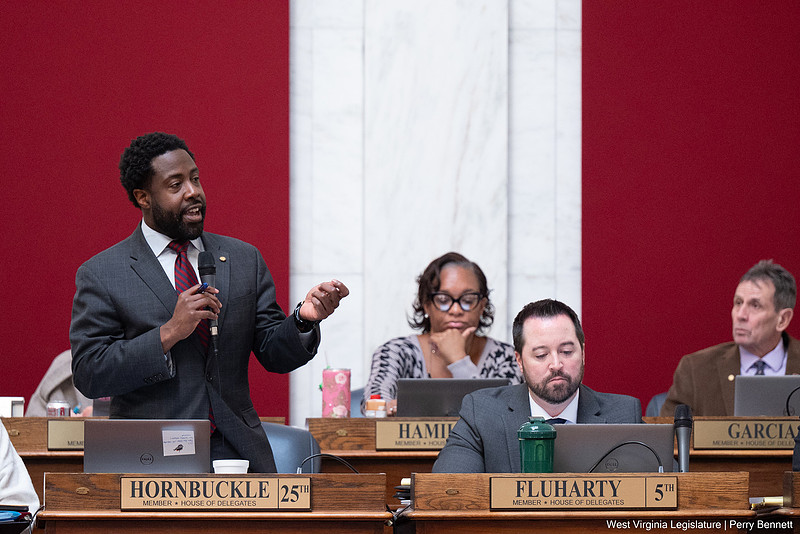
On the House side, moderate longtime Speaker Roger Hanshaw still holds the gavel, but his caucus has also swung far to the right. Delegate Pat McGeehan, longtime voice of the Freedom Caucus, is the new Majority Leader. As I’ve told Del. McGeehan personally, I’ve always admired that he has stood his ground on principle no matter what. At the same time, I’m old enough to remember when he was kicked out of the Republican caucus for being too principled in his conservatism. Now, he’s their leader. That is a signal of how far the caucus has moved.
Gone also is Jim Justice, who for the most part was a moderating force on the legislature, albeit often from a distance. Gov. Morrisey will be much more involved day-to-day. I give him credit for being in front of reporters regularly in the Capitol outside his office. He will be actively a part of the session this year, which is a divergence from the last eight years. Legislators say they are excited for the change. Will that sentiment last?
MAJOR ISSUES. Here are the major topics I’m keeping an eye on. Where will the budget cuts be made? Will PEIA be privatized? Will professional/trade licenses be deregulated? Is the death penalty about to make a comeback? How will they balance the desire to further cut taxes with the budget situation? Will the Hope Scholarship be opened to all students sooner than scheduled? How far will immunization requirements be rolled back for public school kids? Which social issues will make an agenda? How will the federal climate impact state policies?
PUBLIC INPUT. I can hear folks now saying, in response to the above issues, “How does that help me?” Which begs the question of public input this session.
Much has been made of new House Rules, which change the way the public provides input in the legislative process. Large public hearings will no longer exist as they once did.
I don’t think they were particularly helpful the way they were. Folks often has one minute to speak and very few legislators attended. Now, committees will have the chance to consider public feedback as a bill makes its way through the process in writing or in person. Theoretically, that sounds great. In practice, I am not hopeful that it will work. Because the process moves fast. People won’t know how or when to contribute their opinions. So while I applaud the effort to make positive change, I fear this particular means of doing it will require more work. Public participation is vital. The people need to have a clear and accessible means of voicing tier opinion and feel as they are actually being heard.
It will be incumbent upon citizens to stay informed, journalists to fairly and comprehensively cover the many issues, and politicians to be forthright as this session unfolds.
That’s the view from the back pew. May God bless each and every one of you!
Stephen Baldwin is a Presbyterian minister, the Publisher of The Real WV, and the former Senate Minority Leader.