Culture and humanity is a way of life in West Virginia
By Matthew Young, RealWV
My absolute favorite stories to tell are the ones which highlight the long history and deep connection arts and culture have to this place we all call home. It was Texas-born Larry Groce, a world-renowned artist in his own right – and one of our state’s most cherished ambassadors of its arts and culture – who said, “I’m not originally from West Virginia, but I got here as soon as I could.”
Much like Larry, I’m not originally from West Virginia. And while he has been a resident of the Mountain State for well over a half-century now, the soonest I could get here was about five years ago. I’m a New Yorker by birth, and I carry that fact around like a badge of honor. But I’ve lived a lot of other places, too. And as my accent begins to fade, and I start to detect just the slightest hint of a twang in my voice, I realize that the banks of the Kanawha River have become just as much my home as those of the Hudson ever were.
Charleston is now the place I hang my hat, and an apartment above the offices of the West Virginia Music Hall of Fame is where I lay my head at night. The creativity in this building – and this city – is palpable, and history hangs on every wall. Charleston is a cultural melting-pot that is proportionately on par with Soho, yet significantly more approachable than Times Square.
Charleston fits me like a good pair of jeans, and West Virginia as a whole has become a companion every bit as cherished as my thrift store leather jacket.
Barely a week ago, while backstage at a place aptly known as “The Culture Center,” I shook hands with Luke Bryan, shared a hug with Marjory Johnston, and cracked jokes with Juliana Soltis. I took a picture with John Ellison, took pictures of Friendly Womack, and held the door open for Kathy Mattea. And just like the more than 500 other people who were in the building that night, I was there to celebrate the West Virginiains who have helped shape our nation’s music. Artists like Bill Withers and Barbara Nissman, Jack Rollins and Ann Magnuson – Appalachian icons and national treasures all.
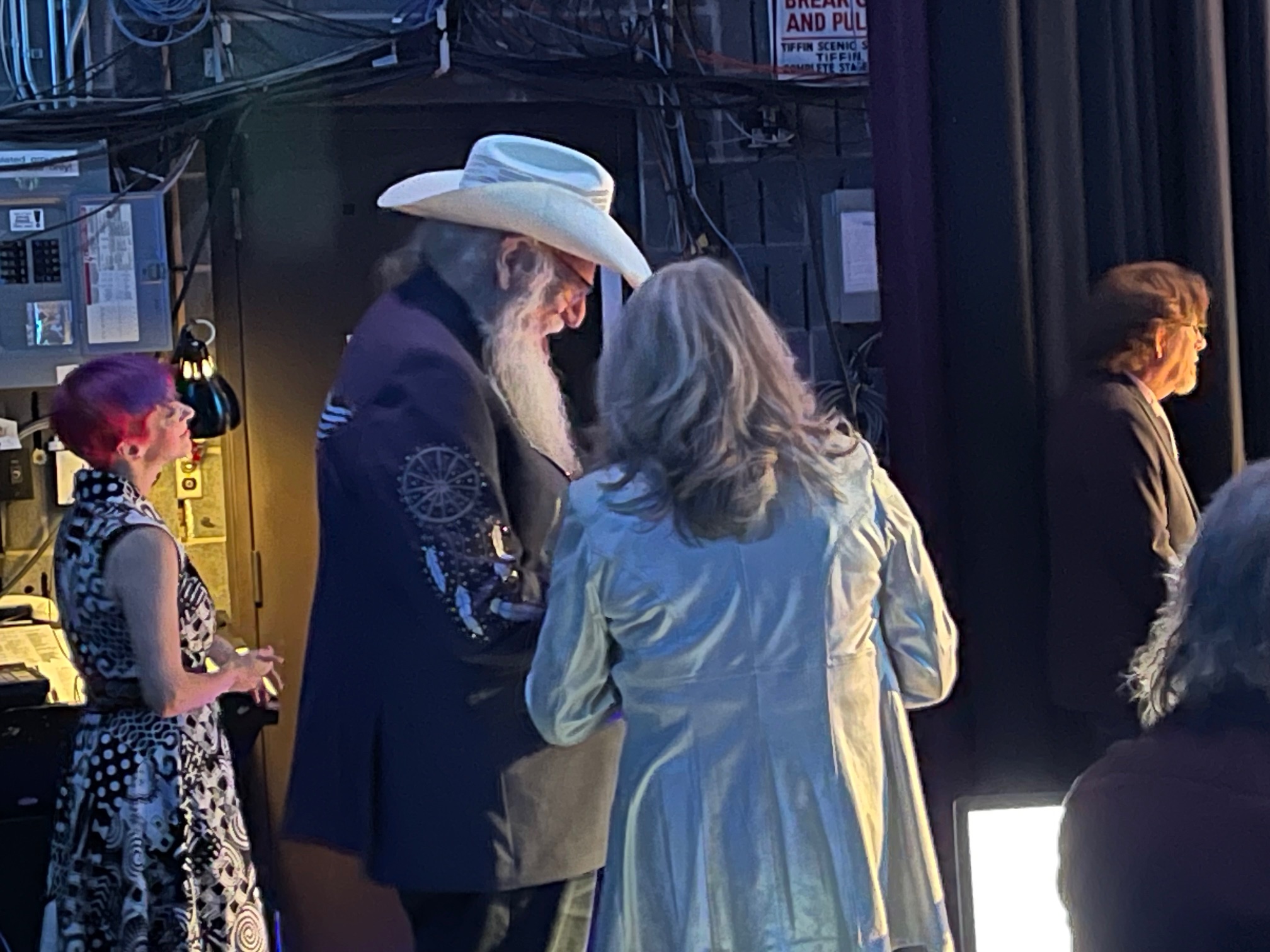
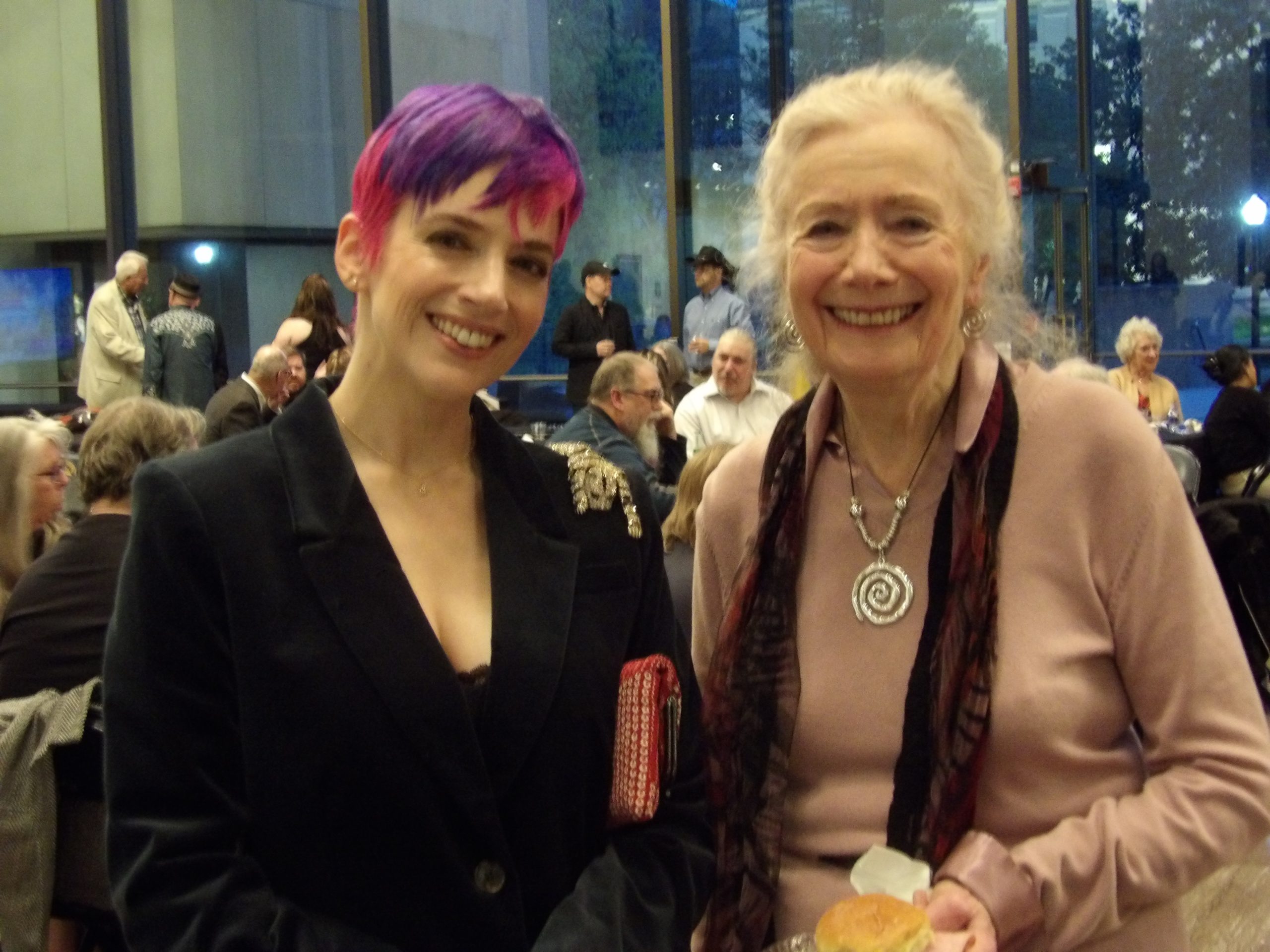
But beyond the world-class theatre where I spent that particular evening, The Culture Center is home to West Virginia’s historical archives, the official State Museum, and more public gatherings each year that could be stated here. The Culture Center is a place for all of us, and it is our blended history, warts and all.
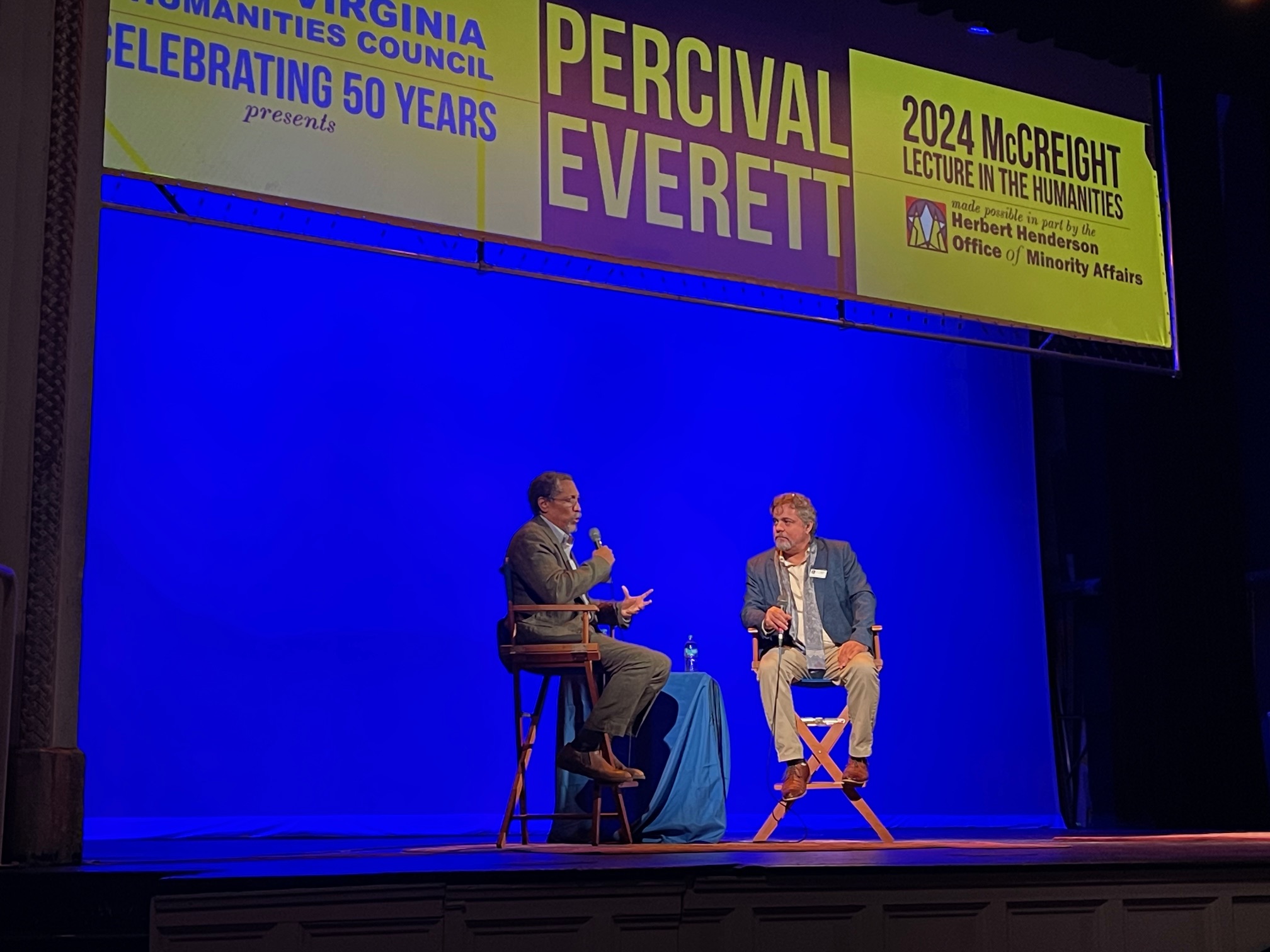
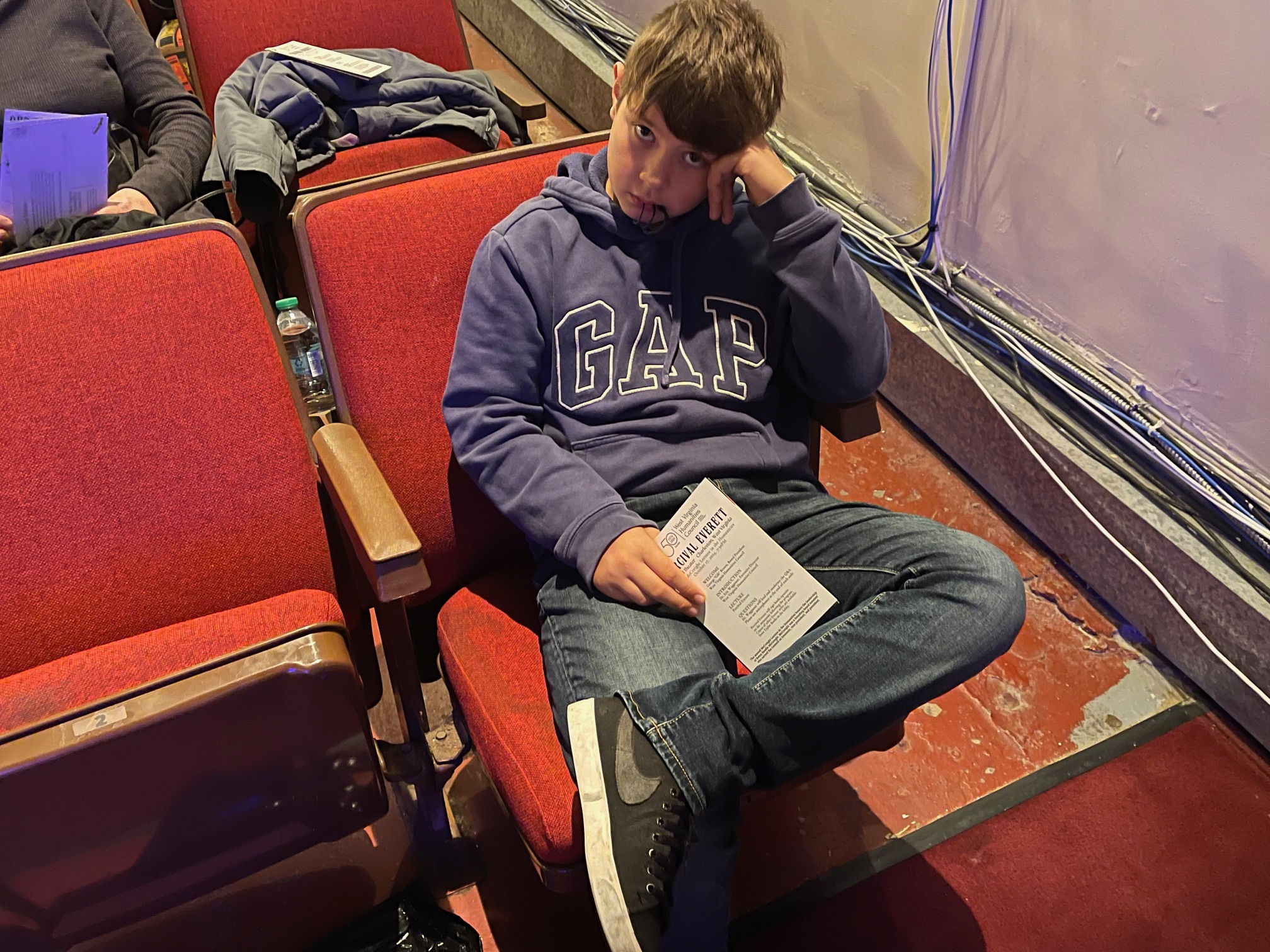
Some six months before my evening at the Culture Center, my son and I spent an evening in a different Charleston auditorium – that being the Capitol Theatre. National Book Award winner Percival Everett was there that night to deliver the McCreight Lecture in the Humanities. As a huge fan of Everett’s work, I was beyond excited to meet him, and listen as he shared his insights. My son however, all of 11-years-old at the time, was somewhat less enthusiastic.
The theatre – which, by the way, is beautiful if you’ve never been – was packed for the appearance. But that came as no surprise. It’s not often that one of the most recognized, influential, and celebrated writers in the world visits our little holler. And in a state where poverty is high and test scores are low, the chance to hear an academic giant like Percival Everett deliver his lecture free of any cover charge is indeed a rare treat.
After the lecture, Everett shook hands and signed autographs for everyone who was there. Meeting him was a thrill for me. And even though my son had a slightly less enjoyable time than I did, us having the opportunity to share that experience is a memory that I will forever cherish.
I’ve enjoyed the West Virginia Symphony’s holiday performance at Lewisburg’s Carnegie Hall, and I’ve sung along with the Good Time Christmas Carol in Huntington’s Foundry Theatre. I danced badly as John Ellison and the Carpenter Ants brought the house down at the Kimball War Memorial, and I choked up when Todd Withers accepted an award on behalf of his late father, Bill, at the Beckley Convention Center.
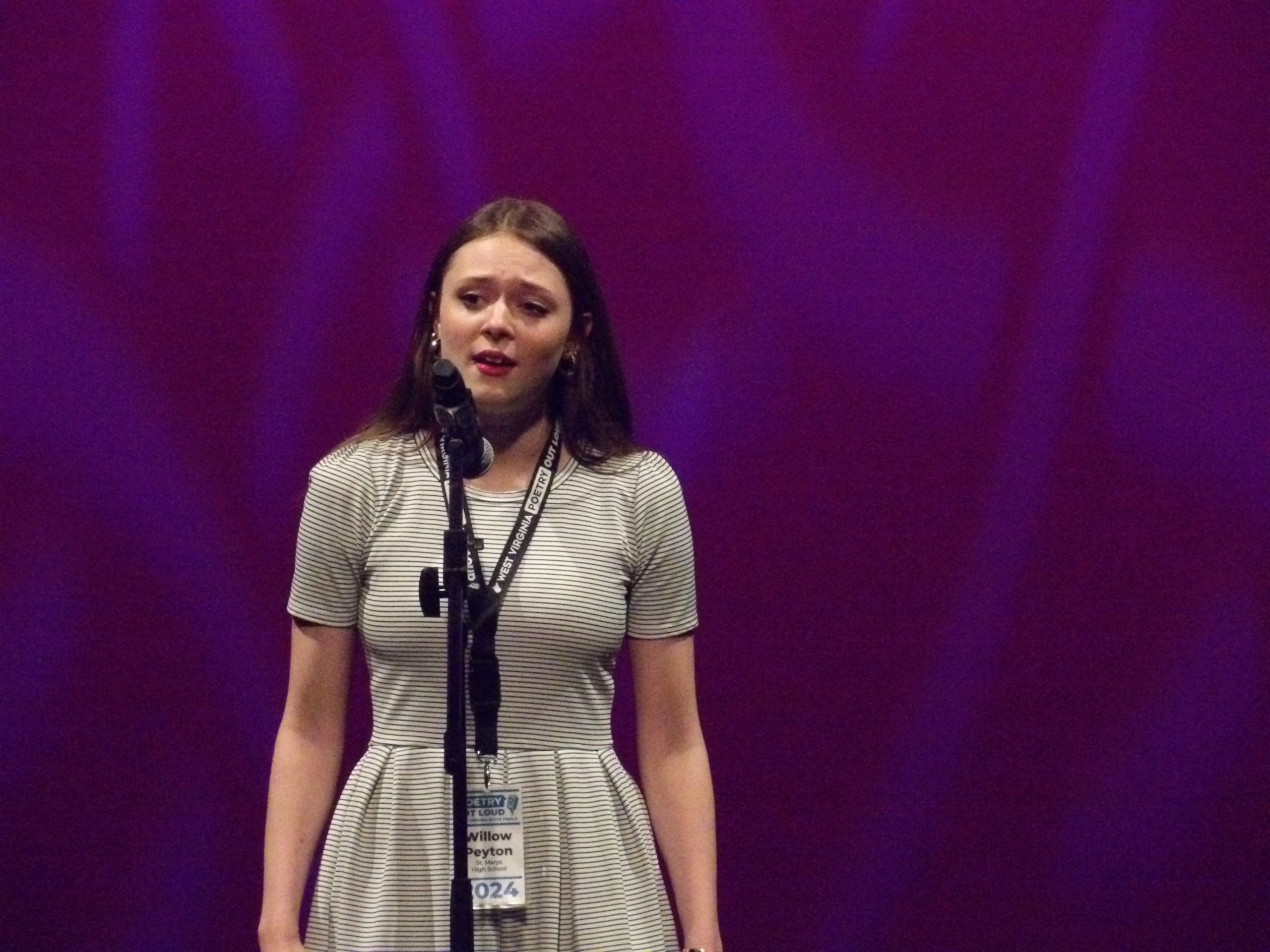
I sat backstage at Mountain Stage’s 40th anniversary show talking history with Dublin-based celtic guitarist John Doyle and West Virginia’s Poet Laureate Mark Harshman. I chatted about movies with the West Virginia International Film Festival’s head-honcho Delford Chaffin while we eagerly awaited the premiere screening of “Impossible Town.” I cheered with pride when Monroe County came oh-so-close to winning it all at the Academic Showdown in 2023, and I hid my face when Willow Peyton’s recital of “The Poem You’ve Been Waiting For” brought me to tears at last year’s Poetry Out Loud state finals.
I get to have these experiences, in part, because of my job. On occasion, it affords me a level of access that one doesn’t generally get. But honestly that happens less often than you might think. Mostly I get to do these things for the same reason that anybody can – they’re available to us through the hard work of some incredibly dedicated and proud West Virginians.
Unfortunately for all of us, there are some people within our state and federal governments who seem unable to see the forest for the trees, and have what I would argue to be a misguided understanding of the value of our state’s art and culture. At the state level, our lawmakers recently approved our new governor’s plan to consolidate the Department of Arts, Culture and History into the Department of Tourism. And on the national stage, the Department of Government Efficiency (DOGE) has terminated the National Endowment for the Humanities’ (NEH) ability to financially support state councils.
Something else I’ve had the opportunity to do is talk about literature and the good old days of rock and roll with West Virginia Humanities Council Executive Director Eric Waggoner. It was the Humanities Council that brought Percival Everett to West Virginia, and it was the Humanities Council that contributed to the success of the West Virginia Music Hall of Fame for the past two decades.
It was the Humanities Council that funded the Cabell County-based Alchemy Theatre Group’s Shakespeare Festival, and the Jackson County Public Library’s digitization project. It was the Humanities Council that funded the Capon Bridge Ruritan Club’s living history presentations, and the Summers County Historic Landmark Commission’s “Mary Ingles” project.
The West Virginia Humanities Council provides funding to, among many others, Lewisburg’s Carnegie Hall, the Rich Mountain Battlefield Foundation, the West Virginia National Cemeteries Project, the West Virginia International Film Festival, WV Public Broadcasting, and to RealWV. A few of the other things the Humanities Council facilitates is the History Alive! Program, the eWV Online Encyclopedia, traveling exhibits, and the aforementioned McCreight Lecture Series.
One of our more popular features, “This Week in West Virginia History,” which has been read by more than 50,000 website visitors since we began publishing it late last year, is provided by the West Virginia Humanities Council. They provide this free of charge to not only RealWV, but also to the dozens of publications throughout West Virginia who share it with their readers.
The Congressionally-appropriated funding provided by the NEH accounted for approximately 50% of the council’s annual operating budget. As a result of the termination, two weeks ago, the Humanities Council announced the suspension of their grantmaking efforts.
Last week the outlook became even bleaker, as a Monday press release advised residents that, “This abrupt termination of long-established and congressionally appropriated NEH funding support for the Council, which serves as the NEH’s official affiliate in and for the Mountain State, if sustained, will cause the closure of all Council activities within West Virginia.”
The consolidation of the Department of Arts, Culture and History into the Department of Tourism is, on its own, alarming. Add to that the potential closure of the Humanities Council and alarming quickly becomes frighteningly stupid, and unnecessarily tragic.
But we as West Virginians have seen this now for the past three months. First DOGE came for our coal miners and our veterans. Then they came for our Americorps volunteers. They said it was wasteful, and they said it was fraud, and they said it was corruption.
But here in West Virginia, we know a few things – even those of us who weren’t born here, but got here as soon as we could. Our coal miners aren’t wasteful, our veterans aren’t frauds, and our Americorps volunteers aren’t corrupt. And our culture – or put another way, our humanity – certainly isn’t those things either.
So what does it say about our government when they tell us that that’s how they feel about our way of life?
For more information, read WV Humanities Council Executive Director Eric Waggoner’s op-ed HERE.
Read the grantmaking announcement from the WV Humanities Council HERE.
Read a statement from the WV Humanities Council’s Board of Directors HERE.
Read reporting from WV Public Broadcasting HERE.