OPINION: Medicaid reforms are serious, but now is not the time to panic

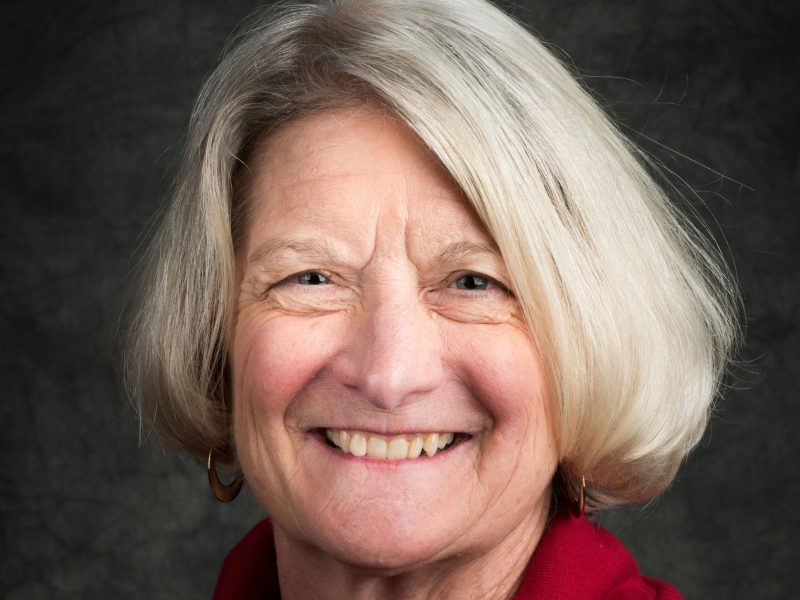
By Rich Sutphin, executive director of the West Virginia Rural Health Association
On July 4, 2025, the One Big Beautiful Bill Act (OBBBA), a sweeping package of tax cuts and spending reforms, became law. Among its most controversial measures is a drastic restructuring of Medicaid, a cornerstone of health security for over half a million West Virginians. The consequences for our families, hospitals, and rural communities are severe. These reforms will take place over a few years, with an infusion of dollars to support rural healthcare beginning in early 2026.
While these reforms and cuts are incredibly serious and will significantly change the healthcare landscape in West Virginia, now is not the time to panic. We know that West Virginians look out for each other, and I am confident that our healthcare systems will continue to serve their communities for as long as possible. Our health systems will work to adapt to these reforms as best as they can and will continue to provide quality healthcare to patients in the most rural and remote parts of West Virginia. With the most significant cuts not going into effect until early 2027, now is the time for our health system leaders to plan for the potential cuts and proactively respond.
It is important to understand the timing of some of the most impactful reforms that will take place.
Rural Health Transformation Fund
The OBBBA reconciliation package creates a fund to disperse $10 billion per year over five years to address some of the anticipated losses to rural health systems because of these reforms. The reconciliation bill establishes a breakdown of how these funds will be directed to states. These funds have been divided into three categories: 50 percent of the funds are automatically directed to each state, meaning each state will receive $100 million per year over the next five years, 40 percent of the funds are to be distributed to states based on a yet to be determined needs-based formula, and the remaining 10 percent was not explicitly directed in the OBBBA.
Based on the distribution plans, West Virginia (and all other states) will receive at least $100 million per year. While this amount will not replace the expected funds that will be lost, it is imperative that our state plan appropriately for the disbursement of this money. Our state is trusting that Governor Morrisey and his team will draft a plan to utilize these dollars to support the most at-risk healthcare systems in our state. Governor Morrisey has shown that he understands the need for experts in rural health to guide health policy and regulation in our state as evidenced by his recent appointment of Dr. Drema Hill to the West Virginia Health Care Authority. Dr. Hill has proven herself to be a stalwart leader in rural health throughout her decades of service in West Virginia.
Medicaid Enrollment and Work Requirements
The OBBA reconciliation package requires that states develop a system by which they will track the employment or community service of individuals aged 19 through 64 who are enrolled in Medicaid. This measure will be implemented in January 2027. This provision creates a bureaucratic burden on not only enrollees, but on our state. Our state has less than 18 months to create a system for tracking these work requirements and to educate enrollees on how to utilize the system. Additionally, West Virginia Medicaid will need to ensure that they have enough staff to process double the re-enrollment verifications as they increase to twice per year.
It is essential for folks who are enrolled in Medicaid to understand how these provisions will impact their coverage. Making sure that enrollees understand the systemic changes will hopefully prevent unnecessary coverage losses.
Medicaid State Directed Payments
The final provision that needs highlighted is Medicaid State Directed Payments (SDPs). SDPs are a mechanism by which states can instruct Medicaid Managed Care Organizations (MCOs) to pay certain providers at a specific rate, typically higher than traditionally negotiated rates. It is important to know that SDPs are required to be approved by the federal government. The reconciliation package requires that beginning in 2028, a 10% per year phase down will begin until Medicare rates are achieved. This phase down will lead to hundreds of millions of dollars per year in lost revenue.
It is important that our state’s leaders work to ensure that health care providers understand the ways that revenue will change. Health system leaders must evaluate the potential cuts and respond to ensure our communities can still receive healthcare close to home.
There is no denying the OBBBA will have significant impacts on the healthcare system in West Virginia. However, our state has time to plan and be proactive about the ways in which these reforms will alter our healthcare landscape. Now is not the time to panic, but it is the time for our state to have intentional conversations to develop plans to prevent catastrophic outcomes when these policies are fully implemented.