
Morrisey calling on West Virginians to provide input on rural healthcare in hopes of receiving federal funding

By Autumn Shelton, RealWV
CHARLESTON, W.Va. – On September 15, the Centers for Medicare & Medicaid Services (CMS) under the direction of Administrator Dr. Mehmet Oz, provided details on how states may apply for funding from the $50 billion Rural Health Transformation Program created through the Working Families Tax Cuts Act, part of the “One, Big, Beautiful Bill.” Now, West Virginia Governor Patrick Morrisey is seeking help from the state’s residents to put together ideas on how to get a piece of the pie.
According to information from the Governor’s office, West Virginia is set to receive $100 million per year over a five year period through the funding, which is being promoted as a program “that will spark real change for rural health care.” However, the state must submit its application by November 5 to receive additional funding.
“The way they set up this program, there’s $25 billion that will be evenly divided among the 50 states,” Morrisey explained during a press conference on Thursday. “And then there’s discretionary dollars as well that will be allocated to the states based upon the application that they submit, based upon the rural nature of the state, and also various policies that the states elect to pursue.”
Morrisey said that the funding could be incredibly beneficial for the state.
“But, I want to go much further than that,” Morrisey continued. “I want to make sure that we are challenging our private sector to engage in matching, and I want this to really be truly transformational as the grant is described. I also want to make sure that we are putting our best foot forward to make a case to CMS that West Virginia is doing incredibly innovative work to move the needle to improve those outcomes and to make a real, meaningful difference to rural healthcare in West Virginia.”
Governor Morrisey is asking for input from residents, stakeholders, and healthcare partners by September 29, 2025. Information is available at www.governor.wv.gov under the page ‘Rural Health Transformation Program’ and responses may be sent via email to RHTP@wv.gov.
“There are a number of things that we have to do in this application,” Morrisey said. “We have to support innovation in rural areas and look at the root causes of disease to improve prevention, chronic disease management, behavioral health and many other disease states. We have to help rural providers and new entrants improve delivery of care in a way that ultimately moves the needle on outcomes.”
Morrisey also said that the state must find a way to recruit and retain healthcare workers, “spark the growth of innovative care models,” devise different types of healthcare payment arrangements and use technology to increase positive healthcare outcomes and to lower healthcare costs.
“We need to have this statewide public comment period as a strategic priority,” Morrisey said. “That’s critical. Your input is going to be essential to develop the best possible application.”
Dr. Arvin Singh, secretary of health, added that this program is more than a federal program – it’s a lifeline for the state.
“We all know the hard truth . . . West Virginia ranks at the bottom of nearly every health metric, whether it’s heart failure, whether it’s infant mortality, but we’re not here to dwell on those problems. We’re here to seize the solutions as the Governor mentioned,” Singh said.
Secretary of Human Services, Alex Mayer, said that the application process will involve a lot of different agencies to help “move the needle,” but he is confident that this will be an opportunity to “move West Virginia to the forefront of health outcomes throughout the country.”
According to information found on the Rural Health Transformation Program’s website, awards will be decided by December 31.
Despite funding through the Rural Health Transformation Program, the “One Big, Beautiful Bill” will decrease federal Medicaid spending over a decade by an estimated $911 billion and increase the number of uninsured people by 10 million nationwide, according to information from KFF, a non-profit, non-partisan organization.
These Medicaid cuts have been cited by West Virginia healthcare experts, including Vandalia Health CEO Dave Ramsey, as being “devastating” to healthcare access in the state.
Currently, in Washington DC, politicians are engaged in a battle over the Affordable Healthcare Act (ACA, Obamacare) enhanced tax credits, which are set to expire on December 31, and may lead to a possible government shutdown on Sept. 30. The tax credits help make health insurance affordable to those who use the Marketplace to receive benefits.
According to information presented by the West Virginia Center on Budget and Policy, “combined, the cuts to Medicaid and the ACA are expected to result in West Virginia losing $1 billion/year in federal funds. This will cost the state thousands of health care jobs as well as indirect job losses and will result in hospitals and providers reducing services or even closing their doors.”
An August 2025 report by the Center for Healthcare Quality and Payment Reform (CHQPR), states that West Virginia has 12 rural hospitals at risk of closure, with five facing an immediate risk of closure.
Related Articles
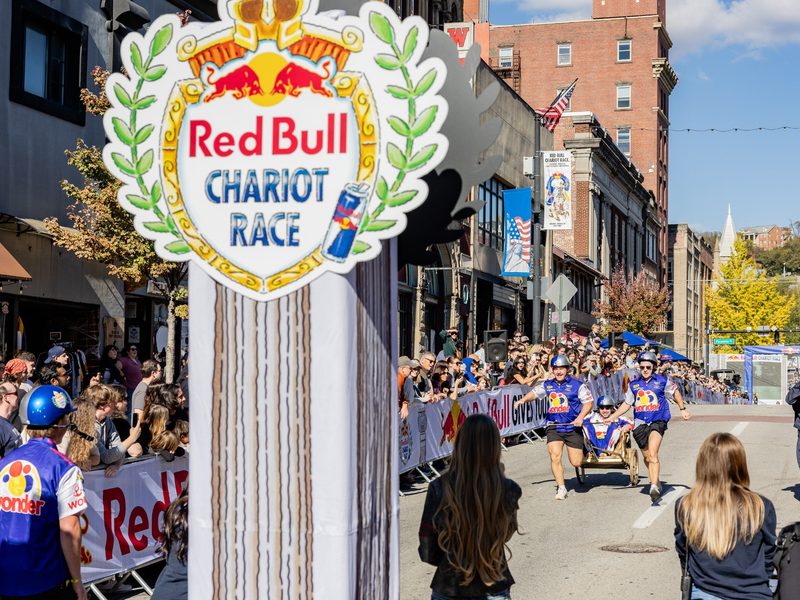
PHOTOS: Red Bull Chariot Race brings high-speed fun to Morgantown
Take a look at photos from the Red Bull Chariot Race in Morgantown, W.Va., which was held on High Street this past Saturday, Oct. 24, 2026.
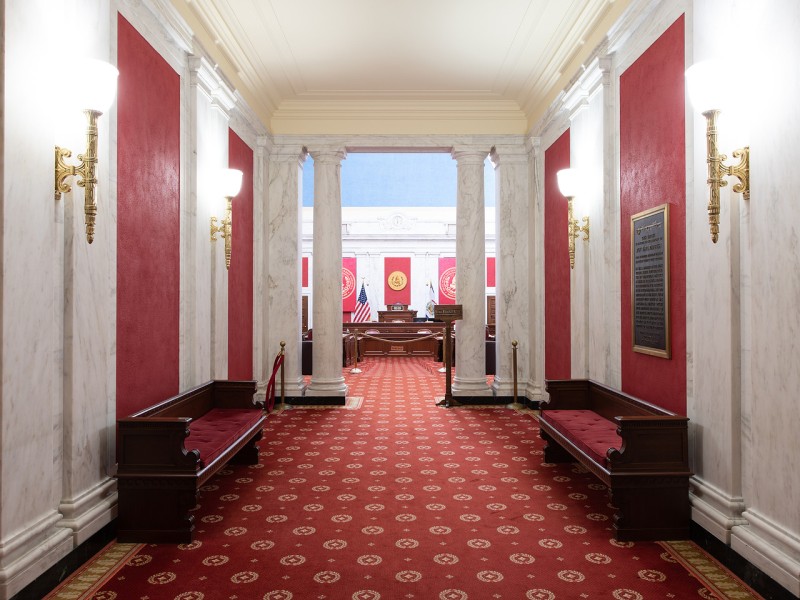
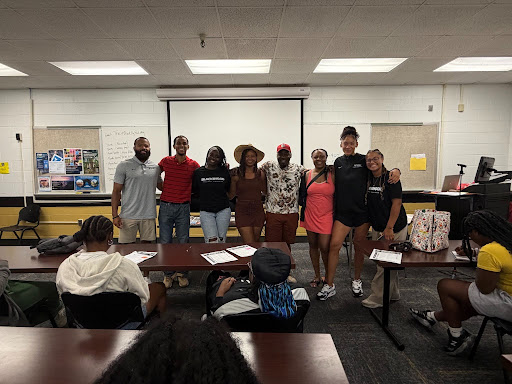
BLACK BY GOD: Youth Voices Rising: Black By God Helping Amplify Youth Voices in West Virginia
This October, during National Arts and Humanities Month, Black By God: The West Virginian is launching Youth Voices Rising, a series of student articles, interviews and videos that gives audiences a view of West Virginia through young people’s eyes.