THIS WEEK IN WV HISTORY: April 12-18
Presented by the WV Humanities Council,
Charleston, WV – The following events happened on these dates in West Virginia history. To read more, go to e-WV: The West Virginia Encyclopedia at www.wvencyclopedia.org.
April 12, 1865: The 36th Virginia Infantry, known as the Logan Wildcats, disbanded. The Confederate company was created at Logan Courthouse on June 3, 1861, and consisted of about 85 men. The company saw its first action in the Battle of Scary Creek in Putnam County.
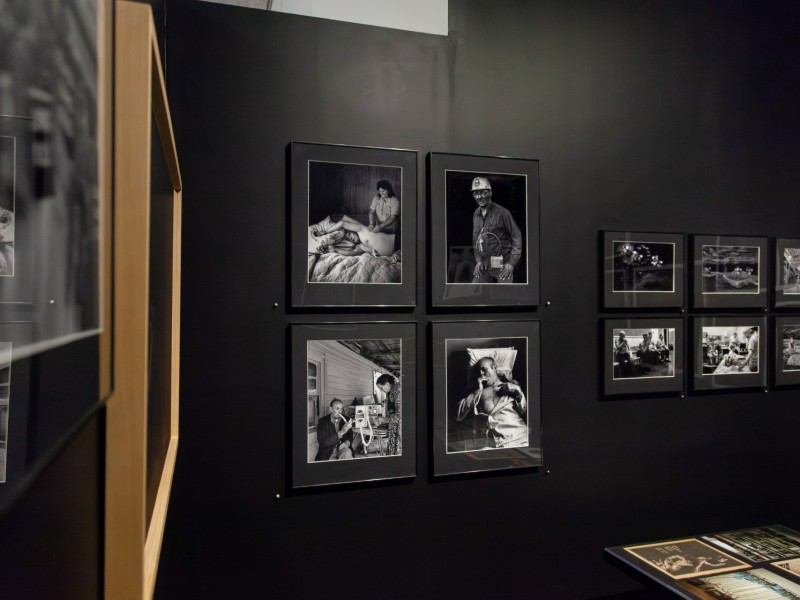
April 12, 1885: Photographer George James Kossuth was born. After opening his Wheeling studio in 1909, he achieved broad fame for his photos of the city and insightful portraits of world celebrities, including Richard Strauss, Jascha Heifetz, Leopold Stokowski, Clarence Darrow and Richard Nixon.
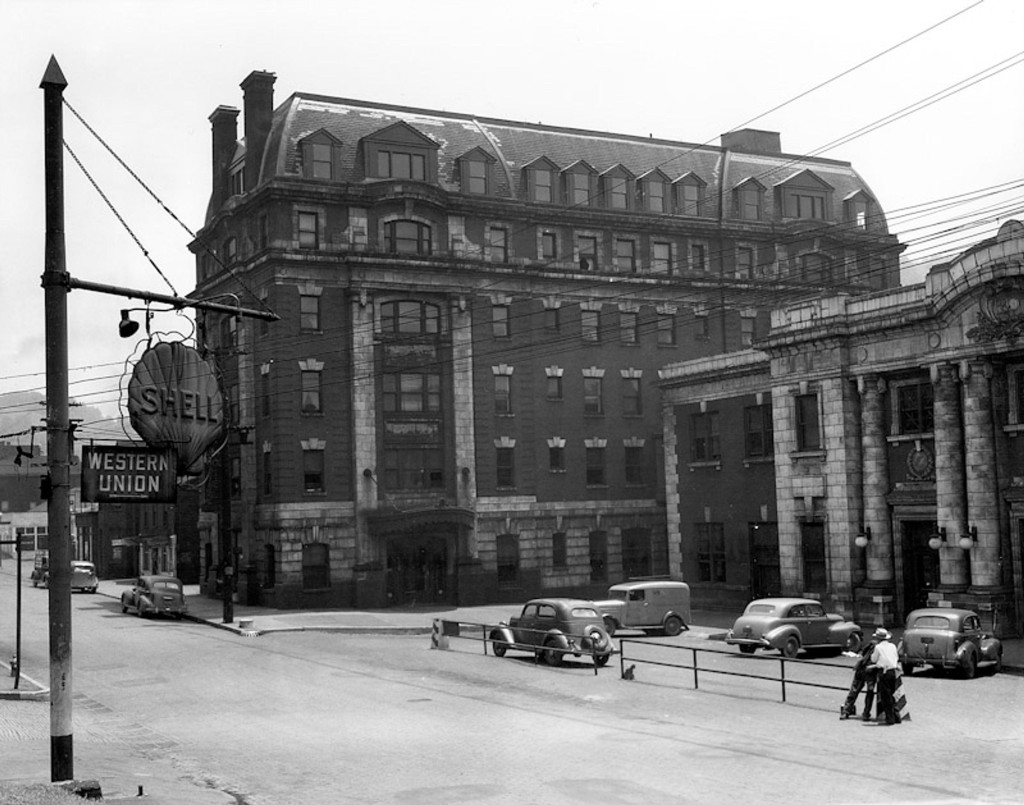
April 12, 1912: The grand Willard Hotel in Grafton officially opened with an elaborate banquet attended by Baltimore & Ohio (B&O) Railroad officials and state and local dignitaries.
April 13, 1873: Lawyer, diplomat and 1924 Democratic candidate for president John William Davis was born in Clarksburg. Davis argued 141 cases before the U.S. Supreme Court. His last case was one of the most controversial, when he argued in 1952 to continue racial segregation in South Carolina.
April 13, 1951: Sculptor Bill Hopen was born. The Sutton artist’s works appear in government buildings, museums, churches and hospitals around West Virginia, across the nation and abroad.
April 14, 1774: Surveyors met at the mouth of the Kanawha River to establish military bounty claims in Kentucky. They became involved in several skirmishes with Indians in the
region. This was the start of Dunmore’s War, the name given to the conflict in the Ohio Valley in the spring of 1774.
April 14, 1945: Twenty people were killed when a commercial airplane on its way to Morgantown flew off course and crashed into the side of Cheat Mountain.
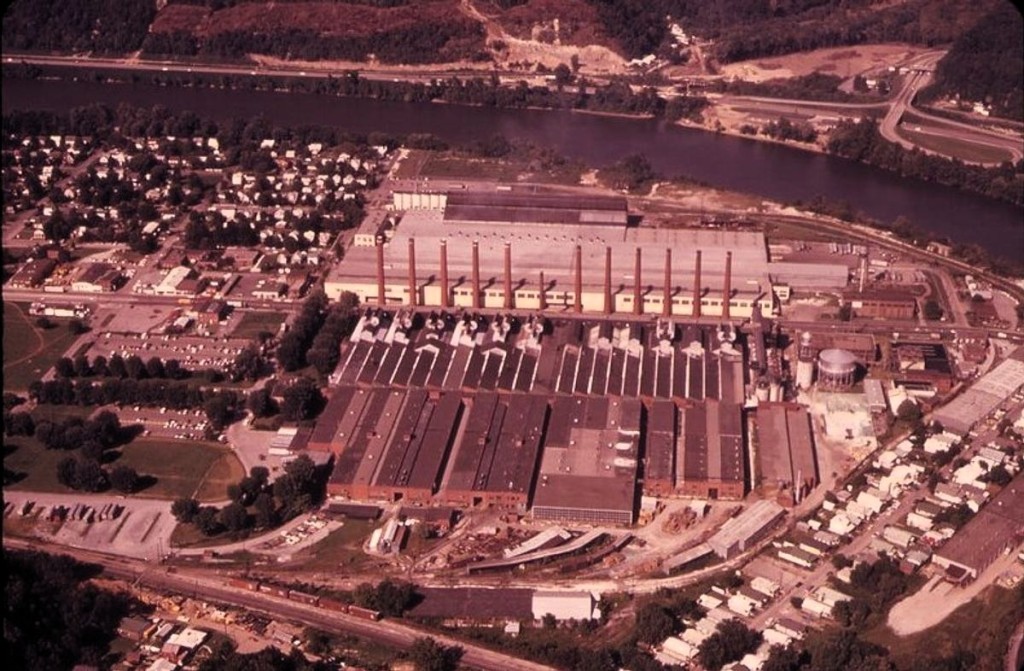
April 14, 1982: Twelve 135-foot-tall smokestacks were detonated at the former Libbey-Owens-Ford plant in Charleston. The factory, built in 1916, was the world’s largest sheet glass manufacturer in the 1920s. It shut down in 1980.
April 15, 1872: Peter Godwin Van Winkle died in Parkersburg. Van Winkle was a member of the Governor’s Council of the Reorganized Government of Virginia, 1861-63, under Gov. Francis Pierpont. On August 4, 1863, Van Winkle was elected as one of West Virginia’s first two U.S. senators.
April 16, 1829: Jacob Beeson Jackson was born in Parkersburg. In 1881, he became West Virginia’s sixth governor.
April 16, 1894: Leonard Riggleman was born in a Randolph County cabin. As president of Morris Harvey College (now University of Charleston), he moved the school to Charleston in 1935 and led the college to accreditation in 1958.
April 16, 1923: Arch Moore was born in Moundsville. He was the first governor in 100 years to serve a second term, and he returned later for a third. He also was the second former governor to serve federal prison time.
April 17, 1827: Outdoorsman William “Squirrelly Bill” Carpenter was born on the Elk River near the mouth of Laurel Creek, Braxton County. Carpenter guided prominent West Virginians, including Gov. MacCorkle, through the wonders of the Elk Valley.
April 17, 1861: Delegates to a special convention in Richmond voted for Virginia to secede from the Union, subject to approval by a public referendum. This decision also set in motion the process that would lead to the creation of West Virginia.
April 17, 1871: West Virginians approved the Flick Amendment, restoring voting rights to former Confederates. Although the amendment also applied to formerly enslaved people, they had already been granted suffrage under the Fifteenth Amendment to the U.S. Constitution.
April 17, 1924: A fire destroyed much of downtown Franklin, the Pendleton County seat.

April 17, 1972: Actress Jennifer Garner was born in Houston, Texas. Growing up in Charleston, she appeared in theater and ballet productions before becoming a television and film star.
April 18, 1756: The largest battle fought in Virginia during the French and Indian War occurred at Fort Edwards in Hampshire County.
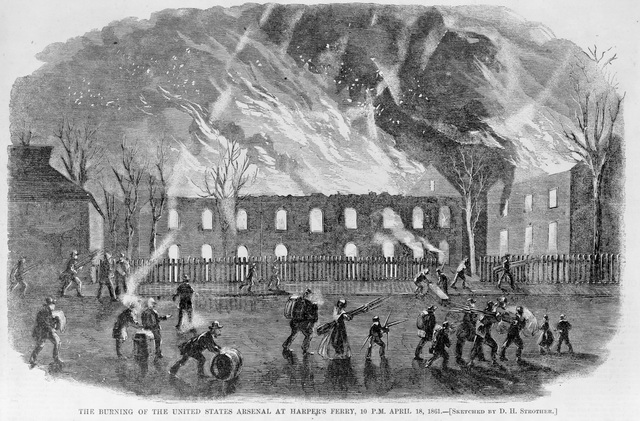
April 18, 1861: At the start of the Civil War, retreating U.S. troops set fire to the national armory and arsenal at Harpers Ferry to prevent them from falling into Confederate hands. Virginia militia extinguished the flames, salvaged much of the weapon-making equipment and sent it south before ultimately destroying the site in June 1861.
April 18, 1912: The Paint Creek-Cabin Creek Strike of 1912–13 began in Kanawha County when coal operators rejected union workers’ demands for higher wages. The ensuing strike became one of the most dramatic and violent episodes in the early 20th-century labor struggles in southern West Virginia, collectively known as the Mine Wars.
e-WV: The West Virginia Encyclopedia is a project of the West Virginia Humanities Council. For more information contact the West Virginia Humanities Council, 1310 Kanawha Blvd. E., Charleston, WV 25301; (304) 346-8500; or visit e-WV at www.wvencyclopedia.org.
Author