Ramps rooted in tradition: How a wild plant brings West Virginia communities together
By Hannah Yost, The Real WV
Each spring in West Virginia, the smell of ramps — pungent, earthy, unmistakable — signals more than just the start of a new season. It marks the return of a tradition that has brought communities together for generations.
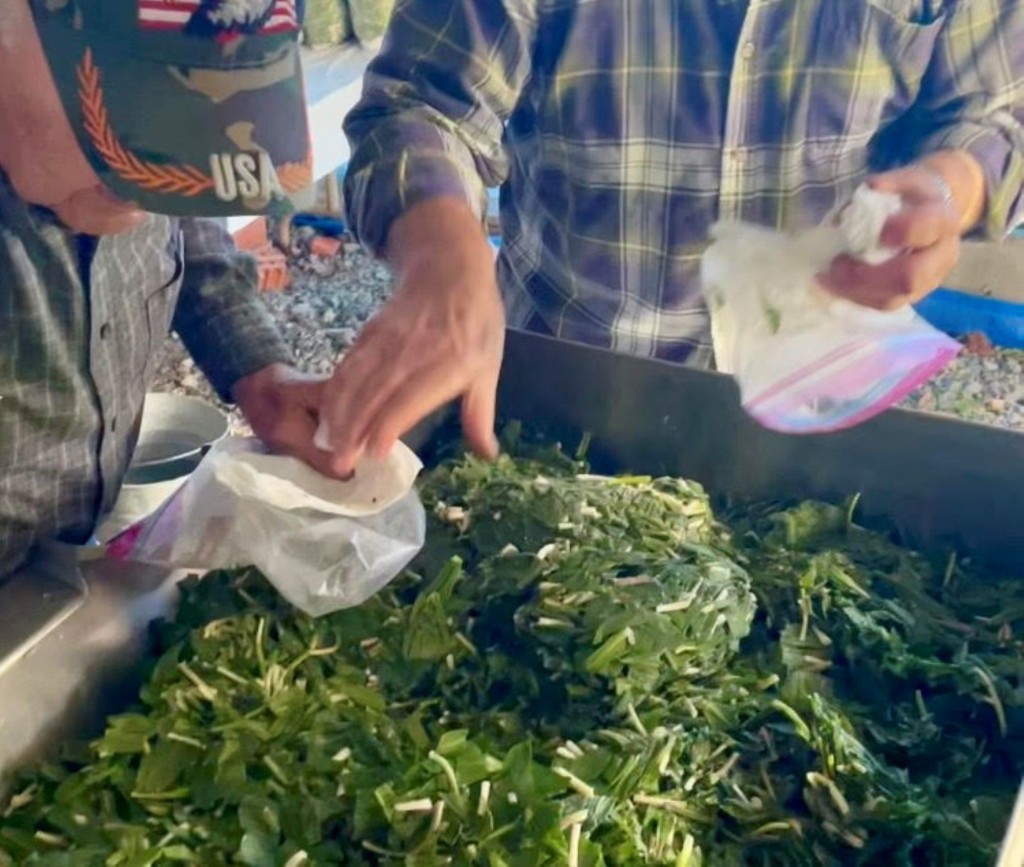
Ramp dinners and festivals, held across the state, are more than seasonal events. They are deeply rooted in Appalachian culture, offering a glimpse into a way of life centered on food, fellowship, and shared history.
According to West Virginia Explorer, dozens of ramp dinners and festivals take place each year, many organized by churches, fire departments, and local groups. A running list of events compiled by David Sibray, a realtor, historian, and publisher of West Virginia Explorer, can be found here: https://wvexplorer.com/recreation/agritourism/ramp-dinners-festivals/.
“It’s long been the tradition of the ramp feast,” Sibray said. “It was carried out by churches and community organizations, and it still has this wonderful and meaningful reason for being. What a great reason for having dinner.”
The tradition dates back to early settlers, who would gather in the spring to harvest and share ramps — one of the first edible plants to emerge after winter. Unlike many harvest festivals that take place in the fall, West Virginia’s ramp festivals are unique in their focus on a single wild plant.
“I think it would be interesting for people to know there’s a whole series of festivals that surround an edible plant,” Sibray said.
While some ramp dinners declined in the years leading up to the COVID-19 pandemic, Sibray said interest has grown significantly in recent years.
“Prior to COVID, it was something that was dwindling,” he said, noting that many longtime hosts, particularly smaller churches, struggled to continue the tradition. “But post-COVID, there’s been more demand — from tourists and new residents — to experience this cultural phenomenon.”
That renewed interest reflects a broader shift in how people view West Virginia.
“We are in a new West Virginia — it’s built on the old,” Sibray said. “People are starved for authenticity and community. When you come in as an outsider and people look you in the eye, shake your hand, invite you to dinner — it’s meaningful.”
For those who have never attended a ramp dinner, the experience is about more than the food.
“It’s a cultural experience,” Sibray said. “It’s going and meeting with a lot of like-minded people. It’s a down-home type of event.”
Often held in church halls or community spaces, ramp dinners recreate a slower, more connected way of life — one that harkens back to Appalachian springs a century ago.
“It’s a chance to sit down and talk to your neighbors you hadn’t seen all winter long,” he said.
And, of course, there are the ramps themselves.
Known for their strong, garlicky flavor, ramps are a defining part of the experience — one that attendees come to associate with the tradition as a whole.
“Nothing quite beats the pungent flavor of the ramp,” Sibray said.
Today, ramp festivals remain a statewide effort, continuing to evolve while staying rooted in tradition. Some events come and go, but each year brings new gatherings and renewed interest.
For many West Virginians — and those discovering the tradition for the first time — ramp dinners offer something increasingly rare: a genuine sense of connection.