
Real West Virginian of the Week: Paula Humphrey offers trauma-informed healing through A SET CHANCE
By Hannah Yost, RealWV
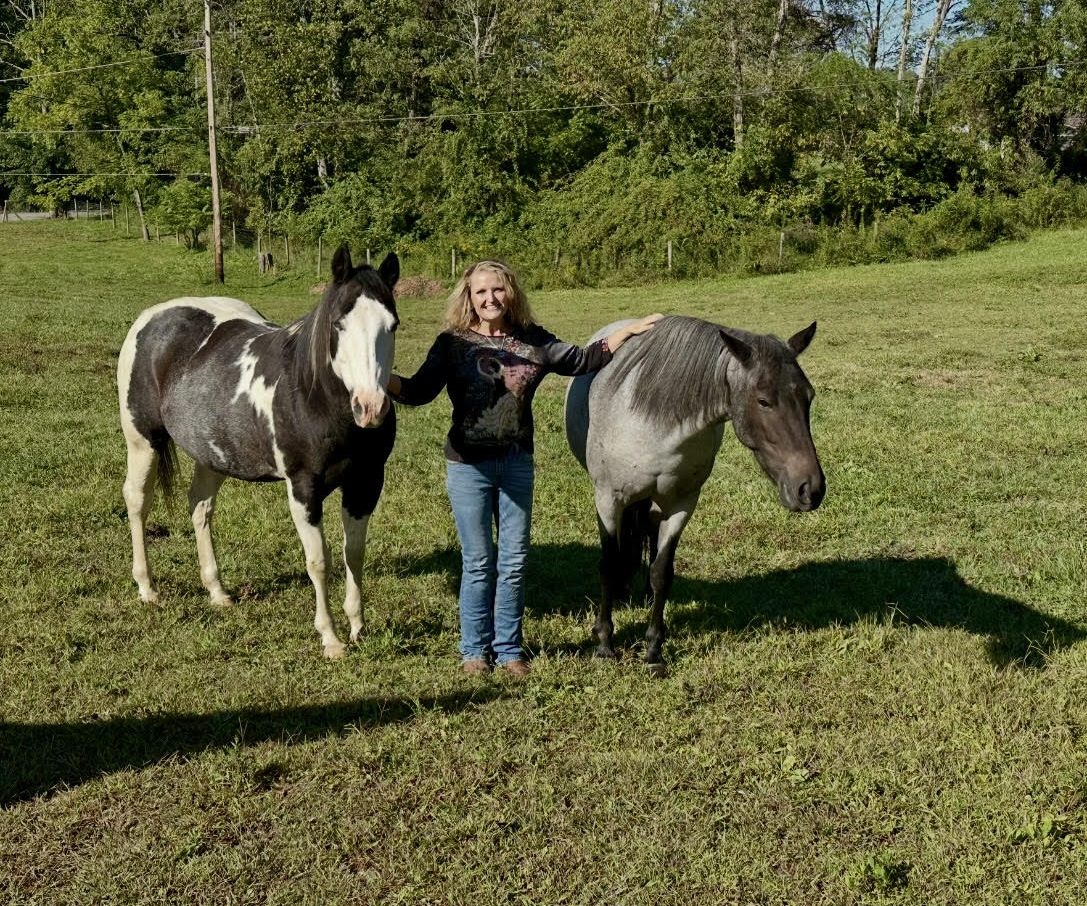
OAK HILL, W.Va. — For Paula Humphrey, healing begins with safety, connection, and the belief that every person deserves a chance.
Humphrey is a licensed independent clinical social worker and the founder of A SET CHANCE in Oak Hill, where she provides trauma-informed care, EMDR and equine-assisted psychotherapy for individuals and families.
“My journey into this field began long before my professional career,” Humphrey said. “I have personally experienced the impact trauma, adversity, and life challenges can have on individuals and families, and I knew early on that I wanted to help people find healing, safety, and hope.”
Over the years, Humphrey pursued advanced clinical training in trauma-informed care, EMDR, and equine-assisted psychotherapy. She said she wanted to offer approaches that go beyond talking about pain and help people understand how trauma affects the nervous system, relationships, emotions, and the body.
“My work today is centered around creating a space where people feel seen, safe, and empowered in their healing journey,” she said.
Humphrey founded A SET CHANCE on the belief that every person deserves the opportunity to heal, grow, and succeed when given the right support and environment. The name stands for “Every Being Can Succeed if Given a Set Chance.”

“I wanted to create something different — a place where people could experience compassionate, trauma-informed care in a setting that feels less clinical and more grounded, authentic, and connected,” Humphrey said.
Horses became part of that vision because of their ability to help people feel emotionally safe, present, and regulated. According to Humphrey, equine-assisted psychotherapy combines traditional clinical therapy with the therapeutic presence and interaction of horses. It is not horseback riding lessons or recreational horse activities, but a structured therapeutic process led by a licensed mental health professional, often alongside an equine specialist.
“The horses become part of the therapeutic environment and help clients explore emotions, relationships, communication patterns, boundaries, trust, and nervous system responses in real time,” Humphrey said.
Most sessions are ground-based and may involve grooming, leading, observing, or simply being present with the horses. Clients do not need prior horse experience.
Humphrey said some of the most meaningful moments happen quietly — standing beside a horse, practicing grounding techniques, learning to regulate breathing, or experiencing connection without judgment.
A SET CHANCE also combines equine-assisted work with EMDR, or Eye Movement Desensitization and Reprocessing, a trauma-focused therapy that helps the brain process distressing experiences in a healthier way. Humphrey said she also uses approaches connected to EquiLateral, an equine-assisted EMDR protocol that integrates bilateral movement, mindfulness, grounding, and the horse-human connection.

“The horses can help clients remain present and emotionally regulated while working through difficult experiences,” Humphrey said. “This combination often allows clients to process trauma in a way that feels safer, more embodied, and less overwhelming than traditional office-based therapy alone.”
For people working through trauma, anxiety, grief, chronic stress, or major life challenges, Humphrey said equine-assisted psychotherapy can offer a different pathway into healing.
“Trauma is not just stored in thoughts — it is often stored in the nervous system and body,” she said. “Many people struggling with trauma, anxiety, grief, or chronic stress may intellectually understand their experiences but still feel emotionally stuck.”
Through interactions with horses, clients can slow down, reconnect with themselves, and become more aware of what their bodies are communicating. Humphrey said horses offer immediate, honest feedback without judgment, which can make the process feel less intimidating than traditional office-based therapy.
For Humphrey, making trauma-informed mental health care available in rural communities is an important part of her work. Rural areas can face barriers such as limited access to providers, stigma surrounding therapy, transportation issues, and a lack of specialized trauma services.
“People in rural areas deserve access to high-quality, compassionate care that understands both trauma and the realities of their community,” Humphrey said. “My hope is to help bridge some of those gaps by offering services that feel approachable, relational, and accessible while still providing clinically informed treatment.”
A SET CHANCE serves children, adolescents, adults, families, veterans, and individuals navigating trauma, anxiety, depression, grief, life transitions, and emotional regulation challenges. Humphrey also works with people who feel disconnected from traditional therapy environments and are looking for a more experiential, relationship-based approach to healing.
Her passion for the work comes from both personal and professional experience.
“I understand what it feels like to move through hardship, self-doubt, and painful experiences while trying to find stability and healing,” Humphrey said.
Over time she realized healing often happens in relationships built on safety, authenticity, and compassion — not judgment. Horses became part of her own understanding of grounding, connection, and emotional awareness, eventually shaping the vision for A SET CHANCE.
“This work is more than a career to me,” Humphrey said. “It is something I deeply believe in because I have witnessed the impact that being seen, supported, and given a genuine chance can have on a person’s life.”
Humphrey said she hopes people who come to A SET CHANCE feel safe, welcomed, understood, and accepted exactly as they are.
“I want clients to know they do not have to ‘have it all together’ to begin healing,” she said. “My goal is to create an environment where people feel less alone, more connected to themselves, and hopeful about their future.”
As the practice continues to grow, Humphrey hopes to expand access to equine-assisted psychotherapy, trauma-informed services, community partnerships, and support programs for underserved populations. She also hopes to continue developing services that integrate EMDR, nervous system regulation, and experiential healing approaches while increasing mental health accessibility in rural West Virginia.
Above all, Humphrey hopes people understand that healing is possible and that seeking support is not a sign of weakness.
“Mental health care should be accessible, compassionate, and tailored to the individual — especially in communities where people may feel isolated or hesitant to ask for help,” Humphrey said. “West Virginia is filled with resilient people, and there is strength in reaching out, building connections, and allowing yourself the opportunity to heal.”

Know someone who should be featured? Email your nomination to news@therealwv.com.
Related Articles

Real West Virginian of the Week: Stacie Dei — Investing in the people who build West Virginia
When Stacie Dei talks about the future of West Virginia, she doesn’t begin with buildings, businesses, or economic development. She begins with people.
Real West Virginians of the Week: Mike Costello and Amy Dawson — Bringing Appalachian food traditions back to the table
Mike Costello and Amy Dawson have built their lives around a simple idea: The food of Appalachia is worth preserving, sharing, and celebrating.
Real West Virginian of the Week: Chef Paul Smith — Bringing people to the table and to West Virginia
For Chef Paul Smith, food has always been about more than what’s on the plate.