THIS WEEK IN WV HISTORY: May 10–16
Presented by the WV Humanities Council,
Charleston WV – The following events happened on these dates in West Virginia history. To read more, go to e-WV: The West Virginia Encyclopedia at www.wvencyclopedia.org.
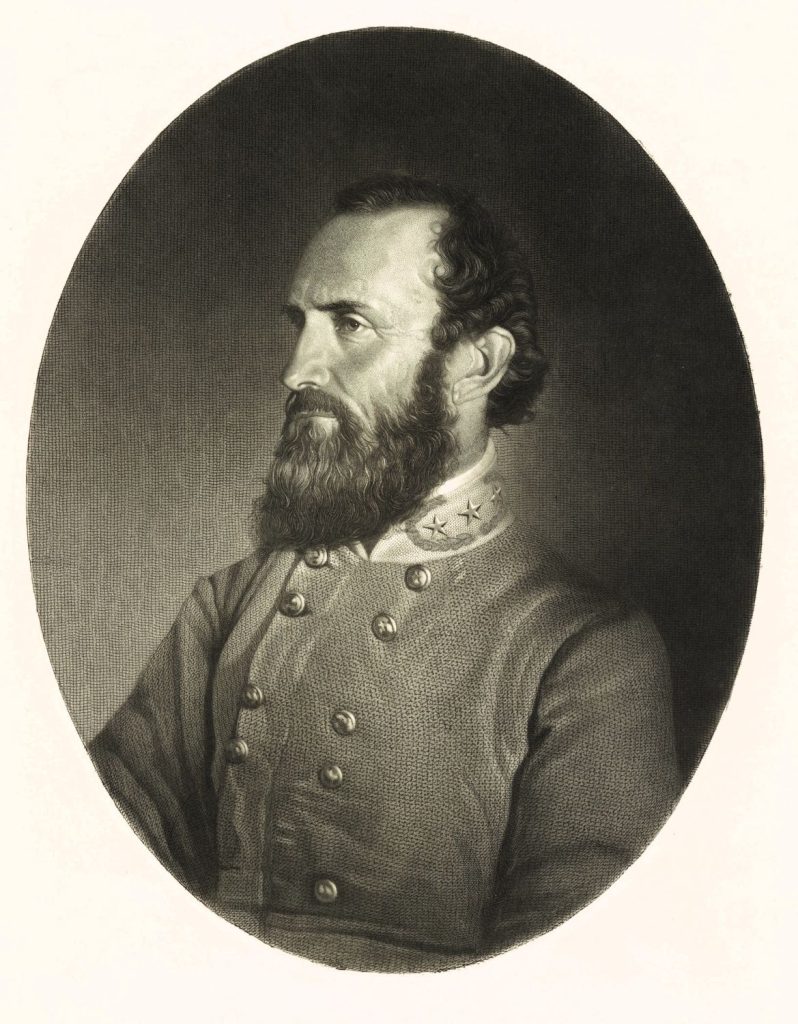
May 10, 1863: Just before dying of wounds suffered at the Battle of Chancellorsville, Stonewall Jackson uttered the words, “Let us cross over the river and rest under the shade of the trees.” He is buried in the Stonewall Jackson Cemetery in Lexington, Virginia.
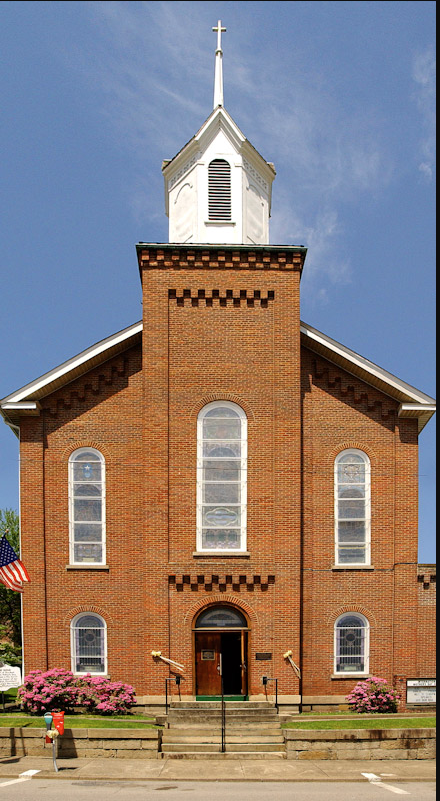
May 10, 1908: The first official observances of Mother’s Day were held at Andrews Methodist Episcopal Church in Grafton and later that day in Philadelphia. The holiday resulted from a vigorous campaign by Anna Jarvis, who wanted to commemorate the spirit of her mother’s life and work.
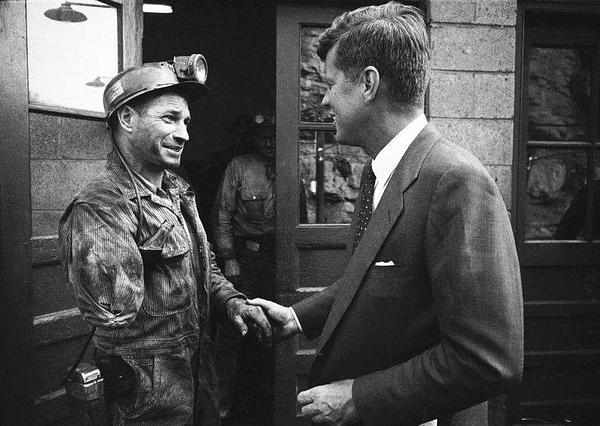
May 10, 1960: John F. Kennedy defeated Hubert Humphrey in the West Virginia primary. It dispelled the widely held belief that being a Roman Catholic was an insurmountable obstacle to becoming president.
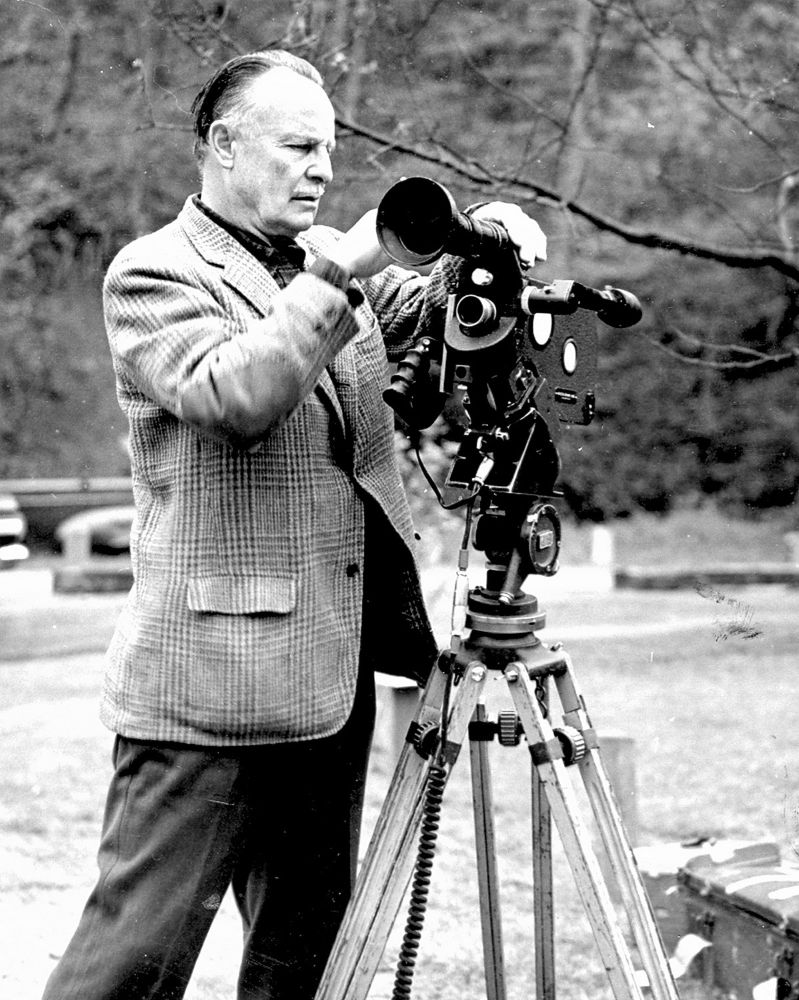
May 11, 1909: Filmmaker Ellis Dungan was born. After years of working in the feature film industry in India, he settled in Wheeling, where he shot documentaries and produced films for the state and the region.
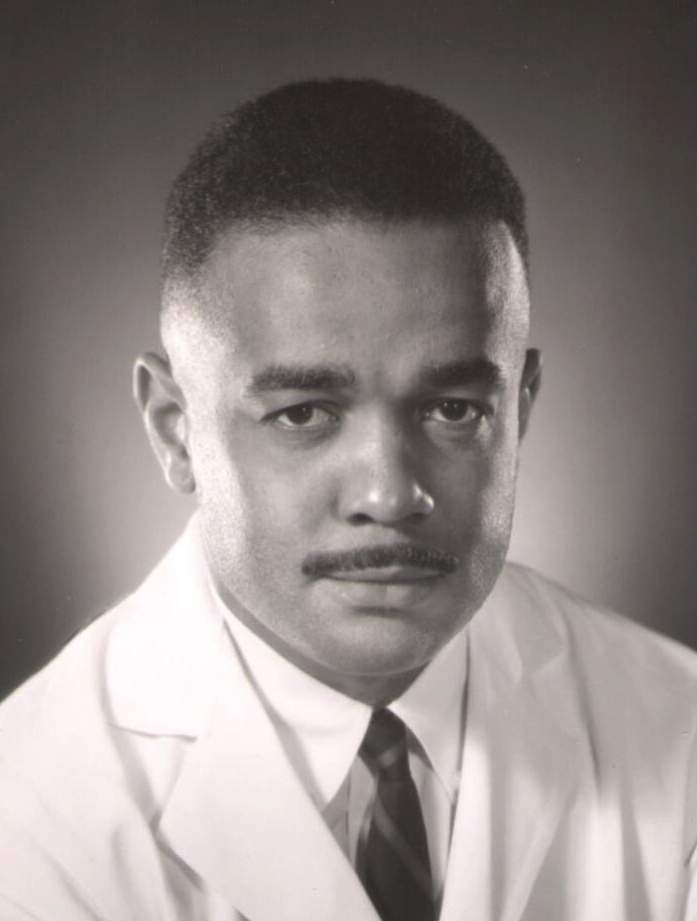
May 11, 1930: Physician John C. Norman, Jr., was born in Charleston. A noted thoracic and cardiovascular surgeon and researcher, he was best known for his work toward creating an artificial heart.
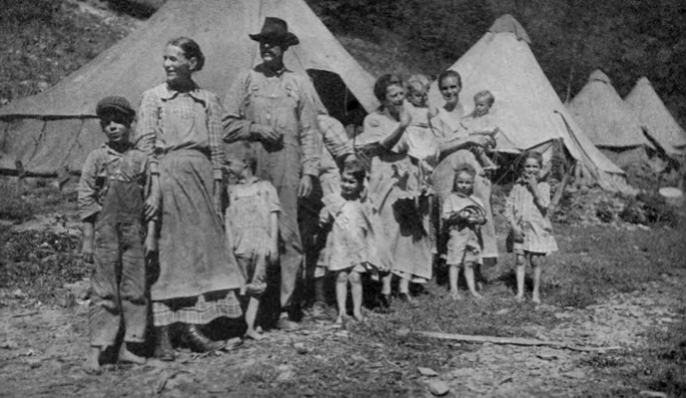
May 12–14, 1921: Bullets peppered down on about a dozen mining towns in the Matewan-Williamson area of Mingo County, and nonunion miners fired back, in what became known as the Battle of the Tug. Three people were shot and killed.
May 13, 1962: Editorial cartoonist Henry Payne was born in Charleston. In 1989, Payne was the first editorial cartoonist in the country to make his work available via computer.
May 14, 1878: Photographer Rufus “Red” Ribble was born in Blacksburg, Virginia. For nearly 40 years he traveled the coalfields making panoramic photographs of miners, towns, family reunions, church congregations and school groups.
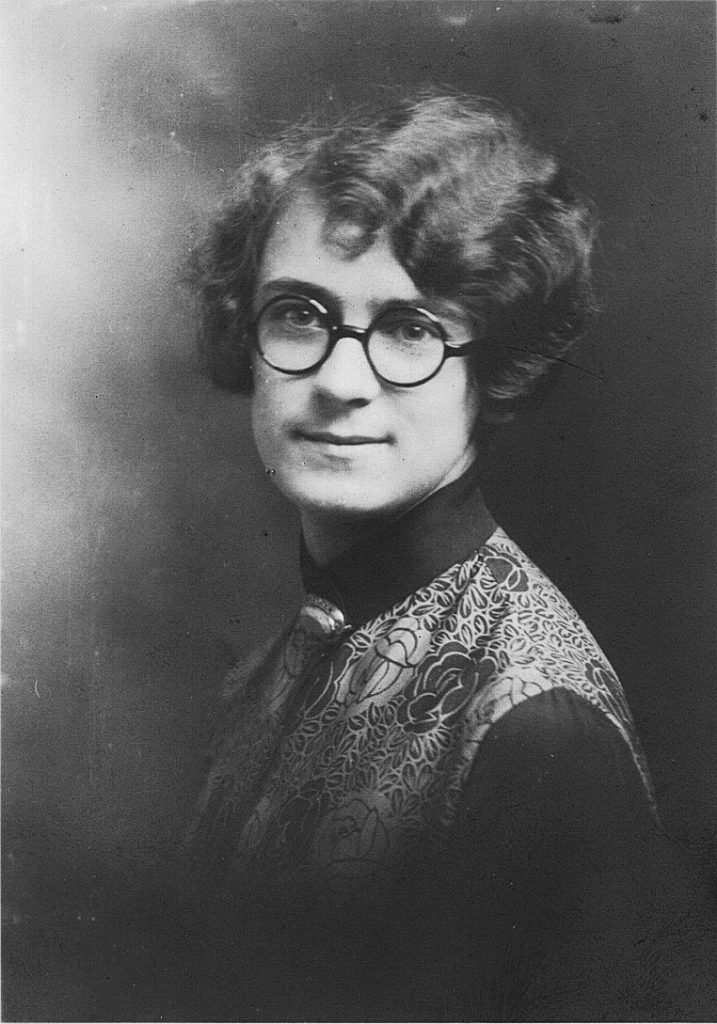
May 14, 1906: Social reformer Mary Behner was born in Xenia, Ohio. From 1928 until 1937, Behner worked in the coal camps along Scotts Run near Morgantown, fighting poverty and creating social and educational outlets for families.
May 15, 1880: The state’s first telephone exchange was placed in service in Wheeling with about 25 subscribers.
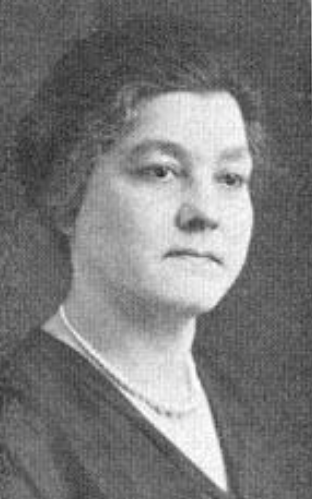
May 15, 1886: Minnie Buckingham Harper was born in Winfield. She was the first Black woman to serve as a member of a state legislative body in the United States. She was appointed by Governor Howard Gore on January 10, 1928, to fill the unexpired term of her husband, E. Howard Harper.
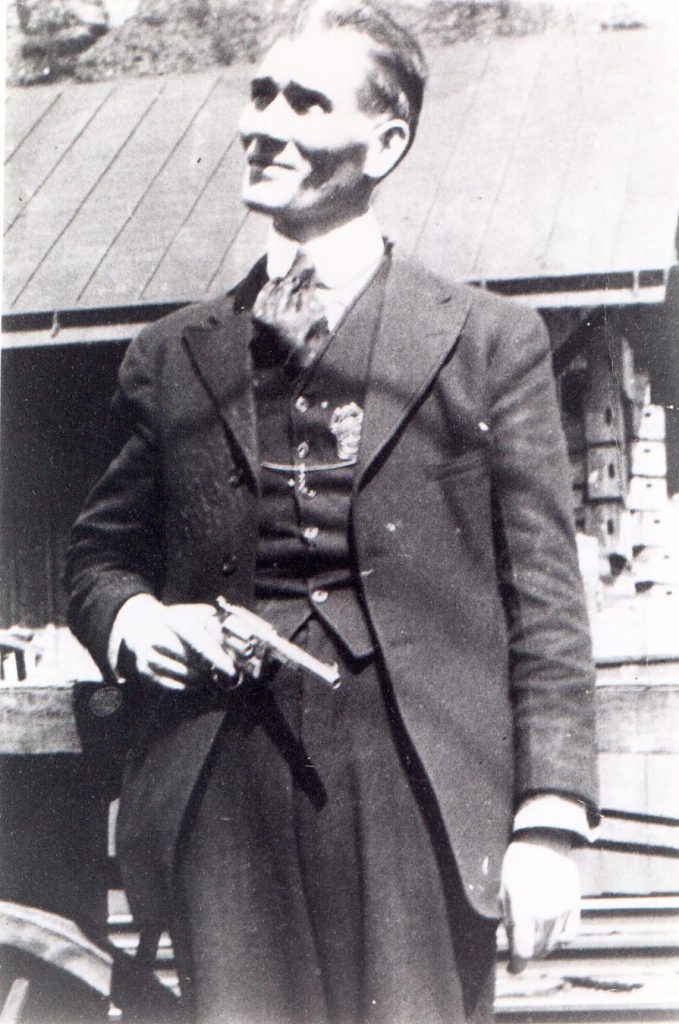
May 15, 1893: Albert Sidney “Sid” Hatfield, controversial police chief of Matewan and martyred hero to union coal miners, was born near Matewan, on the Kentucky side of Tug Fork.
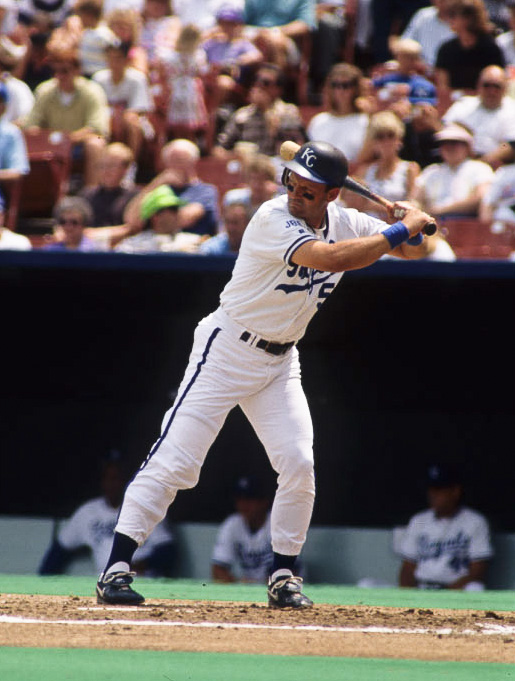
May 15, 1953: George Brett, the Hall of Fame third baseman for the Kansas City Royals, was born in Glen Dale in Marshall County. Along with Hank Aaron, Willie Mays, Stan Musial, and Miguel Cabrera, he is one of only five players in Major League history to accumulate 3,000 hits, 300 home runs and a .300 career batting average.
May 16, 1778: About 300 Wyandot and Mingo Indians attacked Fort Randolph at Point Pleasant. Unable to take the fort, they proceeded up the Kanawha River toward other settlements.
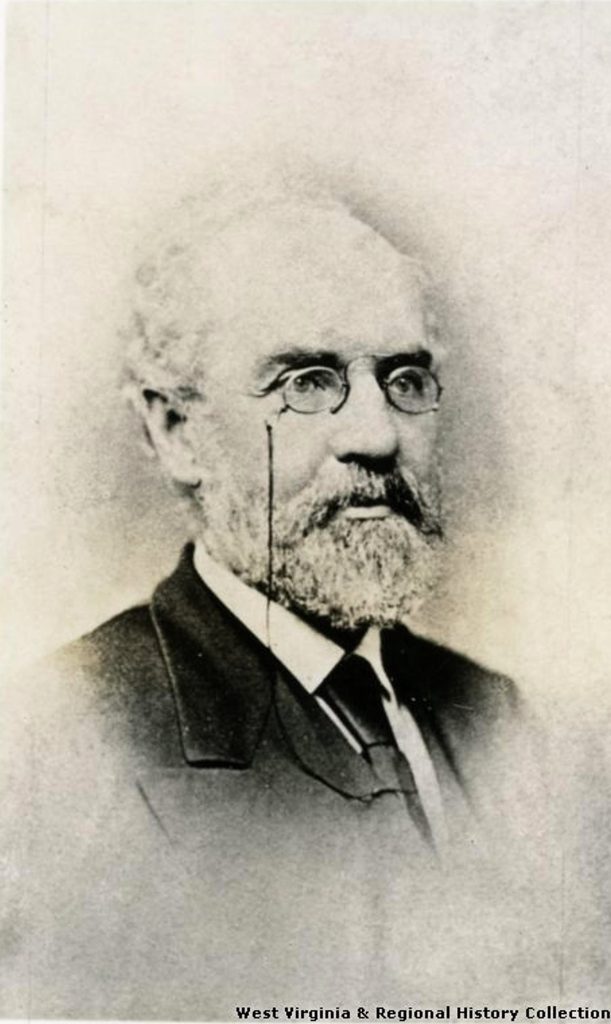
May 16, 1815: Politician Alexander Boteler was born in Shepherdstown. He served in both the U.S. and Confederate congresses, was a key adviser to “Stonewall” Jackson and co-founded what is now Shepherd University.
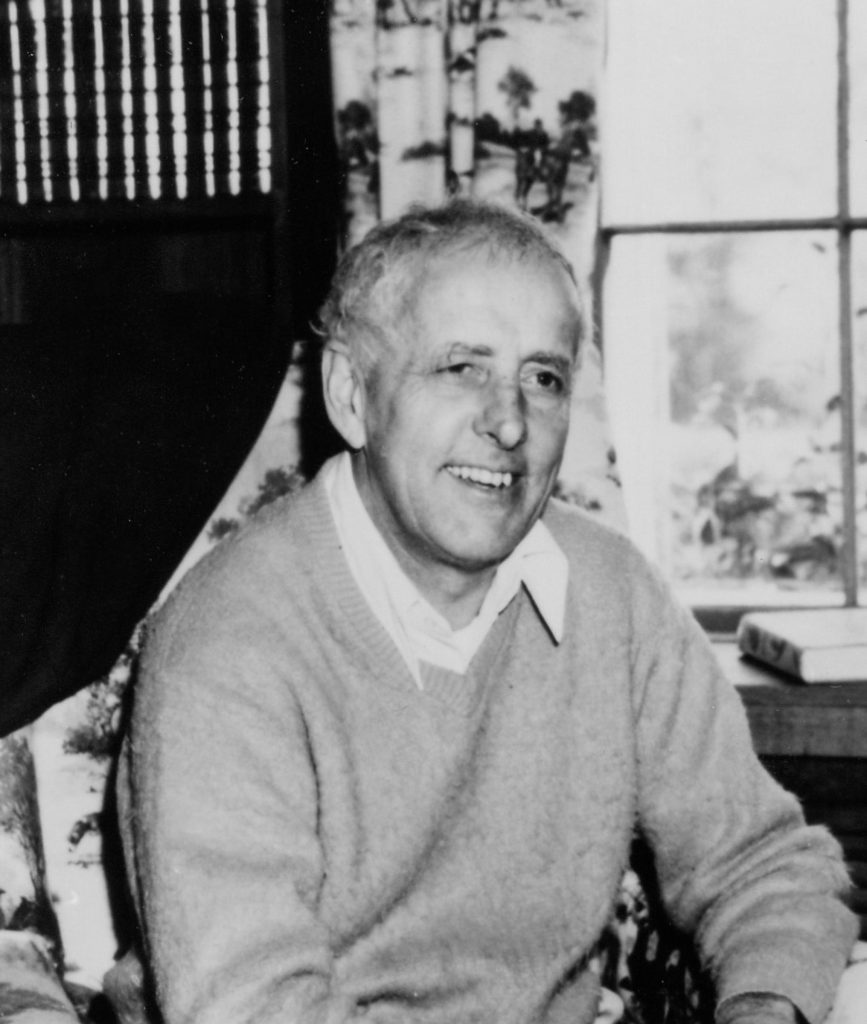
May 16, 1925: Author Henry William Hoffman was born in Charleston. His first novel, The Trumpet Unblown, was based on his time as a medic during World War II. His short stories earned him the O. Henry Award and inclusion in Best American Short Stories.
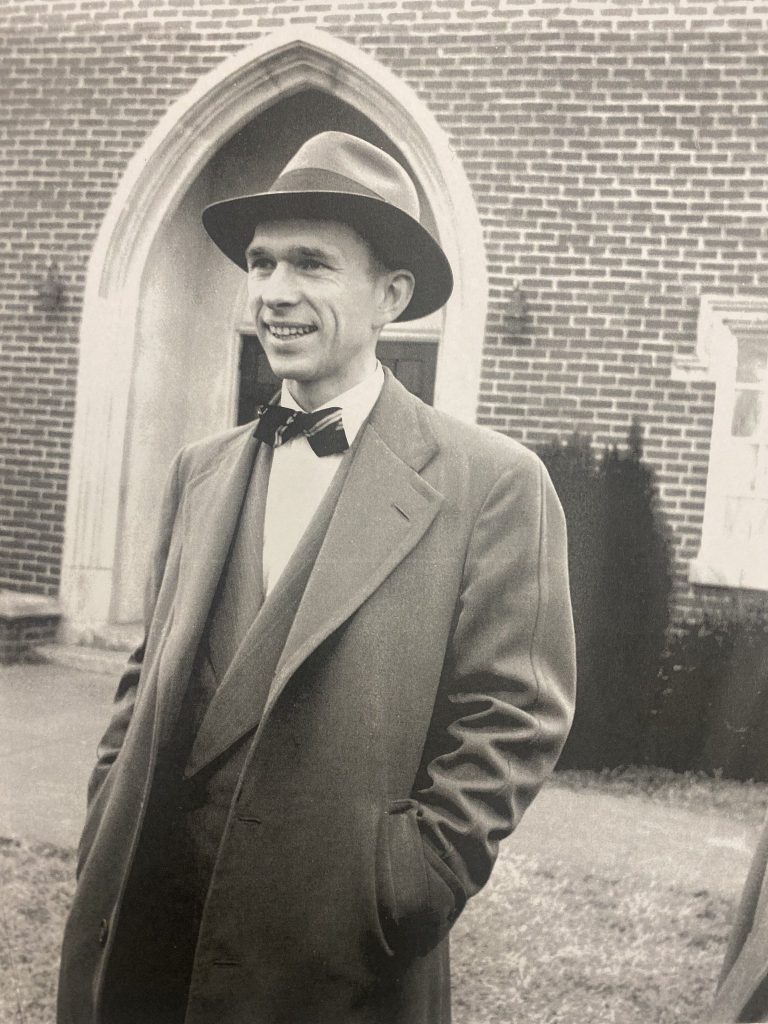
May 16, 1928: Minister Robert Graetz Jr. was born in Clarksburg. He helped organize the Montgomery bus boycott and was the only White minister in the highly segregated Alabama city to support the boycott publicly.e-WV: The West Virginia Encyclopedia is a project of the West Virginia Humanities Council. For more information contact the West Virginia Humanities Council, 1310 Kanawha Blvd. E., Charleston, WV 25301; (304) 346-8500; or visit e-WV at www.wvencyclopedia.org.
Author