Real West Virginian of the Week: Janet Hinton helps shape the future of rural health care in West Virginia
By Hannah Yost, RealWV
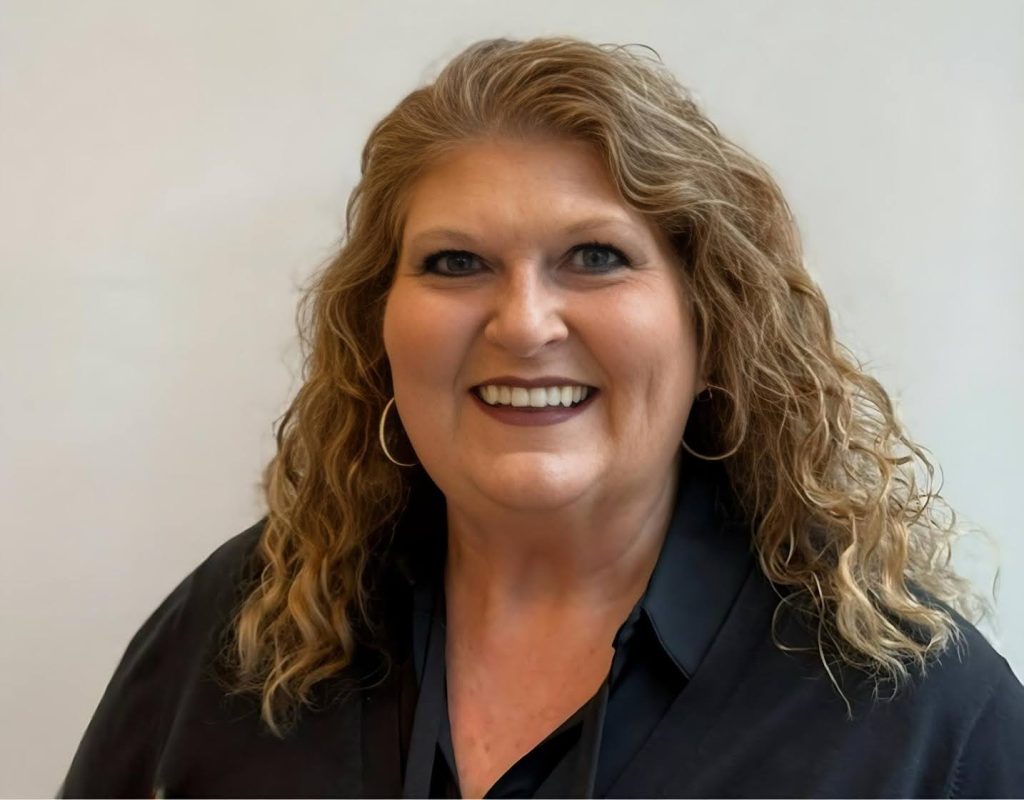
LEWISBURG, W.Va. — For Janet Hinton, serving rural West Virginia is personal.
A lifelong West Virginian, Hinton was born and raised in Hinton, a small rural town named after her ancestors. She said she cannot imagine building a life anywhere else.
“I love our mountain state,” Hinton said. “We have such natural beauty, and the people here are amazing. Your neighbors and friends often become your family.”
That love for West Virginia helped shape a career centered on rural health, emergency response, medical education, and service to communities that often face barriers to care.
Hinton first began taking classes at Beckley College in 1995, knowing she wanted to work in health care but unsure of the exact path she would take. At the time, her brother was a firefighter in Hinton, and watching him serve the community helped point her toward emergency medical services.
“Seeing how he helped the community with his fire experience was an inspiration,” Hinton said. “Going on calls and noticing what EMS did at accident scenes and how they helped in emergency situations really got my adrenaline going. I knew I wanted to do whatever I could to help others in my community.”
Years later, after working in a small rural health clinic, Hinton said she came to understand that health care needs in rural communities went beyond emergency response. Patients in small towns needed access to primary care, transportation, referrals to specialists, and support navigating a health care system that can be difficult to reach from rural areas.
That understanding eventually became part of her work at the West Virginia School of Osteopathic Medicine. Hinton started at WVSOM in November 2011 as director of the Rural Health Initiative (RHI) program. When she came on board, several physicians had already developed a team to write a grant for RHI funding through the West Virginia Higher Education Policy Commission.
The early plan outlined ways to recruit and retain rural primary care physicians in West Virginia. It included recruitment from high school and undergraduate programs, a program for medical students interested in rural primary care, and financial assistance for students who matched into West Virginia primary care residencies. Hinton said the curriculum for each part of the program had to be developed over several years, and some of the programs originally created are still in existence today.
According to the 2025 West Virginia Health Sciences and Rural Health Report, WVSOM’s Rural Health Initiative is designed to enhance the rural primary care curriculum and produce graduates uniquely qualified to practice in underserved communities in West Virginia. In addition to rural training opportunities available to all students, WVSOM operates an intensive RHI program for students with the strongest interest in rural practice.
For Hinton, one of the most meaningful parts of the early RHI work was helping students understand rural West Virginia beyond a classroom, clinic, or textbook.
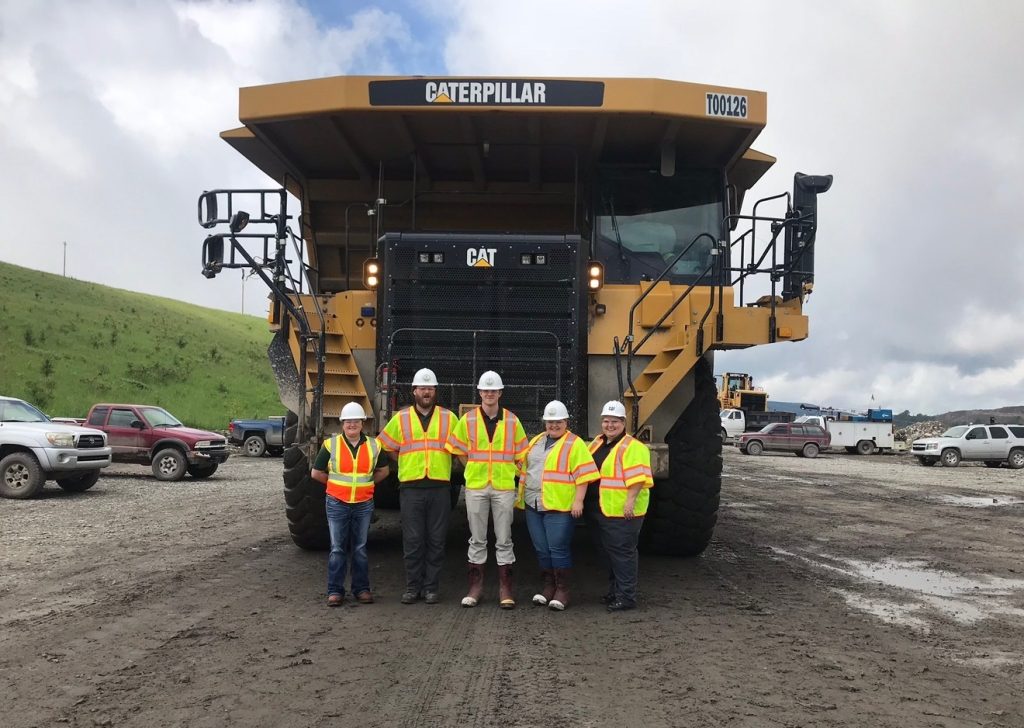
She said some people questioned why medical students would be taken into coal mines or into the woods to learn about timber and logging industries. But Hinton believed those experiences mattered.
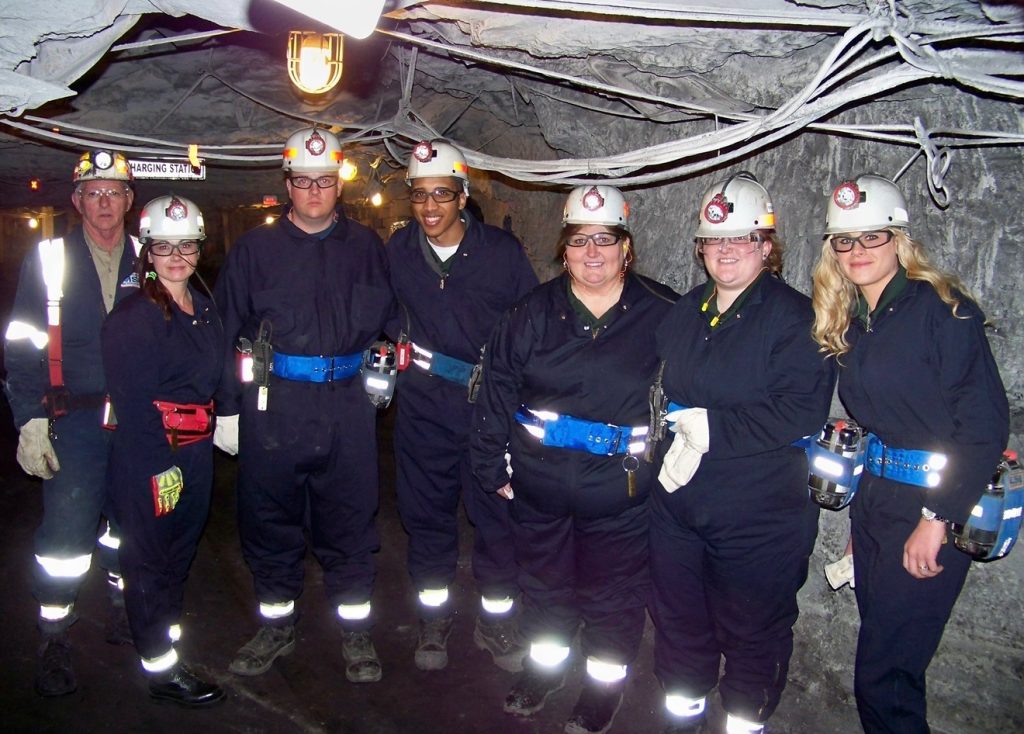
“I am so glad they did,” Hinton said of WVSOM’s willingness to try those ideas.
Those experiences, known as RHI Industry Activities, connect students with state industries so they can better understand environmental exposures that may cause injury or disease in rural patients. Hinton said that knowledge can help build stronger connections between physicians and the patients they serve.
The 2025 report lists six RHI industry activities held during fiscal year 2024-25, including agriculture health and safety, coal mining safety, a coal mine tour, RHI at the Capitol, and Appalachia Off the Grid.
The program also continues to focus on student training, rural rotations, and retention. According to the report, RHI students complete rotations in six WVSOM Statewide Campus regions, and 11 hospitals served as RHI base sites in rural or underserved areas during the 2024-25 academic year. Multiple WVSOM students also used shared housing for rural or underserved rotations in West Virginia, totaling 710 weeks of use.
The Rural Physician Service Program also selected four WVSOM students to receive $22,000 each in exchange for a one-year commitment to practice in eligible rural or underserved areas in West Virginia. Six of the 16 RHI program graduates from WVSOM’s Class of 2025 also received $4,000 sign-on incentives for acceptance into primary care or emergency medicine residencies in West Virginia.
For Hinton, the numbers matter, but so do the individual students behind them. One of her proudest accomplishments has been watching students move through each phase of the process — from high school pipeline events to undergraduate programs like the Green Coat Program, then into medical school, RHI experiences, West Virginia residencies, and, eventually, rural practice.
“Seeing those physicians who went through each phase and are so successful now helping patients in rural areas of West Virginia makes me so proud,” Hinton said.
The need for that work remains clear. The 2025 report states that West Virginia’s three state-funded medical schools enroll more medical students per capita than any other state in the country. During the 2024-25 academic year, 38 percent, or 157 of the 418 first-year students enrolled at the state’s three medical schools, were West Virginia residents. In 2025, 30 percent, or 60 West Virginia medical school graduates, chose primary care residencies in the state, a rate above the national average.
At WVSOM specifically, 105 graduates from the Class of 2025, or 56 percent, chose primary care residencies. The school also reported 810 total medical students during the 2024-25 academic year.
Hinton said working with students has shaped the way she thinks about rural medicine and the future of health care in West Virginia.
“I love to teach and I love to learn,” she said. “Working with students is so rewarding. They taught me a lot over the years.”
Through her years on the patient care side, Hinton said she understood what patients in rural communities needed. Working with future physicians gave her the chance to help students better understand that perspective and combine it with their medical training.
Today, Hinton works with the Wilderness and International Medicine Department at WVSOM. Hinton left RHI and became the director of Rural Outreach in October 2018. Wilderness medicine has been part of her passion for nearly 12 years, and she credits Dr. Lisa Hrutkay, the former director of Wilderness Medicine, with inspiring her through her expertise and commitment to students and residents. “This is another opportunity that other medical schools or residencies do not offer,” Hinton said.
Recently, Hinton transitioned to the Rural and International Medicine Department under Dr. Mark Waddell. Hinton said she is looking forward to working with him and learning more under his guidance and expertise.
Hinton said both wilderness and international programs can be used to provide care to patients in rural and underserved areas of West Virginia.
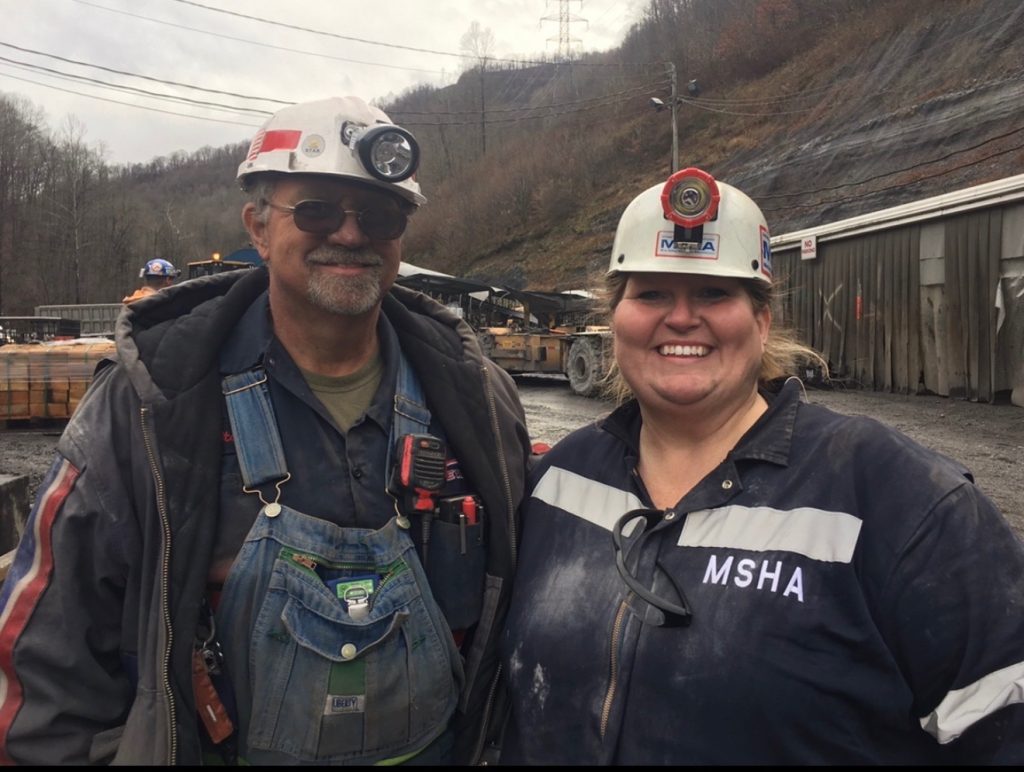
Her experience as an EMT also continues to influence the way she approaches health care education.
“I quickly learned that my brothers and sisters in EMS are forever part of my family,” Hinton said. “They go out in all kinds of conditions to save and rescue others, despite many obstacles. They often never get much thanks.”
Hinton said she wants medical students to understand that caring for patients takes a full health care team, including EMS workers, firefighters, local health departments, and others who respond during emergencies.
“I want to bring to the table what I learned in EMS and show medical students how it takes a health care team to take care of the patients they encounter,” she said.
Hinton has also served as president of the West Virginia Rural Health Association. In that role, she said, she saw clinics, programs, schools, rural hospitals, physicians, dentists, social workers, educators, and others working together to improve health outcomes. She also saw challenges that continue to affect rural West Virginia, including transportation, broadband access, and incentives for physicians to remain and practice in rural communities.
When asked about the biggest health care challenges facing rural West Virginians, Hinton pointed to workforce shortages across health care positions and the question of whether communities would be medically and emotionally prepared for another pandemic. She also said rural fire departments, EMS departments, air medical teams, and health departments are often understaffed and underappreciated, even though they continue to respond in times of disaster or crisis.
Still, Hinton remains hopeful. What keeps her committed, she said, is the chance to give back to the state and communities that helped shape her.
“I always want to help people if I can,” Hinton said. “But helping those in my hometown, my state really means a lot to me. So many people helped and guided me. I want to give back.”
Her advice to young people who want to build a life and career serving their communities in West Virginia is simple.
“Go for it,” Hinton said. “Reach for the stars. West Virginia needs your talent and expertise.”
Whether through EMS, rural health education, wilderness medicine, or student mentorship, Hinton’s work has remained grounded in a belief that West Virginians can help shape the future of their own communities.
“Help when you can,” she said. “If someone tells you that you can’t do it, keep proving them wrong.”
Know someone who should be featured? Email your nomination to news@therealwv.com.
Related Articles
Will Pritt remain on the ballot this fall?
At issue is when and for what reason the State Election Commission could disqualify Pritt.
Dear Grace: Conversations that matter
There’s a waitlist for daycare, and I don’t get paid maternity leave. How do I get back to work?
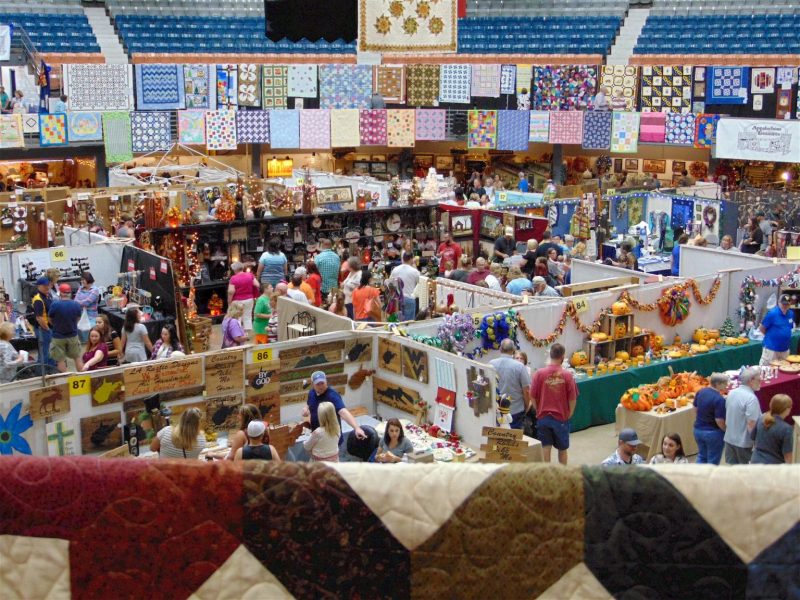
Appalachian Arts & Crafts Fair coming to Beckley this August
Taking place August 7-8 at the Beckley-Raleigh County Convention Center, the event brings together talented artists and crafters from across the region.