
April freeze leaves West Virginia orchard producers facing major crop losses
By Vanta Coda III, RealWV
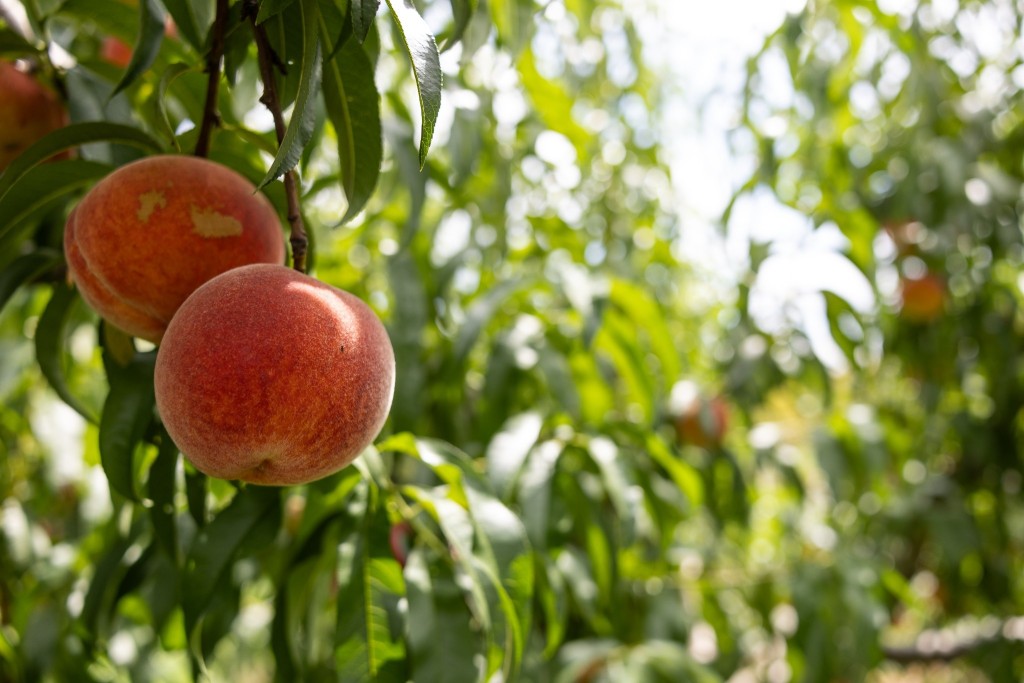
Fruit trees around eastern West Virginia’s orchard-growing region will be largely bare of fruit this year. After an unexpected late-season freeze between April 19 and 22, temperatures in eastern West Virginia were brought into the low 20s, prompting an environmental disaster in the Mid-Atlantic growing region and leaving most orchard producers with massive crop loss.
Thousands of acres of apple, apricot, plum, peach, and berry plants were decimated by the freeze. The disaster wasn’t only how cold it got, but when it happened. The trees and other fruiting crops were at a vulnerable stage of growth when the freeze occurred.
Many producers consider this devastating freeze as one of the most disastrous events in the Mid-Atlantic growing region in recent memory, and farmers are still dealing with the catastrophic fallout today, even though the disaster occurred three months ago.
Kent Leonhardt, West Virginia agriculture commissioner, and the Department of Agriculture are monitoring the disaster and reaching out to producers across the state.
“Right now, my deputy and assistant commissioner are out there doing a total assessment on the ground with producers,” West Virginia Agriculture Commissioner Kent Leonhardt said in a June 4 interview. “As a department, we also sent a letter earlier this week to USDA Secretary, Brooke Rollins, talking about the problem and asking for a declaration so that we can get low- interest loans from the Farm Service Agency to help our producers, and we are hoping that they come up with other programs to help, such as H-2A workers. There’s going to be no work for those H-2A workers, and therefore, when they send them back, they’re still going to have to pay them a high percentage of what the contract is, and they have no income to pay them.”
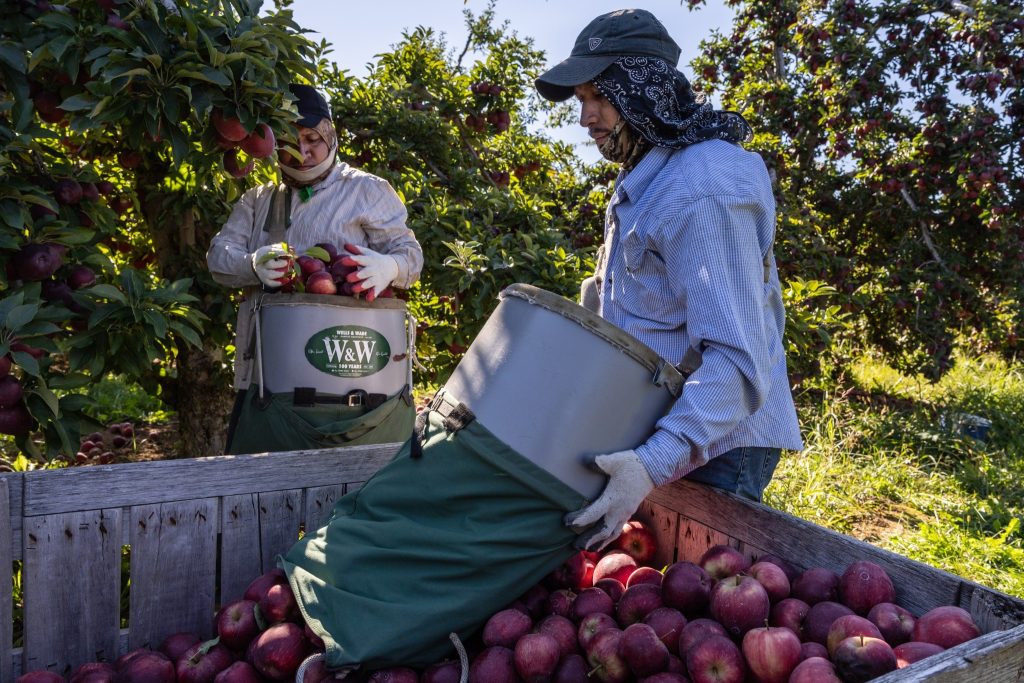
Commissioner Leonhardt also addressed some of the state’s smaller producers who do not have crop insurance. The Department of Agriculture is looking into whether it can acquire funding through Gov. Patrick Morrisey’s office for retroactive crop insurance or assistance from the USDA.
“I’ve also been in contact with the governor’s office to try to get a state of emergency for orchard producers,” Leonhardt said. “With this freeze, it was not just West Virginia alone. I’ve had discussions with Department of Agriculture representatives from Pennsylvania, Maryland, New York, and Virginia, and they’ve all had the same problem that we’re having.”
Pennsylvania’s House and Senate, which were in session when the freeze occurred, saw some delegates and senators vow to help alleviate the impact by allocating funding wherever the state of Pennsylvania deems necessary. While Pennsylvania Gov. Josh Shapiro and Pennsylvania Agriculture Secretary Russell Redding also moved quickly to address the issue, by writing to USDA Secretary Brooke Rollins, to ask for expedited federal support for Pennsylvania producers impacted by the freeze.
Unlike Pennsylvania’s legislative body, West Virginia’s is out of session until January 2027, with a balanced budget already set by the previous legislative session, which ended in March.
Leonhardt stated that this makes things a little bit more difficult for West Virginia to get timely funding for the disaster, with options limited to either a supplemental budget request or unappropriated funds in the current budget. However, Leonhardt is hopeful that there will be a swift response for West Virginia on the federal side, with the freeze’s effects on different states.
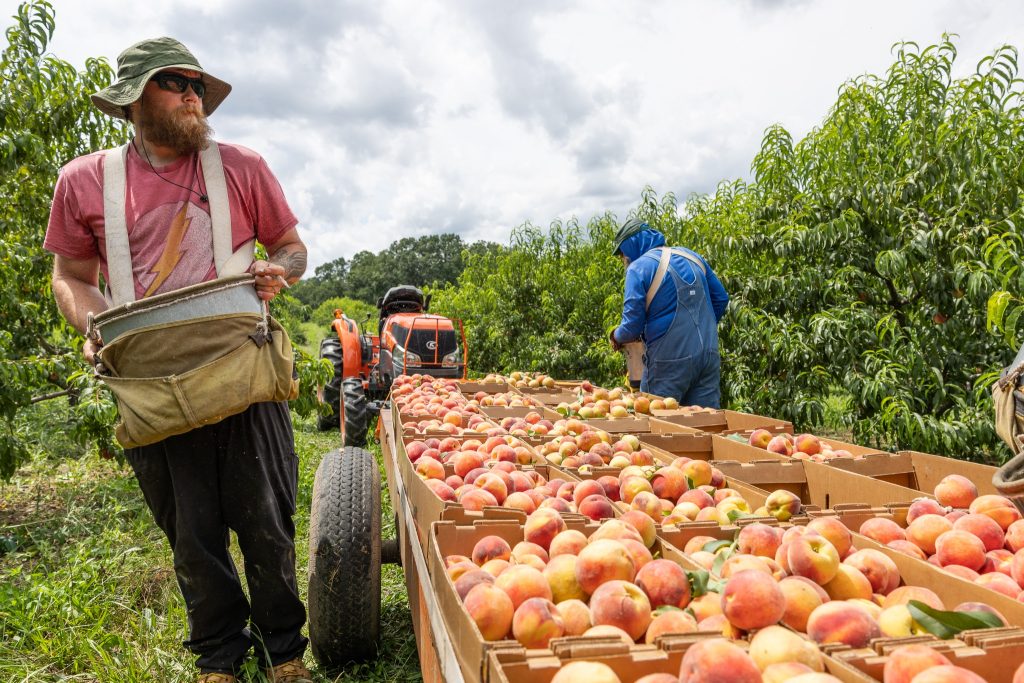
For producers like David Gum, Jr., CEO of WhiteHouse Foods, and Julie Bolyard, CFO and food safety plan administrator of Appalachian Orchard Company, the coming months and the extent of the damage from the freeze remain uncertain.
“It’s still too early to know the full impact,” said David Gum Jr,. CEO of WhiteHouse Foods. “Some orchards were affected more than others, depending on location, elevation, and a variety of circumstances. Growers across the region are still evaluating their crops, and a few have decided to more or less give up on this year’s harvest season. We know there was substantial damage in parts of the Mid-Atlantic, but it will take time before anyone has a complete picture.”
WhiteHouse Foods is based in Winchester, Virginia, but many of its orchards extend across state lines into West Virginia, making the company a unique grower with insight into how the rest of the Mid-Atlantic Region fared, as well as the mindset after the April freeze.
On the night of the freeze, the company lit orchard fires and brought in helicopters to help circulate warm air in hopes of raising the temperature in the orchards a few degrees. Even though it might seem like a lot of effort for a small margin, a few degrees can mean the difference between protecting the crop and losing it.
“Farming teaches you not to make predictions too early,” Gum said. “The Mid-Atlantic orchard community is resilient. Weather challenges are part of farming, even though we never welcome them. Growers throughout the region work together, share information, and help each other through years like this. That’s one of the strengths of agriculture in our area.”
Julie Bolyard, Appalachian Orchard Company CFO and food safety plan administrator in Martinsburg, W.Va, is another orchard producer in the Eastern Panhandle who was affected by this disaster.
“Pennsylvania has done a great job of getting out ahead of this,” said Bolyard. “They still have a horticultural society, West Virginia doesn’t have one anymore, and so we’re having to act very much like a grassroots movement and kind of get everybody together on the same page. So it’s taking us a little longer to get our act together over here in the Eastern Panhandle.”
Bolyard, along with other local orchard producers in the area, has already been in talks with Commissioner Leonhardt and other Department of Agriculture staff about the disaster and is working closely with them to develop solutions for the wide range of effects the freeze has had on producers.
“From there, we can take it outward to the USDA and hopefully get included in their area-wide natural disaster designation.”
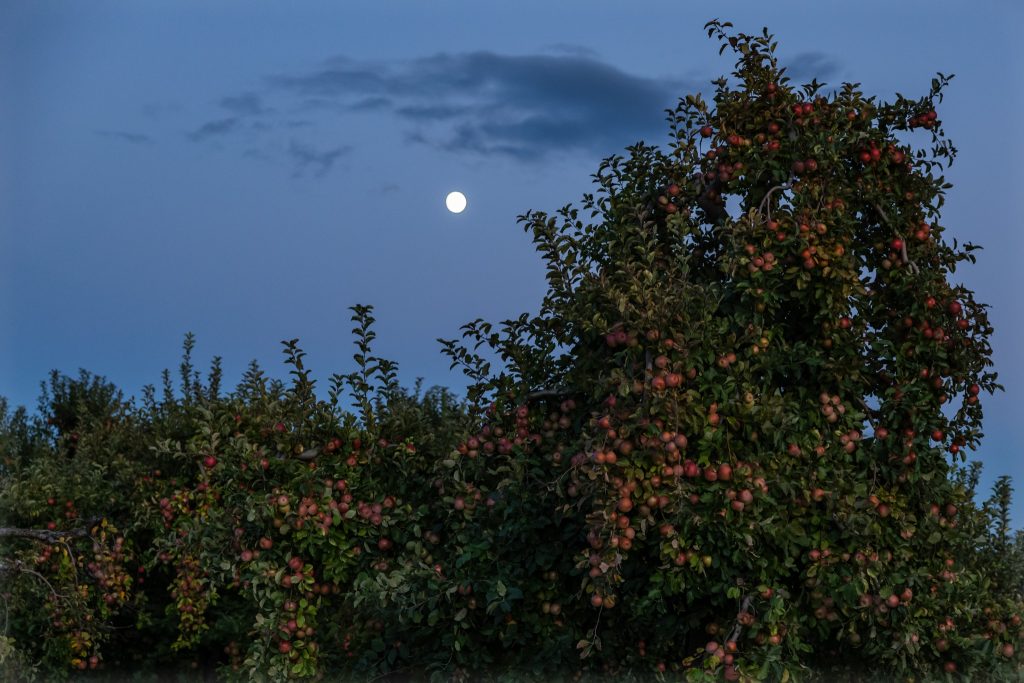
Other producers, like Katy Orr-Dove, president of Orr’s Farm Market, which is tied to their expansive orchard operation near Martinsburg, are relying on their farmers market, other crops, and their Agritourism ventures during these uncertain times.
“If we still have strong farm market sales this year, we should be okay with the budget cuts that we’ve made,” said Orr-Dove. “I hate to feel like the two things for me are letting down the staff, when you can’t give hours to everybody who wants hours, and then letting down the community when they’re calling and saying, ‘Well, we want to come pick strawberries, or we want peaches.’ You feel like you’re disappointing people, and that’s really hard.”
When asked how the public can support her business, Orr-Dove said, “If people would just patronize us for some of their weekly groceries, or if they need gift items for their family members for different events, we have a large assortment of locally made goods and West Virginia-type items. If they would buy tickets to some of our events, it would greatly help us.”
With the effects of the April freeze effects still rippling through our West Virginia orchards, it is up to the public now more than ever to help West Virginia orchard producers by supporting local growers.
Related Articles
Monroe County Family Support Center to host community open house
The Monroe County Family Support Center is inviting families to its annual Open House on Friday, Aug. 7, from noon to 7 p.m.
THE FRONT PORCH: Flock cameras spread across West Virginia, sparking privacy debate
Across West Virginia, more communities are installing Flock Safety cameras to help law enforcement prevent and solve crimes.