
THE FRONT PORCH: Flock cameras spread across West Virginia, sparking privacy debate
Across West Virginia, more communities are installing Flock Safety cameras to help law enforcement prevent and solve crimes.
By Dakota Baker, RealWV
Across West Virginia, more communities are installing Flock Safety cameras to help law enforcement prevent and solve crimes.
These cameras use automated license plate recognition (ALPR) technology to capture images of license plates, along with the time and location where a vehicle was spotted. Police can use that information to recover stolen vehicles, help find missing people, and identify vehicles connected to criminal investigations.
The technology has begun to raise concerns about how it is used. In Georgia, for example, several police officers and sheriff’s deputies were accused of using license plate reader databases to track people in their personal lives instead of for criminal investigations.
As more Flock cameras are installed, the debate over privacy and civil liberties continues to grow.
While anyone can see a license plate on a public road, some people worry that connecting cameras into a larger network, which makes it possible to track where a vehicle travels, is an infringement on rights.
Many are rightly concerned about government surveillance, the possibility of misuse, and inaccurate information collection.
Some states have passed laws that regulate how automated license plate readers can be used, while others rely on local policies that manage how long data is stored, who can access it, and how it is shared. In many communities, elected officials are still debating whether more safeguards are needed as the technology becomes more common.
As Flock cameras become increasingly common in our communities, the conversation is likely to continue.
Are Flock cameras a reasonable use of technology in public spaces, or do they infringe on personal privacy and constitutional rights?
We invite you to share your thoughts on the matter.
Related Articles
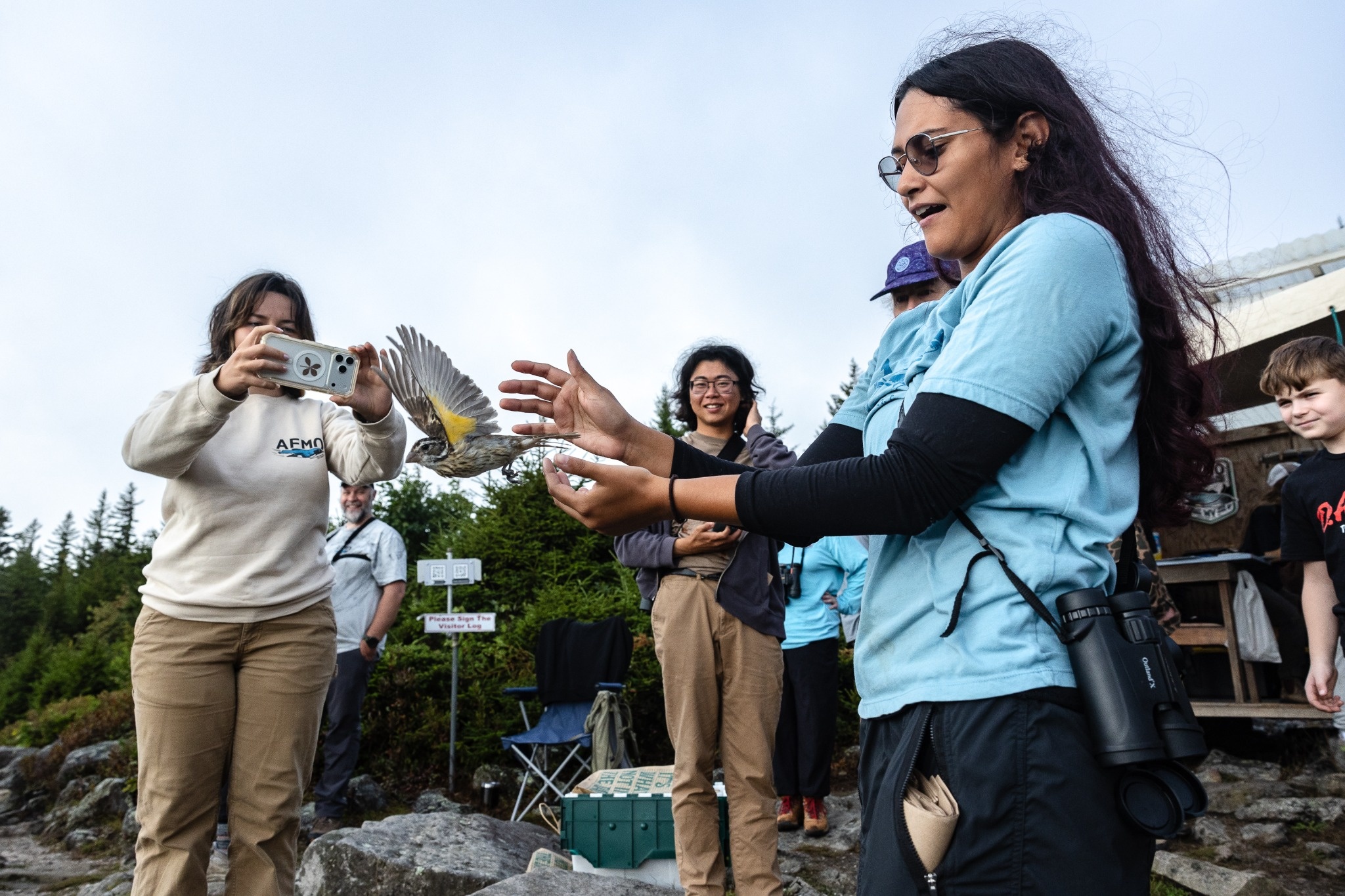
Bird banding at Dolly Sods offers a window into fall migration
As the first light of day opens on the ridgeline of Dolly Sods, a crew of researchers and volunteers waits in anticipation of something other than the beautiful scene unfolding in front of them.
THIS WEEK IN WV HISTORY: Sep 20-26
The following events happened on these dates in West Virginia history.